
The Secret of Hong Kong Whisky Collectors: A Guide to Investing in Rare Bottles
Fine wine investment
Whiskey Investment Beginner's Guide: Profit through Tasting
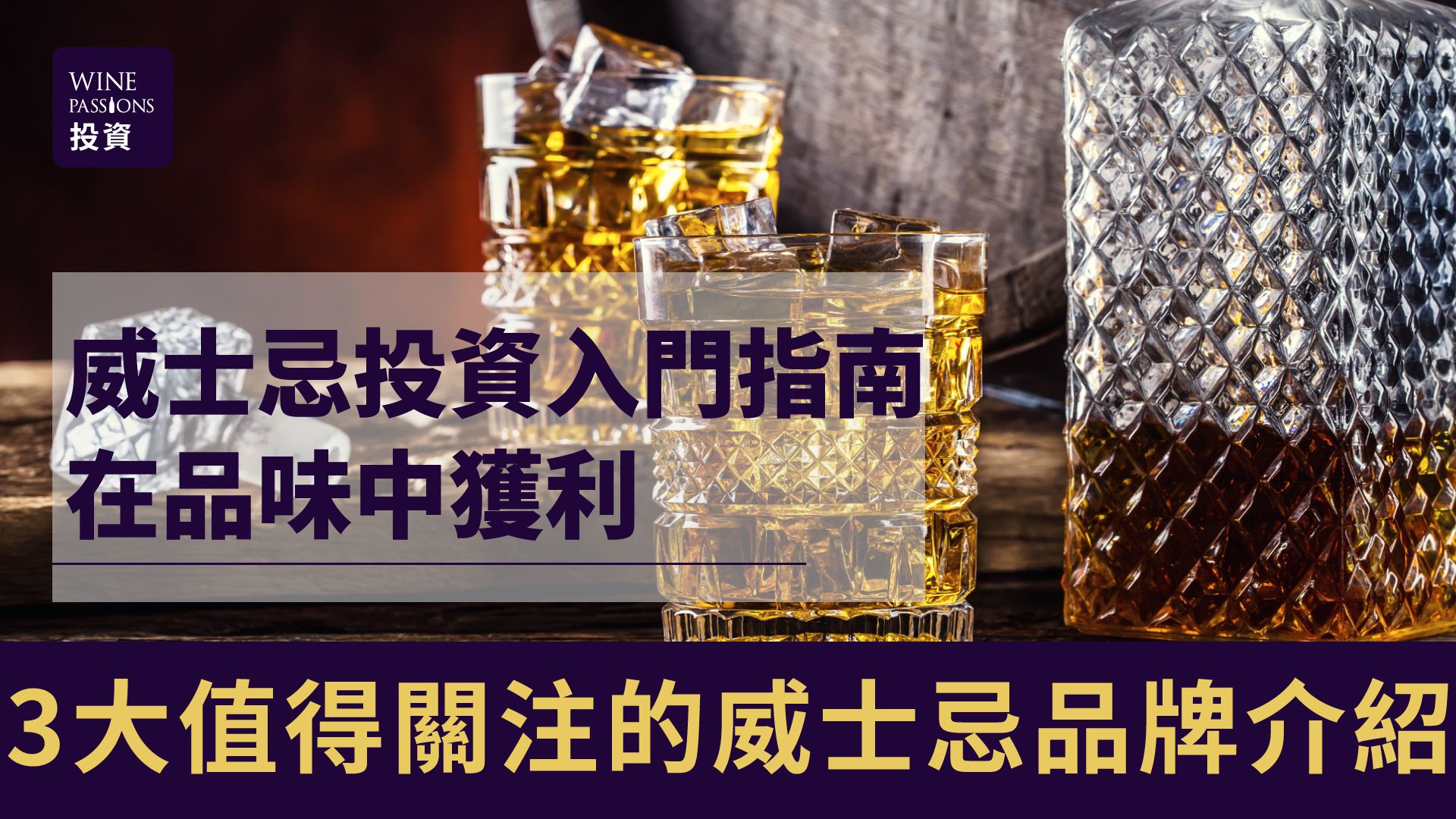
Whiskey investment has become a trend among the middle class and connoisseurs, not only allowing people to enjoy the exceptional flavors of whiskey, but also transforming it into a valuable form of wealth reserve. With its long brewing history and diverse flavors, in recent years, the investment value of whiskey has received high recognition from experts and the consumer market, attracting more and more investors.
Whiskey is not just a drink; it is also a culture, an art form, and even a symbol of a refined lifestyle. As the market has emerged, whiskey investment has become a trend pursued by the middle class and connoisseurs. This not only allows one to enjoy the exceptional flavors of whiskey but also transforms it into a valuable wealth reserve. With its long brewing history and varied flavors, whiskey's investment value has gained high recognition from experts and the consumer market in recent years, attracting more and more investors.
The Charm of Whiskey Investment
High Returns: A Symbol of Stable Wealth Appreciation
Whiskey investment yields impressive returns, especially for rare limited editions and aged bottles, whose prices steadily rise every year, some even exceeding stock returns. For example, a rare vintage Macallan whiskey has seen its price increase a hundredfold over the past decade, becoming a topic of conversation among collectors. Such appreciation potential makes whiskey a worthwhile investment choice.
The Collectible Value of Cultural Heritage
Each bottle of whiskey is not just a product; it is also a crystallization of the brewing process, historical culture, and rarity behind it. Whiskey carries rich cultural connotations and emotional connections, allowing collectors to experience the weight of history and the excellence of craftsmanship while enjoying fine spirits. This cultural value gives whiskey an irreplaceable charm in the collectible market.
High Demand in the Global Market
As demand for whiskey rises steadily in the Asian and North American markets, whiskey collecting has become part of a high-quality lifestyle. More and more affluent individuals and investors are joining this trend, further stimulating steady price increases. In Hong Kong, this trend is particularly evident, with many high-end bars and auction houses focusing on the trade of rare whiskeys.
3 Notable Whiskey Brands to Watch
Macallan: This brand has significant appreciation potential in the market, boasting a long history and many limited edition whiskeys. Macallan products are widely sought after for their superior quality and unique flavors, making it a favorite among collectors.
Dalmore: Known for its high-aged spirits, Dalmore's unique flavors and exquisite bottle designs have made it a favorite among investors. The brand's limited edition products often achieve remarkable results in the auction market.
Glenfiddich: This brand not only has a good reputation but also maintains stable market demand, making it very suitable for beginners to dip their toes into collecting. Glenfiddich offers a diverse product line that allows newcomers to easily get started.
The return on investment for whiskey has been very impressive, especially for some rare limited editions and aged bottles, whose prices have been steadily increasing every year, with some even surpassing stock returns. Each bottle of whiskey is not just a product, but a culmination of the craftsmanship, historical culture, and rarity behind it. With the increasing demand for whiskey in the Asian and North American markets, whiskey collecting has become a part of a refined lifestyle.
Whiskey Recommendations Worth Collecting
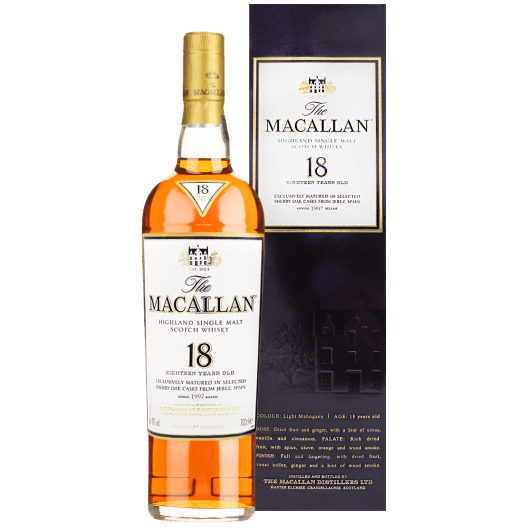
Macallan 18 Years Sherry Oak Whiskey
Macallan 18 Years Sherry Oak Whiskey is a classic creation from this brand, highly regarded for its rich flavor and excellent quality. This whiskey is primarily aged in carefully selected Spanish Jerez sherry oak barrels, showcasing rich dried fruit aromas and subtle spices.
Color: Pale amber
Aroma: Dried fruits, fresh ginger, citrus, vanilla, and cinnamon
Palate: Rich dried fruit flavor accompanied by spices and smoky notes
Finish: Long and persistent finish with notes of toffee and smoky wood
Glenfiddich
Glenfiddich 30 Years Single Malt Whiskey
Glenfiddich 30 Years Single Malt Whiskey is known for its exceptional quality and long history. This whiskey is aged in various oak barrels, exhibiting complex and rich layers of flavor, making it particularly suitable for high-end collectors.
Color: Deep gold
Aroma: Citrus, cinnamon, sherry, and smoky wood
Palate: Smooth and rich, with notes of dried fruit and spices
Finish: Long-lasting with hints of dried fruit aroma and spice notes
Dalmore 25 Years Limited Edition
Dalmore 25 Years Limited Edition is a whiskey full of character and rich flavor. It showcases the distillery's exquisite craftsmanship in producing aged spirits, making it an ideal choice for successful individuals to express their taste and status.
Color: Amber
Aroma: Madagascan vanilla, raisins, cocoa, and crushed almonds
Palate: Balanced and rich, with hints of red berries and orange citrus
Finish: Lasting finish of toffee apple, cinnamon spice, and licorice
Whiskey investment is not just a skill for wealth appreciation; it's also an art of enjoying life and pleasing oneself. Choosing the right brands and products, as well as understanding market trends, are all important factors in successful investment. Each bottle of whiskey carries unique cultural background and historical stories, making it not just a beverage but a cultural heritage.
Related articles






Feature report
Whiskey Investment Beginner's Guide: Profit through TastingWhiskey Investment Beginner's Guide: Profit through Tasting
The History and Origins of Champagne
Champagne, as a representative of sparkling wine, has a history that dates back to the late 17th century in the Champagne region of France. The monk Dom Pierre Pérignon is regarded as one of the founders of champagne production techniques. He dedicated himself to improving wine quality and discovered that blending different grape varieties could create a more balanced wine. With advancements in glass bottle manufacturing and the introduction of corks, bubbles were preserved in the bottle, and champagne gradually became a symbol of the nobility and high society.
In 1810, Veuve Clicquot launched the first vintage champagne, opening a new chapter in the champagne industry. Vintage champagne is only produced in years when grape quality is exceptional, requiring at least three years of bottle aging to enhance its rich, layered flavors. This winemaking method has made vintage champagne a symbol of luxury and quality.

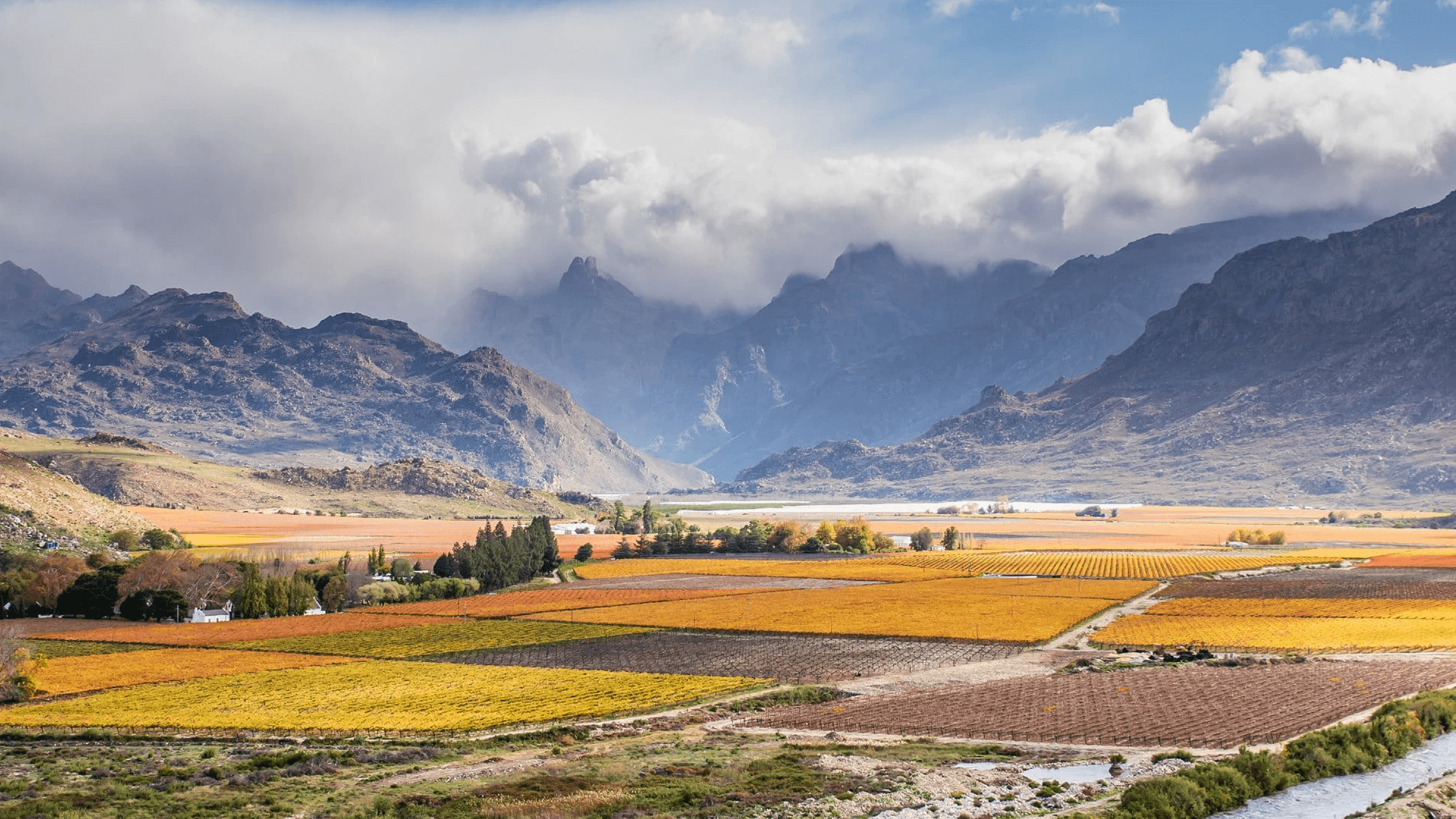
Credit: My French Country Home Magazine
As one of the most famous sparkling wines in the world, champagne is divided into vintage champagne (Vintage Champagne) and non-vintage champagne (Non-Vintage Champagne, NV). These two types have significant differences in production methods, flavor characteristics, rarity, and pricing. The following will detail their differences.
Production Methods and Aging Time
Vintage champagne is made from grapes harvested from a single year and is produced only when the grape quality is exceptional that year, representing the essence of that year’s harvest. According to regulatory requirements, vintage champagne must be aged for at least three years, but many top brands like Krug and Cristal choose to extend aging time to five to ten years to enhance the complexity and depth of the wine.
Non-vintage champagne, on the other hand, is made from a blend of wines from multiple years, aimed at maintaining a stable brand style, ensuring consistent product quality even in years with less than ideal climate conditions. Non-vintage champagne requires only 15 months of aging, with at least 12 months spent maturing on yeast lees.
Flavor Characteristics
Due to longer aging times, vintage champagne exhibits richer and more complex flavors, including characteristics of nuts, toasted bread, cream, and honey, while the bubbles are more delicate. Over time, its oxidation brings deeper baked fruit and caramel flavors.
In contrast, non-vintage champagne typically focuses more on fresh fruit flavors such as apple, citrus, and berries, with a refreshing palate and distinct acidity, making it more suitable for everyday drinking or as an aperitif.
Rarity and Price
Vintage champagne is considered a rare delicacy as it is produced only in specific years and in limited quantities, with prices generally higher than those of non-vintage champagne. For example, some well-known brands such as Dom Pérignon and Louis Roederer Cristal only produce vintage champagne, and their market value continues to grow over time.

Dom Pérignon Champagne
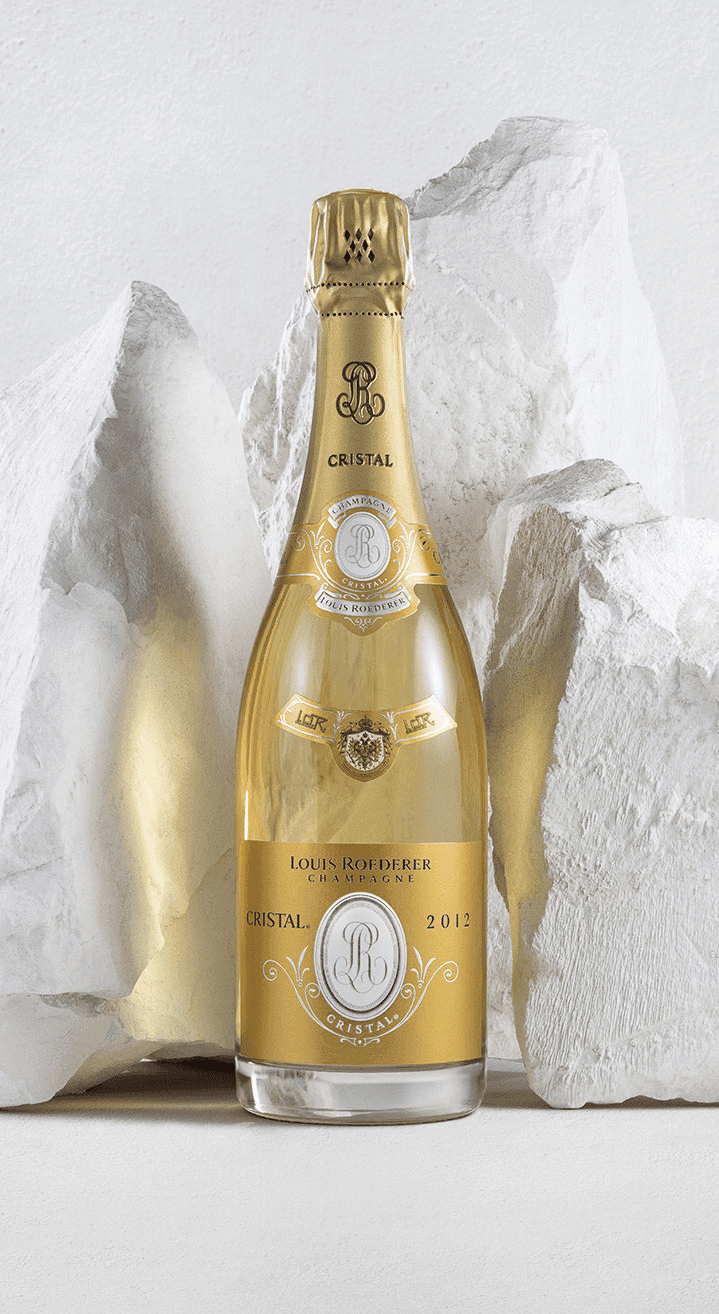
Louis Roederer Cristal Champagne
Non-vintage champagne, due to its large production scale and stable supply, is relatively affordable and is the mainstay of the mass market.
Introduction to Exceptional Years
Vintage champagne displays unique flavors depending on the climate conditions of each year. Here are some recognized exceptional years and their characteristics:
1988: Grapes matured slowly, giving the champagne a delicate and complex palate with an elegant texture. Recommended brands include Ruinart Dom Ruinart and Pol Roger Cuvée Sir Winston Churchill.
1996: This year saw excellent grape maturity, producing champagne with a rich palate and balanced acidity and sweetness. Billecart-Salmon Clos Saint Hilaire is a classic choice from this vintage.
2002: Known as the 'perfect vintage', the grapes were balanced in quality, resulting in champagne with an exquisite structure and longevity. Recommended brands include Louis Roederer Cristal and Dom Pérignon.
2008: Cool nights created grapes with excellent acidity, resulting in champagne that is both elegant and powerful. Taittinger Comtes de Champagne is a representative masterpiece from this vintage.
2012: This year's stable climate produced grapes with high maturity and balanced acidity, resulting in champagne with significant aging potential. Dom Pérignon Vintage 2012 is the standout product from this vintage.
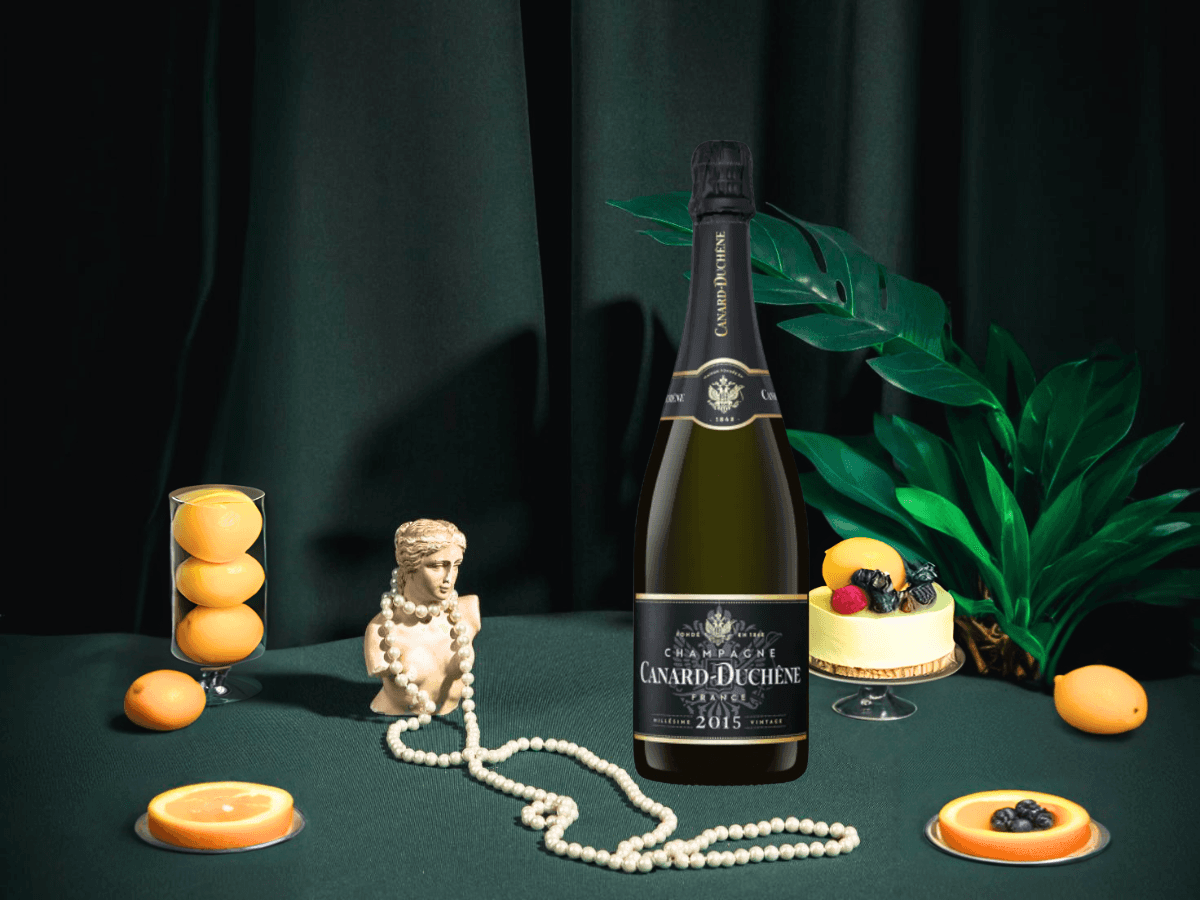
2015: Grapes ripened well under hot conditions, resulting in champagne that exhibits rich fruit flavors and an elegant structure. Canard Duchene Champagne Vintage 2015 is praised as 'elegance under heat', making it an outstanding creation.
These exceptional years not only reflect the influence of natural conditions on the art of winemaking but also provide collectors with a basis for selection.
Champagne, as a representative of sparkling wine, has a history that can be traced back to the late 17th century in the Champagne region of France. The monk Dom Pierre Pérignon is regarded as one of the founders of the champagne-making technique. He dedicated himself to improving the quality of wine and discovered that blending different grape varieties could create a more balanced wine. With the advancement of glass bottle manufacturing technology and the introduction of corks, the bubbles could be retained in the bottle, and Champagne gradually became a symbol of nobility and high society.
Investment Value of Vintage Champagne
Scarcity and High Demand
Vintage champagne is produced only under specific conditions, resulting in a relatively limited quantity, coupled with strong consumer demand for premium champagne, which drives prices upward. In a luxury market like Hong Kong, vintage champagne is highly sought after due to its scarcity.
Stable Returns
According to the Liv-ex Champagne 50 index, the prices of investment-grade champagne have seen significant growth in recent years. For example, in 2021, the index rose by 40%. Compared to other investment options like Bordeaux or Burgundy wines, vintage champagne offers a more stable and relatively affordable investment opportunity. Additionally, Henri Giraud Argonne series has performed particularly well, with average returns of 126% for the vintages of 2008, 2011, and 2012 over the past five years, equivalent to an annual growth rate of 17.7%. Meanwhile, the average price of the 2012 vintage increased by 54.8%, demonstrating strong market potential and collectible value.

Henri Giraud Argonne Champagne
Long-term Aging Potential
High-end vintage champagne possesses long-term aging capabilities that rival top red wines. Under proper storage conditions, its flavors can further improve over time, increasing its market value. According to reports from the international wine trading market Liv-ex, some rare brands, such as Henri Giraud, have achieved remarkable market performance due to their exceptional quality and brand strength, even with limited production. For instance, its Argonne series has not only received high praise from wine critics but has also become a target for collectors due to its aging potential.
Brand Influence
Well-known brands such as Dom Pérignon, Krug, and Louis Roederer not only represent quality assurance but have also become coveted treasures for collectors due to their history and reputation.
Recommended Product: Canard Duchene Champagne Vintage 2015
The latest launch from Wine Passions, the 【2015 Vintage Champagne】 Canard Duchene Champagne Vintage 2015, has become a focus in the market due to its outstanding quality and charming flavors. This champagne is praised for its "elegance under high temperatures," showcasing the unique charm of the 2015 vintage, with a price of only HK$438.00, making it a boutique champagne with both collectible value and high cost-effectiveness.
Canard Duchene Champagne Vintage 2015 presents an elegant pale gold color, visually fresh and extraordinary, fully reflecting the maturity of the 2015 vintage grapes. This enchanting hue comes from carefully selected Chardonnay, Pinot Noir, and Pinot Meunier grapes, crafted using the traditional champagne method (Méthode Champenoise).
In terms of aroma, this champagne features a prominent citrus note, with the fresh scents of lemon and bergamot providing a refreshing feeling, complemented by the rich aroma of apricot, adding depth. On the palate, the initial taste is of a refreshing lemoniness, followed by the gradual emergence of bergamot aroma, delivering a fresh and balanced mouthfeel. This delicate structure and lasting finish leaves a lasting impression.
In addition to its outstanding flavor performance, Canard Duchene Champagne Vintage 2015 also has excellent pairing potential. It pairs well with seafood such as scallops, oysters, or lobster, and can also form a perfect combination with desserts like orange cake or cream tarts. Whether for celebratory occasions or formal banquets, it adds a touch of luxury to the dining table.
Acquiring this high-quality vintage champagne at HK$438.00 is not only a sensory pleasure but also a worthwhile investment option. Its scarcity, good aging potential, and outstanding brand reputation make it a treasure in the eyes of collectors and champagne enthusiasts. If you are looking for a champagne that can elevate the atmosphere of your gatherings while reflecting personal taste, then Canard Duchene Champagne Vintage 2015 is definitely a choice not to be missed!
Feature report
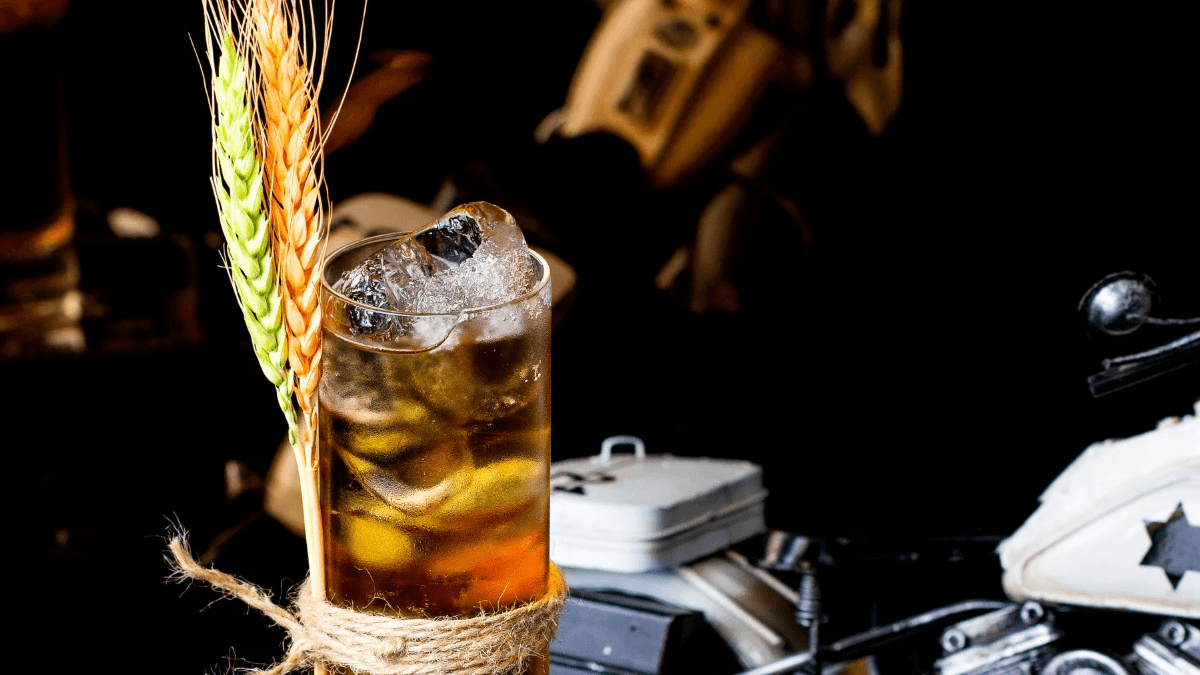
Whiskey Investment Beginner's Guide: Profit through TastingWhiskey Investment Beginner's Guide: Profit through Tasting
In the financial district of Central Hong Kong, an emerging trend of refined taste has quietly arisen, which is the love for high-end Japanese whisky. This amber liquid from the East has become the focal point of conversation in social gatherings, gradually evolving into a symbol of identity and taste. This article will take you on an in-depth exploration of the historical background, tasting techniques, and investment value of high-end Japanese whisky, and analyze why it has rapidly conquered the palates of the financial elites in Central.
The Rise of Japanese Whisky: From Imitation to International Glory
The rise of Japanese whisky is not a coincidence. In 1923, Japan's first commercial whisky distillery, the Yamazaki Distillery, was established, with founder Shinjiro Torii hiring Masataka Taketsuru, who had studied whisky brewing techniques in Scotland, as the chief distiller. Masataka Taketsuru later founded another famous brand, Nikka, both of which remain giants in the Japanese whisky industry today.
According to a report by IMARC Group, the Japanese whisky market reached $4.3 billion in 2024, and is expected to reach $7.3 billion by 2033, showing a compound annual growth rate of 6.1%. This growth is primarily due to the increasing global demand for premium and handcrafted spirits, as well as a preference for the authenticity and artisanal traditions of Japanese brands.
Japanese whisky manufacturers have been devoted to combining the traditional Scottish whisky brewing techniques with the unique craftsmanship spirit of Japan. After nearly a century of refinement and innovation, Japanese whisky finally began to emerge in the early 21st century, frequently winning awards in international whisky competitions. In 2001, the Yamazaki 12-Year-Old Single Malt Whisky won a gold medal at the World Whisky Awards, a milestone victory that opened the doors to the international market for Japanese whisky.
The Cultural Heritage and Flavor Characteristics of Japanese Whisky
Japanese whisky's rapid rise on the international stage can be attributed to its unique cultural background and exquisite craftsmanship. Unlike the smoky peat flavor of Scotch whisky, Japanese whisky often presents a fresh and delicate flavor profile.
Flavor Characteristics of Japanese Whisky
Yamazaki Whisky: Characterized by fruity aromas and oak flavor, often featuring pronounced notes of apple, pear, and apricot, complemented by subtle oak nuances.
Hibiki Whisky: Known for its smooth texture, honey, citrus, and light smoky flavor, often tasting of honey, citrus, and a hint of smokiness, with a long finish.
Hakushu Whisky: Renowned for its fresh and delicate flavors with complex layers, often featuring subtle notes of mint, green apple, and citrus, with a slight peat flavor.
The unique flavors of Japanese whisky stem from several factors, including:
Climate: Japan's distinct four seasons contribute to the whisky absorbing more flavor from the oak during the aging process.
Water Source: Japan's high-quality soft water imparts a smooth and delicate mouthfeel to the whisky.
Brewing Techniques: Japanese distillers combine traditional Scottish methods with Japanese exquisite craftsmanship to create unique flavors.
Barrels: In addition to traditional oak barrels, Japanese distillers also use local woods like Mizunara for aging whisky, imparting unique aromas.
A Tasting Guide for High-End Japanese Whisky
To truly appreciate the charm of high-end Japanese whisky, tasting techniques are crucial. Here are detailed tasting steps:
Choose the right glassware: Professional whisky tasting glasses are typically tulip-shaped, which can concentrate the aromas for better smelling. It is recommended to use a Glencairn whisky glass or a Copita sherry glass.
Observe the color: Slightly tilt the glass and observe the color and clarity of the whisky under bright light. Quality Japanese whisky usually exhibits a deep amber or golden color. A deeper color often indicates a longer aging time or the use of more sherry casks.
Smell: First, bring your nose close to the rim of the glass and gently inhale the aromas. High-end Japanese whisky usually possesses rich aromas, which may include fruits, floral notes, wood, and spices with multiple layers of fragrance. Avoid inhaling too much at once; instead, take multiple gentle sniffs, each time focusing on capturing different aromatic elements.
Taste: First, lightly touch the whisky with your tongue to feel its texture and initial taste. Then, take a small amount of whisky into your mouth, allowing it to roll on your tongue, fully engaging your taste buds. Pay attention to the changes in flavor throughout the tasting experience, from the initial stimulation to the mid-palate body flavor and finally to the aftertaste. High-end Japanese whisky often has a complex and harmonious flavor structure, possibly including fruits, nuts, vanilla, and smoky notes, and a long finish.
Add water for tasting: You can try adding a small amount of pure water (at room temperature) and taste again. Adding water can open up the whisky's aromas and modify its flavor structure, sometimes leading to unexpected delights.
For enthusiasts new to high-end Japanese whisky, starting with entry-level single malt whiskies like the Yamazaki 12-Year-Old or Hakushu 12-Year-Old can be beneficial. These whiskies have relatively smooth textures and distinct flavor characteristics, making them great for cultivating an appreciation for Japanese whisky. As your tasting experience grows, you can gradually try more complex and rare versions, such as Hibiki 21-Year-Old or Yamazaki 18-Year-Old.
As the reputation of Japanese whisky continues to rise, its scarcity has also increased. Many classic brands such as Hibiki, Yamazaki, and Hakushu have rare versions that have become targets for collectors. This growing trend of scarcity has made Japanese whisky not only a fine spirit for tasting but also a highly potential investment.
Investing in and Collecting High-End Japanese Whisky
As the reputation of Japanese whisky continues to rise, its scarcity has also increased. Many classic labels such as Hibiki, Yamazaki, and Hakushu have rare versions that have become coveted by collectors. This growing trend of scarcity has turned Japanese whisky into not only a fine spirit for appreciation but also a highly potential investment commodity.
Here are some specific examples of price appreciation:
Yamazaki 25 Year: from $1,775 to $20,000 (1026% increase)

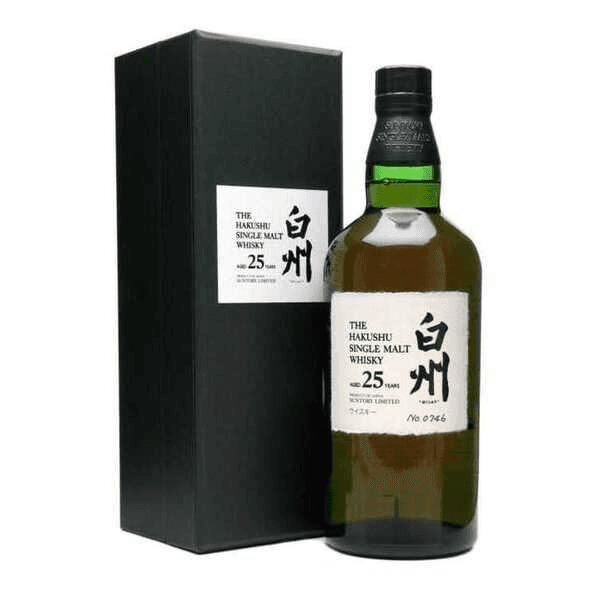
Hakushu 25 Year: from $1,000 to $14,500 (1350% increase)
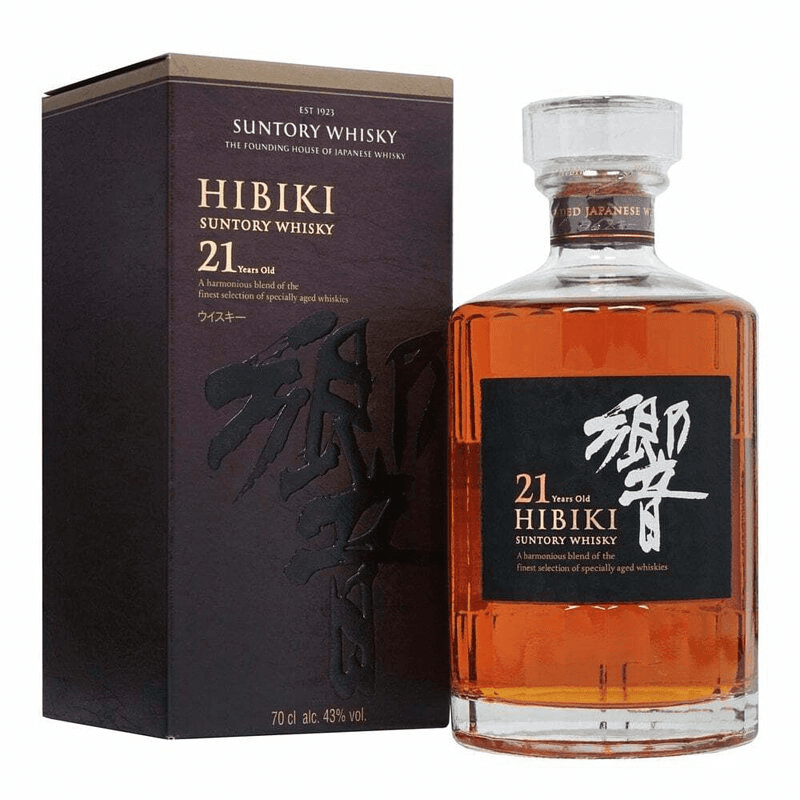
Hibiki 21 Year: from $335 to $2,500 (275% increase)
These astounding figures reflect the enormous potential of the Japanese whisky market and explain why it has quickly attracted the attention of financial talents in Central.
However, it is worth noting that the Japan Spirits & Liqueurs Makers Association will implement new regulations in April 2025, establishing stricter standards for what can be called Japanese whisky. These changes will bring greater transparency to the industry and may create new opportunities for discerning collectors.
For those interested in investing in Japanese whisky, here are some suggestions:
Research the market: Pay attention to auction prices and understand the market performance of different brands and vintages.
Choose reliable purchasing channels: Such as well-known auction houses (like Sotheby’s, Christie’s) or professional whisky retailers.
Focus on limited editions and special releases: These versions often have higher collectible value.
Store correctly: Keep whisky in a cool, dry environment, avoiding direct sunlight and drastic temperature changes.
Retain original packaging: Complete original packaging (including outer boxes) can increase the value of the whisky.
The Fusion of Japanese Whisky and Central Financial Culture
The reason why Japanese whisky has quickly become the new favorite among financial elites in Central is not only due to its outstanding quality and investment potential but also closely linked to the unique financial culture of Central.
Symbol of taste: In the highly competitive financial circle, high-end Japanese whisky has become a symbol of personal taste and success.
Social lubricant: Sharing a bottle of rare Japanese whisky during business meetings or private gatherings can be an effective way to strengthen relationships.
Stress relief: The high-pressure work environment of the financial industry leads many professionals to seek a high-quality way to relax, and whisky tasting provides such an opportunity.
Extension of investment thinking: For those accustomed to analyzing market trends, turning their investment gaze toward the whisky market is a natural extension.
International perspective: The global reputation of Japanese whisky aligns with the international nature of the Central financial circle, reflecting this group’s pursuit of top global products.
Conclusion
The reason high-end Japanese whisky has become the new darling of financial elites in Central is not only because of its exceptional quality and investment potential but also because it represents a sophisticated and profound culture of taste. In the fast-paced financial world, taking the time to enjoy a quality glass of Japanese whisky and savoring its layers and nuances is undoubtedly a rare life pleasure.
For those who pursue career success and crave a taste of life, high-end Japanese whisky is undoubtedly a perfect choice. It not only enhances social occasions but also embodies personal taste. As the Japanese whisky market continues to mature and develop, we can expect to see more innovative and exciting products emerging, further enriching this enchanting world of spirits.
Whether you are a whisky enthusiast, collector, or investor, Japanese whisky offers a field filled with opportunities and enjoyment. In the process of tasting, collecting, or investing in Japanese whisky, you can not only appreciate the charm of top spirits but also gain a deeper understanding of the essence of Japanese culture and the endless allure of the whisky world. Let us raise our glasses and look forward to a more brilliant future for Japanese whisky!
Fine wine investment

Whiskey Investment Beginner's Guide: Profit through TastingWhiskey Investment Beginner's Guide: Profit through Tasting
Under the dazzling night scene of Hong Kong, a group of low-profile yet passionate whisky enthusiasts is quietly rising. They are not just tasters but savvy investors who transform their love for whisky into potential wealth appreciation opportunities. In recent years, whisky collecting has not only become a symbol of taste but has gradually developed into an alternative investment method, attracting the attention of many visionary collectors and investors.
Hong Kong, as the financial center of Asia, is also a paradise for whisky lovers. It boasts a rich whisky culture, from traditional Scotch single malts to emerging Japanese whiskies, and unique small-batch premium whiskies from around the world—everything is available. With the continuous warming of the global whisky market, the whisky collectors in Hong Kong discover that their collections are not only soul-soothing but may also represent a significant investment.
However, whisky investment is not an easy task. It requires a profound accumulation of knowledge, sharp market insights, and considerable financial support. This article will reveal the secrets of Hong Kong whisky collectors, delving into investment strategies for rare whiskies, helping you find your own place in this market full of opportunities and challenges.
First of all, we need to understand what types of whisky have investment value. Generally speaking, whisky with collectible value usually possesses the following characteristics:
1. Rarity: Limited editions, discontinued or out-of-production whiskies are often more sought after.
For example, in January 2014, a six-liter bottle of Macallan M sold for $628,000 at Sotheby’s auction in Hong Kong, setting a new record for the auction of single malt whisky. This bottle was produced in collaboration with crystal maker Lalique, with only four bottles produced.

Credit: Lawrence Lin's Facebook
2. Age: Aged whiskies are usually more valuable, especially those from renowned distilleries.
In November 2023, a bottle of Macallan Adami from the year 1926 sold for $2.71425 million at Sotheby’s auction in London, setting a new world record. This bottle is one of forty bottles of Macallan from the year 1926, bottled in 1986 after 60 years of sherry cask maturation. This auctioned bottle was the 12th, with a label designed by Valerio Adami. These auction results not only showcase the rarity and value of Macallan whisky but also reflect the ongoing warming of the global whisky market. For whisky collectors and investors in Hong Kong, these extravagant auctions not only affirm their taste but also recognize their investment acumen.
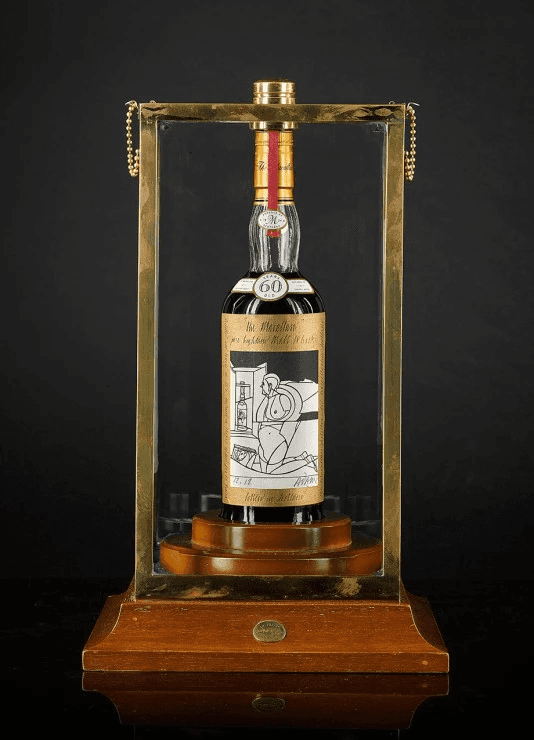
▲Valerio Adami designed 60-year Macallan label
3. Brand Reputation: Whiskies from well-known distilleries or highly regarded independent bottlers tend to appreciate more easily.
4. Quality: Whiskies that have received high ratings or won significant awards are more favored.
5. Packaging Integrity: Original, unopened, and well-preserved whiskies have greater collectible value.
In May 2018 at an auction held in Hong Kong, two bottles of Macallan whisky from 1926 sold for over $2 million, setting a new world auction record. One bottle, with a label designed by British pop artist Peter Blake, was sold for $1.01 million, while the other bottle, with a label designed by Italian artist Valerio Adami, was sold for $1.1 million, breaking the highest price record for whisky auctions. All these bottles were distilled in 1926 and bottled in 1986, with each labeled bottle producing only 12 bottles.

▲Peter Blake designed 60-year Macallan label
The whisky collectors in Hong Kong are well aware of these principles; they not only pay attention to internationally renowned brands but are also adept at discovering potential stocks. For example, the highly sought-after Yamazaki and Karuizawa Japanese whiskies in recent years have been targets for early investment by many Hong Kong collectors. These forward-looking investments have not only brought considerable returns but also highlighted the keen market sense of Hong Kong collectors.
However, whiskey investment also faces numerous challenges. Market volatility, counterfeit products, and the increasingly high entry barriers are all potential risks. Particularly in a highly competitive market like Hong Kong, how to stand out among numerous collectors and find truly valuable investment targets is a challenge that every whiskey investor must face.
Successful whiskey investment is not just based on luck. It requires investors to have a comprehensive market knowledge and continuously pay attention to industry trends. Here are several investment strategies commonly used by whiskey collectors in Hong Kong:
1. Diversify investments: Don't put all your eggs in one basket. Successful collectors usually spread their investments across different types and origins of whiskey to reduce risk.
2. Focus on emerging markets: In addition to traditional Scotch whisky, whiskeys from Japan, Taiwan, and India are also gaining increasing attention. Keen investors will closely monitor the developments in these emerging markets.
3. Participate in auctions: Hong Kong, as an auction center in Asia, frequently holds high-end whiskey auctions. This is not only a great opportunity to acquire rare bottles but also an important channel to understand market conditions.
4. Build a network: Establishing good relationships within the whiskey community can help investors obtain market information more quickly and even gain access to some rare bottles that are not publicly released.
5. Pay attention to storage: Proper storage methods are crucial for maintaining the quality and value of whiskey. Professional collectors in Hong Kong typically invest in specialized climate-controlled storage facilities.
6. Continuous learning: The world of whiskey is ever-changing, and successful investors need to keep learning, attend tasting events, read professional publications, and even visit distilleries in person.
However, whiskey investment also faces many challenges. Market volatility, counterfeit issues, and the rising entry barriers are all potential risks. Especially in a highly competitive market like Hong Kong, how to stand out among many collectors and find truly valuable investment objects is a challenge every whiskey investor must confront.
Furthermore, the recent global economic uncertainties have also introduced new variables to the whiskey investment market. The economic recovery post-pandemic, inflationary pressures, and geopolitical risks may impact the market performance of whiskey. Therefore, investors need to be more cautious and prepare mentally for long-term investments.
Despite this, for collectors who truly love whiskey, investment is not just about financial returns. It is also a way of preserving whiskey culture and pursuing a quality lifestyle. Behind every treasured bottle is a story about time, craftsmanship, and passion. It is these stories that make whiskey investment even more fascinating.
Conclusion:
The world of whiskey collectors in Hong Kong is one filled with passion, wisdom, and opportunities. Here, the love for whiskey perfectly combines with shrewd investment, creating a unique collection culture. Whether you are a seasoned whiskey enthusiast or a newcomer to this field, as long as you maintain your passion, keep learning, and invest cautiously, you have the chance to find your place in this charming market.
Remember, the best whiskey investment is always the ones you truly love and are willing to savor. Because on the road of investment, enjoying the process and reaping the rewards are equally important. I wish you find your own 'liquid gold' in your journey of whiskey collection and investment, enriching your life and adding color to it.