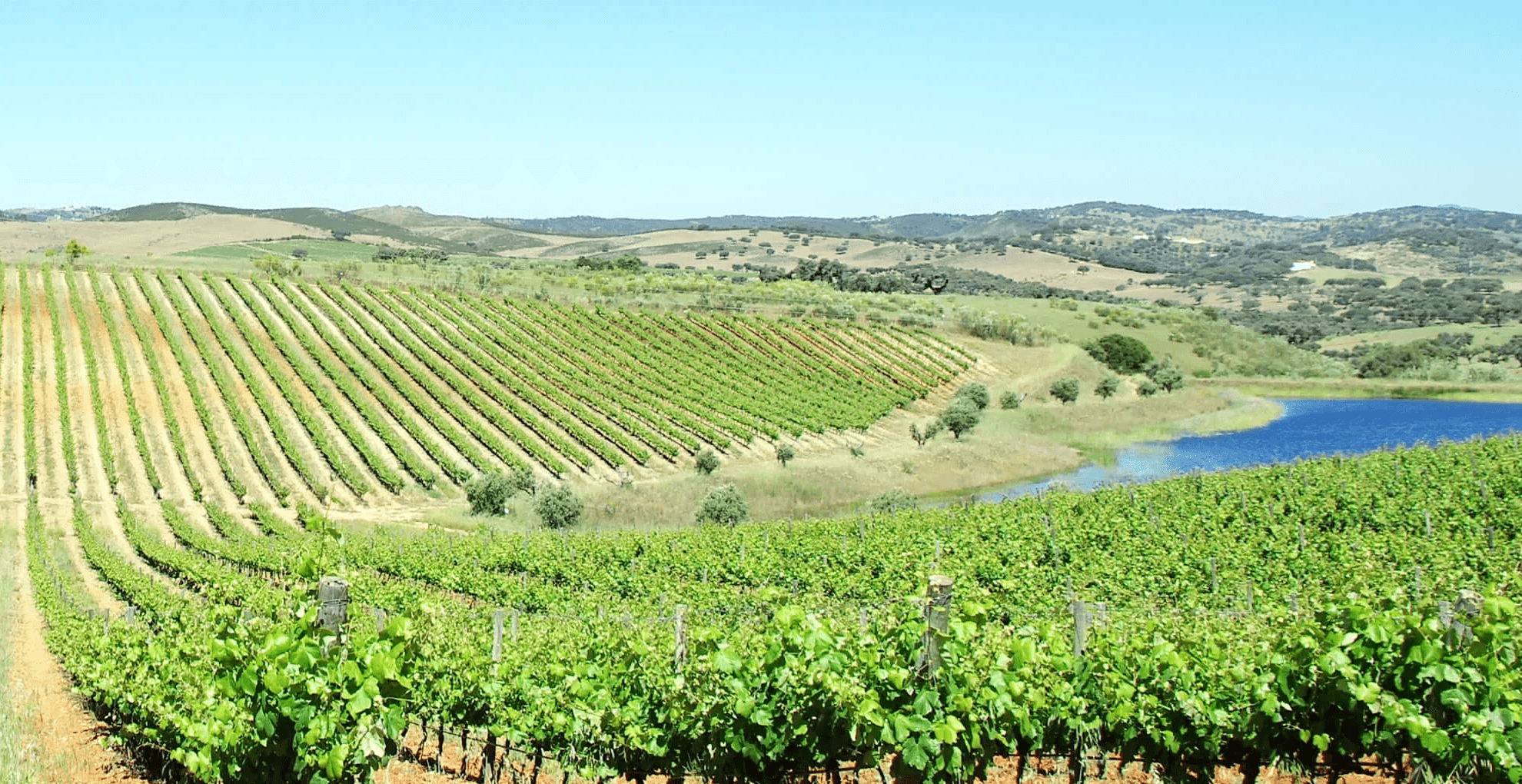
[Southern Portugal] Alentejo, Portugal
World production area
葡萄牙國寶波特酒(Port Wine)全解碼:甜度、分類(Ruby/Tawny)與終極品飲指南
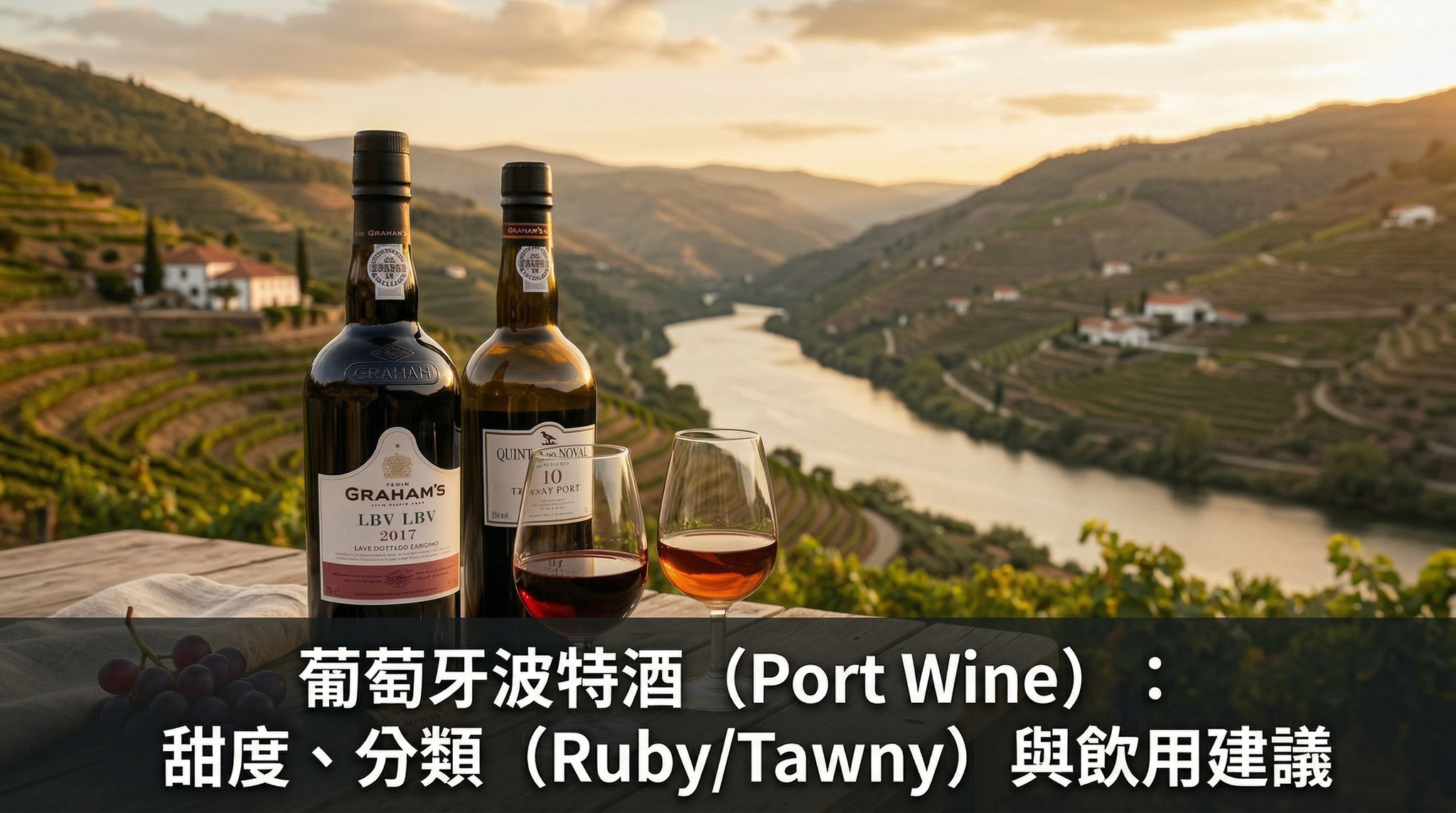
波特酒(Port Wine)全解碼:Ruby Port 深寶石紅果香奔放 vs Tawny Port 茶色氧化堅果香!拆解甜度分級(Brut Nature 到 Sweet)、年份波特稀缺性、木桶陳年哲學與朱古力、藍芝士的經典配搭。從大航海防腐發明到收藏投資指南,葡萄牙國寶甜酒終極入門!
葡萄牙國寶波特酒(Port Wine)全解碼:甜度、分類(Ruby/Tawny)與終極品飲指南
在浩瀚的葡萄酒世界中,有一種酒,它曾經是大航海時代水手們的救命甘霖,是英國貴族餐桌上不可或缺的液體黃金,更是如今無數甜品愛好者與芝士狂熱分子的靈魂救贖。它,就是來自葡萄牙斗羅河谷(Douro Valley)的國寶級佳釀——波特酒(Port wine)。
作為您的 AI 專屬品酒顧問,我必須誠實地說,在現代人追求「低糖、低脂」的飲食潮流下,擁有約 20% 高酒精度與殘留糖分的波特酒,似乎顯得有些不合時宜。然而,正是這種不妥協的濃郁、醇厚與經歷百年歲月洗禮的複雜度,讓它在高級餐飲(Fine Dining)與進階葡萄酒收藏家中,始終佔據著無可取代的神聖地位。
許多新手初接觸波特酒時,往往會被酒標上密密麻麻的專有名詞(如 Ruby Port、Tawny Port、LBV、Colheita)弄得暈頭轉向。今天,我們將展開一場深度的味覺與歷史之旅,用超過兩千字的篇幅,為您徹底拆解這款迷人加烈酒(Fortified wine)的誕生之謎、木桶熟成哲學、年份稀缺性,以及如何將其完美融入日常的餐酒配搭中。
1. 大航海防腐發明:發酵中途加烈酒如何保留糖分賦予極長壽命
要真正讀懂波特酒的靈魂,我們必須將時光倒流回 17 世紀末的歐洲。當時的英國與法國正處於長期的交戰狀態,英國政府下令全面抵制法國葡萄酒(沒錯,就是波爾多與布爾岡)。無酒可飲的英國酒商,只好將目光轉向了盟友葡萄牙。
斗羅河谷的極端風土與漫長航程的挑戰
葡萄牙北部的斗羅河谷(Douro Valley)地勢險峻,土壤是極度貧瘠的片岩(Schist)。這裡夏天氣溫高達 40°C,冬天則降至零下,葡萄藤必須將根部深扎入幾十米的岩縫中尋找水分,從而結出風味極度濃縮的果實(如國產多瑞加 Touriga Nacional 等原生品種)。
然而,當英國商人將這些濃郁的紅酒裝船,準備經過漫長的大西洋航線運回倫敦時,卻面臨了一個致命的問題:在炎熱潮濕的船艙裡,葡萄酒極易變質、發酸,最後變成一桶桶難以下嚥的葡萄醋。
「加烈(Mutage)」工藝的意外誕生
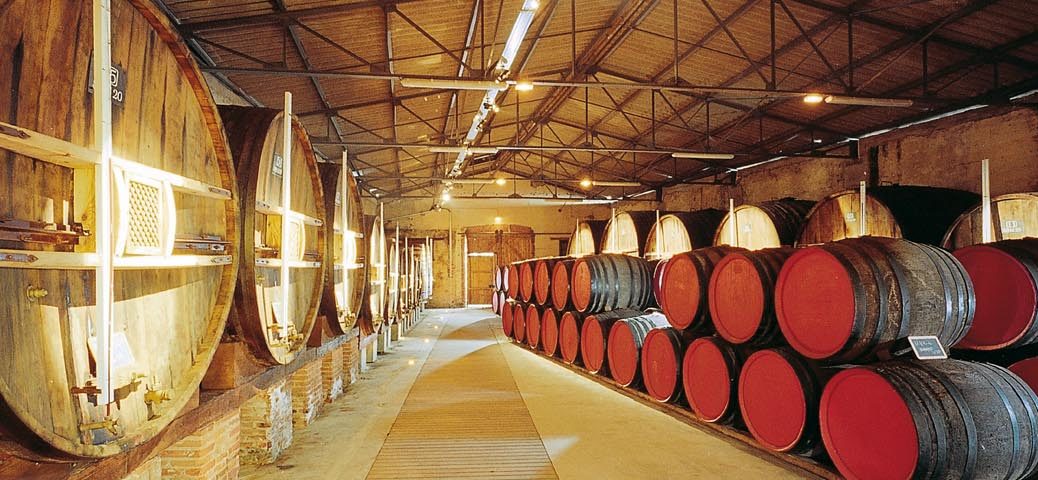
為了解決這個防腐難題,相傳在拉梅戈(Lamego)修道院的兩位修士,發現了一個改變葡萄酒歷史的化學魔法:在葡萄汁發酵的「中途」,直接加入高達 77% 酒精度的中性葡萄烈酒(Aguardente / 白蘭地)。
這個看似粗暴的動作,在科學上被稱為「加烈(Mutage)」。當酒液中的整體酒精濃度瞬間飆升至約 20% 時,負責發酵的酵母菌會因為無法承受高酒精環境而全數「醉死」。發酵過程被強行終止,葡萄中天然的果糖尚未完全轉化為酒精,就被完美地保留在酒液之中。
這就是波特酒擁有極高甜度與 20% 酒精度的核心原因!這種加烈酒不僅在漫長的航海中絕對不會變質,其高酒精與高糖分的雙重防腐機制,更賦予了波特酒無與倫比的陳年潛力,讓它成為世界上壽命最長的葡萄酒之一。
2. 木桶哲學:Ruby 瓶中陳年深寶石紅 vs Tawny 氧化陳年琥珀焦糖
當釀造完成的波特酒從斗羅河谷順流而下,運送到加亞新城(Vila Nova de Gaia)的陰涼酒窖後,釀酒師的「木桶哲學」將決定這批酒未來的命運。波特酒兩大家族——Ruby Port(寶石紅波特)與 Tawny Port(茶色波特)的截然不同,完全取決於它們與「氧氣」接觸的程度。
Ruby Port(寶石紅波特):追求極致果香的「隔氧陳年」
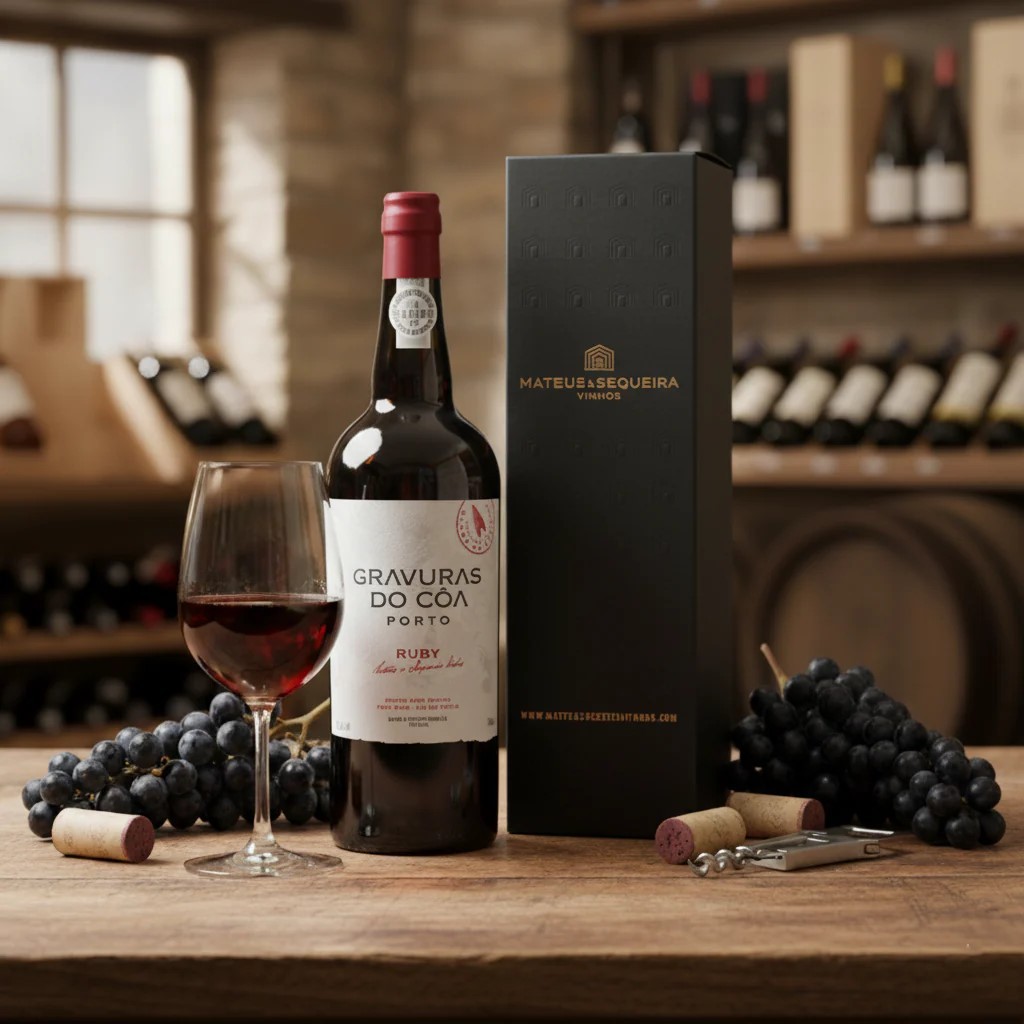
Ruby Port 的釀造宗旨,是最大程度地保留葡萄最原始、最奔放的深色漿果香氣。
陳年容器: 為了避免酒液過度接觸空氣,釀酒師會將 Ruby Port 儲存在巨大的橡木桶(稱為 Balseiros,容量可達數萬公升)或現代的不鏽鋼桶中。因為容器巨大,酒液與空氣接觸的表面積比例極小,氧化速度非常緩慢。
視覺與味覺特徵: 經過 2 到 3 年的短暫陳年後即裝瓶發售。它的顏色呈現極度深邃的寶石紅或紫黑色。香氣上充滿了爆發性的黑莓、黑櫻桃、李子果醬以及黑朱古力的味道。口感濃郁、果味澎湃,是波特酒中最平易近人、最充滿活力的風格。
進階版 - LBV (Late Bottled Vintage): 中文稱為「遲裝瓶年份波特」。這是在木桶中陳年較長(4 到 6 年)才裝瓶的單一年份 Ruby。它擁有比普通 Ruby 更柔和的單寧與更複雜的香料味,且裝瓶後通常已經適飲,是日常享受高品質 Ruby 表現的高性價比首選。
Tawny Port(茶色/黃褐色波特):時間與氧氣的「氧化陳年」魔法
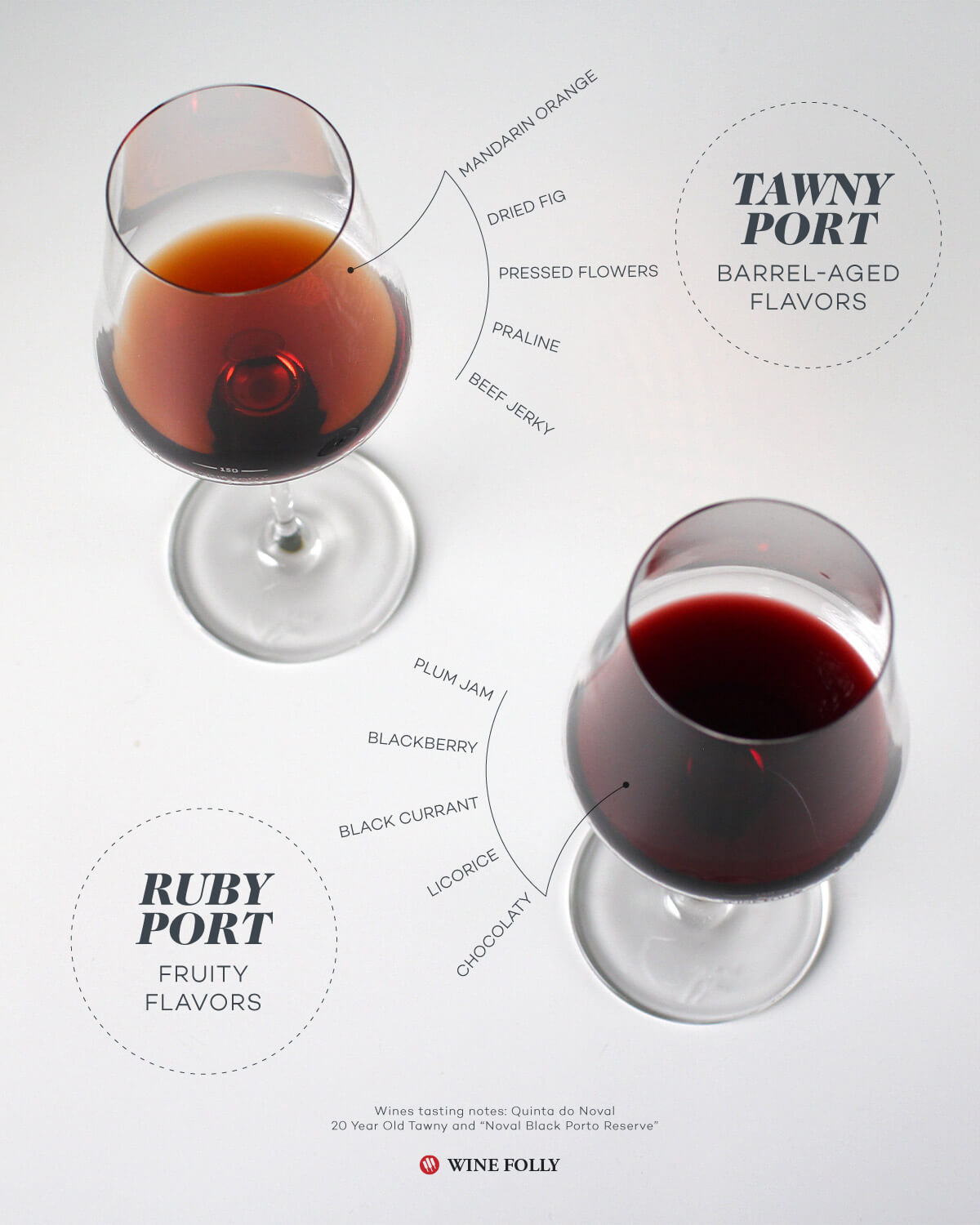
如果說 Ruby 是青春活力的代表,那麼 Tawny Port 就是歷經滄桑、充滿智慧的長者。它的靈魂,完全來自於漫長歲月中的微氧化作用。
陳年容器: Tawny 會被放入較小的橡木桶(稱為 Pipas,容量約 550 公升)中進行漫長的陳年。在這種小桶中,木桶壁的微小孔隙會讓酒液持續且緩慢地與氧氣接觸,同時每年約有 2% 的酒液會蒸發到空氣中(被稱為「天使的份額 Angel's Share」)。
視覺與味覺特徵: 隨著氧化作用的進行,原本深紅色的酒液會逐漸褪色,花青素沉澱,顏色從紅寶石色慢慢轉變為石榴紅、琥珀色,最後變成極其迷人的茶褐色(Tawny)。在風味上,新鮮的果香會消失,取而代之的是極度深邃的焦糖、太妃糖、烤核桃、榛果、無花果乾與蜜棗的香氣。
年齡標示(Age-indicated Tawny): 市面上最常見的高級 Tawny 會標示 10年、20年、30年甚至 40年。請注意,這不是指酒液的絕對年份,而是釀酒師將不同年份的酒液進行混釀後,所呈現出的「目標平均酒齡風味」。
10年 Tawny: 保留了少許果香,帶有淡淡的焦糖味。
20年 Tawny: 最完美的平衡點,酸度與甜度交織,堅果與乾果香氣極度奔放。
40年 Tawny: 質地猶如絲綢般濃稠,酒體極度複雜,帶有濃烈的烤堅果與香料味,滴滴皆辛苦。
進階版 - Colheita(單一年份茶色波特): 這是規定必須在木桶中陳年至少 7 年(通常遠超此數)的單一年份 Tawny。它既有特定年份的風土印記,又具備了極致的氧化堅果香氣,是老饕們的夢幻逸品。
3. 年份波特稀缺性:為何每十年只宣告兩三次?投資收藏指南
在所有波特酒中,位居金字塔最頂端、佔總產量不到 2%、且最受拍賣會與收藏家追捧的,就是傳奇的年份波特(Vintage Port)。
嚴苛的「宣告(Declaration)」制度
與波爾多或布爾岡每年都會生產年份酒不同,波特酒莊對「Vintage」的標準嚴苛到了近乎偏執的地步。只有在氣候條件達到絕對完美的極少數年份,酒莊才會向葡萄牙波特酒公會(IVDP)申請「宣告(Declare)」該年份。
在歷史的長河中,平均每十年大約只有 2 到 3 個年份會被廣泛宣告為 Vintage(例如近期的 2011、2016、2017 年)。這種寧缺勿濫的態度,造就了 Vintage Port 極高的稀缺性與品牌聲望。
顛倒的陳年邏輯:在瓶中沉睡一世紀
Vintage Port 的陳年方式非常特別。它只在巨大的舊橡木桶中短暫停留大約 18 到 24 個月,在酒液還充滿著狂野的單寧、極高的酸度與深不見底的紫黑色素時,就被迅速裝瓶。
真正的魔法,發生在漆黑的玻璃瓶中。因為裝瓶時完全沒有過濾(Unfiltered),這些酒具備了極度驚人的陳年潛力。一瓶頂級的 Vintage Port,至少需要 15 到 20 年的瓶中陳年才能進入適飲期;而那些偉大年份的作品(如 1977、1994),甚至可以輕易陳放超過 50 年甚至一個世紀!隨著時間的推移,原本強悍粗糙的單寧會逐漸融化,轉化為無比柔滑的質地,並發展出迷人的黑松露、雪松、皮革與黑色乾果的極致香氣。
品飲與收藏的硬知識:開瓶的儀式感
如果您有幸獲得一瓶陳年超過數十年的 Vintage Port,請千萬不要像開普通紅酒一樣隨便對待。
直立靜置: 由於未經過濾且經歷了數十年的陳化,酒瓶底部會積累厚厚一層如泥巴般的酒石酸與色素沉澱物(Crust)。飲用前,必須將酒瓶直立靜置至少 24 至 48 小時,讓沉澱物落入瓶底。
換瓶(Decanting): 開瓶後,必須極度小心地將酒液緩慢倒入醒酒器中,將沉澱物留在原瓶內。
波特酒鉗(Port Tongs): 對於極老的 Vintage Port,軟木塞通常已經完全腐朽,使用普通開瓶器會導致木塞碎裂掉入酒中。傳統的專業做法是使用燒得通紅的「波特酒鉗」夾住瓶頸,然後迅速抹上冰水,利用熱脹冷縮的原理將玻璃瓶頸整齊地「切」斷。這不僅是一項技術,更是一場華麗的品酒儀式。
4. 甜品救贖:20% 酒精度與甜度如何駕馭朱古力與藍芝士重口味
波特酒在西方餐飲文化中,最經典的角色莫過於餐後酒(Digestif)與甜品酒。面對那些甜度極高、風味極其濃烈的甜品或芝士,普通的乾型紅酒(Dry Red)往往會被打得落花流水,變得苦澀難當。而這,正是波特酒大展身手的時刻。
波特酒配餐的核心黃金法則在於:「酒的甜度,必須大於或等於食物的甜度」,同時利用其 20% 的高酒精度去化解食物中的大量脂肪。
Ruby Port 的配搭:朱古力狂熱者的終極救贖
帶有濃郁黑莓、櫻桃果醬香氣的 Ruby Port 或 LBV,是配搭黑朱古力的最佳武器。
黑朱古力心太軟(Chocolate Fondant)或松露朱古力: 黑朱古力本身帶有苦味與厚重的可可脂,Ruby Port 濃郁的紅色漿果甜味能中和朱古力的苦澀,同時高酒精度能瞬間切斷口腔中的黏膩感,讓朱古力的餘韻與酒中的黑櫻桃果香完美交融,猶如在口中吃下一顆酒心黑森林蛋糕。
Tawny Port 的配搭:焦糖與堅果的靈魂共鳴
經過氧化陳年、充滿太妃糖與堅果香氣的 Tawny Port(尤其是 10 年或 20 年 Tawny),必須配搭同樣帶有烘焙、焦糖元素的甜品,這是一種「同質性映射(Flavor Mirroring)」的高級配搭法。
葡式蛋撻(Pastéis de Nata): 這是最道地的葡萄牙吃法!Tawny Port 中的焦糖香氣,與蛋撻表面烤焦的焦糖斑點簡直是天作之合。
焦糖燉蛋(Crème Brûlée)、核桃批、蘋果金寶(Apple Crumble): 酒中的烤核桃與無花果乾風味,能將這些充滿牛油與堅果香氣的甜品層次無限放大。
終極鹹甜反差:波特酒與藍芝士的巔峰對決
如果說甜品配波特是順理成章,那麼將波特酒配搭味道極度刺鼻、鹹味極重的藍芝士(Blue Cheese),絕對是餐酒配搭學上最令人拍案叫絕的「反差萌」神作。
英國斯蒂爾頓芝士(Stilton)或法國洛克福芝士(Roquefort) x Vintage / LBV Port: 藍芝士帶有強烈的霉菌發酵辛香、極高的鹽分以及豐腴的乳脂。如果配搭普通紅酒,強烈的金屬腥味會立刻佔領口腔。然而,當它遇上甜美、濃烈且單寧強勁的年份波特時,奇蹟發生了:波特酒極高的天然糖分,會完美包裹住芝士的鹹味與刺鼻感;而芝士的鹹鮮味(Umami),又會反過來激發波特酒深層的深色漿果風味。鹹與甜、油脂與酒精、刺鼻與果香,在口腔中展開一場勢均力敵的拔河比賽,最終達到一種極致和諧的味覺高潮。
結語
從大航海時代的防腐智慧,到斗羅河谷片岩上的辛勤耕耘;從 Balseiros 巨桶裡的青春果香,到 Pipas 小桶裡的歲月焦糖,波特酒(Port Wine)絕對是葡萄酒世界中一部活生生的歷史教科書。它用 20% 的高酒精度與不妥協的甜美,為我們的味蕾保留了一份跨越百年的古典浪漫。下次當您品嚐一塊濃郁的黑朱古力或藍芝士時,請別忘了為自己倒上一杯波特酒,細細品味這份來自葡萄牙的液體黃金。
Related articles



Wine tasting knowledge
葡萄牙國寶波特酒(Port Wine)全解碼:甜度、分類(Ruby/Tawny)與終極品飲指南葡萄牙國寶波特酒(Port Wine)全解碼:甜度、分類(Ruby/Tawny)與終極品飲指南
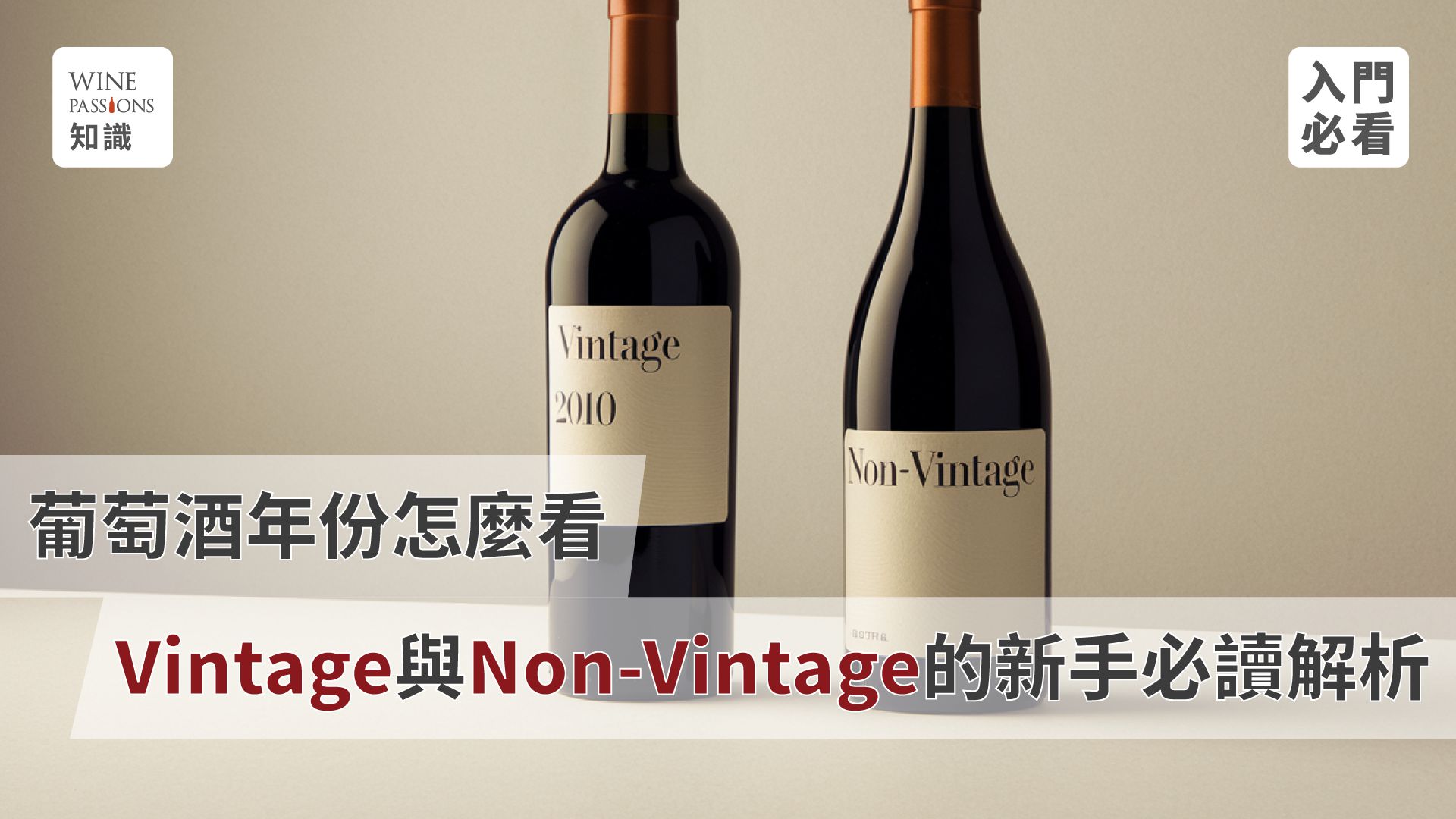
When exploring the world of wine, we often encounter the terms "Vintage" and "Non-Vintage", which are key terms for understanding the quality and characteristics of wine. In fact, they represent two types of wine: those with a vintage label (Vintage) and those without (Non-Vintage). This article will analyze the differences from a professional perspective, helping you to better understand the significance of good vintages in red wine and answer questions such as "Is older red wine better?" and how to interpret the vintage of red wine.
Vintage wine
"Vintage" means "year", and vintage wine refers to wine made from grapes harvested in a specific year. These grapes come from the same harvest season, and the climatic conditions of that year significantly affect the quality and flavor of the grapes. Typically, a vintage wine will clearly indicate the year on the label, such as "2015". This indication not only tells consumers the age of the wine but also reflects the impact of that year's climate on grape quality. As a result, certain years are referred to as "good vintages" because the climate that year was particularly favorable for grape growth, leading to exceptional wine quality.
Quality impact: Certain years produce exceptionally high-quality grapes due to favorable climatic conditions, and these years are called "good vintages". For example, regions like Bordeaux and Burgundy may experience various good vintages each year.
Famous vintages
1945 Bordeaux
This year is considered one of the most iconic years of the 20th century, particularly in the Bordeaux region. The wines from 1945 are renowned for their rich texture, complexity, and excellent aging potential, with many estates like Château Mouton Rothschild and Château Latour producing highly collectible wines.
1982 Bordeaux
Widely regarded as one of the greatest vintages of modern times, the 1982 Bordeaux wines showcased perfect climatic conditions, resulting in luxurious, elegant, and profound offerings. Renowned estates like Château Lafite Rothschild and Château Margaux produced outstanding wines that year.
1990 Burgundy
This year is seen as a benchmark for Pinot Noir and Chardonnay. The 1990 Burgundy wines are praised for their excellent concentration and balance, with offerings from estates like Domaine de la Romanée-Conti and Domaine Leroy showcasing the unique terroir of the region.
2001 Napa Valley
This year marked an important milestone for California wines, with Napa Valley's wines exhibiting robust structure and outstanding aging potential. Notable estates like Screaming Eagle and Harlan Estate produced stunning wines in this vintage.
1978 Barolo
This vintage is particularly revered in Italy's Piedmont region for its enchanting aromas and prominent structure. Wines crafted by producers such as Giacomo Conterno and Bruno Giacosa remain remarkable to this day.
The label on a vintage wine will clearly indicate the year, such as '2015'. This indication not only tells consumers the age of the wine but also reflects how the climate that year affected the quality of the grapes. Therefore, certain years are referred to as 'good vintages' because the climate in those years was particularly favorable for grape growth, resulting in exceptional wine quality.
Non-Vintage
In contrast, "Non-Vintage" wines are made from a blend of grapes from multiple years, and the bottle will not indicate a specific vintage. The main purpose is to achieve a consistent flavor and quality, suitable for everyday consumption. This blending method allows producers to maintain flavor consistency from year to year, and they typically do not indicate a specific harvest year on the label, instead using "N.V." to denote it. This type of wine is very common in Champagne and sparkling wines.
Consistency: Non-vintage wines are commonly used in Champagne and certain types of sparkling wines because this ensures that each bottle can provide a similar taste and flavor. For those who enjoy stable flavors, non-vintage wines are a good choice.
Price Consideration: Since non-vintage wines are usually produced on a large scale, their prices are often more affordable, making them suitable for everyday drinking.
Good Vintage Years for Red Wines and Aging Issues
For many consumers who are new to wine, the question "Is older red wine better?" is a common inquiry. In fact, while some red wines do become more complex with aging, not all red wines are suitable for long-term storage. Here are some key points about the aging of red wines:
Is older red wine better? Not all red wines appreciate over time. Generally speaking, only specific varieties (such as Cabernet Sauvignon, Merlot, Pinot Noir, etc.) are suitable for long-term aging under good conditions. Many commercially produced red wines are designed to be consumed shortly after release.
How to Assess Red Wine Vintage: Checking the vintage on the label can help consumers understand the potential quality and optimal drinking period of that red wine. Generally, good vintages typically offer better aging potential.
Climate Impact: Annual climate variations directly affect grape quality. For instance, a hot, dry summer typically leads to grapes with high ripeness and ample sugar, while too much rainfall can cause grapes to rot or have diluted flavors.
Understanding the difference between Vintage and Non-Vintage helps you choose the right wine according to your needs and preferences. If you wish to collect classic vintage wines, keep an eye on the vintage charts of relevant regions. For everyday drinking, opting for a consistently flavored Non-Vintage wine is also an excellent choice. Finally, remember to make good use of the tips you obtain from Wine Passions Magazine regarding how to evaluate red wine vintages, and confidently step into the world of wine to enjoy more pleasure in savoring fine wines.
Wine tasting knowledge
葡萄牙國寶波特酒(Port Wine)全解碼:甜度、分類(Ruby/Tawny)與終極品飲指南葡萄牙國寶波特酒(Port Wine)全解碼:甜度、分類(Ruby/Tawny)與終極品飲指南
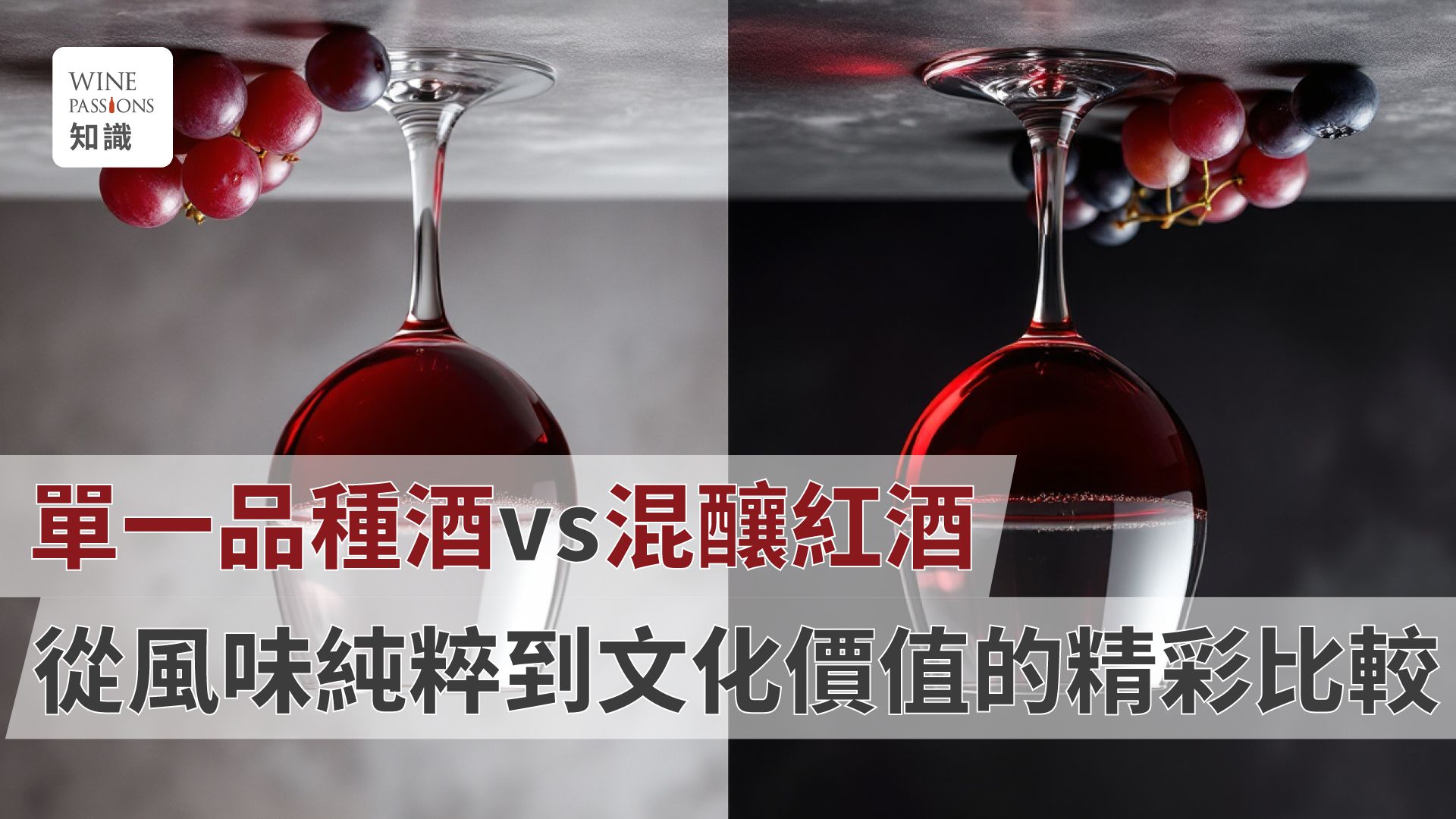
In the world of wine tasting, the diversity of red wine often leaves one in awe. Single Varietal Wine refers to wine made from a single grape variety. This type of wine typically showcases the characteristics and flavors of that variety clearly, making it a favorite among many wine enthusiasts. Compared to Blended Wine, single varietal wine better expresses the personality of a specific grape, allowing people to gain a deeper understanding of the differences between various grape varieties.
What is Single Varietal Wine:
Single Varietal Wine refers to wine made from a single grape variety, and this variety usually constitutes the majority of the wine (generally 85% or more). This winemaking method maximizes the expression of the natural flavors and character of the grape variety, allowing the drinker to deeply feel the relationship between the grape and its terroir.
Characteristics of Single Varietal Wine
Pure Flavor
Single varietal wine is usually able to fully express the unique flavors of that grape variety. Red wine made from Pinot Noir is known for its elegant red fruit aromas, while white wine made from Riesling is loved for its vibrant acidity and mineral flavors.
Easy to Identify
Because it uses a single variety, this type of wine is easier to identify in terms of its characteristics during tasting. For beginners, this is a great entry-level choice, as they do not have to consider the complexities of multiple grapes.
Winemaking Techniques
Although single varietal wine uses only one type of grape, winemaking techniques remain crucial. The winemaker needs to master fermentation, aging, and other processes precisely to ensure that the final product fully showcases the potential of that variety.
Blended Red Wine: The Art of Fusion
Blended Red Wine refers to a type of wine made by selecting multiple grape varieties to achieve a specific flavor balance and complexity. For example, the Bordeaux Blend from France is a famous style of blended red wine, typically made from a mixture of Cabernet Sauvignon, Merlot, and Cabernet Franc.
Characteristics of Blended Red Wine:
Complex Flavor
Blending is an art of winemaking that combines the strengths of different grape varieties. For instance, Cabernet Sauvignon in a Bordeaux Blend provides body structure and aging potential, while Merlot contributes smoothness and fruitiness, creating a deep and harmonious flavor when combined.
Flexibility in Winemaking
Blending allows winemakers to adjust based on the variability of grape quality from year to year, maintaining the consistency and signature characteristics of the wine.
Historical and Cultural Value
The history of Bordeaux blending is long-standing and has become a typical symbol of premium red wine. Its potential cultural connotations and market performance are fascinating.
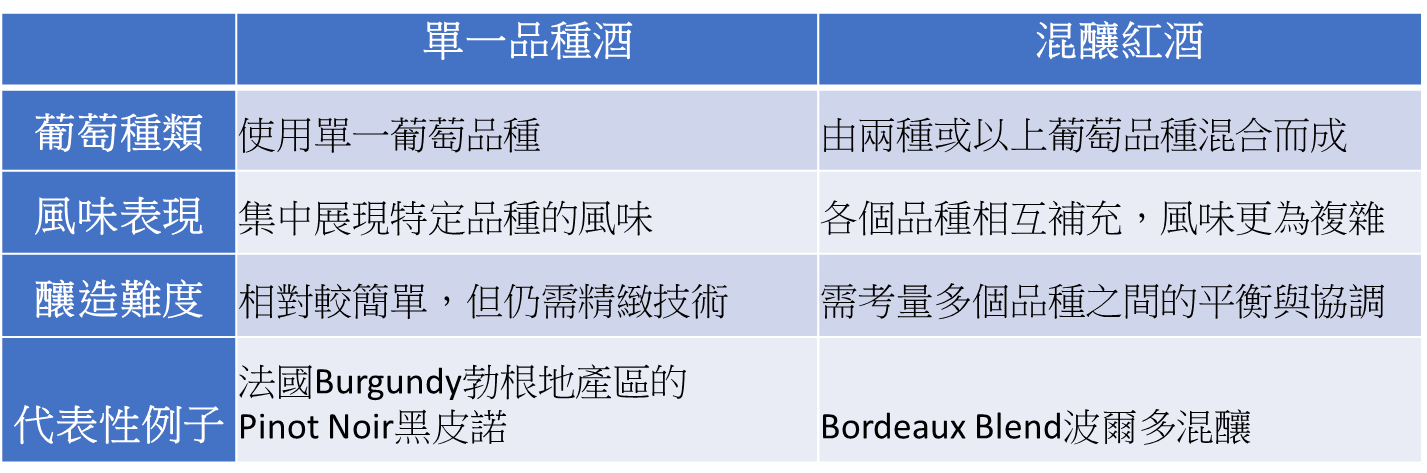
Whether you love the pure personality of single-varietal wines or the rich layers of blended red wines (especially Bordeaux blends), different types of wines broaden our understanding of flavors and culture. When selecting, you can choose based on your taste preferences and the occasion, or you can explore different grape varieties and their characteristics in Wine Passions Magazine, which can enhance your drinking experience and allow you to confidently share your insights in social settings.
Wine tasting knowledge

葡萄牙國寶波特酒(Port Wine)全解碼:甜度、分類(Ruby/Tawny)與終極品飲指南葡萄牙國寶波特酒(Port Wine)全解碼:甜度、分類(Ruby/Tawny)與終極品飲指南
In the world of grapes, wine grapes and table grapes are two main categories. Although they both belong to the same family, there are significant differences in their characteristics, uses, and cultivation methods. Understanding these differences not only helps in selecting the appropriate grapes but also enhances the understanding of the wine-making process. Today, we will explore the different characteristics of these two grape varieties and the principles of wine fermentation from the perspective of professional wine media, unveiling the fascinating stories behind wine production.
Characteristics of Wine Grapes
Wine grapes primarily refer to varieties used for making wine. These grapes usually have the following characteristics:
Smaller fruit: Wine grapes tend to have smaller berries, which helps to concentrate flavor and sugar.
Thick skin: These grapes usually have thicker skins, which provide sufficient tannins and pigments, essential for the color and taste of red wine.
High sugar content: The sugar content of wine grapes typically ranges from 22% to 30%, allowing them to convert into a higher concentration of alcohol during fermentation.
Higher acidity: This type of grape often has higher acidity, which helps balance the flavors of the wine and enhance its aging potential.
Diverse varieties: Common wine grape varieties include:
Cabernet Sauvignon
Pinot Noir
Chardonnay
Riesling
Merlot
Characteristics of Table Grapes
Table grapes are specifically cultivated for direct consumption as fresh fruit, and their characteristics include:
Larger fruit: Table grapes are generally larger berries, with a juicy texture, suitable for direct consumption or juice production.
Thin skin and few seeds: The skins of these grapes are relatively thin, and many varieties are seedless, making them convenient for consumers.
Lower sweetness: Table grapes usually have a sugar content ranging from 10% to 15%, which is lower compared to wine grapes, but they are favored for their sweeter taste.
Lower acidity: Table grapes have relatively lower acidity, making their taste smoother and more suitable for the general palate.
Common varieties:
Kyoho grapes
Concord
Thompson Seedless
Red grapes
Green grapes
The high concentration of fructose and glucose in wine grapes provides ample "fuel" for yeast to complete a thorough fermentation, producing layered alcoholic beverages.
Principles of Winemaking
During the winemaking process, yeast plays a key role, converting the sugars in grapes into alcohol and carbon dioxide. At the same time, a series of chemical reactions occur, producing a rich and complex array of aromatic compounds:
Alcohol Fermentation: Yeast converts the sugars in the juice into alcohol and carbon dioxide. This process needs to take place in an anaerobic environment to prevent interference from other microorganisms such as acetic acid bacteria during fermentation 541.
Lactic Acid Fermentation: In some cases, after preliminary fermentation, lactic acid bacteria convert the stronger-tasting malic acid into a milder lactic acid, resulting in a final product with a smoother mouthfeel.
High concentrations of fructose and glucose in wine grapes provide ample "fuel" for yeast to complete thorough fermentation, creating layered alcoholic beverages. Additionally, the acidity of wine grapes (lower pH value, which stabilizes the wine) and rich tannins (primarily from grape skins and seeds) not only help preserve the wine but also contribute to its deep and varied flavor structure.
Practical Impact of Wine Grapes vs. Table Grapes
Flavor Expression:
The small, firm flesh of wine grapes concentrates the juice, thus resulting in wine with greater depth and color intensity. In contrast, the juice from table grapes is bland and sweet, lacking suitable acidity and tannins, which typically cannot produce wines that are age-worthy and complex.
Cultural Value:
The cultivation of wine grapes is often seen as a refined art, whereas table grapes primarily serve everyday fruit needs, with nutrition and convenience as primary considerations.
In summary, there are significant differences in appearance, composition, and usage between wine grapes and table grapes. Wine grapes, with their unique characteristics, are an important source of high-quality wine, while table grapes are widely loved for their sweet taste. When choosing, understanding the different varieties and their suitable uses can enhance your dining experience. The next time you stand in front of a wine rack, we hope Wine Passions Magazine can help you more confidently pick out the grape wine you wish to try, allowing every moment of your life to be filled with the rich echoes of art and culture.