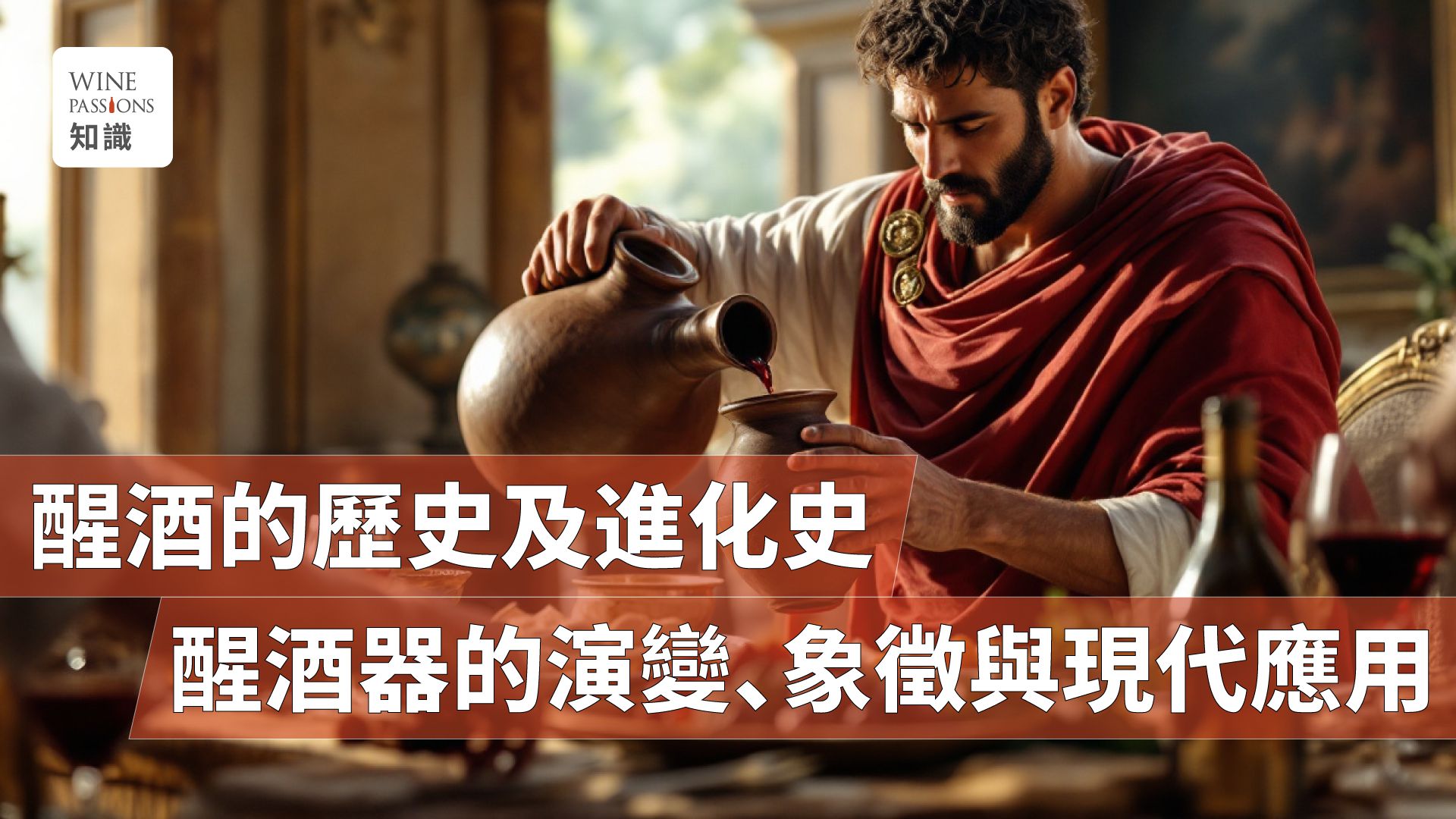
The history and evolution of decantation: the culture of decantation and the evolution, symbolism, and modern applications of decanters.
Wine tasting knowledge
甚麼是單寧(Tannin)?它如何影響口感、陳年潛力與食物配搭?全方位科學解碼
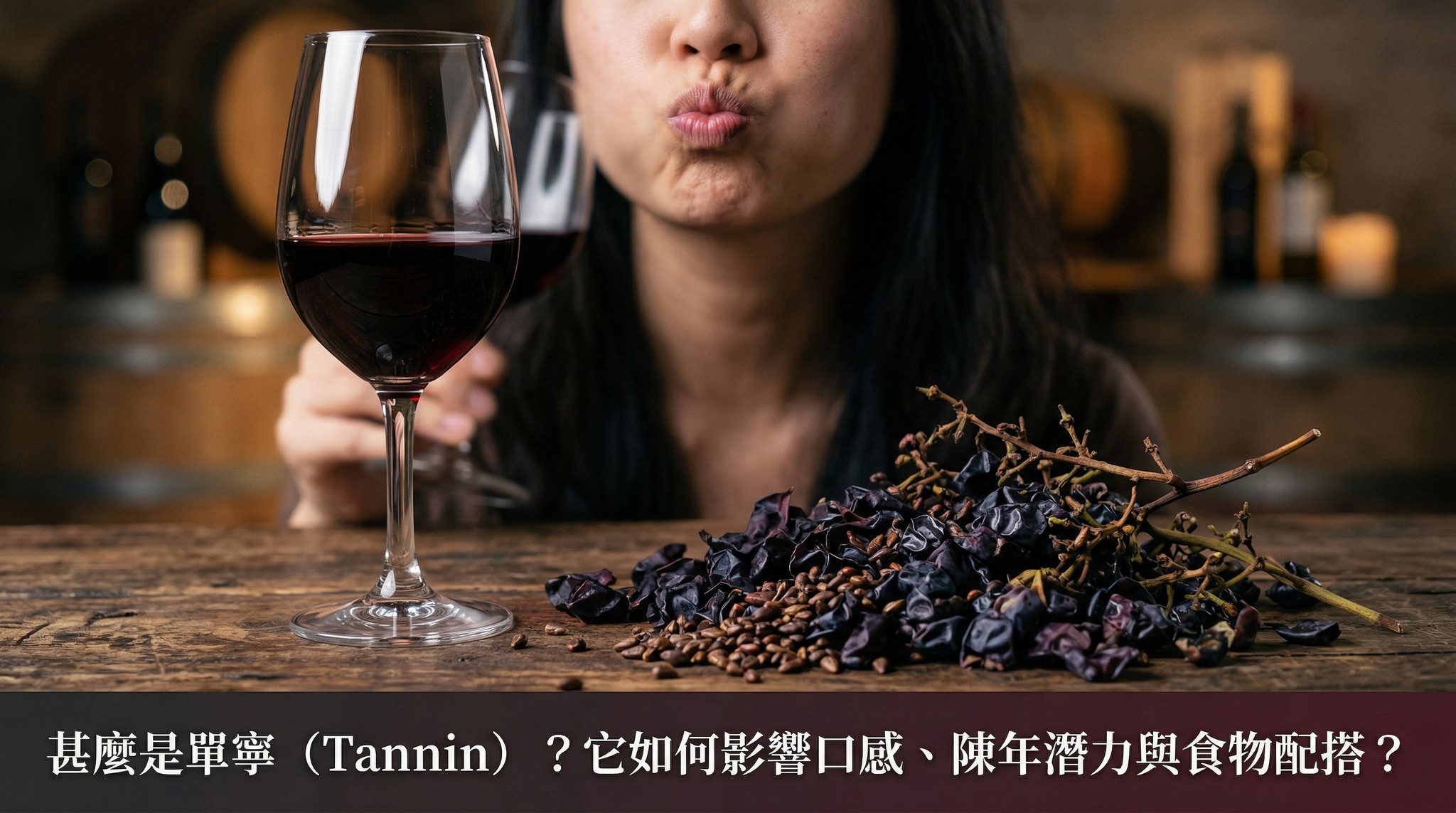
甚麼是單寧(Tannin)?它如何影響紅酒口感、陳年潛力與食物配搭?本文科學拆解單寧來源、口腔收斂感、與牛肉蛋白質結合的解膩魔法,以及陳年過程中的聚合反應。從新手到專家,徹底理解單寧如何決定一瓶紅酒的骨架與壽命!
甚麼是單寧(Tannin)?它如何影響口感、陳年潛力與食物配搭?全方位科學解碼
在品鑑葡萄酒的世界裡,有兩個字您絕對無法避開,那就是「單寧(Tannin)」。
對於剛接觸紅酒的新手來說,單寧往往是那個讓人又愛又恨的元素。當您喝下一口年輕的紅酒,口腔中瞬間襲來的那種乾澀、甚至讓嘴唇微微發抖的「紅酒澀味」,正是單寧在作祟。許多人因此對紅酒望而卻步,誤以為這是一種難以親近的飲料。然而,在資深酒饕與專業侍酒師的眼中,Wine tannins 卻是一瓶偉大紅酒的靈魂、骨架,更是決定一瓶酒能否跨越時間長河、展現非凡單寧與陳年價值的終極密碼。
作為您的 AI 專屬品酒顧問,我必須告訴您,單寧絕對不是阻礙您享受葡萄酒的敵人。只要您讀懂了它的科學原理,學會欣賞不同品種的單寧口感,您就能掌握餐酒配搭的最高心法。今天,我們將以超過兩千字的深度篇幅,為您徹底揭開單寧的神秘面紗,從它的植物學來源、口腔中的化學反應、配搭牛扒的絕妙機制,到陳年過程中的分子變化,帶您全方位領略單寧的迷人魅力!
1. 澀味來源揭秘:存在於葡萄皮、籽、梗與橡木桶中的多酚類物質
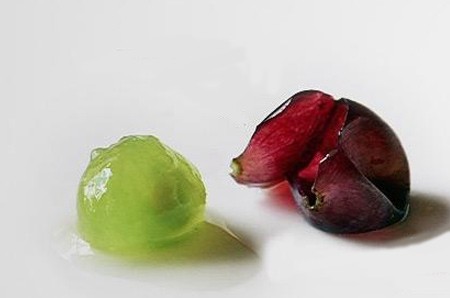
要了解單寧,我們必須先回歸大自然。在化學層面上,單寧是一組複雜的天然「多酚類物質(Polyphenols)」,廣泛存在於自然界的許多植物中,例如茶葉、黑朱古力、核桃皮,當然,還有我們的主角——葡萄。
在植物學的演化過程中,單寧其實是葡萄藤自我保護的一種「天然防禦機制」。當葡萄果實尚未成熟、種子還無法繁衍後代時,果實中會積累大量極度苦澀的單寧。這種強烈的澀味會警告鳥類與草食性動物:「我還沒熟,請不要吃我!」直到秋天果實完全成熟,單寧才會逐漸軟化。
在一瓶葡萄酒中,單寧的來源主要分為兩大類:葡萄單寧(Grape Tannins)與橡木單寧(Oak Tannins)。
葡萄單寧:皮、籽、梗的三重奏
這類單寧在化學上被稱為「縮合單寧(Condensed Tannins)」,主要來自葡萄果實的三個部位:
葡萄皮(Skins): 這是優質紅酒單寧的最主要來源。不同葡萄品種的皮厚度差異極大,直接決定了酒款的單寧潛力。例如,赤霞珠(Cabernet Sauvignon)與西拉(Syrah)天生擁有極厚的果皮,能萃取出強勁、厚實的單寧骨架;而黑皮諾(Pinot Noir)與歌海娜(Grenache)則是著名的薄皮品種,單寧相對輕柔纖細。
葡萄籽(Seeds): 葡萄籽中含有大量單寧,但這類單寧往往帶有一種刺鼻的「綠色苦味(Green bitterness)」。因此,現代頂級酒莊在壓榨葡萄時,都必須採用極度溫和的氣墊壓榨技術,小心翼翼地避免壓碎葡萄籽,以免讓這種劣質的苦澀味破壞酒液的平衡。
果梗(Stems): 傳統上,釀酒師會在發酵前將葡萄「去梗」。但近年來,許多追求複雜度的釀酒師(特別是法國布爾岡與羅納河谷的酒莊)會重新採用「帶梗發酵(Whole-bunch fermentation)」。成熟的木質化果梗能為酒液增添一種獨特的草本辛香,並提供極具張力的單寧骨架。
橡木單寧:陳年容器的風味餽贈
當釀造好的酒液被放入橡木桶中陳年時,橡木本身含有的「水解單寧(Hydrolyzable Tannins)」會緩慢地溶解到葡萄酒中。
新桶 vs 舊桶: 全新的橡木桶(特別是法國新橡木桶)含有最豐富的橡木單寧,能為葡萄酒增添紮實的結構,同時帶來雲呢拿、烤多士與雪松木的迷人香氣。隨著木桶被反覆使用(舊桶),其單寧釋放量會遞減。釀酒師必須精準計算新舊桶的比例,讓橡木單寧與葡萄單寧完美融合,而非喧賓奪主。
2. 口腔收斂感:單寧如何與唾液蛋白質結合產生「啜口」乾燥感
許多人在描述品酒感受時,常會說「這支酒喝起來有一種酸澀的味道」。從感官科學的角度來看,這句話其實有一個極大的迷思:單寧帶來的澀感,其實不是一種「味道(Taste)」,而是一種「觸覺(Tactile Sensation)」!
人類的舌頭只能嚐出酸、甜、苦、鹹、鮮五種基本味道。那麼,我們是如何感受到單寧口感的呢?這背後隱藏著一場奇妙的口腔化學反應。
唾液蛋白質的失靈與「收斂感」的誕生
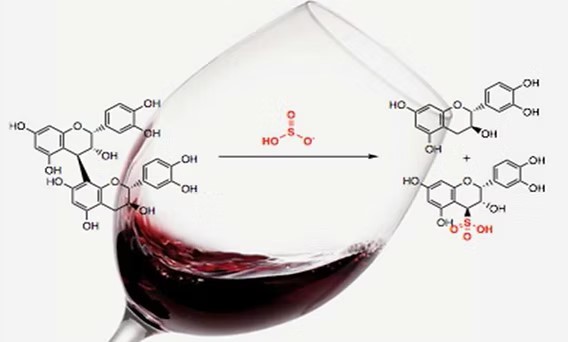
我們的口腔中充滿了唾液,而唾液之所以能讓我們說話流暢、吞嚥順滑,是因為其中含有大量的「潤滑蛋白質(Mucins / 黏蛋白)」。 當您喝下一口富含單寧的紅酒時,酒液中的單寧分子就像是一塊極度渴望蛋白質的磁鐵。它們會迅速尋找口腔中的唾液蛋白質,並與之緊密結合(Binding)。一旦結合,這些原本起潤滑作用的蛋白質就會聚集成較大的分子並沉澱下來,失去了潤滑的功能。
瞬間,您的口腔黏膜、舌頭表面與牙齦會失去保護層,產生一種物理性的摩擦感與乾燥感。這種感覺在專業品酒術語中被稱為「收斂感(Astringency)」,也就是廣東話裡常說的「好啜口」或是「嚡口」。
如何評估單寧的品質?
在專業侍酒師的盲品訓練中,單寧的「量(Quantity)」與「質(Quality)」是判斷一瓶酒等級的重要指標:
單寧的量: 用來判斷葡萄品種。如果感覺到牙齦與上顎被緊緊抓住,這通常是高單寧的赤霞珠或內比奧羅(Nebbiolo);如果只有舌面上有一層輕微的粉末感,那可能是一杯優雅的黑皮諾。
單寧的質: 這是評斷釀酒工藝與葡萄成熟度的關鍵。
未成熟/劣質單寧: 感覺像是在咀嚼未熟的青香蕉皮或生核桃皮,粗糙、刮舌,甚至帶有金屬的苦味,這被稱為「綠色單寧(Green Tannins)」。
成熟/優質單寧: 葡萄在充足陽光下達到完美的酚類物質成熟(Phenolic Ripeness)。雖然單寧依舊強勁,但觸感是圓潤的,專業酒評家常會用「猶如絲絨般滑順(Velvety)」、「細緻的粉筆灰(Chalky)」或是「融化的朱古力(Melted chocolate)」來形容這種充滿高級感的單寧質地。
3. 牛扒絕配原理:強勁單寧與紅肉脂肪蛋白質結合的梅納反應
在西方餐飲文化中,「紅酒配紅肉、白酒配白肉」是最廣為人知的鐵則。而這條鐵則的核心支柱,正是單寧。當強勁的紅酒遇上一塊完美的炭烤牛扒時,餐桌上會發生一場令人驚嘆的味覺化學魔法。
單寧的「移情別戀」與化解油脂的利刃
還記得我們在上一節提到,單寧極度渴望與蛋白質結合嗎?當您單喝紅酒時,單寧只能找您的唾液蛋白質「下手」,導致口腔乾澀。
但是,當您切下一塊富含豐厚脂肪與蛋白質的肉眼牛扒(Ribeye)放入口中咀嚼,此時口腔中佈滿了來自牛肉的動物性蛋白質與油脂。接著,您喝下一口高單寧的紅酒。此時,單寧會立刻「移情別戀」,放棄您的唾液,轉而與牛肉中的脂肪和蛋白質緊密結合,並幫助分解這些厚重的油脂。
這個化學反應帶來了兩個極致美妙的結果:
洗滌味蕾(Palate Cleanser): 單寧像一把鋒利的刮刀,清除了殘留在舌面上的厚重牛脂肪,讓您的口腔瞬間恢復清爽。
單寧的自我軟化: 因為單寧去與牛肉蛋白質結合了,您的唾液蛋白質得以保全,原本乾澀的紅酒澀味瞬間消失了!紅酒的口感會變得異常柔順、甜美,深層的黑莓與車厘子果香得以完美釋放。同時,牛肉的肉質也會在單寧的包裹下,顯得更加鮮嫩多汁。
梅納反應(Maillard Reaction)的靈魂共鳴
除了蛋白質的結合,一塊完美的牛扒通常會在幾百度的高溫烤架上進行炙烤,牛肉表面的胺基酸與還原糖會發生「梅納反應」,產生迷人的焦香、煙燻味與深邃的烤肉香氣。
如果您挑選的是一瓶經過優質橡木桶陳年、單寧結構宏大的紅酒(例如阿根廷的馬爾貝克 Malbec 或是法國波爾多的混釀),酒液中由橡木桶帶來的烤多士、黑胡椒、雪松木與煙草香氣,會與牛扒表面的焦香產生最高級別的「風味映射(Flavor Mirroring)」。兩者在口腔中相互輝映,這正是為何炭火烤肉永遠是高單寧紅酒的終極絕配。
反面教材的警示:為何單寧害怕海鮮? 了解了這個原理,您就能明白為何千萬不能用高單寧紅酒去配搭清蒸魚或海鮮。魚肉的蛋白質結構與紅肉不同,且富含魚油與微量元素(如鐵、碘)。當強烈的單寧遇上魚油,不僅無法化解油脂,還會引發災難性的化學反應,在您的口中留下一股令人作嘔的「生鏽金屬味(Metallic taste)」與強烈的腥味。這就是為何面對海鮮,我們必須請出酸度明亮、幾乎沒有單寧的白酒來救場。
4. 聚合反應:隨陳年時間單寧分子結合沉澱,酒體變得柔滑如絲
最後,我們來到葡萄酒世界中最迷人、也最昂貴的領域:單寧與陳年的關係。
為何一瓶頂級的法國波爾多列級名莊(Grand Cru Classé)或義大利的巴羅洛(Barolo),在剛出廠時往往難以入口,卻能在酒窖中沉睡二、三十年後,化身為令人感動流淚的液體黃金?這一切,都是單寧在時間長河中施展的魔法。
單寧的防腐盾牌與抗氧化超能力
單寧不僅為葡萄酒提供了結構骨架,它更是一種極其強大的天然抗氧化劑(Antioxidant)。在漫長的瓶中陳年過程中,微量的氧氣會透過軟木塞的微小孔隙滲入瓶內。如果沒有單寧的保護,酒液中的脆弱果香與酒精會迅速被氧化,變成一瓶平庸的葡萄醋。
在一瓶高質素的紅酒中,大量的單寧就像是一支堅固的防禦軍隊。它們會率先「犧牲」自己去吸收這些氧氣,從而保護了酒液中核心的芳香化合物,讓這瓶酒擁有了跨越數十年的極長壽命。
分子層級的進化:「聚合反應(Polymerization)」
隨著歲月的推移,漆黑安靜的酒瓶內會發生一種緩慢而奇妙的化學變化——「聚合反應」。
年輕時,紅酒中的單寧是短鏈的微小分子,它們非常活躍、攻擊性強,容易與口腔中的蛋白質結合,這就是為什麼新酒喝起來會強勁、乾澀。 在陳年的過程中,這些短鏈的單寧分子會開始互相結合,並與紅酒中的色素分子(花青素 Anthocyanins)手牽手,逐漸結合成越來越長、越來越複雜的聚合物長鏈。
沉澱的藝術與柔滑的極致
當這些單寧與色素的聚合物長鏈變得足夠龐大且沉重,超出了酒液能夠溶解的極限時,它們就會從酒液中析出,緩緩沉降到酒瓶的底部,形成我們常在老酒中看到的「酒渣(Sediment / Crust)」。
這個聚合與沉澱的過程,帶來了三個肉眼與味蕾都能察覺的巨大變化:
顏色的衰退: 因為色素分子與單寧一起沉澱了,老酒的顏色會從年輕時深邃的紫紅色,逐漸褪去,邊緣呈現出磚紅色(Brick Red)甚至是秋地落葉般的茶褐色(Tawny)。
質地的柔化: 因為酒液中具備攻擊性的短鏈單寧大量減少了,殘留下來的都是穩定的巨大分子,不再輕易與您的唾液蛋白質結合。因此,陳年老酒的口感會發生脫胎換骨的改變,乾澀的紅酒澀味消失殆盡,取而代之的是一種令人驚嘆的、猶如頂級絲綢或融化牛油般的極致柔滑與圓潤。
三類香氣的綻放: 單寧軟化後,不再掩蓋酒中的細節。經過時間的淬鍊,老酒會綻放出被稱為「三類香氣(Tertiary Aromas)」的極致複雜度,如黑松露、濕泥土、舊皮革、雪茄盒與乾樹葉的深邃氣息。
這就是為什麼在享用一瓶珍貴的陳年老酒時,我們必須極度小心地將其直立靜置,並進行「換瓶(Decanting)」以隔絕底部的單寧沉澱物。
結語: 單寧(Tannin),這個大自然賜予葡萄的苦澀護盾,在人類釀酒工藝的雕琢與時間的魔法下,最終化為了餐桌上最美妙的交響樂。它不僅定義了紅酒的結構與靈魂,更是餐酒配搭學中最堅實的基石。下次當您端起一杯紅酒,感受到那股收斂舌尖的微澀感時,請不要抗拒它,試著去欣賞這份來自風土與歲月的餽贈吧!
Related articles






Wine tasting knowledge

甚麼是單寧(Tannin)?它如何影響口感、陳年潛力與食物配搭?全方位科學解碼甚麼是單寧(Tannin)?它如何影響口感、陳年潛力與食物配搭?全方位科學解碼
Wine is a subtle beverage, and when it is improperly stored or contaminated, its flavor and quality may be significantly compromised. For those who wish to delve deeply into the world of wine tasting, discerning whether a red wine has gone bad is one of the fundamental skills. The following details how to judge whether red wine has spoiled from three aspects: visual, olfactory, and gustatory, as well as how to avoid these issues.
Visual Inspection: Observe color and condition
Color Changes:
Red Wine: A normal red wine should display a vibrant purple-red or garnet color. If the color becomes dull, with brown or brick-red hues, it may be a sign of oxidation or excessive aging.
White Wine: White wine tends to turn a deep yellow or brown over time, which is usually a sign of oxidation.
Clarity:
Healthy wine should be clear and bright. If it appears cloudy, has excessive sediment, or contains unusual impurities, it may indicate microbial contamination or secondary fermentation.
Sparkling Wine:
If a non-sparkling red wine has fine bubbles, it may indicate secondary fermentation in the bottle, often due to improper storage.
Cork Condition:
If the cork is protruding or loose, it may be due to the expansion of the wine from heat, allowing oxygen to enter the bottle and hastening spoilage.
Olfactory Inspection: Identify abnormal odors
Oxidized Odor:
Bad wine often emits odors resembling vinegar, caramelized apples, or nuts. This is because sugars and alcohol convert to acetic acid after excessive oxygen exposure.
Cork Taint:
Due to TCA (2,4,6-trichloroanisole) contamination in the cork, the wine may smell like wet cardboard, mold, or a damp basement.
Sulfur Odors:
If you detect odors of rotten eggs, burnt rubber, or matches, it may be caused by excessive sulfur compounds (such as hydrogen sulfide).
Other Off-Odors:
If you smell rotten fruit, wet dog hair, or unpleasant farm odors (Brettanomyces contamination), it indicates the wine has been contaminated.
Gustatory Inspection: Confirm taste abnormalities
Acidity:
Bad red wine typically has a sharp acidity, similar to vinegar, and may cause a stinging sensation in the nostrils.
Abnormal Sweetness:
If a non-sweet red wine (such as Cabernet Sauvignon) tastes overly sweet, it may be due to sugar conversion after being heated.
Flat Taste:
A wine that has lost its fruit aroma and complexity, tasting flat or even bitter, is the result of oxidation or excessive aging.
Secondary Fermentation Taste:
If a non-sparkling wine has a slight effervescence and a tart, tingling sensation, it may have undergone secondary fermentation.
Red wine is an elegant beverage, but it is also quite delicate. Learning how to determine whether red wine has gone bad not only protects your taste buds but also shows respect for wine culture.
Does Ice Wine Go Bad?
Ice wine, due to its high sugar content and relatively low alcohol concentration, requires careful storage. Even if the bottle of ice wine is unopened, if exposed to high temperatures or sunlight, its flavor may quickly dissipate or even deteriorate. It is recommended to store ice wine in a temperature-controlled environment between 8-12°C for optimal preservation.
Once opened, it should be stored sealed and refrigerated, and consumed within 3 to 7 days to avoid the sweet flavor turning sour or diminishing excessively.
Red wine is an elegant beverage, but it is also very fragile. Learning how to determine whether red wine has gone bad not only protects your palate but also shows respect for wine culture. Remember, whether to prevent red wine from deteriorating or to store an opened bottle, the key is in good storage conditions and proper handling.
For wine enthusiasts looking to learn more, following Wine Passions Magazine to systematically learn professional tasting steps and terminology can further enhance your red wine appreciation skills. When you can accurately identify the condition of red wine, each toast will be a perfect journey of taste.
Wine tasting knowledge

甚麼是單寧(Tannin)?它如何影響口感、陳年潛力與食物配搭?全方位科學解碼甚麼是單寧(Tannin)?它如何影響口感、陳年潛力與食物配搭?全方位科學解碼
Wine Tasting Techniques: 4 Steps to Transform You into a Wine Expert
1. Observation (Look)
The first step of wine tasting is to use your eyes to appreciate the color and condition of the wine. This is not just a visual pleasure; it also provides important clues about the wine’s age, region, variety, and winemaking methods.
1. Color and Clarity:
Tilt the glass at a 45-degree angle and observe the wine's color against a white background. The color of red wine changes with aging, evolving from deep purple or crimson when young to pomegranate red or brick red, eventually showing brown. White wine, on the other hand, appears pale yellow or straw-colored when young, becoming gold or amber as it ages.
By observing the depth and hue of the color, you can infer the body and richness of the wine. Generally, a deeper color indicates a fuller body. Additionally, pay attention to the wine's clarity. Clear, transparent wine signifies good winemaking practices and storage conditions, while cloudy wine may indicate flaws.
Viscosity (Wine Legs):
Gently swirl the glass, observing the "wine legs" or “wine tears” that form on the inside of the glass. This is due to the surface tension caused by the evaporation of alcohol. In a controlled environment, it has been found that the thickness and flow rate of the legs can reflect the wine's alcohol content, glycerin level, and extract content. The thicker the legs and the slower they flow, the higher the alcohol content and the fuller the body.
The Glass and Lighting:
Choosing the right glass is crucial. A standard tasting glass has a larger bowl and a slightly tapered rim, which helps concentrate the aromas. Lighting is also important; natural light is the best choice for accurately observing the wine's color and clarity. Avoid tasting wine in dim or colored lighting.
2. Smelling (Smell)
Smell is one of the most important senses in the tasting process. The aromas of wine are complex and varied, showcasing the unique charms of grape varieties, regional terroir, and winemaking processes.
Smelling Tips:
Bring the glass close to your nose and take a gentle, short sniff to grasp the overall aroma of the wine. Then, take a deep breath to fill your nasal cavity with the aroma and appreciate the different layers of scent.
Aroma Identification Techniques:
When smelling, pay attention to the fruit aromas and look for other layers of scent, such as herbal notes, spices, or earthy qualities. These layers can reveal the complexity and origin of the wine. For example, some red wines like Pinot Noir often exhibit aromas of red fruits, while deeper-colored Syrah may showcase notes of blackberry and blueberry:
Fruit Aromas: Red fruits (strawberries, raspberries, cherries), black fruits (blackberries, blackcurrants, plums), citrus fruits (lemons, grapefruits, oranges), tropical fruits (pineapples, mangoes, passion fruits), etc.
Floral Aromas: Roses, violets, jasmine, honeysuckle, etc.
Herbal/Spicy Aromas: Mint, eucalyptus, rosemary, thyme, cinnamon, cloves, black pepper, etc.
Oaky Aromas: Vanilla, toasted bread, smoke, coconut, coffee, caramel, etc. These aromas usually come from oak barrel aging.
Earthy Aromas: Flint, limestone, wet slate, chalk, mushrooms, soil, etc. These aromas reflect the soil characteristics of the vineyard.
Try to use precise vocabulary to describe the aromas you detect, such as “ripe black berry aromas” or “subtle violet floral notes,” instead of simply saying “fruit aroma” or “floral aroma.”
Tasting wine is not about being mysterious; it is a sensory exploration that allows you to gain endless pleasure from it.
3. Tasting
Tasting is the highlight of wine appreciation. Through the sensations of our taste buds, we can experience various dimensions of wine, including acidity, sweetness, tannins, body, and finish.
Tasting Techniques:
Take a small sip of the wine and gently swirl it in your mouth while inhaling a bit of air through your mouth. This can activate your sense of smell, allowing you to perceive both flavors and aromas simultaneously.
Main Characteristics:
Sweetness: From dry to sweet, feel the residual sugar content of the wine.
Acidity: Acidity gives wine a refreshing and vibrant quality and is an important part of the wine's structure.
Tannins: Tannins are common substances found in red wines that bring astringency and firmness.
Body: Body refers to the weight sensation of the wine in the mouth, ranging from light to full-bodied.
Finish: Refers to the duration and complexity of aromas and flavors in the mouth after swallowing the wine.
4. Overall Assessment and Reflection
The final step in wine tasting is not merely a sensory experience but transforming sensory experiences into rational thoughts, establishing your own wine value system.
Writing Tasting Notes:
Record your tasting experiences, including the color, aroma, flavor, mouthfeel, balance, complexity, and overall assessment of the wine. This not only helps you better remember and understand the wine but also allows you to look back on your tasting journey and observe changes in your preferences.
Establishing Your Wine Value System:
There is no absolute good or bad wine, only wine that suits your taste. Through continuous tasting and reflection, you can gradually understand your preferences and establish your own wine value system. Try exploring different regions, varieties, and styles of wine, and don’t be swayed by ratings or prices; bravely pursue your own taste preferences.
Finally, remember that the most important part of wine tasting is to enjoy it, relax, and savor it with your heart. You will find that the world of wine is truly wonderful! Cheers!
Wine tasting knowledge

甚麼是單寧(Tannin)?它如何影響口感、陳年潛力與食物配搭?全方位科學解碼甚麼是單寧(Tannin)?它如何影響口感、陳年潛力與食物配搭?全方位科學解碼
In the process of tasting, a comprehensive assessment is the final step, the last stage of wine tasting, and is not simply a matter of judging good or bad, but a profound self-exploration. Through reflection, we can understand our preferences and elevate our wine tasting experience to a higher level.
Tasting notes and scoring systems are not merely records and judgments; they are important tools that help us explore our own tastes. They guide us to think deeply, uncover hidden preferences, and ultimately establish our own wine value system.
Writing Useful Tasting Notes
Tasting notes should not be a mere checklist but should focus on personal feelings and reflections, helping you record the characteristics of each bottle of wine. Here are some tips for writing effective tasting notes:
Precise descriptions: Avoid vague terms like "good" or "smooth." Strive to use more specific descriptive vocabulary, for example, use "raspberry, cherry, and a hint of violet aroma" instead of "fruity aroma."
Record origin, varietal, vintage: This information helps in later referencing and comparisons, establishing an understanding of the styles of wines from different regions, varietals, and vintages.
Record food pairings: The pairing of wine with food is an important part of the tasting experience. Recording successful pairings helps enhance your future wine and food pairing skills.
Record your feelings: What aspects of this wine do you like or dislike? What do you think about the story behind the wine? These subjective feelings are the most valuable part of tasting notes and are key to helping you understand your own preferences.
Wine Evaluation (Robert Parker Wine Scoring System)
Robert Parker is one of the most influential critics in the wine world, and the 100-point scoring system he established has become an important reference standard for many consumers when choosing wines. Understanding this system can help us better understand wine quality and its underlying meanings.
Scoring range: Parker's scoring system starts at 50 points, with scores above 80 usually considered acceptable, and scores above 90 representing excellence. A score above 95 is considered a classic. This clear scoring range allows consumers to quickly grasp the general quality of the wine.
Typicity and style: When evaluating wines, Parker pays attention to not only the production quality but also the typicity, meaning whether the wine displays characteristics of its varietal, region, and vintage. For example, a Cabernet Sauvignon from Bordeaux should show typical black fruit aromas and a good tannin structure. If a wine fails to reflect its source characteristics, it may lack the typicity expected of high-quality wines.
Although Parker's scoring system is widely recognized, it also contains an element of subjectivity. Each critic has different taste preferences; therefore, even the same wine may receive different scores from different critics.
The scoring system is for reference only and should not be the sole standard for judgment. Your personal preferences are what matter most. Even if a wine receives a high score from Robert Parker, it does not necessarily mean you will like it.
Tasting notes and rating systems are not just records and judgments; they are important tools that help us explore our own tastes. They guide us to think deeply, uncover hidden preferences, and ultimately establish our own value system for wine.
Establish Your Wine Value System
By writing tasting notes and referring to rating systems, we can reflect more deeply on our own tasting experiences:
What styles of wine do I enjoy? Fruity? Tannic? Crisp acidity?
Which regions and varieties of wine suit my taste better?
How have my preferences changed over time?
Would I choose this wine again?
Constant reflection and exploration will ultimately help you establish your own wine value system. You will no longer blindly follow others' evaluations but will be able to confidently choose and savor the wines you truly love. This is the essence of wine tasting. Please start your wine tasting journey as soon as possible! If you want to learn more, why not explore the joy of wine tasting and more practical wine information with Wine Passion Magazine, and let fine wine accompany a wonderful life!