


【葡萄牙北部】葡萄牙杜羅河谷(Douro Valley)
World production area
[Southern Portugal] Alentejo, Portugal
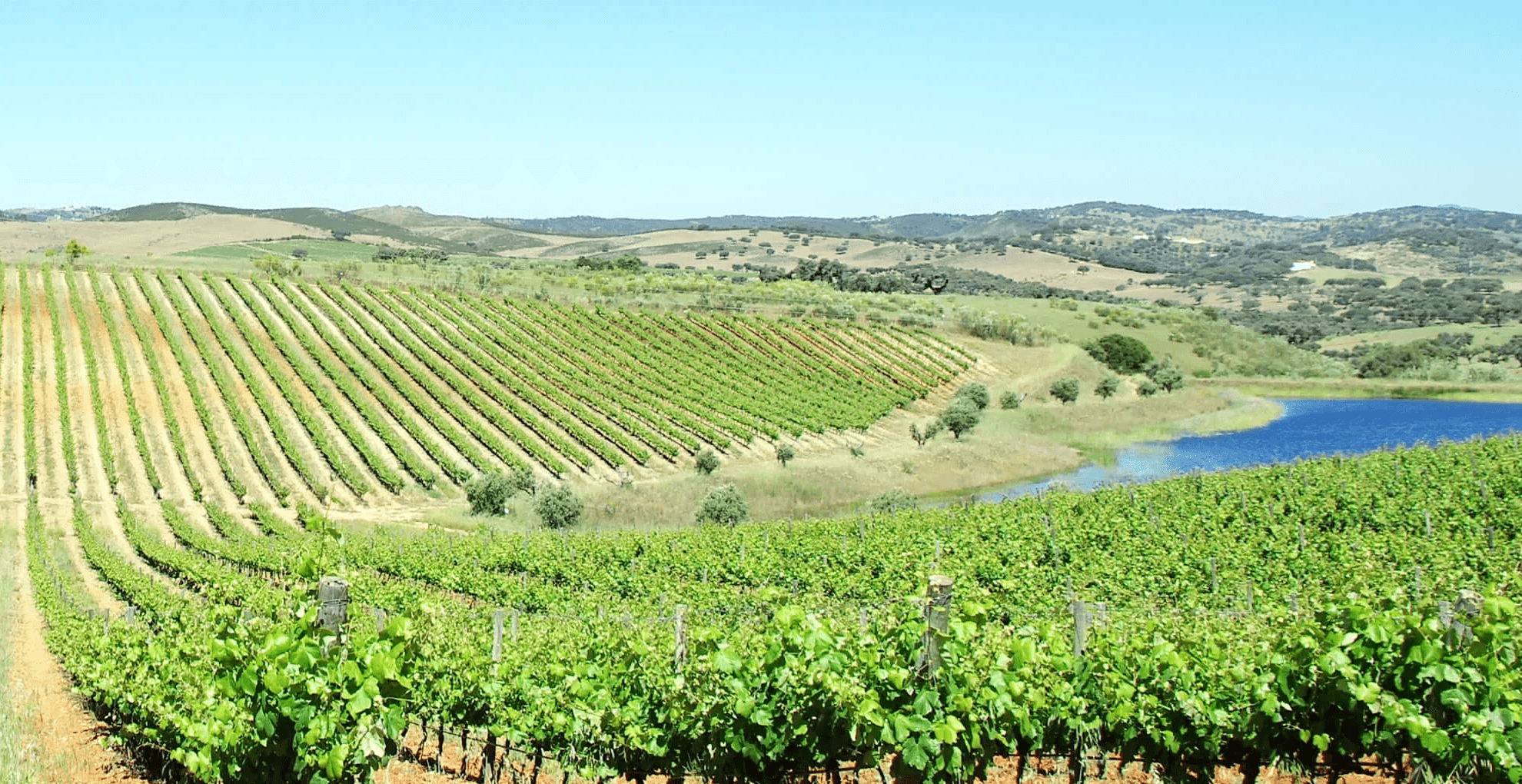
Alentejo in Portugal is one of the most renowned wine regions in Portugal. This land located in the southern part of Portugal is famous internationally for its unique Mediterranean terroir and world-class red and white wines. Alentejo is not only the largest wine region in Portugal but is also known internationally for its rich indigenous grape varieties and innovative winemaking spirit.
【Southern Portugal】Alentejo, Portugal
Main grape varieties: Antão Vaz, Aragonez, Alicante Bouschet, Trincadeira, etc.
Famous wines: Cartuxa Pêra-Manca Tinto, Herdade do Mouchão Tonel No 3-4, Wine & Esporão Private Selection Tinto, etc.
Alentejo, Portugal is one of the most remarkable wine regions on the Iberian Peninsula. This land located in southern Portugal is internationally renowned for its unique Mediterranean terroir and world-class red and white wines. Alentejo is not only the largest wine region in Portugal, but it also occupies an important position on the global wine map due to its rich indigenous grape varieties and innovative winemaking spirit. This article will delve into this terroir gem known as the "Sunshine Region of Portugal," exploring the geography, main grape varieties, and representative wines to let you appreciate Alentejo's unique charm.
Geographic Location
Alentejo is located in southern Portugal and is the largest wine region in the country, divided into eight PDO sub-regions, including Borba, Évora, Redondo, Reguengos, Portalegre, Vidigueira, Granja-Amareleja, and Moura. The region is characterized by flat terrain with a corresponding lack of topographical obstacles that prevent marine moisture from condensing, thus reducing the Atlantic's influence on Alentejo.
Environmental Characteristics
Climate: Alentejo enjoys temperate Mediterranean and continental climate characteristics, with hot and dry springs and summers. Rainfall occurs mainly in the winter months, with an average annual rainfall of 550-650 mm, but exceptions exist for the Borba region (750-850 mm) and the Portalegre region (900-1,000 mm). The average annual temperature is 15.5-16°C, with very high annual sunshine hours (around 3,000 hours), especially in the months leading up to harvest, which aids in the perfect ripening of grapes and the quality of the wine. These climatic conditions are very beneficial for the synthesis and accumulation of sugars, as well as the concentration of pigments in the grape skins.
Soil: The soils of Alentejo play an important role in imparting unique characteristics, quality, and intrinsic features to the wines. In the grape-growing areas of Alentejo, the primary soil type is derived from granite, with patches of schist and quartz diorite erosion products. The Borba region is characterized by soils that are either directly or indirectly derived from crystalline limestone. Overall, the fertility of these soils ranges from medium to low but has very good natural drainage properties, making them particularly suitable for the cultivation of woody plants.
Production Data: According to the latest statistics, Alentejo boasts a vineyard area of 23,300 hectares, with 30% of the production dedicated to exports, primarily to Brazil, Switzerland, the United States, the United Kingdom, and Poland. This region is a national leader in certified wines in Portugal, accounting for a significant portion of the total sales value among the 14 wine regions of Portugal. The production composition is approximately 73% red wine, 25% white wine, and 2% rosé wine.
Main Grape Varieties:
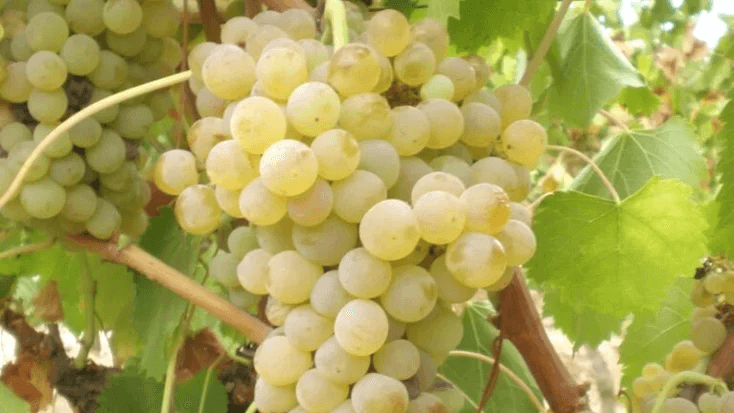
Antão Vaz
Description: Antão Vaz is the most important white grape variety in Alentejo, originally from the Vidigueira sub-region in southern Alentejo, thriving in schist soils and a mild climate. This variety is perfectly adapted to Alentejo's hot and sunny climate and is one of the most widely planted grape varieties in the region. Antão Vaz is an extremely late-ripening variety that may maintain some acidity in the grapevines but is renowned for its body.
Tasting Notes: The characteristic aromas of Antão Vaz depend on its ripeness. When harvested earlier, it produces lively wines with solid acidity; if harvested slightly later, it exhibits rich aromas with hints of ripe tropical fruits, orange peel, and mineral notes. On the nose, it presents a true olfactory explosion, showcasing a rich and diverse bouquet, ranging from citrus and tropical notes to floral details. In the mouth, its wines reflect fullness, with excellent aging potential.
Aragonez
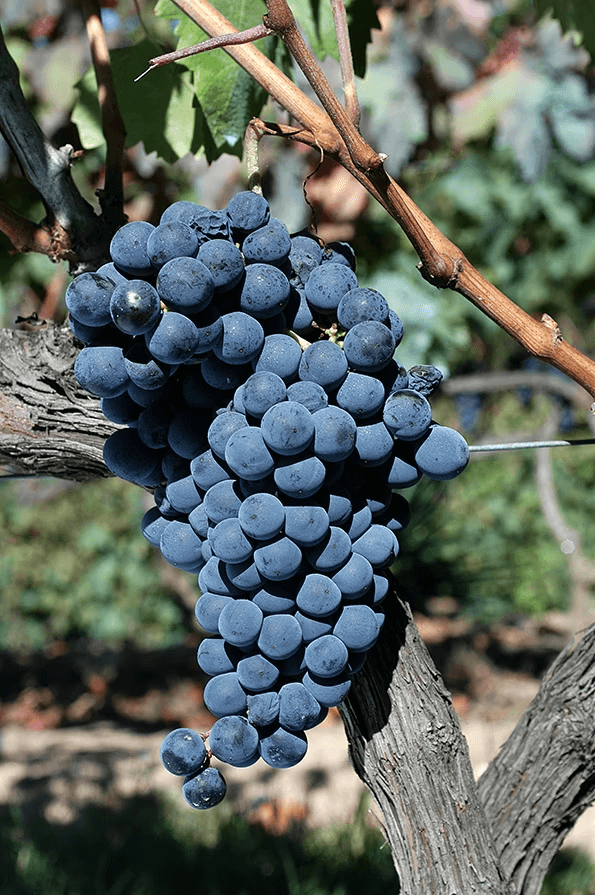
Description: Known as Tempranillo in Spain, Aragonez is one of the most important red grape varieties in Alentejo. Alentejo was the first wine region in Portugal to cultivate Aragonez, with mentions of this variety found in documents as early as 1515. This variety buds late, thus avoiding potential spring frosts, and matures early, avoiding the risks associated with rainy and humid fall weather.
Tasting Notes: Aragonez wines typically feature low acidity, medium to high tannins, and high alcohol content, with pronounced aromas of cherry, strawberry, raspberry, blackberry, plum, fig, leather, tobacco, wildflowers, black pepper, and vanilla. The Aragonez from Casa Relvas presents a rich ruby color, with a complex bouquet of red fruits, floral notes, and a touch of spices, providing a full-bodied palate with excellent structure and balance.
Alicante Bouschet
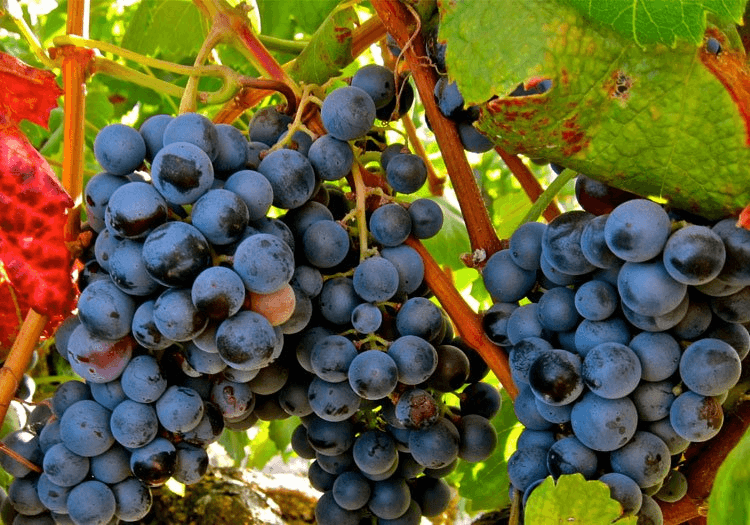
Description: Alicante Bouschet is the iconic variety of Alentejo, introduced to Portugal by the British Reynolds family in the 1880s. This variety is a hybrid of Petit Bouschet and Grenache, known for its high yields and ease of propagation, making it a popular choice in some regions affected by phylloxera. Today, Alicante Bouschet is widely planted in Alentejo, forming the backbone of the region's red wines and becoming its hallmark grape.
Tasting Notes: Alicante Bouschet can produce deeply colored, fruit-forward, tannin-rich wines that can age for years. Special selections of Alicante Bouschet showcase an opaque violet hue with aromas of ripe fruits and spices, offering a broad, dense, and smooth palate with mature tannins and a long finish, demonstrating its full aging potential.
Trincadeira
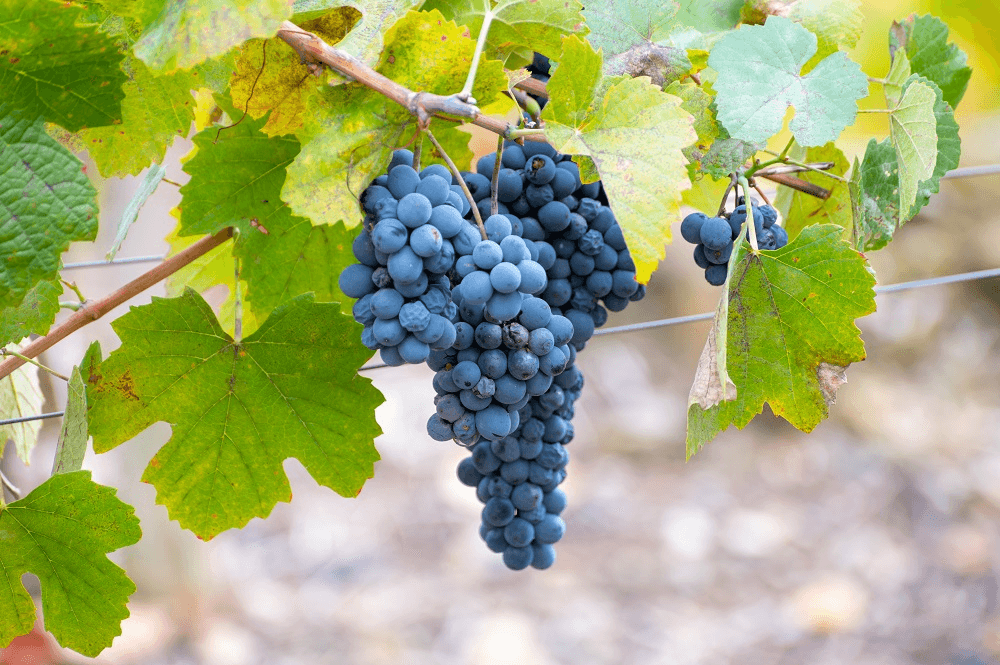
Description: Trincadeira is one of the most common red grape varieties in Alentejo and is a mandatory variety for PDO wines from the region, needing to constitute at least 75% of the final blend. This variety performs excellently under Alentejo's diverse terroir conditions and is an important component in the region's traditional blends.
Tasting Notes: Trincadeira adds fruitiness, structure, and body to Alentejo blends, often co-fermented with other indigenous varieties such as Aragonez and Alicante Bouschet, creating complex red wines that reflect the region's characteristics.
Alentejo, the largest wine region in Portugal, located in the south of the country, has 23,300 hectares of vineyards and eight PDO sub-regions. It enjoys a Mediterranean climate with 3,000 hours of sunshine a year, nurturing a rich variety of indigenous grape varieties such as Antão Vaz, Aragonez, and Alicante Bouschet. From the marble soils of Borba to the Mediterranean clay of Évora, whether it’s the legendary wines of Cartuxa or the modern style of Esporão, Alentejo, with its sunny terroir and spirit of innovation, has become an essential region to explore Portuguese wine culture.
Famous Wines
Cartuxa Pêra-Manca Tinto
Primary Grape Varieties: Aragonez, Trincadeira, Alicante Bouschet
Flavor Profile: This flagship red wine from Évora exhibits a deep ruby color, with complex aromas of ripe black fruit, spices, tobacco, and minerals. It has a full body, well-structured tannins, bright acidity, and a long finish, showcasing the elegance typical of top Alentejo red wines.
Winemaking Process: The grapes come from Taylor's Quinta de Vargellas estate located in Douro Superior, where they are crushed in large stone vessels (lagares). Neutral grape spirits are added during fermentation to stop the process, followed by aging in oak barrels.
Historical Background: Taylor's is one of the oldest and most respected port wine houses, and Quinta de Vargellas is its flagship estate, located in the driest eastern part of the Douro Superior region. This vintage port represents the pinnacle of the port wine tradition in the Douro Valley, embodying centuries of winemaking craftsmanship.
Herdade do Mouchão Tonel No 3-4
Primary Grape Variety: Alicante Bouschet
Flavor Profile:This iconic single varietal Alicante Bouschet displays profound color and intense fruitiness, with hints of chocolate, vanilla, and smoked flavors derived from the grapes themselves rather than wood. The wine has soft, elegant tannins and a touch of spice, revealing exceptional complexity after aging.
Winemaking Process: Pressed using a traditional basket press from 1901, the wine ages in large 5000-liter old oak barrels and smaller 225-300 liter barrels. Green harvesting and low yields are practiced to ensure concentrated fruit flavors.
Historical Background: Herdade do Mouchão is a legendary Alentejo estate founded by the British Reynolds family in the 19th century, credited with introducing Alicante Bouschet to Portugal. The estate lies at an altitude of 200-400 meters, with diurnal temperature differences aiding the perfect ripening of the grapes.
Esporão Private Selection Tinto
Primary Grape Varieties: Aragonez, Trincadeira, Alicante Bouschet
Flavor Profile: This blended red wine exhibits a deep hue with balanced aromas of ripe black fruit, spices, and oak. It has a rich mouthfeel and good structure, showcasing the classic style of Alentejo blends.
Winemaking Process: Crafted from a blend of 40 different grape varieties in a modern winery built in 1987, integrating traditional techniques with modern innovations.
Historical Background: The history of grape growing at Esporão dates back to the 13th century, with the first vintage launched in 1985 under the leadership of José Roquette and Joaquim Bandeira. The addition of Australian winemaker David Baverstock in 1992 further established its winemaking style, described as "a classic wine with modern character, made from traditional varieties in what we consider a unique place to grow grapes."
Related articles