Feature report

Red meat goes with red wine, white meat goes with white wine. What food goes with white wine? What wine goes with seafood? What wine goes with steamed seafood? Appetizers that go well with red wine. What food pairs with red wine? What wine goes with roasted duck? What wine goes with lobster?

Pair with red meat

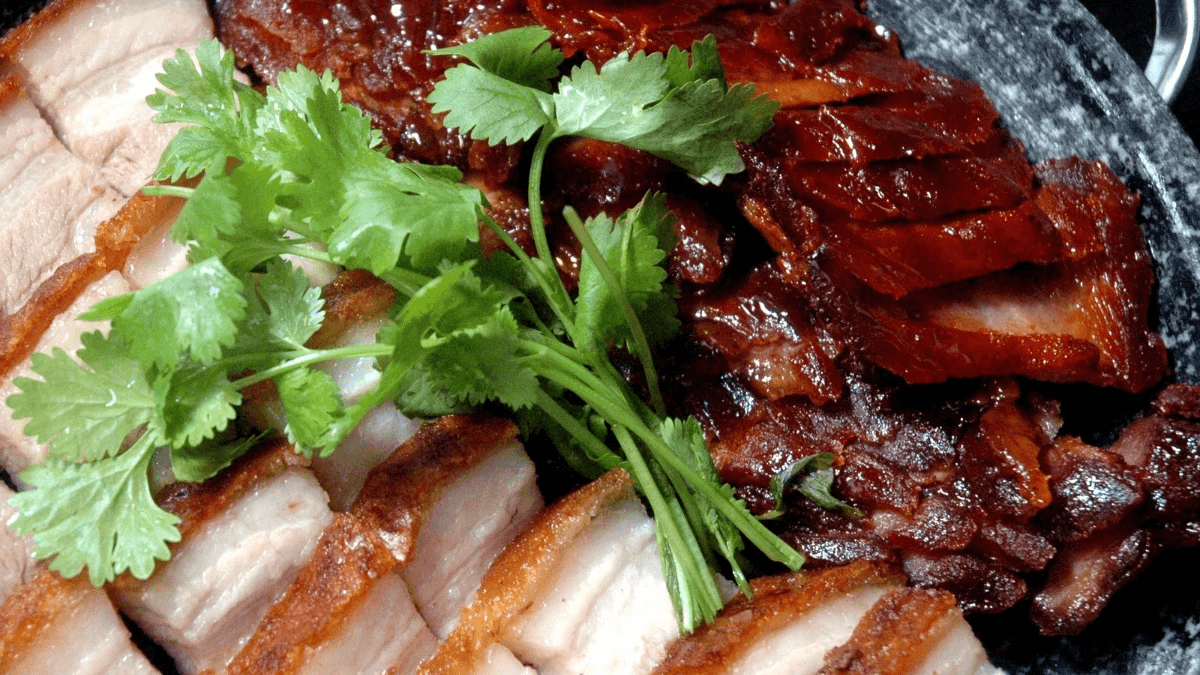
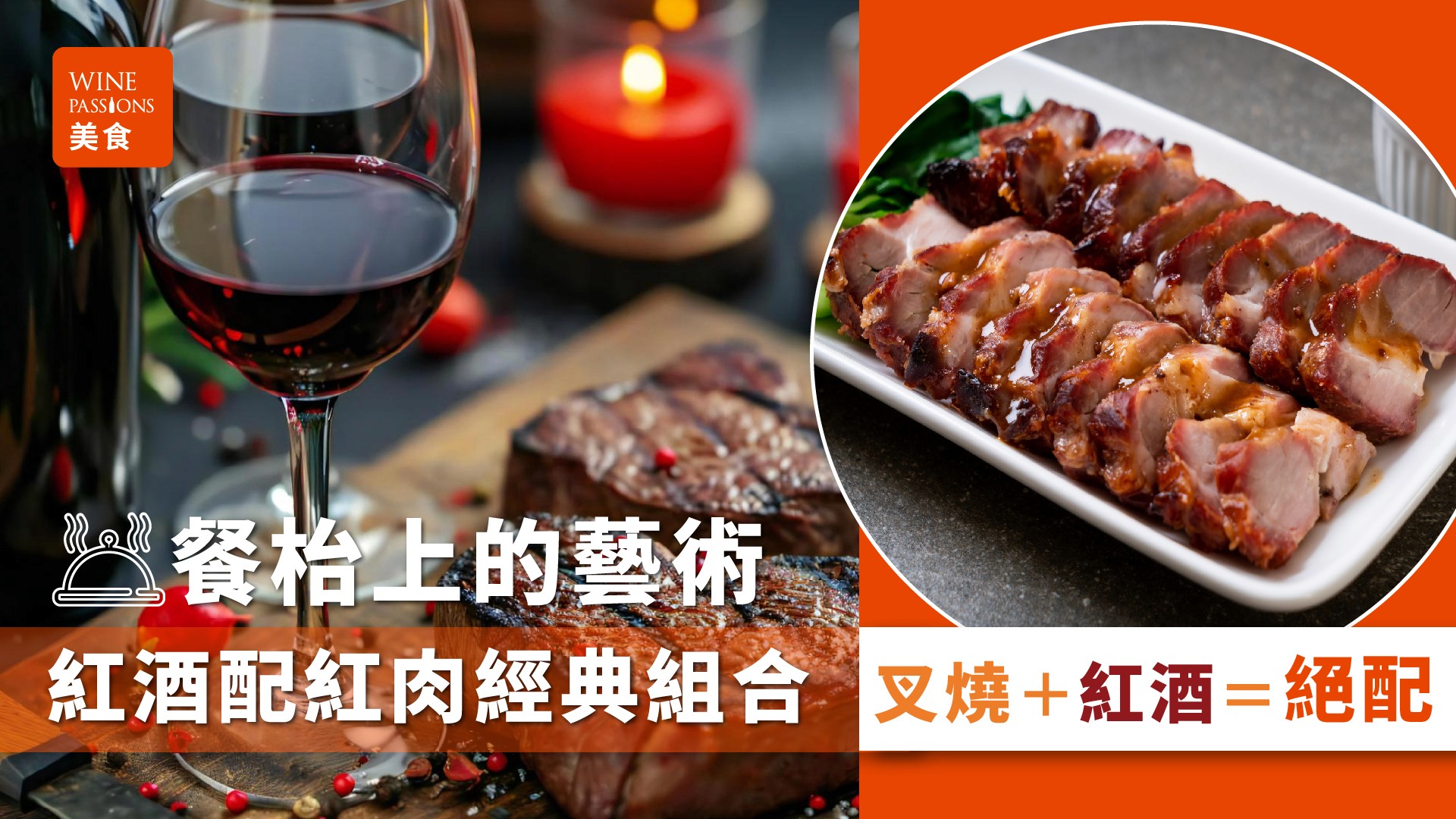
[Wine Tasting Tips] The art on the dining table, the perfect red meat pairing of red wine with char siu and steak.

[Wine Tasting Tips] The art on the dining table, the perfect red meat pairing of red wine with char siu and steak.

[Wine Tasting Tips] The art on the dining table, the perfect red meat pairing of red wine with char siu and steak.

wine vintage best wine years vintage wines non-vintage wines wine year label wine aging potential Bordeaux vintage wine vintage wine中文 葡萄酒 vintage wines 葡萄酒年份 紅酒好年份 Vintage葡萄酒 Non-Vintage葡萄酒 紅酒年份標籤 紅酒陳放潛力 紅酒選擇技巧 波爾多好年份紅酒 紅酒年份評分表 波爾多紅酒年份表 紅酒年份表2024 紅酒年份價格 葡萄酒年份表 紅酒年份表2022 紅酒年份表2023 紅酒年份越久越好嗎 紅酒年份怎麼看

Pair with red meat

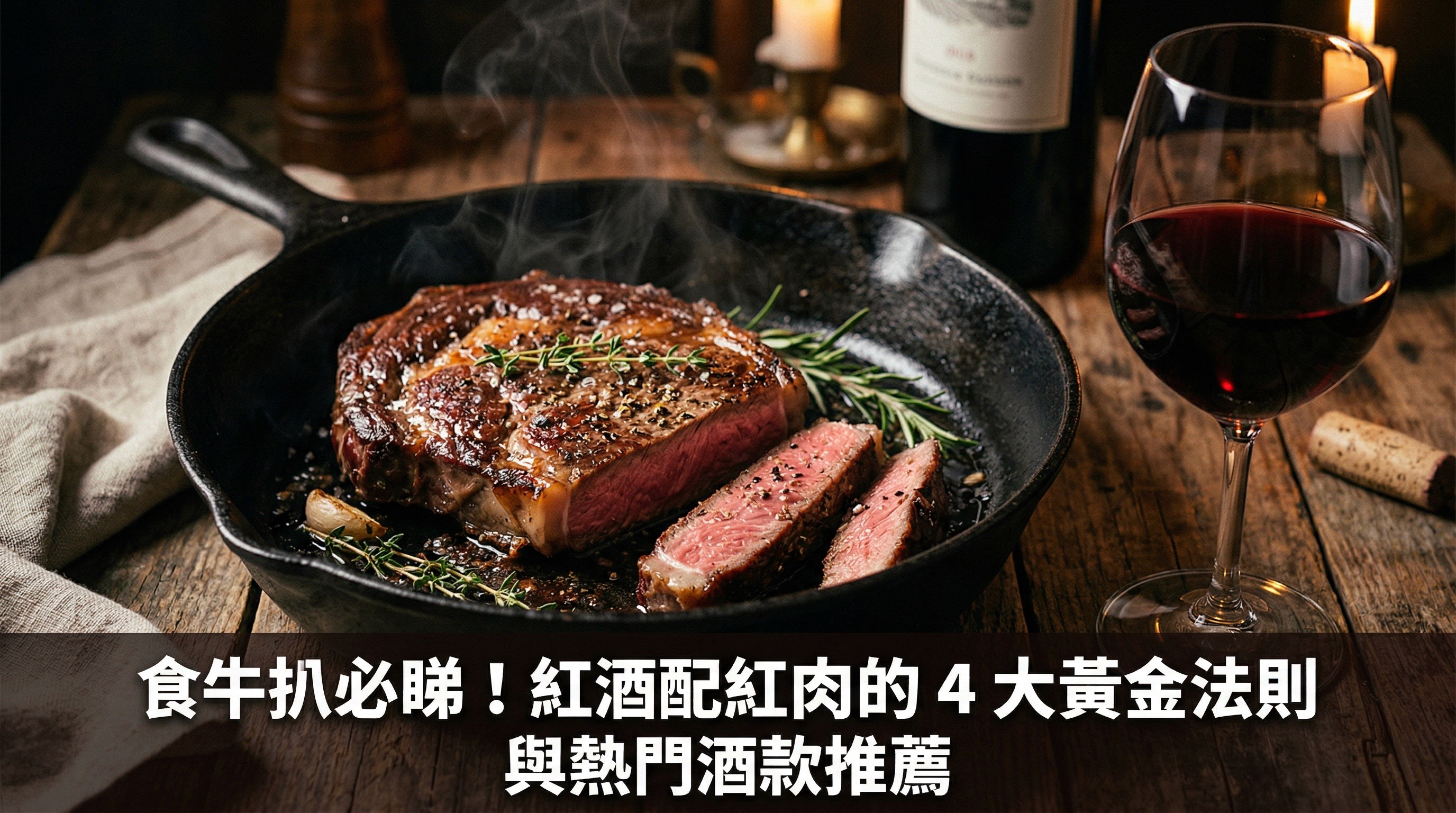
【紅肉】食牛扒必睇!紅酒配紅肉的 4 大黃金法則與熱門酒款推薦

【紅肉】食牛扒必睇!紅酒配紅肉的 4 大黃金法則與熱門酒款推薦

【紅肉】食牛扒必睇!紅酒配紅肉的 4 大黃金法則與熱門酒款推薦

grape varieties differences wine grape features table grape attributes grape varieties English names wine fermentation process wine grapes vs table grapes cultural value of grape varieties impact of grapes on winemaking 麝香 葡萄 巨峰葡萄 釀酒葡萄vs食用葡萄 釀酒酵母 比例 葡萄酒 做法 葡萄樹 品種 法國葡萄品種 酒發酵 原理 葡萄品種有哪些 釀酒葡萄特色 食用葡萄特徵 葡萄品種英文 白酒葡萄品種 小葡萄品種 白葡萄酒品種 常見葡萄酒品種 如何選擇釀酒葡萄

Pair with red meat

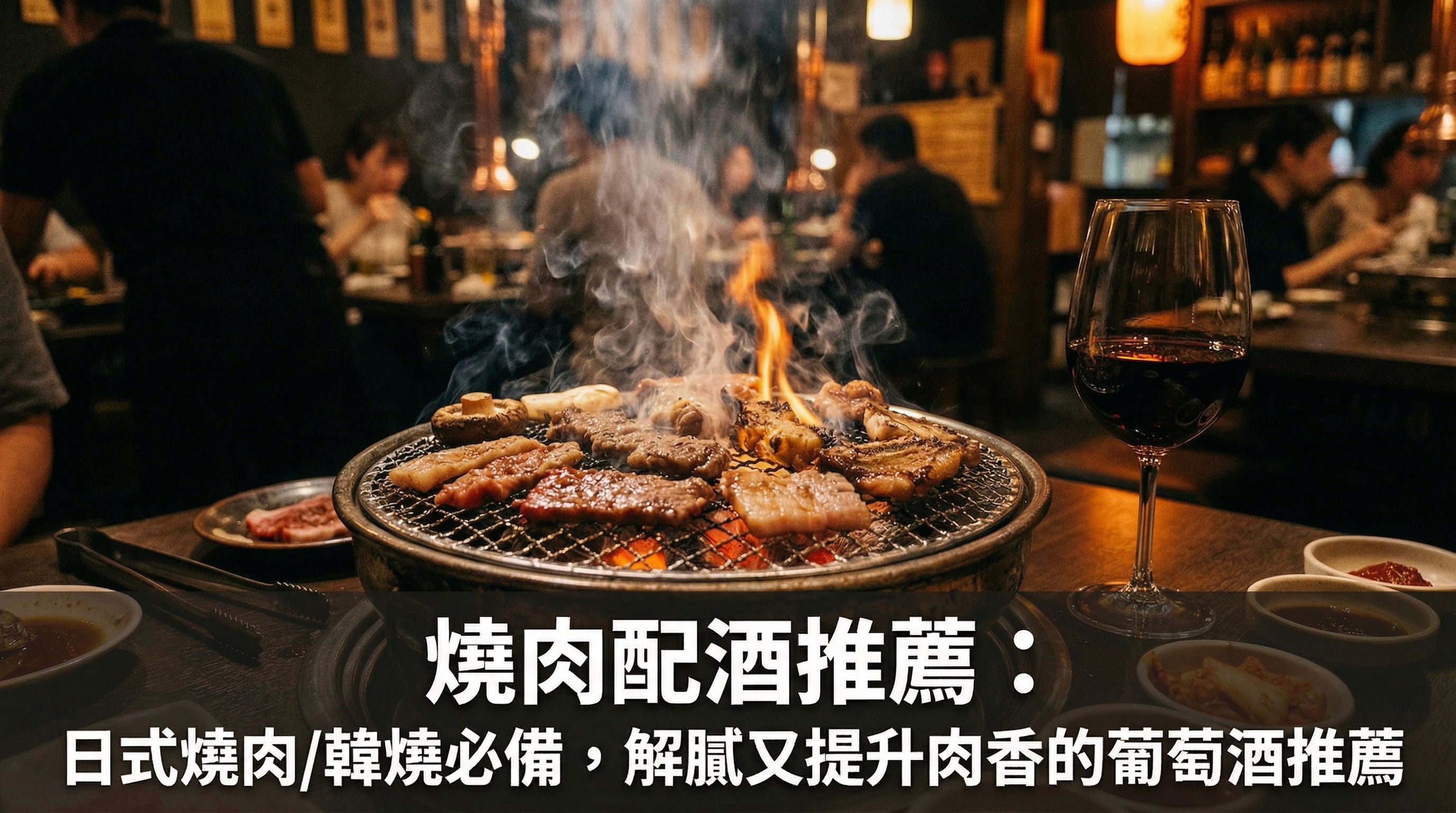
【紅肉】燒肉配酒推薦:日式燒肉/韓燒必備,解膩又提升肉香的葡萄酒推薦

燒肉配酒推薦:日式燒肉/韓燒必備,解膩又提升肉香的葡萄酒推薦

在香港,無論是慶祝節日還是週末朋友聚會,圍爐燒烤絕對是最受歡迎的餐飲選擇之一。當頂級牛肉在攝氏數百度的高溫炭火上發出誘人的「滋滋」聲,油脂滴落引發的迷人焦香,總能瞬間喚醒所有人的食慾。傳統上,大眾習慣以冰凍啤酒或清酒來佐餐,但在追求極致味蕾享受的今天,專業的 BBQ wine pairing(燒烤餐酒配搭)正悄悄掀起一場餐桌革命。

到底該如何挑選一款完美的 燒肉配酒?這不僅僅是「紅肉配紅酒」那麼簡單。因為和牛的豐滿油脂與韓式辣醬的濃烈刺激,對葡萄酒的酸度、單寧與果香提出了極高的挑戰。作為 Wine Passions Magazine 的專業編輯,本文將為您帶來 2026 年最具顛覆性的 燒肉配酒 指南。我們將深度拆解 日式燒肉配酒韓燒配酒 的味覺密碼,為您精選能完美駕馭炭火、尋找最佳的 解膩紅酒,讓您的下一頓燒肉大餐昇華至米芝蓮級別的奢華享受。

一、 和牛油脂剋星:高酸高單寧 Barolo 切斷油膩感

Barolo

在探討 日式燒肉配酒 時,我們首先要面對的終極 Boss 就是「和牛」。無論是 A4 還是 A5 級別的日本和牛,其標誌性特徵就是那猶如大理石般密集的雪花脂肪(霜降)。這些油脂在烤網上稍微加熱便會融化,帶來入口即化的極致口感。然而,如果您連續吃上幾片,那龐大的乳脂肪便會厚厚地包裹住整個口腔,迅速引發味覺疲勞與油膩感。

面對這種極致的豐腴,我們必須尋找一款具備「強大破壞力」的 解膩紅酒。這時,被譽為「意大利紅酒之王」的巴羅洛(Barolo)便是最完美的 燒肉配酒 選擇。

Barolo 是由內比奧羅(Nebbiolo)葡萄釀造而成,這款葡萄天生擁有極高的酸度與極其狂暴、緊實的單寧。在進行 日式燒肉配酒 的實戰中,Barolo 中高亢的酸度能猶如一把鋒利的手術刀,瞬間切斷和牛脂肪在口腔中留下的肥膩感;而強勁的單寧則會與牛肉中豐富的蛋白質結合,將原本生澀的酒體化為絲絨般的滑順。同時,Barolo 經過長時間陳年後所散發出的焦油、皮革與松露香氣,能與和牛的脂香產生深度的靈魂共鳴。這正是高端 BBQ wine pairing 中「以剛克柔、以酸解膩」的最高境界。

二、 炭火煙燻共鳴:尋找南非 Pinotage 的咖啡烤肉氣息

一場完美的燒肉盛宴,除了肉質本身的鮮美,「炭火」賦予的獨特煙燻香氣同樣是不可或缺的靈魂。無論是講究原汁原味的 日式燒肉配酒(如厚切牛橫膈膜 Harami),還是大口吃肉的 韓燒配酒(如未經醃製的厚切豬五花肉),肉汁滴在備長炭上所揚起的白煙,為肉類披上了一層迷人的炭烤外衣。

為了捕捉並放大這種獨特的煙燻感,我們在進行 BBQ wine pairing 時,可以巧妙地運用「風味映射(Flavor Mirroring)」的原則,尋找一款自帶烘烤氣息的葡萄酒。此時,南非的國寶級葡萄品種——皮諾塔吉(Pinotage),絕對是您必須認識的 燒肉配酒 隱藏版神器。

Pinotage 是黑皮諾與神索的混種,在南非獨特的風土與現代釀酒工藝的雕琢下,優質的 Pinotage 往往會展現出令人驚豔的重度烘烤咖啡豆、黑朱古力、煙肉甚至炭火烤肉的香氣。當您吃下一口沾有海鹽的炭烤豬五花,再喝下一口 Pinotage,酒液中的咖啡煙燻味會與肉塊表面的焦香無縫對接,將炭火的魅力在口腔中無限放大。它不僅是一款極具個性的 解膩紅酒,更是將燒肉的野性昇華至藝術層次的絕佳媒介。

三、 韓式辣醬對抗:仙粉黛或卡門妮雅的甜辣硬碰硬

如果說日式燒肉的精髓在於品嚐油脂的原味,那麼韓式燒肉的靈魂則在於那千變萬化的濃郁醬汁。在進行 韓燒配酒 時,我們必須直面一個在餐酒配搭上極為棘手的難題:大蒜、麻油、水梨汁,以及最致命的「韓式辣醬(Gochujang)」。

辣醬中的辣椒素與高鹽、高糖分,是傳統高單寧紅酒(如波爾多赤霞珠)的死穴。強烈的單寧遇到辛辣與甜味,會瞬間激發出令人作嘔的金屬苦澀味,徹底毀掉一瓶好酒。因此,在 韓燒配酒 的世界裡,我們需要一款果香極度奔放、帶有些微殘糖且酒精度偏高的 解膩紅酒 來進行「硬碰硬」的對抗。

  • 美國仙粉黛(Zinfandel): 這是應對韓式甜辣醬的終極武器。生長在加州陽光下的仙粉黛,擁有極度濃郁的黑莓果醬、無花果與黑胡椒香氣。其豐沛的果甜味能猶如滅火器般,完美中和辣醬帶來的灼熱感;而高達 14.5% 以上的酒精度,則能輕鬆駕馭大蒜與麻油的重口味。

  • 智利卡門妮雅(Carménère): 如果您點了大量的醃製牛仔骨(Galbi),卡門妮雅則是另一款不敗的 燒肉配酒。它不僅擁有柔順不刺口的單寧,其標誌性的青椒與草本香氣,能與韓式生菜包肉中的紫蘇葉、生蒜片產生絕妙的化學反應,是南美洲風情與亞洲重口味碰撞出的 BBQ wine pairing 奇蹟。

四、 中場解膩策略:濃味燒肉間穿插干型氣泡酒重置味覺

在一場長達兩個小時的燒烤聚會中,無論您準備了多麼頂級的和牛,或是多麼百搭的 解膩紅酒,當舌頭持續承受著高溫、油脂與濃重醬汁的轟炸後,難免會出現「味覺疲勞」。這時,您會發現無論吃什麼肉,味道似乎都變得千篇一律。

這時,專業侍酒師在處理高端 BBQ wine pairing 時,會引入一個極具策略性的「中場休息」技巧:在濃味的 日式燒肉配酒 或重口味的 韓燒配酒 之間,穿插一杯冰鎮的干型(Brut)氣泡酒。

無論是法國香檳、意大利的 Franciacorta,還是西班牙的 Cava,這些採用傳統瓶中二次發酵法釀造的氣泡酒,都擁有極致清脆的高酸度與綿密的氣泡。當冰涼的氣泡酒滑過舌面,那些細緻的二氧化碳氣泡會產生一種物理性的「微型刷洗」作用,將緊緊依附在味蕾上的動物油脂與濃重醬汁徹底刮除。這不僅是最強效的 解膩紅酒 替代方案,更像是為您的口腔按下了一個「重置鍵」。一杯氣泡酒下肚,味蕾瞬間恢復敏銳,讓您能夠以全新的狀態,繼續迎接下半場的燒肉挑戰。

結語:在炭火中尋找味覺的極致平衡

總結而言,完美的 燒肉配酒 絕非一成不變的公式,而是一場針對脂肪、煙燻與醬汁的精準味覺博弈。從利用 Barolo 高亢酸度斬斷和牛油脂的 日式燒肉配酒 哲學,到運用 Pinotage 呼應炭火焦香的進階技巧;從挑選果香奔放的仙粉黛來降伏甜辣醬的 韓燒配酒 策略,再到運用氣泡酒重置味覺的中場智慧,每一招都展現了 BBQ wine pairing 的深厚底蘊。

下次在肉香四溢的烤爐前,不妨放下手中的啤酒,大膽地開一瓶我們為您推薦的 解膩紅酒。讓葡萄的果香與炭火的煙燻在唇齒間交織,親身體驗這場將燒烤文化昇華至藝術境界的味蕾盛宴吧!

您平時在享受日式或韓式燒肉時,最喜歡搭配哪種類型的飲品?有沒有遇過特別驚艷或完全「炒車」的餐酒搭配經驗呢?

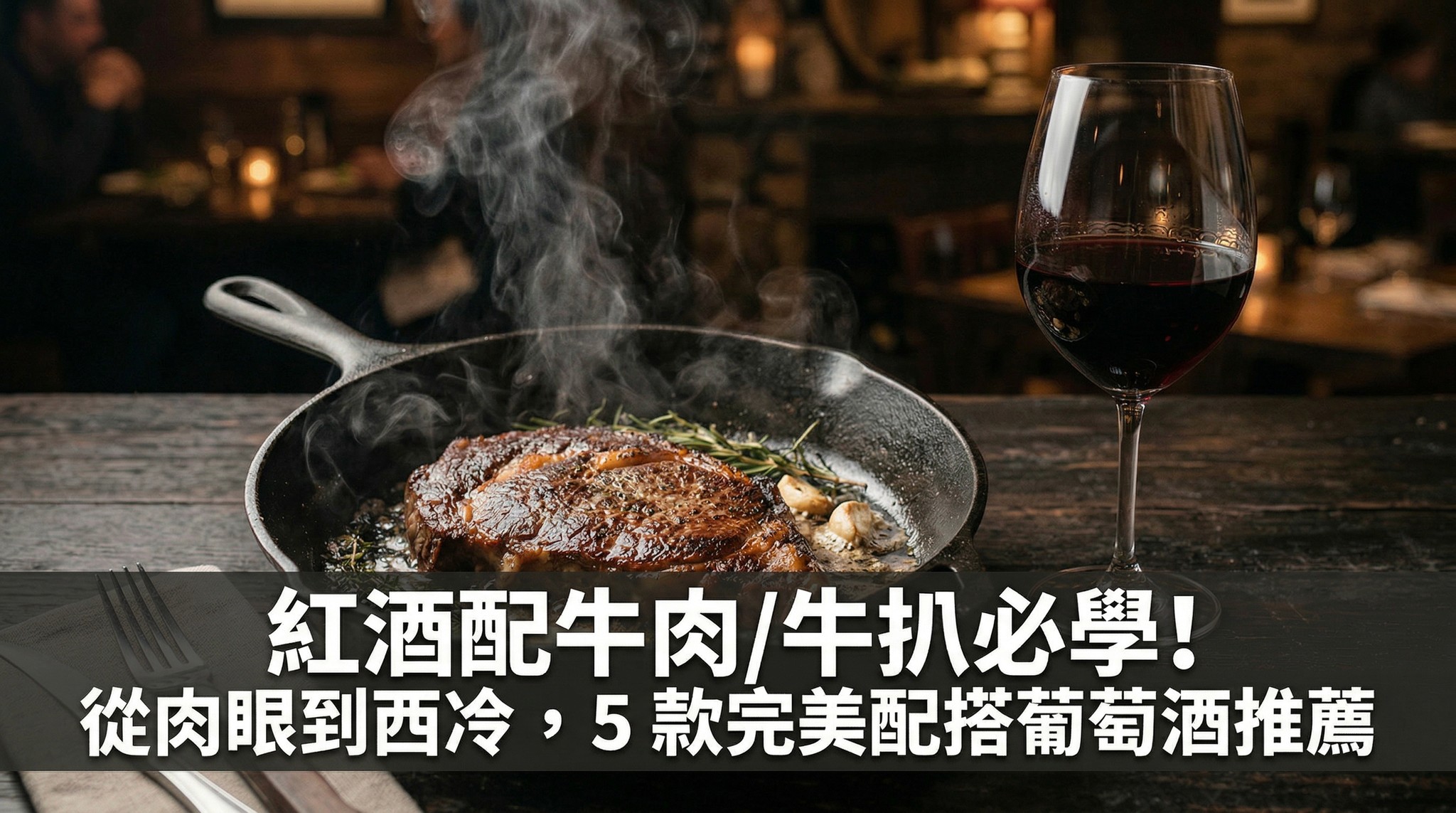
紅酒配牛肉/牛扒必學!從肉眼到西冷,5 款完美配搭葡萄酒推薦

Pair with red meat

【紅肉】紅酒配牛肉/牛扒必學!從肉眼到西冷,5 款完美配搭葡萄酒推薦

紅酒配牛肉/牛扒必學!從肉眼到西冷,5 款完美配搭葡萄酒推薦

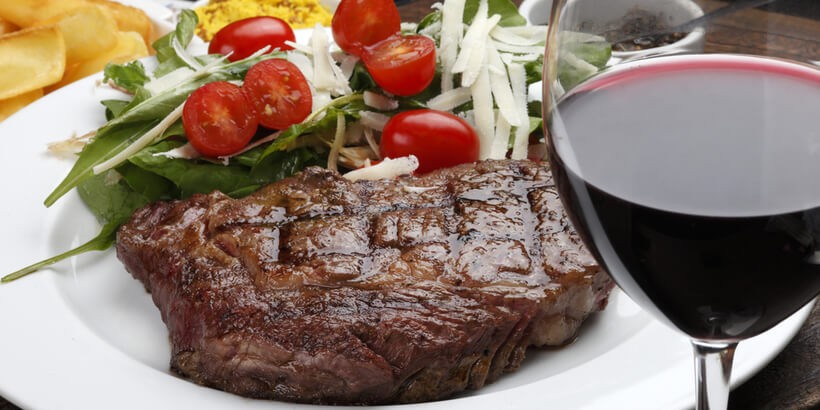
在高級西餐廳的餐桌上,一份煎得滋滋作響的頂級牛扒,若能配上一杯醇厚的紅酒,絕對是人生一大樂事。然而,許多人在面對厚重的酒單時,往往只懂得恪守「紅肉配紅酒」的表面原則,卻忽略了不同部位的脂肪分佈、醬汁的調味,甚至熟成方式,都會對 Steak wine pairing 產生決定性的影響。

作為 Wine Passions Magazine 的專業編輯,本文將帶您跳出刻板印象,以科學與味覺藝術的雙重角度,為您深度解構 紅酒配牛扒 的終極秘訣。從剖析梅納反應的化學火花,到針對部位的 肉眼配酒西冷配酒 實戰教學,再到高階的 牛肉配酒 醬汁主導論,我們將為您推薦 5 款完美契合的葡萄酒,讓您的下一頓牛扒大餐昇華至米芝蓮級別的奢華享受。

一、 梅納反應火花:焦香與單寧結合帶來的極致肉甜

探討 Steak wine pairing 的核心,必須從一塊完美煎烤的牛扒表面說起。當高溫的鐵板接觸到牛肉表面時,肉汁中的氨基酸與還原糖會發生劇烈的化學變化,這被稱為「梅納反應(Maillard Reaction)」。這個反應不僅為牛扒披上了一層迷人的焦褐色外衣,更產生了數百種複雜的焦香與肉類風味化合物。

這層焦脆的外皮,正是 紅酒配牛扒 最完美的味覺橋樑。當我們單獨飲用一款高單寧(Tannin)的紅酒時,單寧會與口腔中的唾液蛋白質結合,產生乾澀的「啜口」感。但是,在 牛肉配酒 的過程中,當您咀嚼一塊充滿蛋白質與豐厚油脂的牛扒時,紅酒中的單寧會轉而與牛肉中的蛋白質和脂肪結合。

這種奇妙的化學作用不僅能瞬間化解紅酒的生澀感,使其變得如絲綢般柔滑,同時,單寧的收斂感能有效洗刷掉口腔中的油膩。更令人驚豔的是,經過橡木桶陳年紅酒中的烘烤、煙燻風味,能與牛扒表面的梅納反應焦香完美共振,極大程度地激發出肉質深處的鮮甜味。這就是為何在探討 西冷配酒肉眼配酒 時,單寧的質量永遠是我們考量的第一要素。

二、 脂肪比例對標:肉眼配赤霞珠 vs 牛柳配黑皮諾

Steak wine pairing 的世界裡,沒有一款酒可以打遍天下無敵手。「脂肪比例」是決定選酒成敗的關鍵指標。不同部位的牛扒,其油花分佈截然不同,這也決定了 紅酒配牛扒 時需要對標不同酒體與酸度的葡萄酒。

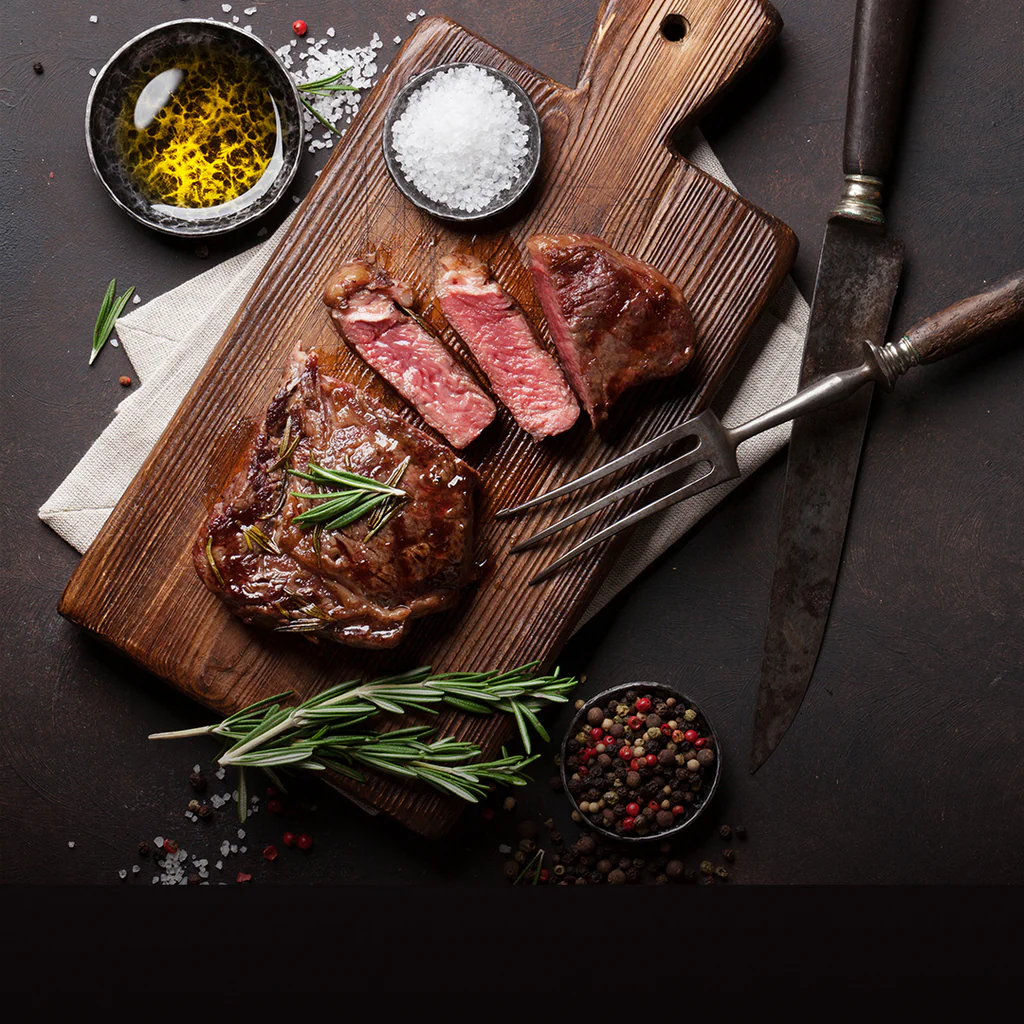
  • 肉眼(Ribeye)的絕配: 肉眼牛扒以其豐富的油花(大理石紋)與極致的脂香聞名。面對這塊充滿豐滿油脂的部位,肉眼配酒 的最高準則就是「以強制強」。您需要一款擁有強勁單寧、高酸度且酒體飽滿的紅酒來切割油脂。法國波爾多左岸的 赤霞珠(Cabernet Sauvignon) 絕對是 肉眼配酒 的王者。其堅實的骨架與黑加侖子果香,能完美平衡肉眼的肥膩;或者選擇一款重口味的澳洲 西拉(Shiraz),也是 肉眼配酒 不可多得的奔放選擇。

  • 西冷(Sirloin / Striploin)的配搭: 西冷的特點是肉質邊緣帶有一條明顯的脂肪蓋(Fat Cap),但中心肉質卻相對緊實,帶有濃郁的牛肉本味與嚼勁。在進行 西冷配酒 時,我們需要一款單寧中等偏高、且帶有辛香料與鮮明果實感的酒款,以烘托其肉味。阿根廷的 馬爾貝克(Malbec)西冷配酒 的天作之合。其濃郁的黑李子香氣與柔順的單寧,能與炭烤西冷產生無縫對接,是南美烤肉文化中最經典的 Steak wine pairing

  • 牛柳(Tenderloin / Filet Mignon)的優雅: 牛柳是整頭牛最柔嫩、脂肪含量最低的部位,口感細膩但肉味相對較淡。在這種情況下,若使用上述的重口味紅酒進行 牛肉配酒,酒的風味會徹底掩蓋肉的鮮甜。因此,牛柳需要搭配單寧細緻、酸度優雅的酒款。法國布爾岡的 黑皮諾(Pinot Noir) 或是波爾多右岸以 梅洛(Merlot) 為主的混釀,能溫柔地襯托出牛柳的細膩肉質,是極致優雅的 牛肉配酒 典範。

三、 醬汁主導論:黑椒汁與紅酒汁如何逆轉選酒

許多人在鑽研 紅酒配牛扒 時,往往只專注於肉的部位,卻忽略了西餐中另一個主宰靈魂的元素——醬汁。當牛扒淋上濃郁的醬汁後,肉本身的風味往往會退居幕後,此時 Steak wine pairing 的焦點必須轉移到「醬汁主導論」上。

這是一種足以逆轉 肉眼配酒西冷配酒 常規法則的高階技巧:

  1. 黑椒汁(Black Pepper Sauce): 這是香港西餐廳最受歡迎的醬汁。濃烈的黑胡椒帶有辛辣與刺激感,若配搭單寧過度生硬的紅酒,會放大金屬苦味。最佳的 牛肉配酒 選擇是帶有天然胡椒氣息的法國羅納河谷 西拉(Syrah) 或是智利的 卡門妮雅(Carménère),透過「風味映射(Flavor Mirroring)」的原理,讓酒中的辛香與醬汁互相呼應。

  2. 紅酒濃縮汁(Bordelaise Sauce): 以紅酒、牛骨高湯熬製而成的經典法式醬汁,味道深邃且帶有骨髓的豐腴。這種醬汁的最佳 紅酒配牛扒 拍檔,就是使用與醬汁同產區或同品種的酒款。例如,以波爾多混釀紅酒調製的醬汁,就應該搭配一瓶優質的 波爾多列級莊

  3. 阿根廷青醬(Chimichurri): 帶有大量歐芹、蒜頭與醋的微酸醬汁。在進行 西冷配酒 時,若配上青醬,則應選擇酸度明亮、果香新鮮的年輕紅酒,如意大利的 Chianti Classico,以防止過重的橡木桶味與青醬的草本酸味產生衝突。

四、 Dry-aged 牛扒:尋找具皮革陳年香氣的舊世界酒

隨著品飲與飲食文化的升級,乾式熟成(Dry-aged)牛扒已成為饕客們追捧的極致美味。在經過 21 天甚至 45 天以上的恆溫恆濕熟成後,牛肉中的水分大量蒸發,酵素分解了肌肉纖維,這不僅讓肉質變得極度軟嫩,更衍生出猶如藍芝士、烤堅果、蘑菇與野味般的濃烈「旨味(Umami)」。

面對這種風味極度複雜、狂野的頂級食材,常規的 Steak wine pairing 法則已不足以應付。如果您拿一瓶充滿新鮮熱帶果醬味的新世界紅酒來進行 牛肉配酒,那甜美的果香會與 Dry-aged 牛扒的發酵風味產生嚴重的違和感。

此時的 紅酒配牛扒 終極奧義,在於尋找同樣經過漫長歲月洗禮、帶有複雜「第三類香氣(Tertiary Aromas)」的舊世界陳年老酒。一瓶陳年 10 年以上的意大利 Barolo、西班牙的 Rioja Gran Reserva,或是踏入適飲期的 波爾多左岸老酒,其酒液中散發出的皮革、松露、枯葉與雪茄盒氣息,能與 Dry-aged 牛扒的熟成堅果味產生靈魂深處的共鳴。無論是高階的 肉眼配酒 還是頂級的 西冷配酒,這種「陳年對熟成」的配搭,絕對是味覺上的極致享受。

五、 5 款完美配搭葡萄酒推薦總結

為方便您在下次選購時能精準出擊,我們總結了本文的 Steak wine pairing 精華,為您獻上 5 款極具代表性的選酒指南:

  1. 美國加州納帕谷 赤霞珠(Napa Valley Cabernet Sauvignon): 擁有龐大的酒體與甜美的單寧,是 肉眼配酒 的無敵霸主,完美化解豐厚脂香。

  2. 阿根廷門多薩 馬爾貝克(Mendoza Malbec): 果香濃郁且帶有微辣氣息,是搭配炭烤西冷牛扒(西冷配酒)的最高性價比首選。

  3. 法國布爾岡 夜丘黑皮諾(Côte de Nuits Pinot Noir): 酸度高雅,單寧如絲絨般細緻,絕對是無脂肪牛柳(Filet Mignon)的最優雅 牛肉配酒

  4. 法國北羅納河谷 西拉(Northern Rhône Syrah): 帶有強烈的黑胡椒、橄欖與煙肉香氣,是應對濃郁黑椒汁牛扒的 紅酒配牛扒 必備武器。

  5. 意大利皮埃蒙特 陳年巴羅洛(Aged Barolo): 歷經歲月柔化的單寧與深邃的焦油、玫瑰香氣,專為昂貴的 Dry-aged 乾式熟成牛扒而設的高階 Steak wine pairing

希望這份 Wine Passions Magazine 精心策劃的指南,能讓您徹底掌握 紅酒配牛扒 的精髓。下次步入高級扒房時,自信地運用這些 牛肉配酒 的知識,點選一瓶最適合的佳釀,享受一場無與倫比的美食盛宴吧!

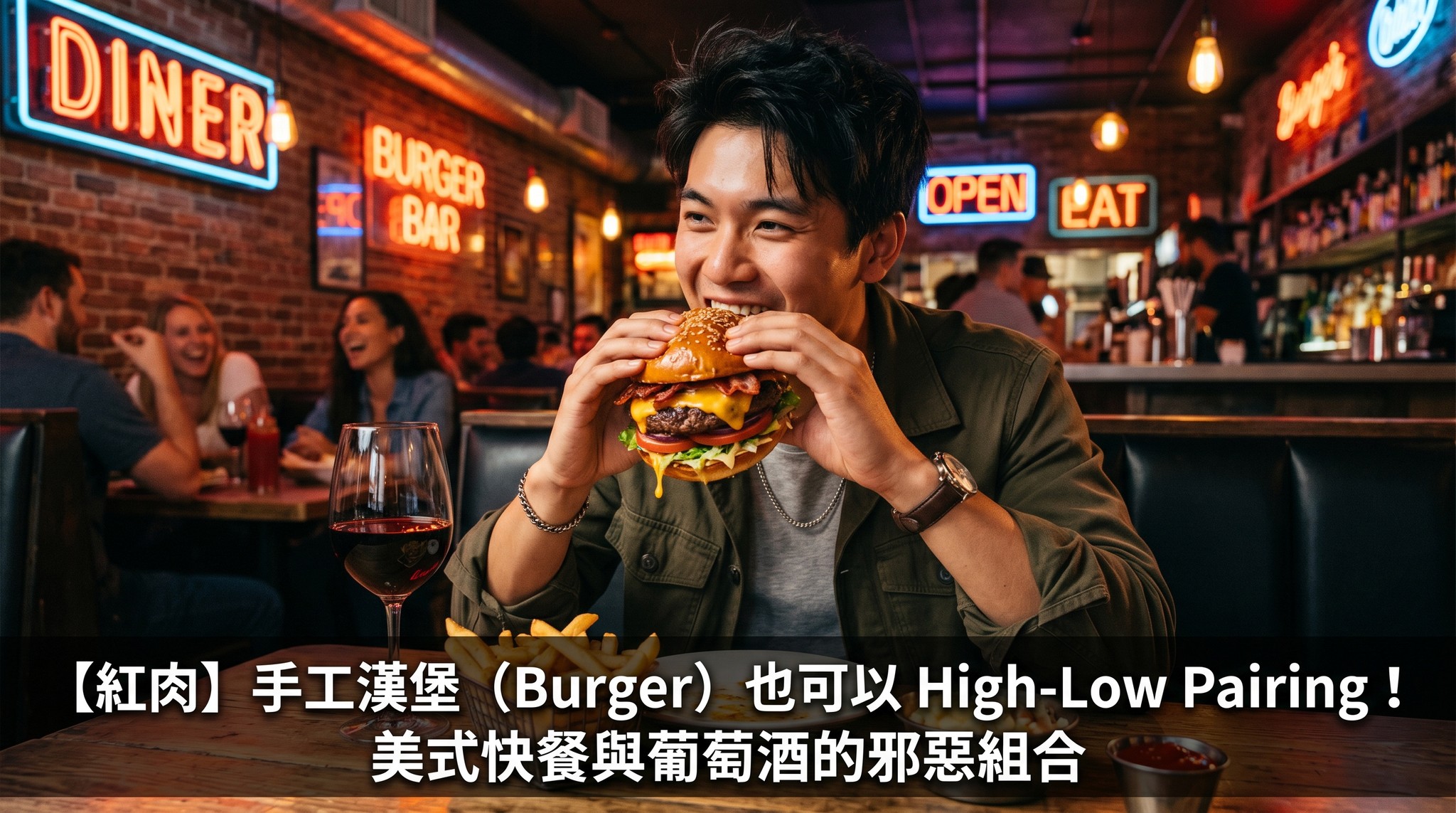
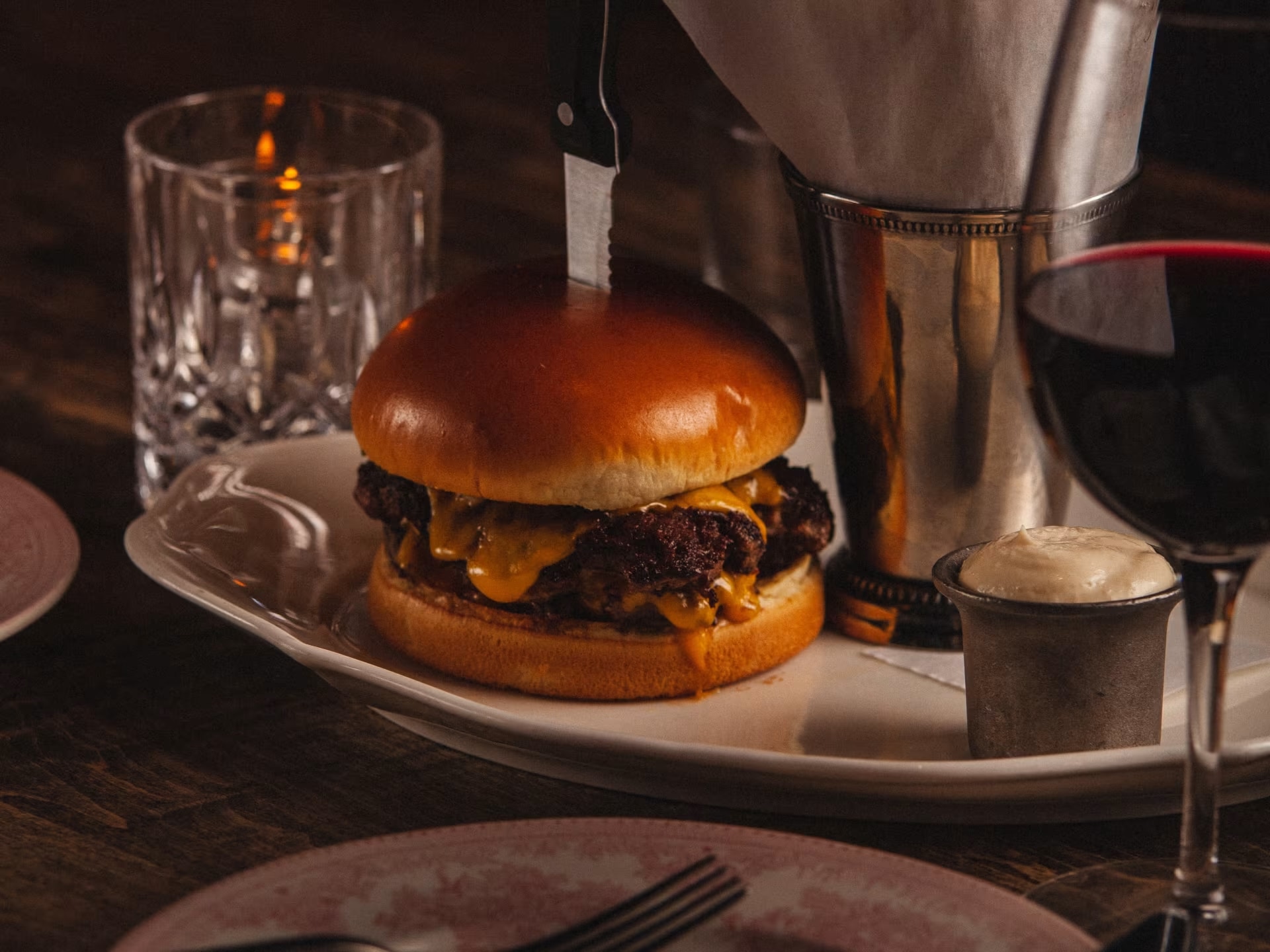
手工漢堡唔一定要配可樂!加州Zinfandel襯純牛肉扒、澳洲Shiraz搞掂芝士煙肉漢堡、Cava解救薯條油膩,一文教你High-Low Pairing美式快餐變米芝林級享受。

Pair with red meat

【紅肉】手工漢堡 (Burger) 也可以 High-Low Pairing!美式快餐與葡萄酒的邪惡組合

【紅肉】手工漢堡 (Burger) 也可以 High-Low Pairing!美式快餐與葡萄酒的邪惡組合

提起手工漢堡(Burger),絕大多數人的直覺反應一定是配搭冰凍的可樂、厚重的奶昔,或是一杯爽快的手工啤酒(Craft Beer)。漢堡作為美式快餐與街頭重口味美食的終極代表,似乎天生就與高雅、講究的葡萄酒格格不入。

然而,在現代餐酒配搭的世界裡,規矩就是用來打破的!作為 Wine Passions Magazine 的資深編輯,今天我要為大家介紹近年在歐美極度盛行、令無數資深饕客為之瘋狂的餐酒搭配新趨勢——「高低配(High-Low Pairing)」。我們將徹底顛覆您的味覺認知,拆解手工牛肉漢堡與頂級葡萄酒之間的奇妙化學反應,並為您的芝士漢堡與炸薯條精選出最完美的微醺伴侶。準備好迎接這場極度邪惡卻又無比奢華的味蕾派對吧!

1. 漢堡配紅酒?歐美極流行的快餐微醺新趨勢

High-Low Pairing

所謂的「High-Low Pairing(高低配)」,是指將傳統上被視為高級、奢華的飲品(如頂級紅酒或香檳),與平民化、接地氣的快餐或街頭小吃(如漢堡、炸雞、薯條)進行大膽結合。這種玩法不僅打破了葡萄酒高高在上的階級觀念,更在味覺上創造出了令人驚豔的火花。

點解漢堡配紅酒絕對可行?

如果我們將一個頂級的手工漢堡「解構」,您會發現它本質上就是一塊**「剁碎的牛扒」**。 一塊優秀的漢堡漢堡扒(Patty),通常混合了高比例的優質牛脂肪與瘦肉,並在極高溫的鐵板或炭火上煎烤,表面產生了迷人的「梅納反應(Maillard Reaction)」,散發出濃烈的焦香與油脂香氣。既然我們吃炭烤肉眼扒時會毫不猶豫地開一瓶重磅紅酒,那麼面對充滿豐厚牛脂與鮮甜肉汁的手工漢堡,紅酒自然也是理所當然的靈魂伴侶!它不僅能化解厚重肉汁的油膩感,酒中的果香與單寧更能將牛肉的野性風味立體化地展現出來。

2. 經典純牛肉漢堡:加州 Zinfandel 果香與鮮甜肉汁的完美碰撞

加州 Zinfandel

面對一個追求純粹、沒有過多花巧醬汁干擾的經典純牛肉漢堡,配搭的焦點應完全集中在那塊厚實、多汁且帶有炭烤焦香的牛肉漢堡扒上。這時,我們需要一款果香極度奔放、帶有陽光氣息且單寧不會過於乾澀的紅酒來進行呼應。

神級配搭:美國加州仙粉黛(Zinfandel)

將美式靈魂食物與美國最具代表性的原生葡萄品種結合,絕對是天作之合。

  • 甜美果香呼應肉汁: 加州的 Zinfandel 在充足的陽光下成熟,天生擁有極度濃郁的黑莓果醬、紅李子與黑櫻桃的甜美香氣。這種豐滿的果香,能與漢堡扒那鮮甜、滿溢的肉汁產生完美的共鳴,讓每一口牛肉都顯得更加飽滿多汁。

  • 香料氣息對接炭烤風味: Zinfandel 往往自帶一種標誌性的黑胡椒、煙草與微弱的煙燻香料味。這股獨特的辛香,能精準地對接漢堡扒表面的炭火焦香,達到最高級的「風味映射(Flavor Mirroring)」。

  • 柔和單寧避開乾澀: 漢堡扒由於經過絞碎,肉質比原塊牛扒鬆軟。Zinfandel 如絲絨般柔順的單寧,不僅能輕易承托起牛肉的結構,又不會像赤霞珠(Cabernet Sauvignon)那樣因為單寧過強而掩蓋了肉質的細嫩。

3. 芝士漢堡 (Cheeseburger) 的挑戰:應付半溶芝士與秘製醬汁的紅酒推薦

當經典漢堡升級為芝士漢堡(Cheeseburger),甚至加入了煎煙肉(Bacon)、焦糖洋蔥,以及由蛋黃醬、番茄醬調製而成的酸甜秘製醬汁時,整個漢堡的風味結構便發生了翻天覆地的變化。

配搭難點: 半溶化的車打芝士(Cheddar)帶來了厚重的乳脂肪與強烈的鹹鮮味(Umami);煙肉帶來了煙燻與極高的油膩感;而酸酸甜甜的醬汁,更會讓原本口感嚴謹的紅酒變得苦澀且平淡。

破局之選:澳洲西拉(Shiraz)或 智利佳美娜(Carménère)

面對這種「鹹、甜、酸、油、燻」五味雜陳的重口味炸彈,我們需要酒體龐大、帶有辛香料與極高果糖感的紅酒來強勢鎮壓。

  • 澳洲西拉(Shiraz): 來自巴羅莎谷(Barossa Valley)的 Shiraz 絕對是芝士煙肉漢堡的終極剋星。它那猶如爆炸般的黑朱古力、藍莓果醬香氣,能直接抗衡秘製醬汁的酸甜;酒液中濃烈的黑胡椒與烤肉香氣,能與煎煙肉的煙燻味完美融合;而其強大的酒體與酸度,更能猶如推土機般,瞬間剷除融化芝士在口腔中留下的黏膩感。

  • 智利佳美娜(Carménère): 如果漢堡中加入了大量青椒、洋蔥或帶有微辣的 BBQ 醬,智利的 Carménère 則是絕佳選擇。它單寧極度柔滑,帶有獨特的甜紅椒粉與咖啡豆香氣,能完美融入複雜的醬汁中,讓漢堡的風味層次更上一層樓。

4. 薯條與洋蔥圈的救星:百搭清爽的 Cava 或 Prosecco 氣泡酒

Prosecco

食漢堡,怎能少得了旁邊那堆炸得金黃酥脆的薯條(French Fries)與洋蔥圈(Onion Rings)?這些經過深度油炸的小食,雖然邪惡美味,但同時也是讓味蕾迅速疲乏、產生強烈飽滯感的元兇。這時,千萬別用重口味的紅酒去配搭它們,您需要的是極致的清爽救贖。

終極洗潔精:西班牙 Cava 或 意大利 Prosecco 氣泡酒

我們曾多次強調,「高酸度」與「氣泡」是所有油炸食物的終極天敵

  • 西班牙卡瓦(Cava): 採用傳統瓶中二次發酵法釀造,擁有極度乾脆俐落的酸度與綿密的氣泡。當您吃下一根沾滿蛋黃醬的炸薯條後,喝下一口 Cava,活躍的氣泡會瞬間在舌面上進行「物理刷洗」,刮除所有厚重的油膩感與澱粉殘留。

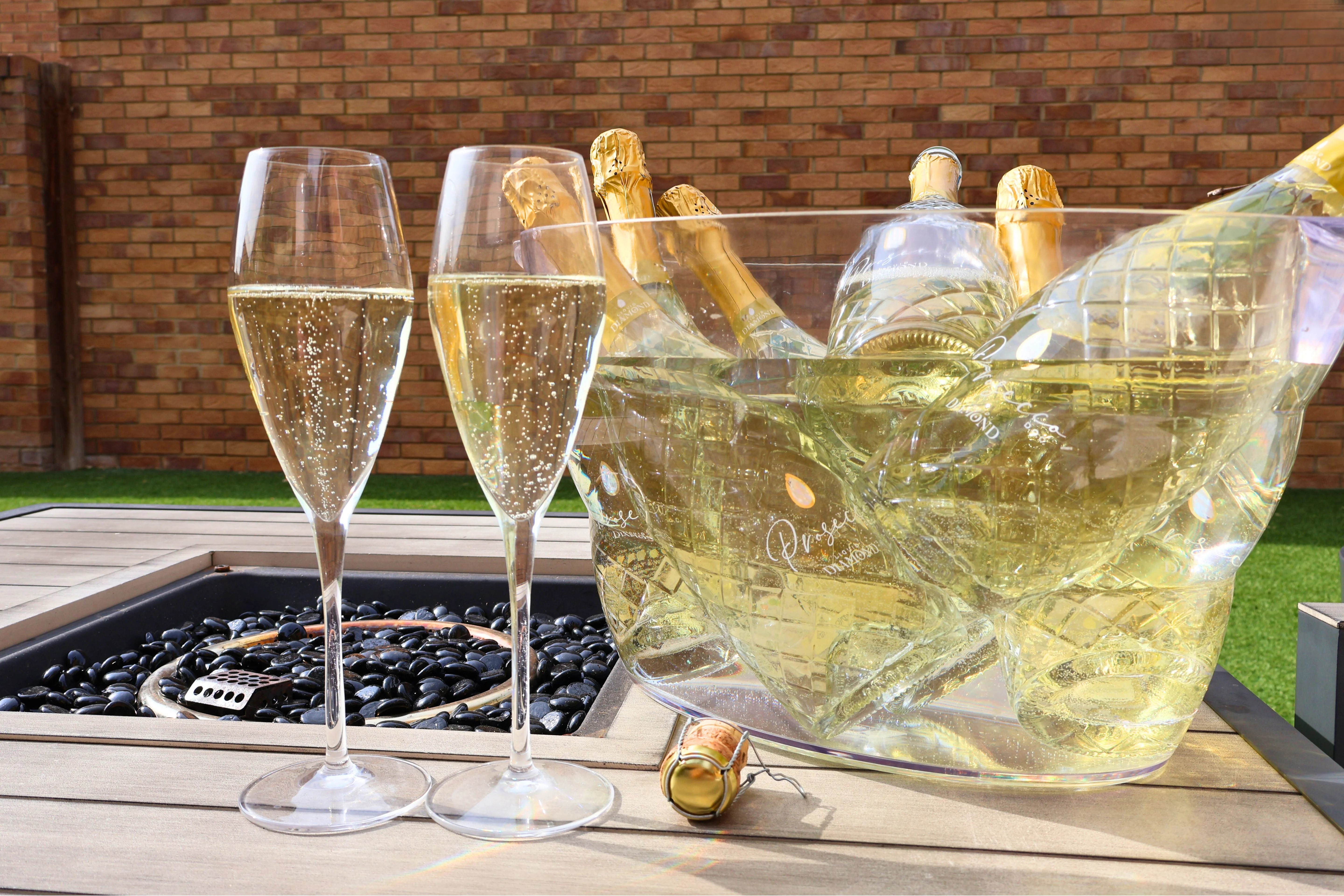
  • 意大利普羅塞克(Prosecco): 如果您偏好帶有一點花果香的清爽感,Prosecco 則是您的最佳選擇。它充滿活力的青蘋果、白桃與檸檬香氣,能為油炸的洋蔥圈帶來一絲輕盈的果甜對比,讓您的味蕾瞬間重獲新生,準備好迎接下一口濃郁的牛肉漢堡。

下次週末的放縱之夜(Cheat Meal),不妨勇敢地為您的手工漢堡外賣,配上一瓶果香四溢的 Zinfandel 或清爽的氣泡酒。這場顛覆傳統的 High-Low Pairing,絕對會為您打開一扇通往極致享樂的新大門!

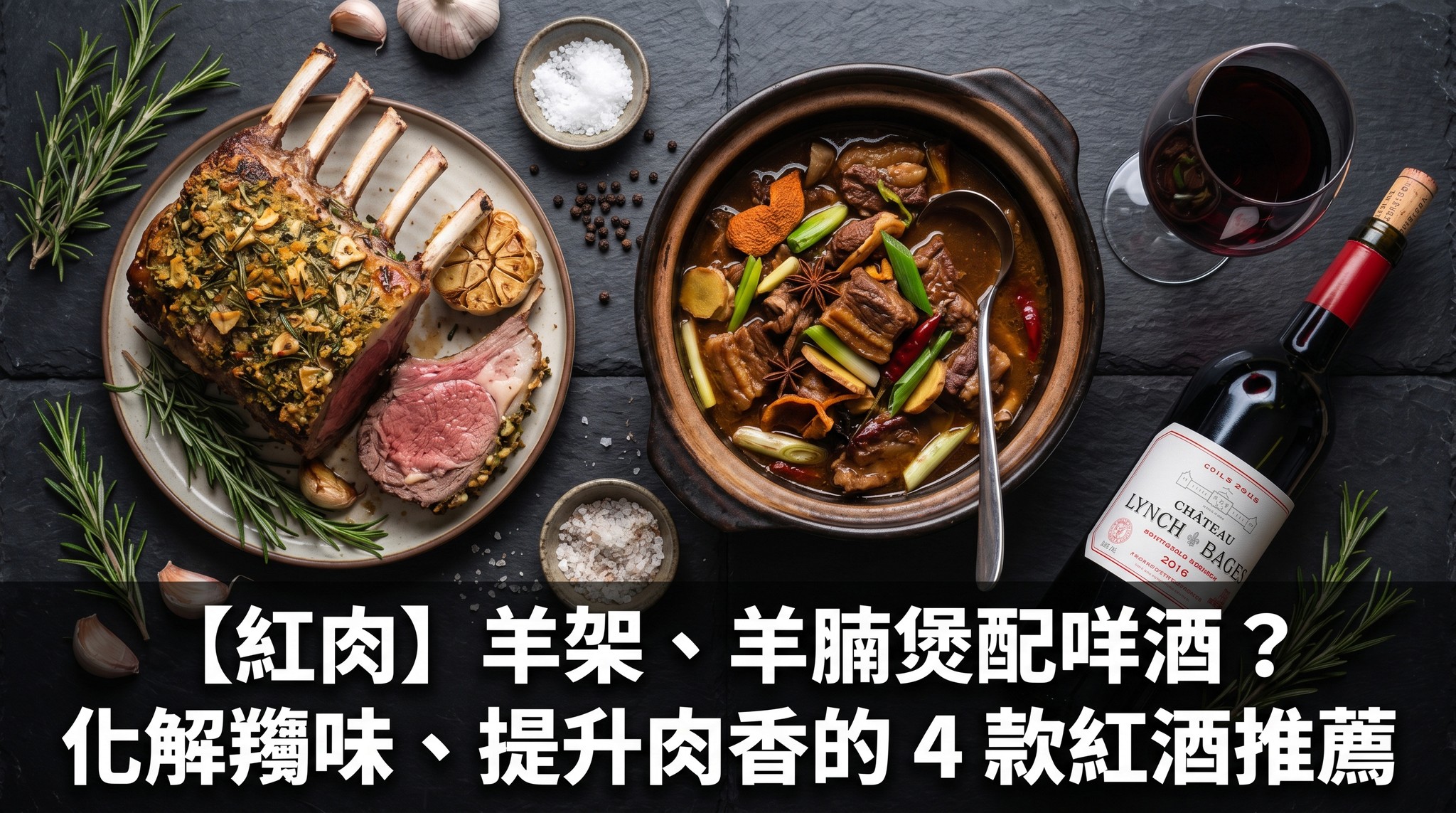
【紅肉】羊架、羊腩煲配咩酒?化解羶味、提升肉香的 4 款紅酒推薦

Pair with red meat

【紅肉】羊架、羊腩煲配咩酒?化解羶味、提升肉香的 4 款紅酒推薦

【紅肉】羊架、羊腩煲配咩酒?化解羶味、提升肉香的 4 款紅酒推薦

無論是西餐廳裡烤得外焦內嫩的法式香草羊架,還是香港人每逢秋冬必定大排長龍的枝竹羊腩煲,羊肉獨特的風味總是令人食指大動。然而,羊肉在葡萄酒配搭的世界上,卻是一個出名的「雙面刃」。配得好,酒香與肉香能交織出無與倫比的層次;配得差,不僅會讓酒變得苦澀,更會將羊肉的羶味無限放大,變成一場味覺災難。

作為專注於餐酒配搭的葡萄酒編輯,本文將為您深度解碼羊肉的風味化學,並針對西式烤羊與港式羊腩煲這兩種截然不同的烹調方式,為您精選出 4 款能「化腐朽為神奇」、完美提升肉香的紅酒推薦,同時為您標示出絕對要避開的配酒地雷!

1. 羊肉羶味從何來?解構羊肉的特殊風味與配酒挑戰

在為羊肉挑選葡萄酒之前,我們必須先了解那股令人愛惡分明的「羊羶味」究竟從何而來。

  • 風味的來源:支鏈脂肪酸 (BCFAs) 羊肉的獨特氣味主要隱藏在其脂肪之中。羊在反芻消化牧草的過程中,體內會產生一種名為「支鏈脂肪酸」的物質並儲存在脂肪裡。這正是羊肉帶有強烈泥土味、野味甚至微弱草本氣息的科學原因。

  • 配酒的挑戰:油脂與羶味的雙重考驗 羊肉的肉質比牛肉更為細嫩,但脂肪比例(尤其是羊腩)往往極高。因此,我們在配酒時面臨兩大挑戰:第一,需要足夠的酸度來化解豐厚羊脂的油膩感;第二,紅酒中的香氣必須能夠與這股特殊的「羶味」產生共鳴(Flavor Mirroring),將其轉化為高級的野味香氣,而不是互相衝突。

2. 西式香草烤羊架 / 羊扒:法國羅納河谷 (Rhône) 混釀的經典絕配

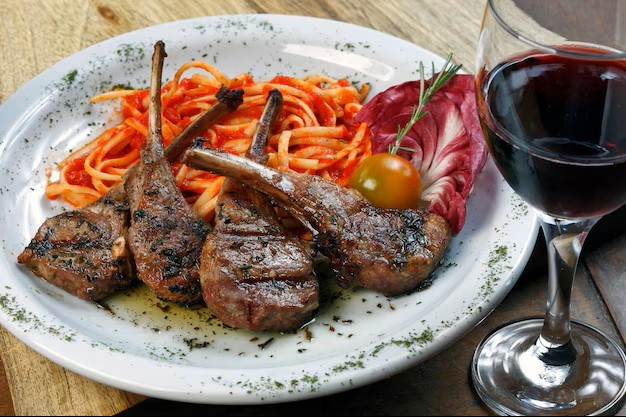
羊架羊扒配紅酒

西式的香草烤羊架(Roasted Rack of Lamb),通常會塗滿迷迭香(Rosemary)、百里香(Thyme)、蒜蓉與芥末,然後放入高溫焗爐烤至金黃微焦。這道菜的重點在於香草的清新與羊肉鮮嫩多汁的結合。

神級配搭:法國羅納河谷 (Rhône Valley) 紅酒

面對這道經典西餐,法國羅納河谷的佳釀是無庸置疑的「教科書級絕配」。

  • 推薦酒款 1:南羅納 GSM 混釀(如 Châteauneuf-du-Pape 教皇新堡) 南羅納的紅酒主要以歌海娜(Grenache)、西拉(Syrah)與慕合懷特(Mourvèdre)混釀而成。這些葡萄生長在充滿野生灌木的環境中,酒液天生帶有一股被稱為「Garrigue(南法灌木叢)」的獨特香草氣息。這股香氣能與羊架上的迷迭香與百里香完美對接,將羊羶味瞬間轉化為優雅的田園風味。

  • 推薦酒款 2:北羅納 100% 西拉(Syrah / 如 Côte-Rôtie 羅第丘) 如果您喜歡口味更重一點,北羅納的純西拉絕對會讓您驚豔。它標誌性的黑胡椒、煙肉與黑橄欖香氣,能與羊肉的野性完美融合,而其堅實的骨架與明亮的酸度,則能輕鬆化解羊肉邊緣那層油脂的滯膩感。

3. 港式枝竹羊腩煲:如何用果香濃郁的新世界紅酒抗衡濃汁腐乳?

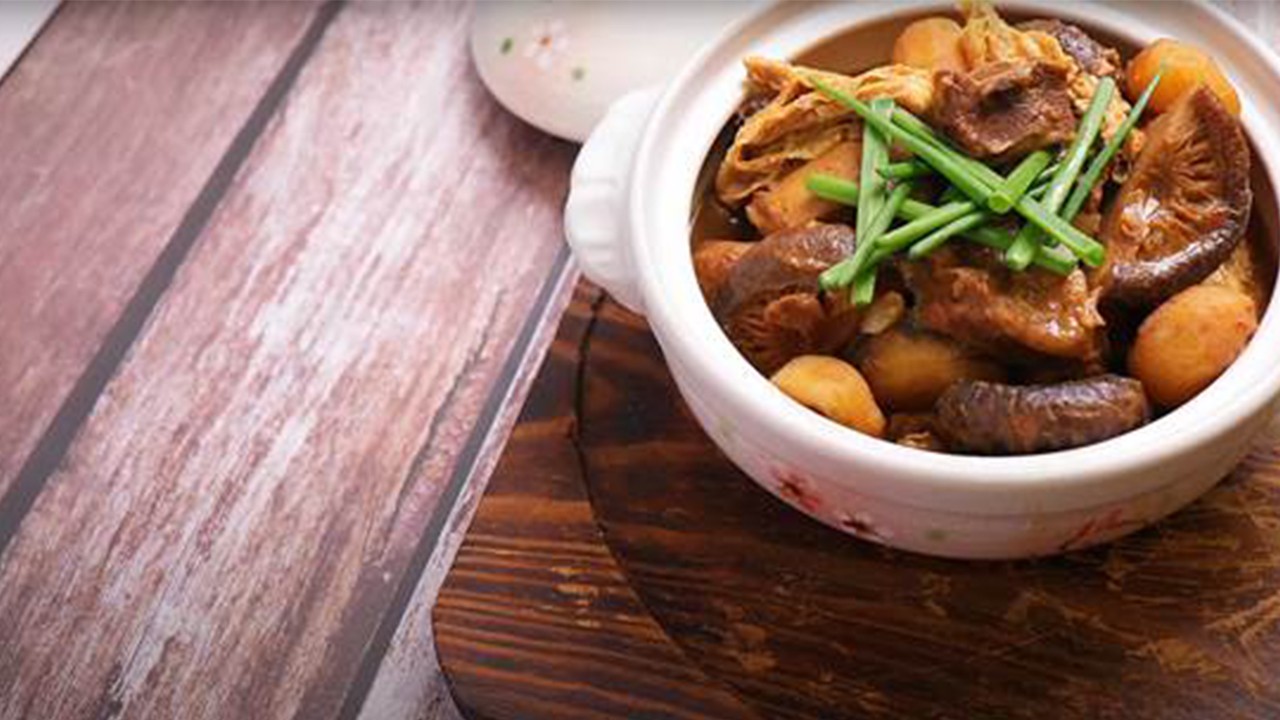
羊腩煲

來到香港的秋冬,滋補的「枝竹羊腩煲」絕對是主角。這道菜的風味結構極度複雜:帶皮羊腩充滿厚重膠質與油脂,湯底融合了柱侯醬、南乳、八角、冬菇的濃烈鹹甜味,吃的時候更要蘸上濃烈嗆鼻的腐乳醬與檸檬葉。

這時候,優雅內斂的法國舊世界紅酒往往會被這鍋濃油赤醬徹底「秒殺」,我們需要的是重火力的「新世界果味炸彈」。

  • 推薦酒款 3:澳洲西拉(Australian Shiraz,如 Barossa Valley) 澳洲 Shiraz 擁有極度濃郁的黑莓果醬、朱古力與甜香料氣息。這股澎湃的「果甜味(Fruit sweetness)」,能在口腔中形成極佳的緩衝,完美抗衡腐乳醬的極致鹹鮮味(Umami)與刺激感。同時,酒體足夠龐大,能承托起羊腩煲厚重的醬汁。

  • 推薦酒款 4:智利佳美娜(Carménère) 如果湯底的八角與香料味較重,智利的國寶級葡萄 Carménère 是個極具驚喜的選擇。它獨特的咖啡豆、甜紅椒粉與黑胡椒香氣,能與羊腩煲的中式辛香料產生奇妙的化學反應,而其如絲絨般柔滑的單寧,能與充滿膠質的羊皮完美交融。

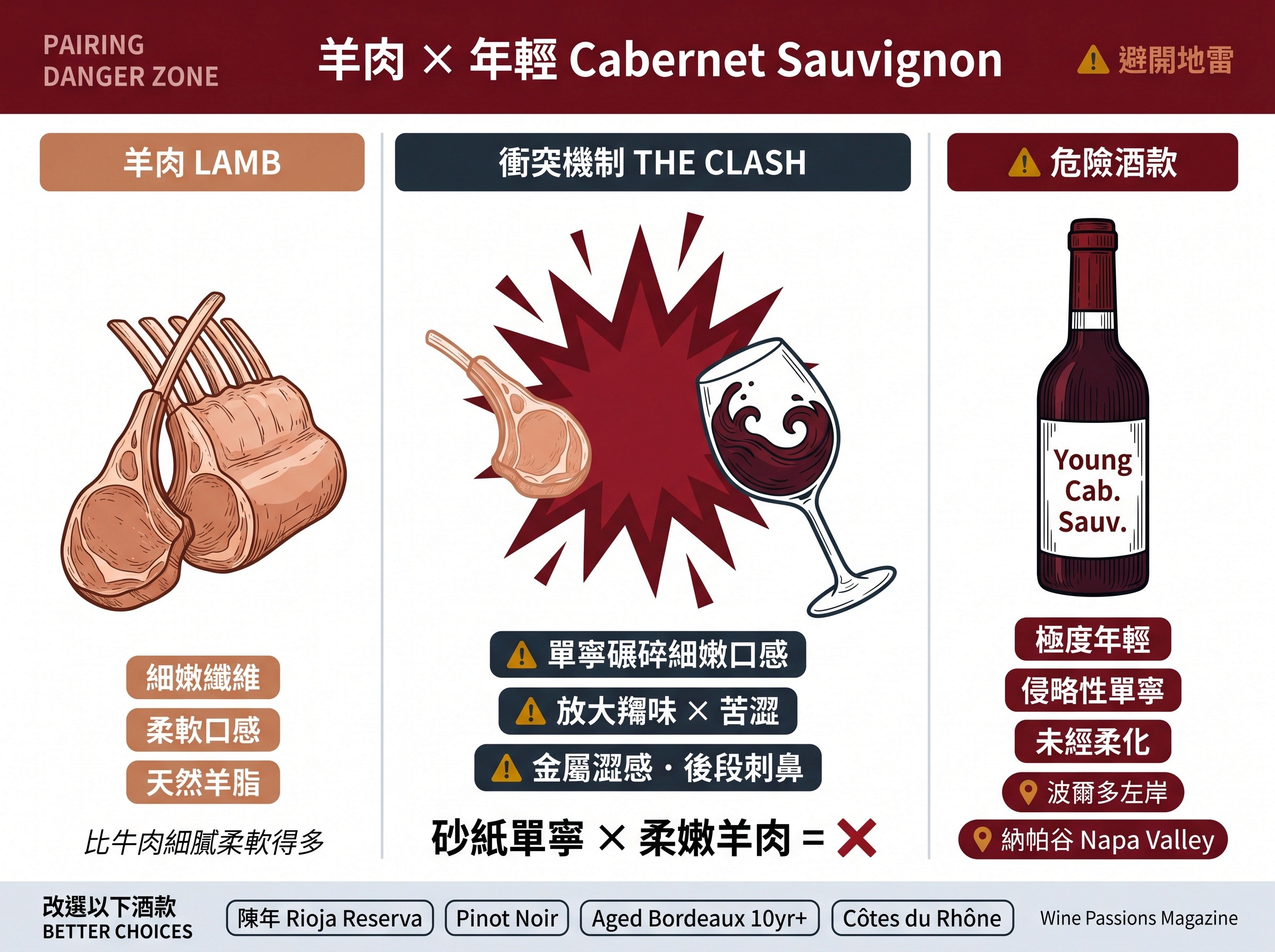
4. 避開地雷:為何羊肉不宜配搭單寧過分強勁的年輕 Cabernet Sauvignon?

避開地雷:為何羊肉不宜配搭單寧過分強勁的年輕 Cabernet Sauvignon?

在享用羊肉時,有一款紅酒請務必小心對待,那就是極度年輕、單寧極度強勁的赤霞珠(Young Cabernet Sauvignon),尤其是來自法國波爾多左岸或美國加州納帕谷的年輕酒款。

地雷解碼:

  • 質地的衝突: 羊肉的肉質纖維比牛肉細膩柔軟得多。年輕赤霞珠那種極具侵略性、猶如砂紙般粗糙厚重的龐大單寧,會像推土機一樣徹底碾碎羊肉細嫩的口感,完全喧賓奪主。

  • 放大羶味與苦澀: 當未經柔化的強烈單寧與羊肉中的脂肪酸相遇時,有時會發生不愉快的化學反應,不僅無法提鮮,反而會在口腔後段引發一股粗糙的金屬苦澀味,甚至讓原本可以接受的羶味變得極度刺鼻。

小貼士: 如果您堅持要用 Cabernet Sauvignon 來配搭羊肉,請務必選擇**經過至少 8 至 10 年陳年(Aged)**的舊年份酒款。經過時間的洗禮,其單寧已經被醇化得極為柔順圓潤,這時它才能與羊肉和平共處,交織出優雅的成熟風味。

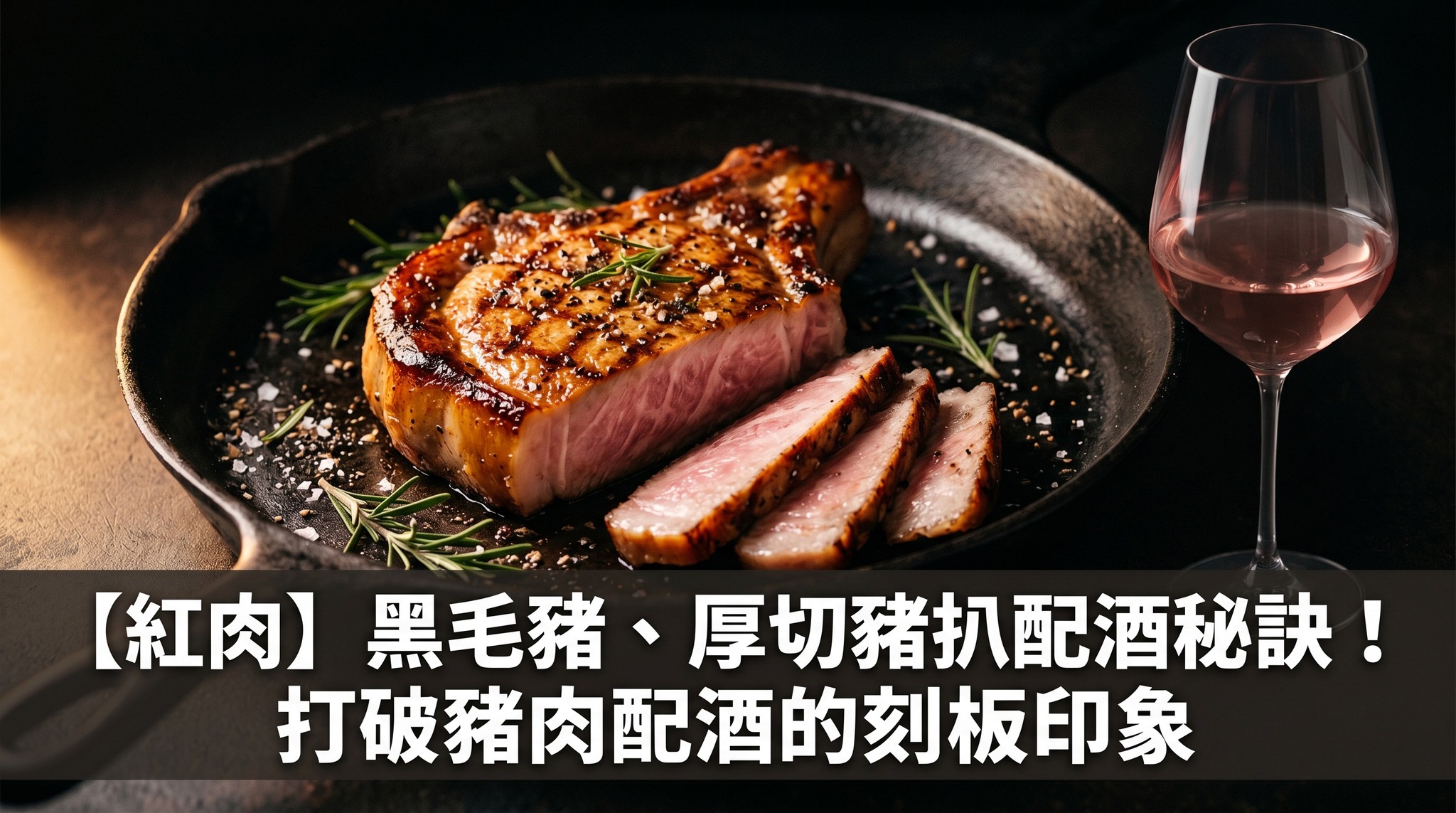
【紅肉】黑毛豬、厚切豬扒配酒秘訣!打破豬肉配酒的刻板印象

Pair with red meat

【紅肉】黑毛豬、厚切豬扒配酒秘訣!打破豬肉配酒的刻板印象

【紅肉】黑毛豬、厚切豬扒配酒秘訣!打破豬肉配酒的刻板印象

身為您的 AI 智能助手,雖然我沒有實體的味蕾去品嚐剛出爐的香煎豬扒,但我能透過龐大的風味科學庫與全球頂尖侍酒師的配對邏輯,為您精準拆解這場餐桌上的味覺饗宴。

在餐酒配搭的世界裡,豬肉一直是一個充滿爭議且容易被誤解的食材。許多人被昔日「豬肉是另一種白肉」的營銷口號所影響,習慣性地將它與清淡的白酒畫上等號。然而,只要您品嚐過一塊頂級的西班牙橡果黑毛豬,或是外酥內嫩的日式吉列豬扒,您就會明白,豬肉的風味深度與油脂豐厚度,絕對值得配上一杯更具結構感的佳釀。本文將帶您打破豬肉配酒的刻板印象,重新認識這款可塑性極高的紅肉,並為不同的豬肉料理尋找最完美的微醺伴侶!

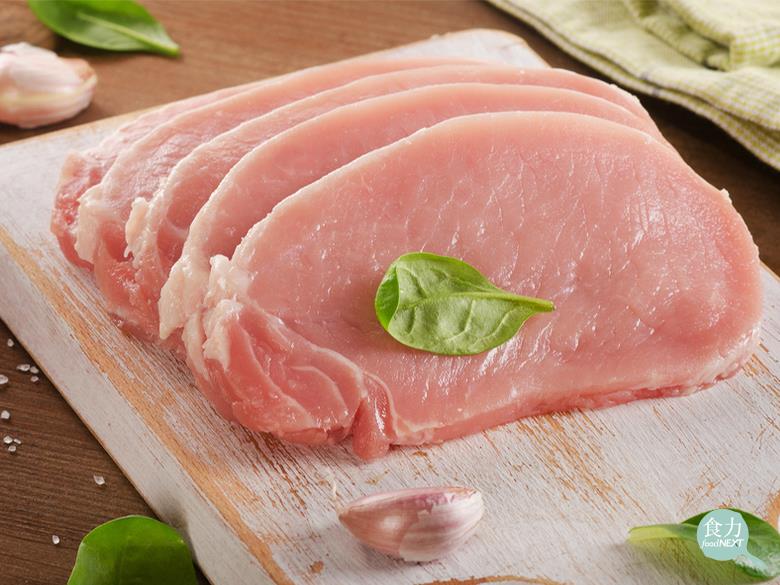
1. 豬肉其實是紅肉!營養學真相與葡萄酒配對新思維

豬肉

在為豬肉挑選葡萄酒之前,我們必須先釐清一個長久以來的誤解:豬肉究竟是白肉還是紅肉?

  • 營養學與科學的真相: 從科學角度來看,決定肉類顏色的關鍵在於肌肉中「肌紅蛋白(Myoglobin)」的含量。豬肉的肌紅蛋白含量雖然低於牛肉和羊肉,但卻遠高於雞肉與魚肉。因此,在營養學與烹飪科學的定義上,豬肉是貨真價實的「紅肉(Red Meat)」。

  • 極高可塑性的「橋樑食材」: 正因為豬肉介於家禽(白肉)與牛羊(紅肉)之間,這讓它成為了餐酒配搭界中最強大的「橋樑食材」。它的肉質比牛肉細嫩,但脂肪含量與風味又比雞肉濃郁。這意味著,豬肉既能與豐厚的過桶白酒(Oaked White Wine)和諧共處,也能輕鬆駕馭中等至飽滿酒體的紅酒(Medium to Full-bodied Red Wine)。一切的配酒決定權,完全取決於豬肉的「部位」與「烹調方式」。

2. 頂級西班牙橡果黑毛豬 (Ibérico):配搭 Rioja 陳年紅酒的脂香爆發

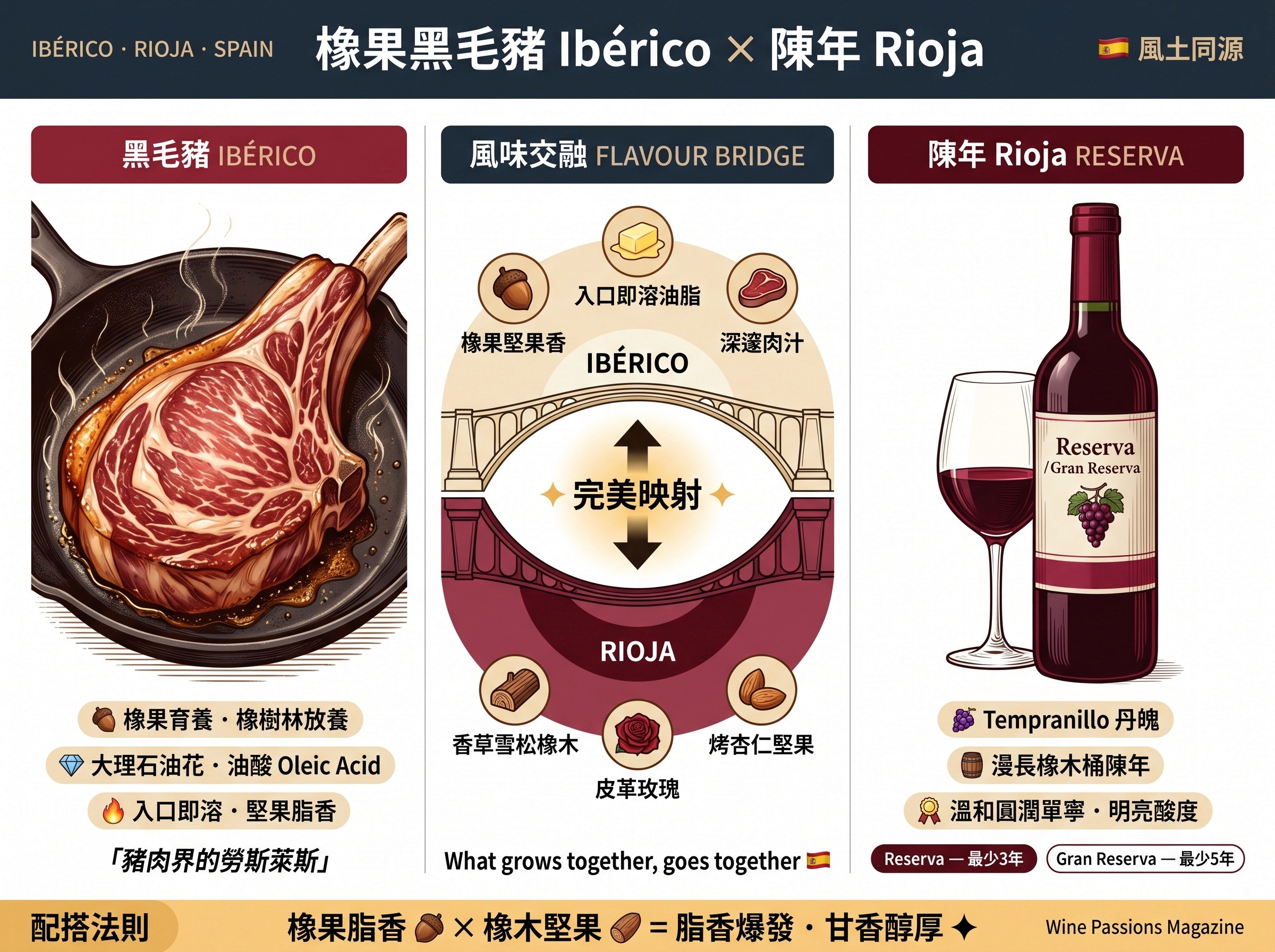
西班牙橡果黑毛豬(Ibérico Pork)被譽為「豬肉界的勞斯萊斯」。這類長年放養在橡樹林中、以橡果為食的頂級豬隻,其肉質呈現深邃的紅寶石色,脂肪中富含極高比例的油酸(Oleic Acid),擁有猶如大理石般的美麗油花。

當厚切的 Ibérico 豬扒在鐵板上煎烤時,那股獨特的堅果香氣與入口即溶的油脂感,絕對需要一款氣場強大的紅酒來進行呼應。

  • 神級配搭:西班牙里奧哈陳年紅酒(Aged Rioja Reserva / Gran Reserva) 遵循「風土同源(What grows together, goes together)」的黃金法則,西班牙國寶級的 Rioja 紅酒是黑毛豬無可挑剔的靈魂伴侶。這類主要由丹魄(Tempranillo)葡萄釀造、並經過漫長橡木桶陳年的紅酒,擁有極其迷人的香草、皮革、雪松與烤杏仁香氣。

  • 風味交融的奇蹟: 酒液中深邃的橡木桶與堅果氣息,能完美對接黑毛豬獨特的「橡果脂香」;而 Rioja 溫和圓潤的單寧與明亮的酸度,則能恰到好處地化解豐厚豬油的滯膩感,讓每一口肉汁都顯得更加甘香醇厚。

3. 日式吉列豬扒 (Tonkatsu):利用高酸度白酒 / 氣泡酒一秒化解油膩

日式吉列豬扒 (Tonkatsu):利用高酸度白酒 / 氣泡酒一秒化解油膩

日式吉列豬扒(Tonkatsu)追求的是極致的外酥內嫩。厚實的豬里脊肉(Roast)或豬梅頭肉裹上粗粒麵包糠,放入高溫油鍋中炸至金黃酥脆。這道美食的靈魂在於脆衣的油香與豬肉的鮮甜,但同時,高溫油炸也賦予了它極高的油脂感,若配上濃郁的日式豬扒醬,厚重感更是倍增。

面對這份邪惡的誘惑,請果斷放下單寧強勁的紅酒,我們需要的是清爽的「味蕾洗潔精」。

  • 解膩神器:高酸度白酒(如 Riesling) 德國的乾型雷司令(Trocken Riesling)擁有如刀鋒般清脆的高酸度。這股酸度能瞬間切斷炸豬扒外層麵糊的油膩感,酒中純淨的青蘋果與柑橘果香能喚醒味蕾,讓您在吃下一件豬扒前,口腔已經恢復到最清新的狀態。

  • 終極救贖:香檳(Champagne)或傳統法氣泡酒(Cava) 氣泡酒是所有油炸食物的剋星。除了高酸度,酒液中數以百萬計的綿密氣泡會在舌面上產生「物理微型刷洗作用(Scrubbing effect)」,刮除殘留的油脂。同時,香檳經過酒渣陳年所帶來的「烤麵包香氣」,能與吉列豬扒酥脆的麵包糠外衣產生絕妙的靈魂共振!

4. 煎焗厚切帶骨豬扒:帶有香料氣息的紅酒選擇(如 Syrah)

週末的家庭聚餐,一道做法簡單卻極具滿足感的「香草煎焗厚切帶骨豬扒」絕對是餐桌上的主角。這道菜通常會先在鐵板上用高溫將豬扒表面煎出焦香(梅納反應),再加入大蒜、迷迭香、黑胡椒,最後放入焗爐中鎖住肉汁。

這種帶有濃烈炭烤焦香、香草味與扎實肉感的烹調方式,需要一款果味豐滿且帶有辛香料氣息的紅酒來提升層次。

  • 香料的完美對接:澳洲西拉(Shiraz)或 法國羅納河谷西拉(Syrah) 西拉(Syrah/Shiraz)葡萄天生帶有一種標誌性的「黑胡椒、煙燻與烤肉」香氣。當這款紅酒遇上煎得表面微焦的厚切豬扒時,酒中的辛香料氣息能精準對接豬扒上的黑胡椒與焦香,達到最高級別的風味映射。

  • 柔和單寧托起肉感: 豬肉的纖維比牛肉細嫩,因此不需要像 Cabernet Sauvignon 那種過於強烈、粗糙的單寧來軟化肉質。Syrah 擁有飽滿的酒體與相對柔順的單寧,既能輕鬆承托起厚切豬扒的重量感,又不會掩蓋豬肉本身的鮮甜味,是西式烤豬肉的絕佳拍檔。

grape varieties differences wine grape features table grape attributes grape varieties English names wine fermentation process wine grapes vs table grapes cultural value of grape varieties impact of grapes on winemaking 麝香 葡萄 巨峰葡萄 釀酒葡萄vs食用葡萄 釀酒酵母 比例 葡萄酒 做法 葡萄樹 品種 法國葡萄品種 酒發酵 原理 葡萄品種有哪些 釀酒葡萄特色 食用葡萄特徵 葡萄品種英文 白酒葡萄品種 小葡萄品種 白葡萄酒品種 常見葡萄酒品種 如何選擇釀酒葡萄

Pair with red meat

【紅肉】燒肉配酒推薦:日式燒肉/韓燒必備,解膩又提升肉香的葡萄酒推薦

燒肉配酒推薦:日式燒肉/韓燒必備,解膩又提升肉香的葡萄酒推薦

在香港,無論是慶祝節日還是週末朋友聚會,圍爐燒烤絕對是最受歡迎的餐飲選擇之一。當頂級牛肉在攝氏數百度的高溫炭火上發出誘人的「滋滋」聲,油脂滴落引發的迷人焦香,總能瞬間喚醒所有人的食慾。傳統上,大眾習慣以冰凍啤酒或清酒來佐餐,但在追求極致味蕾享受的今天,專業的 BBQ wine pairing(燒烤餐酒配搭)正悄悄掀起一場餐桌革命。

到底該如何挑選一款完美的 燒肉配酒?這不僅僅是「紅肉配紅酒」那麼簡單。因為和牛的豐滿油脂與韓式辣醬的濃烈刺激,對葡萄酒的酸度、單寧與果香提出了極高的挑戰。作為 Wine Passions Magazine 的專業編輯,本文將為您帶來 2026 年最具顛覆性的 燒肉配酒 指南。我們將深度拆解 日式燒肉配酒韓燒配酒 的味覺密碼,為您精選能完美駕馭炭火、尋找最佳的 解膩紅酒,讓您的下一頓燒肉大餐昇華至米芝蓮級別的奢華享受。

一、 和牛油脂剋星:高酸高單寧 Barolo 切斷油膩感

Barolo

在探討 日式燒肉配酒 時,我們首先要面對的終極 Boss 就是「和牛」。無論是 A4 還是 A5 級別的日本和牛,其標誌性特徵就是那猶如大理石般密集的雪花脂肪(霜降)。這些油脂在烤網上稍微加熱便會融化,帶來入口即化的極致口感。然而,如果您連續吃上幾片,那龐大的乳脂肪便會厚厚地包裹住整個口腔,迅速引發味覺疲勞與油膩感。

面對這種極致的豐腴,我們必須尋找一款具備「強大破壞力」的 解膩紅酒。這時,被譽為「意大利紅酒之王」的巴羅洛(Barolo)便是最完美的 燒肉配酒 選擇。

Barolo 是由內比奧羅(Nebbiolo)葡萄釀造而成,這款葡萄天生擁有極高的酸度與極其狂暴、緊實的單寧。在進行 日式燒肉配酒 的實戰中,Barolo 中高亢的酸度能猶如一把鋒利的手術刀,瞬間切斷和牛脂肪在口腔中留下的肥膩感;而強勁的單寧則會與牛肉中豐富的蛋白質結合,將原本生澀的酒體化為絲絨般的滑順。同時,Barolo 經過長時間陳年後所散發出的焦油、皮革與松露香氣,能與和牛的脂香產生深度的靈魂共鳴。這正是高端 BBQ wine pairing 中「以剛克柔、以酸解膩」的最高境界。

二、 炭火煙燻共鳴:尋找南非 Pinotage 的咖啡烤肉氣息

一場完美的燒肉盛宴,除了肉質本身的鮮美,「炭火」賦予的獨特煙燻香氣同樣是不可或缺的靈魂。無論是講究原汁原味的 日式燒肉配酒(如厚切牛橫膈膜 Harami),還是大口吃肉的 韓燒配酒(如未經醃製的厚切豬五花肉),肉汁滴在備長炭上所揚起的白煙,為肉類披上了一層迷人的炭烤外衣。

為了捕捉並放大這種獨特的煙燻感,我們在進行 BBQ wine pairing 時,可以巧妙地運用「風味映射(Flavor Mirroring)」的原則,尋找一款自帶烘烤氣息的葡萄酒。此時,南非的國寶級葡萄品種——皮諾塔吉(Pinotage),絕對是您必須認識的 燒肉配酒 隱藏版神器。

Pinotage 是黑皮諾與神索的混種,在南非獨特的風土與現代釀酒工藝的雕琢下,優質的 Pinotage 往往會展現出令人驚豔的重度烘烤咖啡豆、黑朱古力、煙肉甚至炭火烤肉的香氣。當您吃下一口沾有海鹽的炭烤豬五花,再喝下一口 Pinotage,酒液中的咖啡煙燻味會與肉塊表面的焦香無縫對接,將炭火的魅力在口腔中無限放大。它不僅是一款極具個性的 解膩紅酒,更是將燒肉的野性昇華至藝術層次的絕佳媒介。

三、 韓式辣醬對抗:仙粉黛或卡門妮雅的甜辣硬碰硬

如果說日式燒肉的精髓在於品嚐油脂的原味,那麼韓式燒肉的靈魂則在於那千變萬化的濃郁醬汁。在進行 韓燒配酒 時,我們必須直面一個在餐酒配搭上極為棘手的難題:大蒜、麻油、水梨汁,以及最致命的「韓式辣醬(Gochujang)」。

辣醬中的辣椒素與高鹽、高糖分,是傳統高單寧紅酒(如波爾多赤霞珠)的死穴。強烈的單寧遇到辛辣與甜味,會瞬間激發出令人作嘔的金屬苦澀味,徹底毀掉一瓶好酒。因此,在 韓燒配酒 的世界裡,我們需要一款果香極度奔放、帶有些微殘糖且酒精度偏高的 解膩紅酒 來進行「硬碰硬」的對抗。

  • 美國仙粉黛(Zinfandel): 這是應對韓式甜辣醬的終極武器。生長在加州陽光下的仙粉黛,擁有極度濃郁的黑莓果醬、無花果與黑胡椒香氣。其豐沛的果甜味能猶如滅火器般,完美中和辣醬帶來的灼熱感;而高達 14.5% 以上的酒精度,則能輕鬆駕馭大蒜與麻油的重口味。

  • 智利卡門妮雅(Carménère): 如果您點了大量的醃製牛仔骨(Galbi),卡門妮雅則是另一款不敗的 燒肉配酒。它不僅擁有柔順不刺口的單寧,其標誌性的青椒與草本香氣,能與韓式生菜包肉中的紫蘇葉、生蒜片產生絕妙的化學反應,是南美洲風情與亞洲重口味碰撞出的 BBQ wine pairing 奇蹟。

四、 中場解膩策略:濃味燒肉間穿插干型氣泡酒重置味覺

在一場長達兩個小時的燒烤聚會中,無論您準備了多麼頂級的和牛,或是多麼百搭的 解膩紅酒,當舌頭持續承受著高溫、油脂與濃重醬汁的轟炸後,難免會出現「味覺疲勞」。這時,您會發現無論吃什麼肉,味道似乎都變得千篇一律。

這時,專業侍酒師在處理高端 BBQ wine pairing 時,會引入一個極具策略性的「中場休息」技巧:在濃味的 日式燒肉配酒 或重口味的 韓燒配酒 之間,穿插一杯冰鎮的干型(Brut)氣泡酒。

無論是法國香檳、意大利的 Franciacorta,還是西班牙的 Cava,這些採用傳統瓶中二次發酵法釀造的氣泡酒,都擁有極致清脆的高酸度與綿密的氣泡。當冰涼的氣泡酒滑過舌面,那些細緻的二氧化碳氣泡會產生一種物理性的「微型刷洗」作用,將緊緊依附在味蕾上的動物油脂與濃重醬汁徹底刮除。這不僅是最強效的 解膩紅酒 替代方案,更像是為您的口腔按下了一個「重置鍵」。一杯氣泡酒下肚,味蕾瞬間恢復敏銳,讓您能夠以全新的狀態,繼續迎接下半場的燒肉挑戰。

結語:在炭火中尋找味覺的極致平衡

總結而言,完美的 燒肉配酒 絕非一成不變的公式,而是一場針對脂肪、煙燻與醬汁的精準味覺博弈。從利用 Barolo 高亢酸度斬斷和牛油脂的 日式燒肉配酒 哲學,到運用 Pinotage 呼應炭火焦香的進階技巧;從挑選果香奔放的仙粉黛來降伏甜辣醬的 韓燒配酒 策略,再到運用氣泡酒重置味覺的中場智慧,每一招都展現了 BBQ wine pairing 的深厚底蘊。

下次在肉香四溢的烤爐前,不妨放下手中的啤酒,大膽地開一瓶我們為您推薦的 解膩紅酒。讓葡萄的果香與炭火的煙燻在唇齒間交織,親身體驗這場將燒烤文化昇華至藝術境界的味蕾盛宴吧!

您平時在享受日式或韓式燒肉時,最喜歡搭配哪種類型的飲品?有沒有遇過特別驚艷或完全「炒車」的餐酒搭配經驗呢?

紅酒配牛肉/牛扒必學!從肉眼到西冷,5 款完美配搭葡萄酒推薦

Pair with red meat

【紅肉】紅酒配牛肉/牛扒必學!從肉眼到西冷,5 款完美配搭葡萄酒推薦

紅酒配牛肉/牛扒必學!從肉眼到西冷,5 款完美配搭葡萄酒推薦

在高級西餐廳的餐桌上,一份煎得滋滋作響的頂級牛扒,若能配上一杯醇厚的紅酒,絕對是人生一大樂事。然而,許多人在面對厚重的酒單時,往往只懂得恪守「紅肉配紅酒」的表面原則,卻忽略了不同部位的脂肪分佈、醬汁的調味,甚至熟成方式,都會對 Steak wine pairing 產生決定性的影響。

作為 Wine Passions Magazine 的專業編輯,本文將帶您跳出刻板印象,以科學與味覺藝術的雙重角度,為您深度解構 紅酒配牛扒 的終極秘訣。從剖析梅納反應的化學火花,到針對部位的 肉眼配酒西冷配酒 實戰教學,再到高階的 牛肉配酒 醬汁主導論,我們將為您推薦 5 款完美契合的葡萄酒,讓您的下一頓牛扒大餐昇華至米芝蓮級別的奢華享受。

一、 梅納反應火花:焦香與單寧結合帶來的極致肉甜

探討 Steak wine pairing 的核心,必須從一塊完美煎烤的牛扒表面說起。當高溫的鐵板接觸到牛肉表面時,肉汁中的氨基酸與還原糖會發生劇烈的化學變化,這被稱為「梅納反應(Maillard Reaction)」。這個反應不僅為牛扒披上了一層迷人的焦褐色外衣,更產生了數百種複雜的焦香與肉類風味化合物。

這層焦脆的外皮,正是 紅酒配牛扒 最完美的味覺橋樑。當我們單獨飲用一款高單寧(Tannin)的紅酒時,單寧會與口腔中的唾液蛋白質結合,產生乾澀的「啜口」感。但是,在 牛肉配酒 的過程中,當您咀嚼一塊充滿蛋白質與豐厚油脂的牛扒時,紅酒中的單寧會轉而與牛肉中的蛋白質和脂肪結合。

這種奇妙的化學作用不僅能瞬間化解紅酒的生澀感,使其變得如絲綢般柔滑,同時,單寧的收斂感能有效洗刷掉口腔中的油膩。更令人驚豔的是,經過橡木桶陳年紅酒中的烘烤、煙燻風味,能與牛扒表面的梅納反應焦香完美共振,極大程度地激發出肉質深處的鮮甜味。這就是為何在探討 西冷配酒肉眼配酒 時,單寧的質量永遠是我們考量的第一要素。

二、 脂肪比例對標:肉眼配赤霞珠 vs 牛柳配黑皮諾

Steak wine pairing 的世界裡,沒有一款酒可以打遍天下無敵手。「脂肪比例」是決定選酒成敗的關鍵指標。不同部位的牛扒,其油花分佈截然不同,這也決定了 紅酒配牛扒 時需要對標不同酒體與酸度的葡萄酒。

  • 肉眼(Ribeye)的絕配: 肉眼牛扒以其豐富的油花(大理石紋)與極致的脂香聞名。面對這塊充滿豐滿油脂的部位,肉眼配酒 的最高準則就是「以強制強」。您需要一款擁有強勁單寧、高酸度且酒體飽滿的紅酒來切割油脂。法國波爾多左岸的 赤霞珠(Cabernet Sauvignon) 絕對是 肉眼配酒 的王者。其堅實的骨架與黑加侖子果香,能完美平衡肉眼的肥膩;或者選擇一款重口味的澳洲 西拉(Shiraz),也是 肉眼配酒 不可多得的奔放選擇。

  • 西冷(Sirloin / Striploin)的配搭: 西冷的特點是肉質邊緣帶有一條明顯的脂肪蓋(Fat Cap),但中心肉質卻相對緊實,帶有濃郁的牛肉本味與嚼勁。在進行 西冷配酒 時,我們需要一款單寧中等偏高、且帶有辛香料與鮮明果實感的酒款,以烘托其肉味。阿根廷的 馬爾貝克(Malbec)西冷配酒 的天作之合。其濃郁的黑李子香氣與柔順的單寧,能與炭烤西冷產生無縫對接,是南美烤肉文化中最經典的 Steak wine pairing

  • 牛柳(Tenderloin / Filet Mignon)的優雅: 牛柳是整頭牛最柔嫩、脂肪含量最低的部位,口感細膩但肉味相對較淡。在這種情況下,若使用上述的重口味紅酒進行 牛肉配酒,酒的風味會徹底掩蓋肉的鮮甜。因此,牛柳需要搭配單寧細緻、酸度優雅的酒款。法國布爾岡的 黑皮諾(Pinot Noir) 或是波爾多右岸以 梅洛(Merlot) 為主的混釀,能溫柔地襯托出牛柳的細膩肉質,是極致優雅的 牛肉配酒 典範。

三、 醬汁主導論:黑椒汁與紅酒汁如何逆轉選酒

許多人在鑽研 紅酒配牛扒 時,往往只專注於肉的部位,卻忽略了西餐中另一個主宰靈魂的元素——醬汁。當牛扒淋上濃郁的醬汁後,肉本身的風味往往會退居幕後,此時 Steak wine pairing 的焦點必須轉移到「醬汁主導論」上。

這是一種足以逆轉 肉眼配酒西冷配酒 常規法則的高階技巧:

  1. 黑椒汁(Black Pepper Sauce): 這是香港西餐廳最受歡迎的醬汁。濃烈的黑胡椒帶有辛辣與刺激感,若配搭單寧過度生硬的紅酒,會放大金屬苦味。最佳的 牛肉配酒 選擇是帶有天然胡椒氣息的法國羅納河谷 西拉(Syrah) 或是智利的 卡門妮雅(Carménère),透過「風味映射(Flavor Mirroring)」的原理,讓酒中的辛香與醬汁互相呼應。

  2. 紅酒濃縮汁(Bordelaise Sauce): 以紅酒、牛骨高湯熬製而成的經典法式醬汁,味道深邃且帶有骨髓的豐腴。這種醬汁的最佳 紅酒配牛扒 拍檔,就是使用與醬汁同產區或同品種的酒款。例如,以波爾多混釀紅酒調製的醬汁,就應該搭配一瓶優質的 波爾多列級莊

  3. 阿根廷青醬(Chimichurri): 帶有大量歐芹、蒜頭與醋的微酸醬汁。在進行 西冷配酒 時,若配上青醬,則應選擇酸度明亮、果香新鮮的年輕紅酒,如意大利的 Chianti Classico,以防止過重的橡木桶味與青醬的草本酸味產生衝突。

四、 Dry-aged 牛扒:尋找具皮革陳年香氣的舊世界酒

隨著品飲與飲食文化的升級,乾式熟成(Dry-aged)牛扒已成為饕客們追捧的極致美味。在經過 21 天甚至 45 天以上的恆溫恆濕熟成後,牛肉中的水分大量蒸發,酵素分解了肌肉纖維,這不僅讓肉質變得極度軟嫩,更衍生出猶如藍芝士、烤堅果、蘑菇與野味般的濃烈「旨味(Umami)」。

面對這種風味極度複雜、狂野的頂級食材,常規的 Steak wine pairing 法則已不足以應付。如果您拿一瓶充滿新鮮熱帶果醬味的新世界紅酒來進行 牛肉配酒,那甜美的果香會與 Dry-aged 牛扒的發酵風味產生嚴重的違和感。

此時的 紅酒配牛扒 終極奧義,在於尋找同樣經過漫長歲月洗禮、帶有複雜「第三類香氣(Tertiary Aromas)」的舊世界陳年老酒。一瓶陳年 10 年以上的意大利 Barolo、西班牙的 Rioja Gran Reserva,或是踏入適飲期的 波爾多左岸老酒,其酒液中散發出的皮革、松露、枯葉與雪茄盒氣息,能與 Dry-aged 牛扒的熟成堅果味產生靈魂深處的共鳴。無論是高階的 肉眼配酒 還是頂級的 西冷配酒,這種「陳年對熟成」的配搭,絕對是味覺上的極致享受。

五、 5 款完美配搭葡萄酒推薦總結

為方便您在下次選購時能精準出擊,我們總結了本文的 Steak wine pairing 精華,為您獻上 5 款極具代表性的選酒指南:

  1. 美國加州納帕谷 赤霞珠(Napa Valley Cabernet Sauvignon): 擁有龐大的酒體與甜美的單寧,是 肉眼配酒 的無敵霸主,完美化解豐厚脂香。

  2. 阿根廷門多薩 馬爾貝克(Mendoza Malbec): 果香濃郁且帶有微辣氣息,是搭配炭烤西冷牛扒(西冷配酒)的最高性價比首選。

  3. 法國布爾岡 夜丘黑皮諾(Côte de Nuits Pinot Noir): 酸度高雅,單寧如絲絨般細緻,絕對是無脂肪牛柳(Filet Mignon)的最優雅 牛肉配酒

  4. 法國北羅納河谷 西拉(Northern Rhône Syrah): 帶有強烈的黑胡椒、橄欖與煙肉香氣,是應對濃郁黑椒汁牛扒的 紅酒配牛扒 必備武器。

  5. 意大利皮埃蒙特 陳年巴羅洛(Aged Barolo): 歷經歲月柔化的單寧與深邃的焦油、玫瑰香氣,專為昂貴的 Dry-aged 乾式熟成牛扒而設的高階 Steak wine pairing

希望這份 Wine Passions Magazine 精心策劃的指南,能讓您徹底掌握 紅酒配牛扒 的精髓。下次步入高級扒房時,自信地運用這些 牛肉配酒 的知識,點選一瓶最適合的佳釀,享受一場無與倫比的美食盛宴吧!

手工漢堡唔一定要配可樂!加州Zinfandel襯純牛肉扒、澳洲Shiraz搞掂芝士煙肉漢堡、Cava解救薯條油膩,一文教你High-Low Pairing美式快餐變米芝林級享受。

Pair with red meat

【紅肉】手工漢堡 (Burger) 也可以 High-Low Pairing!美式快餐與葡萄酒的邪惡組合

【紅肉】手工漢堡 (Burger) 也可以 High-Low Pairing!美式快餐與葡萄酒的邪惡組合

提起手工漢堡(Burger),絕大多數人的直覺反應一定是配搭冰凍的可樂、厚重的奶昔,或是一杯爽快的手工啤酒(Craft Beer)。漢堡作為美式快餐與街頭重口味美食的終極代表,似乎天生就與高雅、講究的葡萄酒格格不入。

然而,在現代餐酒配搭的世界裡,規矩就是用來打破的!作為 Wine Passions Magazine 的資深編輯,今天我要為大家介紹近年在歐美極度盛行、令無數資深饕客為之瘋狂的餐酒搭配新趨勢——「高低配(High-Low Pairing)」。我們將徹底顛覆您的味覺認知,拆解手工牛肉漢堡與頂級葡萄酒之間的奇妙化學反應,並為您的芝士漢堡與炸薯條精選出最完美的微醺伴侶。準備好迎接這場極度邪惡卻又無比奢華的味蕾派對吧!

1. 漢堡配紅酒?歐美極流行的快餐微醺新趨勢

High-Low Pairing

所謂的「High-Low Pairing(高低配)」,是指將傳統上被視為高級、奢華的飲品(如頂級紅酒或香檳),與平民化、接地氣的快餐或街頭小吃(如漢堡、炸雞、薯條)進行大膽結合。這種玩法不僅打破了葡萄酒高高在上的階級觀念,更在味覺上創造出了令人驚豔的火花。

點解漢堡配紅酒絕對可行?

如果我們將一個頂級的手工漢堡「解構」,您會發現它本質上就是一塊**「剁碎的牛扒」**。 一塊優秀的漢堡漢堡扒(Patty),通常混合了高比例的優質牛脂肪與瘦肉,並在極高溫的鐵板或炭火上煎烤,表面產生了迷人的「梅納反應(Maillard Reaction)」,散發出濃烈的焦香與油脂香氣。既然我們吃炭烤肉眼扒時會毫不猶豫地開一瓶重磅紅酒,那麼面對充滿豐厚牛脂與鮮甜肉汁的手工漢堡,紅酒自然也是理所當然的靈魂伴侶!它不僅能化解厚重肉汁的油膩感,酒中的果香與單寧更能將牛肉的野性風味立體化地展現出來。

2. 經典純牛肉漢堡:加州 Zinfandel 果香與鮮甜肉汁的完美碰撞

加州 Zinfandel

面對一個追求純粹、沒有過多花巧醬汁干擾的經典純牛肉漢堡,配搭的焦點應完全集中在那塊厚實、多汁且帶有炭烤焦香的牛肉漢堡扒上。這時,我們需要一款果香極度奔放、帶有陽光氣息且單寧不會過於乾澀的紅酒來進行呼應。

神級配搭:美國加州仙粉黛(Zinfandel)

將美式靈魂食物與美國最具代表性的原生葡萄品種結合,絕對是天作之合。

  • 甜美果香呼應肉汁: 加州的 Zinfandel 在充足的陽光下成熟,天生擁有極度濃郁的黑莓果醬、紅李子與黑櫻桃的甜美香氣。這種豐滿的果香,能與漢堡扒那鮮甜、滿溢的肉汁產生完美的共鳴,讓每一口牛肉都顯得更加飽滿多汁。

  • 香料氣息對接炭烤風味: Zinfandel 往往自帶一種標誌性的黑胡椒、煙草與微弱的煙燻香料味。這股獨特的辛香,能精準地對接漢堡扒表面的炭火焦香,達到最高級的「風味映射(Flavor Mirroring)」。

  • 柔和單寧避開乾澀: 漢堡扒由於經過絞碎,肉質比原塊牛扒鬆軟。Zinfandel 如絲絨般柔順的單寧,不僅能輕易承托起牛肉的結構,又不會像赤霞珠(Cabernet Sauvignon)那樣因為單寧過強而掩蓋了肉質的細嫩。

3. 芝士漢堡 (Cheeseburger) 的挑戰:應付半溶芝士與秘製醬汁的紅酒推薦

當經典漢堡升級為芝士漢堡(Cheeseburger),甚至加入了煎煙肉(Bacon)、焦糖洋蔥,以及由蛋黃醬、番茄醬調製而成的酸甜秘製醬汁時,整個漢堡的風味結構便發生了翻天覆地的變化。

配搭難點: 半溶化的車打芝士(Cheddar)帶來了厚重的乳脂肪與強烈的鹹鮮味(Umami);煙肉帶來了煙燻與極高的油膩感;而酸酸甜甜的醬汁,更會讓原本口感嚴謹的紅酒變得苦澀且平淡。

破局之選:澳洲西拉(Shiraz)或 智利佳美娜(Carménère)

面對這種「鹹、甜、酸、油、燻」五味雜陳的重口味炸彈,我們需要酒體龐大、帶有辛香料與極高果糖感的紅酒來強勢鎮壓。

  • 澳洲西拉(Shiraz): 來自巴羅莎谷(Barossa Valley)的 Shiraz 絕對是芝士煙肉漢堡的終極剋星。它那猶如爆炸般的黑朱古力、藍莓果醬香氣,能直接抗衡秘製醬汁的酸甜;酒液中濃烈的黑胡椒與烤肉香氣,能與煎煙肉的煙燻味完美融合;而其強大的酒體與酸度,更能猶如推土機般,瞬間剷除融化芝士在口腔中留下的黏膩感。

  • 智利佳美娜(Carménère): 如果漢堡中加入了大量青椒、洋蔥或帶有微辣的 BBQ 醬,智利的 Carménère 則是絕佳選擇。它單寧極度柔滑,帶有獨特的甜紅椒粉與咖啡豆香氣,能完美融入複雜的醬汁中,讓漢堡的風味層次更上一層樓。

4. 薯條與洋蔥圈的救星:百搭清爽的 Cava 或 Prosecco 氣泡酒

Prosecco

食漢堡,怎能少得了旁邊那堆炸得金黃酥脆的薯條(French Fries)與洋蔥圈(Onion Rings)?這些經過深度油炸的小食,雖然邪惡美味,但同時也是讓味蕾迅速疲乏、產生強烈飽滯感的元兇。這時,千萬別用重口味的紅酒去配搭它們,您需要的是極致的清爽救贖。

終極洗潔精:西班牙 Cava 或 意大利 Prosecco 氣泡酒

我們曾多次強調,「高酸度」與「氣泡」是所有油炸食物的終極天敵

  • 西班牙卡瓦(Cava): 採用傳統瓶中二次發酵法釀造,擁有極度乾脆俐落的酸度與綿密的氣泡。當您吃下一根沾滿蛋黃醬的炸薯條後,喝下一口 Cava,活躍的氣泡會瞬間在舌面上進行「物理刷洗」,刮除所有厚重的油膩感與澱粉殘留。

  • 意大利普羅塞克(Prosecco): 如果您偏好帶有一點花果香的清爽感,Prosecco 則是您的最佳選擇。它充滿活力的青蘋果、白桃與檸檬香氣,能為油炸的洋蔥圈帶來一絲輕盈的果甜對比,讓您的味蕾瞬間重獲新生,準備好迎接下一口濃郁的牛肉漢堡。

下次週末的放縱之夜(Cheat Meal),不妨勇敢地為您的手工漢堡外賣,配上一瓶果香四溢的 Zinfandel 或清爽的氣泡酒。這場顛覆傳統的 High-Low Pairing,絕對會為您打開一扇通往極致享樂的新大門!

【紅肉】羊架、羊腩煲配咩酒?化解羶味、提升肉香的 4 款紅酒推薦

Pair with red meat

【紅肉】羊架、羊腩煲配咩酒?化解羶味、提升肉香的 4 款紅酒推薦

【紅肉】羊架、羊腩煲配咩酒?化解羶味、提升肉香的 4 款紅酒推薦

無論是西餐廳裡烤得外焦內嫩的法式香草羊架,還是香港人每逢秋冬必定大排長龍的枝竹羊腩煲,羊肉獨特的風味總是令人食指大動。然而,羊肉在葡萄酒配搭的世界上,卻是一個出名的「雙面刃」。配得好,酒香與肉香能交織出無與倫比的層次;配得差,不僅會讓酒變得苦澀,更會將羊肉的羶味無限放大,變成一場味覺災難。

作為專注於餐酒配搭的葡萄酒編輯,本文將為您深度解碼羊肉的風味化學,並針對西式烤羊與港式羊腩煲這兩種截然不同的烹調方式,為您精選出 4 款能「化腐朽為神奇」、完美提升肉香的紅酒推薦,同時為您標示出絕對要避開的配酒地雷!

1. 羊肉羶味從何來?解構羊肉的特殊風味與配酒挑戰

在為羊肉挑選葡萄酒之前,我們必須先了解那股令人愛惡分明的「羊羶味」究竟從何而來。

  • 風味的來源:支鏈脂肪酸 (BCFAs) 羊肉的獨特氣味主要隱藏在其脂肪之中。羊在反芻消化牧草的過程中,體內會產生一種名為「支鏈脂肪酸」的物質並儲存在脂肪裡。這正是羊肉帶有強烈泥土味、野味甚至微弱草本氣息的科學原因。

  • 配酒的挑戰:油脂與羶味的雙重考驗 羊肉的肉質比牛肉更為細嫩,但脂肪比例(尤其是羊腩)往往極高。因此,我們在配酒時面臨兩大挑戰:第一,需要足夠的酸度來化解豐厚羊脂的油膩感;第二,紅酒中的香氣必須能夠與這股特殊的「羶味」產生共鳴(Flavor Mirroring),將其轉化為高級的野味香氣,而不是互相衝突。

2. 西式香草烤羊架 / 羊扒:法國羅納河谷 (Rhône) 混釀的經典絕配

羊架羊扒配紅酒

西式的香草烤羊架(Roasted Rack of Lamb),通常會塗滿迷迭香(Rosemary)、百里香(Thyme)、蒜蓉與芥末,然後放入高溫焗爐烤至金黃微焦。這道菜的重點在於香草的清新與羊肉鮮嫩多汁的結合。

神級配搭:法國羅納河谷 (Rhône Valley) 紅酒

面對這道經典西餐,法國羅納河谷的佳釀是無庸置疑的「教科書級絕配」。

  • 推薦酒款 1:南羅納 GSM 混釀(如 Châteauneuf-du-Pape 教皇新堡) 南羅納的紅酒主要以歌海娜(Grenache)、西拉(Syrah)與慕合懷特(Mourvèdre)混釀而成。這些葡萄生長在充滿野生灌木的環境中,酒液天生帶有一股被稱為「Garrigue(南法灌木叢)」的獨特香草氣息。這股香氣能與羊架上的迷迭香與百里香完美對接,將羊羶味瞬間轉化為優雅的田園風味。

  • 推薦酒款 2:北羅納 100% 西拉(Syrah / 如 Côte-Rôtie 羅第丘) 如果您喜歡口味更重一點,北羅納的純西拉絕對會讓您驚豔。它標誌性的黑胡椒、煙肉與黑橄欖香氣,能與羊肉的野性完美融合,而其堅實的骨架與明亮的酸度,則能輕鬆化解羊肉邊緣那層油脂的滯膩感。

3. 港式枝竹羊腩煲:如何用果香濃郁的新世界紅酒抗衡濃汁腐乳?

羊腩煲

來到香港的秋冬,滋補的「枝竹羊腩煲」絕對是主角。這道菜的風味結構極度複雜:帶皮羊腩充滿厚重膠質與油脂,湯底融合了柱侯醬、南乳、八角、冬菇的濃烈鹹甜味,吃的時候更要蘸上濃烈嗆鼻的腐乳醬與檸檬葉。

這時候,優雅內斂的法國舊世界紅酒往往會被這鍋濃油赤醬徹底「秒殺」,我們需要的是重火力的「新世界果味炸彈」。

  • 推薦酒款 3:澳洲西拉(Australian Shiraz,如 Barossa Valley) 澳洲 Shiraz 擁有極度濃郁的黑莓果醬、朱古力與甜香料氣息。這股澎湃的「果甜味(Fruit sweetness)」,能在口腔中形成極佳的緩衝,完美抗衡腐乳醬的極致鹹鮮味(Umami)與刺激感。同時,酒體足夠龐大,能承托起羊腩煲厚重的醬汁。

  • 推薦酒款 4:智利佳美娜(Carménère) 如果湯底的八角與香料味較重,智利的國寶級葡萄 Carménère 是個極具驚喜的選擇。它獨特的咖啡豆、甜紅椒粉與黑胡椒香氣,能與羊腩煲的中式辛香料產生奇妙的化學反應,而其如絲絨般柔滑的單寧,能與充滿膠質的羊皮完美交融。

4. 避開地雷:為何羊肉不宜配搭單寧過分強勁的年輕 Cabernet Sauvignon?

避開地雷:為何羊肉不宜配搭單寧過分強勁的年輕 Cabernet Sauvignon?

在享用羊肉時,有一款紅酒請務必小心對待,那就是極度年輕、單寧極度強勁的赤霞珠(Young Cabernet Sauvignon),尤其是來自法國波爾多左岸或美國加州納帕谷的年輕酒款。

地雷解碼:

  • 質地的衝突: 羊肉的肉質纖維比牛肉細膩柔軟得多。年輕赤霞珠那種極具侵略性、猶如砂紙般粗糙厚重的龐大單寧,會像推土機一樣徹底碾碎羊肉細嫩的口感,完全喧賓奪主。

  • 放大羶味與苦澀: 當未經柔化的強烈單寧與羊肉中的脂肪酸相遇時,有時會發生不愉快的化學反應,不僅無法提鮮,反而會在口腔後段引發一股粗糙的金屬苦澀味,甚至讓原本可以接受的羶味變得極度刺鼻。

小貼士: 如果您堅持要用 Cabernet Sauvignon 來配搭羊肉,請務必選擇**經過至少 8 至 10 年陳年(Aged)**的舊年份酒款。經過時間的洗禮,其單寧已經被醇化得極為柔順圓潤,這時它才能與羊肉和平共處,交織出優雅的成熟風味。

grape varieties differences wine grape features table grape attributes grape varieties English names wine fermentation process wine grapes vs table grapes cultural value of grape varieties impact of grapes on winemaking 麝香 葡萄 巨峰葡萄 釀酒葡萄vs食用葡萄 釀酒酵母 比例 葡萄酒 做法 葡萄樹 品種 法國葡萄品種 酒發酵 原理 葡萄品種有哪些 釀酒葡萄特色 食用葡萄特徵 葡萄品種英文 白酒葡萄品種 小葡萄品種 白葡萄酒品種 常見葡萄酒品種 如何選擇釀酒葡萄

Pair with red meat

【紅肉】燒肉配酒推薦:日式燒肉/韓燒必備,解膩又提升肉香的葡萄酒推薦

燒肉配酒推薦:日式燒肉/韓燒必備,解膩又提升肉香的葡萄酒推薦

在香港,無論是慶祝節日還是週末朋友聚會,圍爐燒烤絕對是最受歡迎的餐飲選擇之一。當頂級牛肉在攝氏數百度的高溫炭火上發出誘人的「滋滋」聲,油脂滴落引發的迷人焦香,總能瞬間喚醒所有人的食慾。傳統上,大眾習慣以冰凍啤酒或清酒來佐餐,但在追求極致味蕾享受的今天,專業的 BBQ wine pairing(燒烤餐酒配搭)正悄悄掀起一場餐桌革命。

到底該如何挑選一款完美的 燒肉配酒?這不僅僅是「紅肉配紅酒」那麼簡單。因為和牛的豐滿油脂與韓式辣醬的濃烈刺激,對葡萄酒的酸度、單寧與果香提出了極高的挑戰。作為 Wine Passions Magazine 的專業編輯,本文將為您帶來 2026 年最具顛覆性的 燒肉配酒 指南。我們將深度拆解 日式燒肉配酒韓燒配酒 的味覺密碼,為您精選能完美駕馭炭火、尋找最佳的 解膩紅酒,讓您的下一頓燒肉大餐昇華至米芝蓮級別的奢華享受。

一、 和牛油脂剋星:高酸高單寧 Barolo 切斷油膩感

Barolo

在探討 日式燒肉配酒 時,我們首先要面對的終極 Boss 就是「和牛」。無論是 A4 還是 A5 級別的日本和牛,其標誌性特徵就是那猶如大理石般密集的雪花脂肪(霜降)。這些油脂在烤網上稍微加熱便會融化,帶來入口即化的極致口感。然而,如果您連續吃上幾片,那龐大的乳脂肪便會厚厚地包裹住整個口腔,迅速引發味覺疲勞與油膩感。

面對這種極致的豐腴,我們必須尋找一款具備「強大破壞力」的 解膩紅酒。這時,被譽為「意大利紅酒之王」的巴羅洛(Barolo)便是最完美的 燒肉配酒 選擇。

Barolo 是由內比奧羅(Nebbiolo)葡萄釀造而成,這款葡萄天生擁有極高的酸度與極其狂暴、緊實的單寧。在進行 日式燒肉配酒 的實戰中,Barolo 中高亢的酸度能猶如一把鋒利的手術刀,瞬間切斷和牛脂肪在口腔中留下的肥膩感;而強勁的單寧則會與牛肉中豐富的蛋白質結合,將原本生澀的酒體化為絲絨般的滑順。同時,Barolo 經過長時間陳年後所散發出的焦油、皮革與松露香氣,能與和牛的脂香產生深度的靈魂共鳴。這正是高端 BBQ wine pairing 中「以剛克柔、以酸解膩」的最高境界。

二、 炭火煙燻共鳴:尋找南非 Pinotage 的咖啡烤肉氣息

一場完美的燒肉盛宴,除了肉質本身的鮮美,「炭火」賦予的獨特煙燻香氣同樣是不可或缺的靈魂。無論是講究原汁原味的 日式燒肉配酒(如厚切牛橫膈膜 Harami),還是大口吃肉的 韓燒配酒(如未經醃製的厚切豬五花肉),肉汁滴在備長炭上所揚起的白煙,為肉類披上了一層迷人的炭烤外衣。

為了捕捉並放大這種獨特的煙燻感,我們在進行 BBQ wine pairing 時,可以巧妙地運用「風味映射(Flavor Mirroring)」的原則,尋找一款自帶烘烤氣息的葡萄酒。此時,南非的國寶級葡萄品種——皮諾塔吉(Pinotage),絕對是您必須認識的 燒肉配酒 隱藏版神器。

Pinotage 是黑皮諾與神索的混種,在南非獨特的風土與現代釀酒工藝的雕琢下,優質的 Pinotage 往往會展現出令人驚豔的重度烘烤咖啡豆、黑朱古力、煙肉甚至炭火烤肉的香氣。當您吃下一口沾有海鹽的炭烤豬五花,再喝下一口 Pinotage,酒液中的咖啡煙燻味會與肉塊表面的焦香無縫對接,將炭火的魅力在口腔中無限放大。它不僅是一款極具個性的 解膩紅酒,更是將燒肉的野性昇華至藝術層次的絕佳媒介。

三、 韓式辣醬對抗:仙粉黛或卡門妮雅的甜辣硬碰硬

如果說日式燒肉的精髓在於品嚐油脂的原味,那麼韓式燒肉的靈魂則在於那千變萬化的濃郁醬汁。在進行 韓燒配酒 時,我們必須直面一個在餐酒配搭上極為棘手的難題:大蒜、麻油、水梨汁,以及最致命的「韓式辣醬(Gochujang)」。

辣醬中的辣椒素與高鹽、高糖分,是傳統高單寧紅酒(如波爾多赤霞珠)的死穴。強烈的單寧遇到辛辣與甜味,會瞬間激發出令人作嘔的金屬苦澀味,徹底毀掉一瓶好酒。因此,在 韓燒配酒 的世界裡,我們需要一款果香極度奔放、帶有些微殘糖且酒精度偏高的 解膩紅酒 來進行「硬碰硬」的對抗。

  • 美國仙粉黛(Zinfandel): 這是應對韓式甜辣醬的終極武器。生長在加州陽光下的仙粉黛,擁有極度濃郁的黑莓果醬、無花果與黑胡椒香氣。其豐沛的果甜味能猶如滅火器般,完美中和辣醬帶來的灼熱感;而高達 14.5% 以上的酒精度,則能輕鬆駕馭大蒜與麻油的重口味。

  • 智利卡門妮雅(Carménère): 如果您點了大量的醃製牛仔骨(Galbi),卡門妮雅則是另一款不敗的 燒肉配酒。它不僅擁有柔順不刺口的單寧,其標誌性的青椒與草本香氣,能與韓式生菜包肉中的紫蘇葉、生蒜片產生絕妙的化學反應,是南美洲風情與亞洲重口味碰撞出的 BBQ wine pairing 奇蹟。

四、 中場解膩策略:濃味燒肉間穿插干型氣泡酒重置味覺

在一場長達兩個小時的燒烤聚會中,無論您準備了多麼頂級的和牛,或是多麼百搭的 解膩紅酒,當舌頭持續承受著高溫、油脂與濃重醬汁的轟炸後,難免會出現「味覺疲勞」。這時,您會發現無論吃什麼肉,味道似乎都變得千篇一律。

這時,專業侍酒師在處理高端 BBQ wine pairing 時,會引入一個極具策略性的「中場休息」技巧:在濃味的 日式燒肉配酒 或重口味的 韓燒配酒 之間,穿插一杯冰鎮的干型(Brut)氣泡酒。

無論是法國香檳、意大利的 Franciacorta,還是西班牙的 Cava,這些採用傳統瓶中二次發酵法釀造的氣泡酒,都擁有極致清脆的高酸度與綿密的氣泡。當冰涼的氣泡酒滑過舌面,那些細緻的二氧化碳氣泡會產生一種物理性的「微型刷洗」作用,將緊緊依附在味蕾上的動物油脂與濃重醬汁徹底刮除。這不僅是最強效的 解膩紅酒 替代方案,更像是為您的口腔按下了一個「重置鍵」。一杯氣泡酒下肚,味蕾瞬間恢復敏銳,讓您能夠以全新的狀態,繼續迎接下半場的燒肉挑戰。

結語:在炭火中尋找味覺的極致平衡

總結而言,完美的 燒肉配酒 絕非一成不變的公式,而是一場針對脂肪、煙燻與醬汁的精準味覺博弈。從利用 Barolo 高亢酸度斬斷和牛油脂的 日式燒肉配酒 哲學,到運用 Pinotage 呼應炭火焦香的進階技巧;從挑選果香奔放的仙粉黛來降伏甜辣醬的 韓燒配酒 策略,再到運用氣泡酒重置味覺的中場智慧,每一招都展現了 BBQ wine pairing 的深厚底蘊。

下次在肉香四溢的烤爐前,不妨放下手中的啤酒,大膽地開一瓶我們為您推薦的 解膩紅酒。讓葡萄的果香與炭火的煙燻在唇齒間交織,親身體驗這場將燒烤文化昇華至藝術境界的味蕾盛宴吧!

您平時在享受日式或韓式燒肉時,最喜歡搭配哪種類型的飲品?有沒有遇過特別驚艷或完全「炒車」的餐酒搭配經驗呢?

紅酒配牛肉/牛扒必學!從肉眼到西冷,5 款完美配搭葡萄酒推薦

Pair with red meat

【紅肉】紅酒配牛肉/牛扒必學!從肉眼到西冷,5 款完美配搭葡萄酒推薦

紅酒配牛肉/牛扒必學!從肉眼到西冷,5 款完美配搭葡萄酒推薦

在高級西餐廳的餐桌上,一份煎得滋滋作響的頂級牛扒,若能配上一杯醇厚的紅酒,絕對是人生一大樂事。然而,許多人在面對厚重的酒單時,往往只懂得恪守「紅肉配紅酒」的表面原則,卻忽略了不同部位的脂肪分佈、醬汁的調味,甚至熟成方式,都會對 Steak wine pairing 產生決定性的影響。

作為 Wine Passions Magazine 的專業編輯,本文將帶您跳出刻板印象,以科學與味覺藝術的雙重角度,為您深度解構 紅酒配牛扒 的終極秘訣。從剖析梅納反應的化學火花,到針對部位的 肉眼配酒西冷配酒 實戰教學,再到高階的 牛肉配酒 醬汁主導論,我們將為您推薦 5 款完美契合的葡萄酒,讓您的下一頓牛扒大餐昇華至米芝蓮級別的奢華享受。

一、 梅納反應火花:焦香與單寧結合帶來的極致肉甜

探討 Steak wine pairing 的核心,必須從一塊完美煎烤的牛扒表面說起。當高溫的鐵板接觸到牛肉表面時,肉汁中的氨基酸與還原糖會發生劇烈的化學變化,這被稱為「梅納反應(Maillard Reaction)」。這個反應不僅為牛扒披上了一層迷人的焦褐色外衣,更產生了數百種複雜的焦香與肉類風味化合物。

這層焦脆的外皮,正是 紅酒配牛扒 最完美的味覺橋樑。當我們單獨飲用一款高單寧(Tannin)的紅酒時,單寧會與口腔中的唾液蛋白質結合,產生乾澀的「啜口」感。但是,在 牛肉配酒 的過程中,當您咀嚼一塊充滿蛋白質與豐厚油脂的牛扒時,紅酒中的單寧會轉而與牛肉中的蛋白質和脂肪結合。

這種奇妙的化學作用不僅能瞬間化解紅酒的生澀感,使其變得如絲綢般柔滑,同時,單寧的收斂感能有效洗刷掉口腔中的油膩。更令人驚豔的是,經過橡木桶陳年紅酒中的烘烤、煙燻風味,能與牛扒表面的梅納反應焦香完美共振,極大程度地激發出肉質深處的鮮甜味。這就是為何在探討 西冷配酒肉眼配酒 時,單寧的質量永遠是我們考量的第一要素。

二、 脂肪比例對標:肉眼配赤霞珠 vs 牛柳配黑皮諾

Steak wine pairing 的世界裡,沒有一款酒可以打遍天下無敵手。「脂肪比例」是決定選酒成敗的關鍵指標。不同部位的牛扒,其油花分佈截然不同,這也決定了 紅酒配牛扒 時需要對標不同酒體與酸度的葡萄酒。

  • 肉眼(Ribeye)的絕配: 肉眼牛扒以其豐富的油花(大理石紋)與極致的脂香聞名。面對這塊充滿豐滿油脂的部位,肉眼配酒 的最高準則就是「以強制強」。您需要一款擁有強勁單寧、高酸度且酒體飽滿的紅酒來切割油脂。法國波爾多左岸的 赤霞珠(Cabernet Sauvignon) 絕對是 肉眼配酒 的王者。其堅實的骨架與黑加侖子果香,能完美平衡肉眼的肥膩;或者選擇一款重口味的澳洲 西拉(Shiraz),也是 肉眼配酒 不可多得的奔放選擇。

  • 西冷(Sirloin / Striploin)的配搭: 西冷的特點是肉質邊緣帶有一條明顯的脂肪蓋(Fat Cap),但中心肉質卻相對緊實,帶有濃郁的牛肉本味與嚼勁。在進行 西冷配酒 時,我們需要一款單寧中等偏高、且帶有辛香料與鮮明果實感的酒款,以烘托其肉味。阿根廷的 馬爾貝克(Malbec)西冷配酒 的天作之合。其濃郁的黑李子香氣與柔順的單寧,能與炭烤西冷產生無縫對接,是南美烤肉文化中最經典的 Steak wine pairing

  • 牛柳(Tenderloin / Filet Mignon)的優雅: 牛柳是整頭牛最柔嫩、脂肪含量最低的部位,口感細膩但肉味相對較淡。在這種情況下,若使用上述的重口味紅酒進行 牛肉配酒,酒的風味會徹底掩蓋肉的鮮甜。因此,牛柳需要搭配單寧細緻、酸度優雅的酒款。法國布爾岡的 黑皮諾(Pinot Noir) 或是波爾多右岸以 梅洛(Merlot) 為主的混釀,能溫柔地襯托出牛柳的細膩肉質,是極致優雅的 牛肉配酒 典範。

三、 醬汁主導論:黑椒汁與紅酒汁如何逆轉選酒

許多人在鑽研 紅酒配牛扒 時,往往只專注於肉的部位,卻忽略了西餐中另一個主宰靈魂的元素——醬汁。當牛扒淋上濃郁的醬汁後,肉本身的風味往往會退居幕後,此時 Steak wine pairing 的焦點必須轉移到「醬汁主導論」上。

這是一種足以逆轉 肉眼配酒西冷配酒 常規法則的高階技巧:

  1. 黑椒汁(Black Pepper Sauce): 這是香港西餐廳最受歡迎的醬汁。濃烈的黑胡椒帶有辛辣與刺激感,若配搭單寧過度生硬的紅酒,會放大金屬苦味。最佳的 牛肉配酒 選擇是帶有天然胡椒氣息的法國羅納河谷 西拉(Syrah) 或是智利的 卡門妮雅(Carménère),透過「風味映射(Flavor Mirroring)」的原理,讓酒中的辛香與醬汁互相呼應。

  2. 紅酒濃縮汁(Bordelaise Sauce): 以紅酒、牛骨高湯熬製而成的經典法式醬汁,味道深邃且帶有骨髓的豐腴。這種醬汁的最佳 紅酒配牛扒 拍檔,就是使用與醬汁同產區或同品種的酒款。例如,以波爾多混釀紅酒調製的醬汁,就應該搭配一瓶優質的 波爾多列級莊

  3. 阿根廷青醬(Chimichurri): 帶有大量歐芹、蒜頭與醋的微酸醬汁。在進行 西冷配酒 時,若配上青醬,則應選擇酸度明亮、果香新鮮的年輕紅酒,如意大利的 Chianti Classico,以防止過重的橡木桶味與青醬的草本酸味產生衝突。

四、 Dry-aged 牛扒:尋找具皮革陳年香氣的舊世界酒

隨著品飲與飲食文化的升級,乾式熟成(Dry-aged)牛扒已成為饕客們追捧的極致美味。在經過 21 天甚至 45 天以上的恆溫恆濕熟成後,牛肉中的水分大量蒸發,酵素分解了肌肉纖維,這不僅讓肉質變得極度軟嫩,更衍生出猶如藍芝士、烤堅果、蘑菇與野味般的濃烈「旨味(Umami)」。

面對這種風味極度複雜、狂野的頂級食材,常規的 Steak wine pairing 法則已不足以應付。如果您拿一瓶充滿新鮮熱帶果醬味的新世界紅酒來進行 牛肉配酒,那甜美的果香會與 Dry-aged 牛扒的發酵風味產生嚴重的違和感。

此時的 紅酒配牛扒 終極奧義,在於尋找同樣經過漫長歲月洗禮、帶有複雜「第三類香氣(Tertiary Aromas)」的舊世界陳年老酒。一瓶陳年 10 年以上的意大利 Barolo、西班牙的 Rioja Gran Reserva,或是踏入適飲期的 波爾多左岸老酒,其酒液中散發出的皮革、松露、枯葉與雪茄盒氣息,能與 Dry-aged 牛扒的熟成堅果味產生靈魂深處的共鳴。無論是高階的 肉眼配酒 還是頂級的 西冷配酒,這種「陳年對熟成」的配搭,絕對是味覺上的極致享受。

五、 5 款完美配搭葡萄酒推薦總結

為方便您在下次選購時能精準出擊,我們總結了本文的 Steak wine pairing 精華,為您獻上 5 款極具代表性的選酒指南:

  1. 美國加州納帕谷 赤霞珠(Napa Valley Cabernet Sauvignon): 擁有龐大的酒體與甜美的單寧,是 肉眼配酒 的無敵霸主,完美化解豐厚脂香。

  2. 阿根廷門多薩 馬爾貝克(Mendoza Malbec): 果香濃郁且帶有微辣氣息,是搭配炭烤西冷牛扒(西冷配酒)的最高性價比首選。

  3. 法國布爾岡 夜丘黑皮諾(Côte de Nuits Pinot Noir): 酸度高雅,單寧如絲絨般細緻,絕對是無脂肪牛柳(Filet Mignon)的最優雅 牛肉配酒

  4. 法國北羅納河谷 西拉(Northern Rhône Syrah): 帶有強烈的黑胡椒、橄欖與煙肉香氣,是應對濃郁黑椒汁牛扒的 紅酒配牛扒 必備武器。

  5. 意大利皮埃蒙特 陳年巴羅洛(Aged Barolo): 歷經歲月柔化的單寧與深邃的焦油、玫瑰香氣,專為昂貴的 Dry-aged 乾式熟成牛扒而設的高階 Steak wine pairing

希望這份 Wine Passions Magazine 精心策劃的指南,能讓您徹底掌握 紅酒配牛扒 的精髓。下次步入高級扒房時,自信地運用這些 牛肉配酒 的知識,點選一瓶最適合的佳釀,享受一場無與倫比的美食盛宴吧!

手工漢堡唔一定要配可樂!加州Zinfandel襯純牛肉扒、澳洲Shiraz搞掂芝士煙肉漢堡、Cava解救薯條油膩,一文教你High-Low Pairing美式快餐變米芝林級享受。

Pair with red meat

【紅肉】手工漢堡 (Burger) 也可以 High-Low Pairing!美式快餐與葡萄酒的邪惡組合

【紅肉】手工漢堡 (Burger) 也可以 High-Low Pairing!美式快餐與葡萄酒的邪惡組合

提起手工漢堡(Burger),絕大多數人的直覺反應一定是配搭冰凍的可樂、厚重的奶昔,或是一杯爽快的手工啤酒(Craft Beer)。漢堡作為美式快餐與街頭重口味美食的終極代表,似乎天生就與高雅、講究的葡萄酒格格不入。

然而,在現代餐酒配搭的世界裡,規矩就是用來打破的!作為 Wine Passions Magazine 的資深編輯,今天我要為大家介紹近年在歐美極度盛行、令無數資深饕客為之瘋狂的餐酒搭配新趨勢——「高低配(High-Low Pairing)」。我們將徹底顛覆您的味覺認知,拆解手工牛肉漢堡與頂級葡萄酒之間的奇妙化學反應,並為您的芝士漢堡與炸薯條精選出最完美的微醺伴侶。準備好迎接這場極度邪惡卻又無比奢華的味蕾派對吧!

1. 漢堡配紅酒?歐美極流行的快餐微醺新趨勢

High-Low Pairing

所謂的「High-Low Pairing(高低配)」,是指將傳統上被視為高級、奢華的飲品(如頂級紅酒或香檳),與平民化、接地氣的快餐或街頭小吃(如漢堡、炸雞、薯條)進行大膽結合。這種玩法不僅打破了葡萄酒高高在上的階級觀念,更在味覺上創造出了令人驚豔的火花。

點解漢堡配紅酒絕對可行?

如果我們將一個頂級的手工漢堡「解構」,您會發現它本質上就是一塊**「剁碎的牛扒」**。 一塊優秀的漢堡漢堡扒(Patty),通常混合了高比例的優質牛脂肪與瘦肉,並在極高溫的鐵板或炭火上煎烤,表面產生了迷人的「梅納反應(Maillard Reaction)」,散發出濃烈的焦香與油脂香氣。既然我們吃炭烤肉眼扒時會毫不猶豫地開一瓶重磅紅酒,那麼面對充滿豐厚牛脂與鮮甜肉汁的手工漢堡,紅酒自然也是理所當然的靈魂伴侶!它不僅能化解厚重肉汁的油膩感,酒中的果香與單寧更能將牛肉的野性風味立體化地展現出來。

2. 經典純牛肉漢堡:加州 Zinfandel 果香與鮮甜肉汁的完美碰撞

加州 Zinfandel

面對一個追求純粹、沒有過多花巧醬汁干擾的經典純牛肉漢堡,配搭的焦點應完全集中在那塊厚實、多汁且帶有炭烤焦香的牛肉漢堡扒上。這時,我們需要一款果香極度奔放、帶有陽光氣息且單寧不會過於乾澀的紅酒來進行呼應。

神級配搭:美國加州仙粉黛(Zinfandel)

將美式靈魂食物與美國最具代表性的原生葡萄品種結合,絕對是天作之合。

  • 甜美果香呼應肉汁: 加州的 Zinfandel 在充足的陽光下成熟,天生擁有極度濃郁的黑莓果醬、紅李子與黑櫻桃的甜美香氣。這種豐滿的果香,能與漢堡扒那鮮甜、滿溢的肉汁產生完美的共鳴,讓每一口牛肉都顯得更加飽滿多汁。

  • 香料氣息對接炭烤風味: Zinfandel 往往自帶一種標誌性的黑胡椒、煙草與微弱的煙燻香料味。這股獨特的辛香,能精準地對接漢堡扒表面的炭火焦香,達到最高級的「風味映射(Flavor Mirroring)」。

  • 柔和單寧避開乾澀: 漢堡扒由於經過絞碎,肉質比原塊牛扒鬆軟。Zinfandel 如絲絨般柔順的單寧,不僅能輕易承托起牛肉的結構,又不會像赤霞珠(Cabernet Sauvignon)那樣因為單寧過強而掩蓋了肉質的細嫩。

3. 芝士漢堡 (Cheeseburger) 的挑戰:應付半溶芝士與秘製醬汁的紅酒推薦

當經典漢堡升級為芝士漢堡(Cheeseburger),甚至加入了煎煙肉(Bacon)、焦糖洋蔥,以及由蛋黃醬、番茄醬調製而成的酸甜秘製醬汁時,整個漢堡的風味結構便發生了翻天覆地的變化。

配搭難點: 半溶化的車打芝士(Cheddar)帶來了厚重的乳脂肪與強烈的鹹鮮味(Umami);煙肉帶來了煙燻與極高的油膩感;而酸酸甜甜的醬汁,更會讓原本口感嚴謹的紅酒變得苦澀且平淡。

破局之選:澳洲西拉(Shiraz)或 智利佳美娜(Carménère)

面對這種「鹹、甜、酸、油、燻」五味雜陳的重口味炸彈,我們需要酒體龐大、帶有辛香料與極高果糖感的紅酒來強勢鎮壓。

  • 澳洲西拉(Shiraz): 來自巴羅莎谷(Barossa Valley)的 Shiraz 絕對是芝士煙肉漢堡的終極剋星。它那猶如爆炸般的黑朱古力、藍莓果醬香氣,能直接抗衡秘製醬汁的酸甜;酒液中濃烈的黑胡椒與烤肉香氣,能與煎煙肉的煙燻味完美融合;而其強大的酒體與酸度,更能猶如推土機般,瞬間剷除融化芝士在口腔中留下的黏膩感。

  • 智利佳美娜(Carménère): 如果漢堡中加入了大量青椒、洋蔥或帶有微辣的 BBQ 醬,智利的 Carménère 則是絕佳選擇。它單寧極度柔滑,帶有獨特的甜紅椒粉與咖啡豆香氣,能完美融入複雜的醬汁中,讓漢堡的風味層次更上一層樓。

4. 薯條與洋蔥圈的救星:百搭清爽的 Cava 或 Prosecco 氣泡酒

Prosecco

食漢堡,怎能少得了旁邊那堆炸得金黃酥脆的薯條(French Fries)與洋蔥圈(Onion Rings)?這些經過深度油炸的小食,雖然邪惡美味,但同時也是讓味蕾迅速疲乏、產生強烈飽滯感的元兇。這時,千萬別用重口味的紅酒去配搭它們,您需要的是極致的清爽救贖。

終極洗潔精:西班牙 Cava 或 意大利 Prosecco 氣泡酒

我們曾多次強調,「高酸度」與「氣泡」是所有油炸食物的終極天敵

  • 西班牙卡瓦(Cava): 採用傳統瓶中二次發酵法釀造,擁有極度乾脆俐落的酸度與綿密的氣泡。當您吃下一根沾滿蛋黃醬的炸薯條後,喝下一口 Cava,活躍的氣泡會瞬間在舌面上進行「物理刷洗」,刮除所有厚重的油膩感與澱粉殘留。

  • 意大利普羅塞克(Prosecco): 如果您偏好帶有一點花果香的清爽感,Prosecco 則是您的最佳選擇。它充滿活力的青蘋果、白桃與檸檬香氣,能為油炸的洋蔥圈帶來一絲輕盈的果甜對比,讓您的味蕾瞬間重獲新生,準備好迎接下一口濃郁的牛肉漢堡。

下次週末的放縱之夜(Cheat Meal),不妨勇敢地為您的手工漢堡外賣,配上一瓶果香四溢的 Zinfandel 或清爽的氣泡酒。這場顛覆傳統的 High-Low Pairing,絕對會為您打開一扇通往極致享樂的新大門!

【紅肉】羊架、羊腩煲配咩酒?化解羶味、提升肉香的 4 款紅酒推薦

Pair with red meat

【紅肉】羊架、羊腩煲配咩酒?化解羶味、提升肉香的 4 款紅酒推薦

【紅肉】羊架、羊腩煲配咩酒?化解羶味、提升肉香的 4 款紅酒推薦

無論是西餐廳裡烤得外焦內嫩的法式香草羊架,還是香港人每逢秋冬必定大排長龍的枝竹羊腩煲,羊肉獨特的風味總是令人食指大動。然而,羊肉在葡萄酒配搭的世界上,卻是一個出名的「雙面刃」。配得好,酒香與肉香能交織出無與倫比的層次;配得差,不僅會讓酒變得苦澀,更會將羊肉的羶味無限放大,變成一場味覺災難。

作為專注於餐酒配搭的葡萄酒編輯,本文將為您深度解碼羊肉的風味化學,並針對西式烤羊與港式羊腩煲這兩種截然不同的烹調方式,為您精選出 4 款能「化腐朽為神奇」、完美提升肉香的紅酒推薦,同時為您標示出絕對要避開的配酒地雷!

1. 羊肉羶味從何來?解構羊肉的特殊風味與配酒挑戰

在為羊肉挑選葡萄酒之前,我們必須先了解那股令人愛惡分明的「羊羶味」究竟從何而來。

  • 風味的來源:支鏈脂肪酸 (BCFAs) 羊肉的獨特氣味主要隱藏在其脂肪之中。羊在反芻消化牧草的過程中,體內會產生一種名為「支鏈脂肪酸」的物質並儲存在脂肪裡。這正是羊肉帶有強烈泥土味、野味甚至微弱草本氣息的科學原因。

  • 配酒的挑戰:油脂與羶味的雙重考驗 羊肉的肉質比牛肉更為細嫩,但脂肪比例(尤其是羊腩)往往極高。因此,我們在配酒時面臨兩大挑戰:第一,需要足夠的酸度來化解豐厚羊脂的油膩感;第二,紅酒中的香氣必須能夠與這股特殊的「羶味」產生共鳴(Flavor Mirroring),將其轉化為高級的野味香氣,而不是互相衝突。

2. 西式香草烤羊架 / 羊扒:法國羅納河谷 (Rhône) 混釀的經典絕配

羊架羊扒配紅酒

西式的香草烤羊架(Roasted Rack of Lamb),通常會塗滿迷迭香(Rosemary)、百里香(Thyme)、蒜蓉與芥末,然後放入高溫焗爐烤至金黃微焦。這道菜的重點在於香草的清新與羊肉鮮嫩多汁的結合。

神級配搭:法國羅納河谷 (Rhône Valley) 紅酒

面對這道經典西餐,法國羅納河谷的佳釀是無庸置疑的「教科書級絕配」。

  • 推薦酒款 1:南羅納 GSM 混釀(如 Châteauneuf-du-Pape 教皇新堡) 南羅納的紅酒主要以歌海娜(Grenache)、西拉(Syrah)與慕合懷特(Mourvèdre)混釀而成。這些葡萄生長在充滿野生灌木的環境中,酒液天生帶有一股被稱為「Garrigue(南法灌木叢)」的獨特香草氣息。這股香氣能與羊架上的迷迭香與百里香完美對接,將羊羶味瞬間轉化為優雅的田園風味。

  • 推薦酒款 2:北羅納 100% 西拉(Syrah / 如 Côte-Rôtie 羅第丘) 如果您喜歡口味更重一點,北羅納的純西拉絕對會讓您驚豔。它標誌性的黑胡椒、煙肉與黑橄欖香氣,能與羊肉的野性完美融合,而其堅實的骨架與明亮的酸度,則能輕鬆化解羊肉邊緣那層油脂的滯膩感。

3. 港式枝竹羊腩煲:如何用果香濃郁的新世界紅酒抗衡濃汁腐乳?

羊腩煲

來到香港的秋冬,滋補的「枝竹羊腩煲」絕對是主角。這道菜的風味結構極度複雜:帶皮羊腩充滿厚重膠質與油脂,湯底融合了柱侯醬、南乳、八角、冬菇的濃烈鹹甜味,吃的時候更要蘸上濃烈嗆鼻的腐乳醬與檸檬葉。

這時候,優雅內斂的法國舊世界紅酒往往會被這鍋濃油赤醬徹底「秒殺」,我們需要的是重火力的「新世界果味炸彈」。

  • 推薦酒款 3:澳洲西拉(Australian Shiraz,如 Barossa Valley) 澳洲 Shiraz 擁有極度濃郁的黑莓果醬、朱古力與甜香料氣息。這股澎湃的「果甜味(Fruit sweetness)」,能在口腔中形成極佳的緩衝,完美抗衡腐乳醬的極致鹹鮮味(Umami)與刺激感。同時,酒體足夠龐大,能承托起羊腩煲厚重的醬汁。

  • 推薦酒款 4:智利佳美娜(Carménère) 如果湯底的八角與香料味較重,智利的國寶級葡萄 Carménère 是個極具驚喜的選擇。它獨特的咖啡豆、甜紅椒粉與黑胡椒香氣,能與羊腩煲的中式辛香料產生奇妙的化學反應,而其如絲絨般柔滑的單寧,能與充滿膠質的羊皮完美交融。

4. 避開地雷:為何羊肉不宜配搭單寧過分強勁的年輕 Cabernet Sauvignon?

避開地雷:為何羊肉不宜配搭單寧過分強勁的年輕 Cabernet Sauvignon?

在享用羊肉時,有一款紅酒請務必小心對待,那就是極度年輕、單寧極度強勁的赤霞珠(Young Cabernet Sauvignon),尤其是來自法國波爾多左岸或美國加州納帕谷的年輕酒款。

地雷解碼:

  • 質地的衝突: 羊肉的肉質纖維比牛肉細膩柔軟得多。年輕赤霞珠那種極具侵略性、猶如砂紙般粗糙厚重的龐大單寧,會像推土機一樣徹底碾碎羊肉細嫩的口感,完全喧賓奪主。

  • 放大羶味與苦澀: 當未經柔化的強烈單寧與羊肉中的脂肪酸相遇時,有時會發生不愉快的化學反應,不僅無法提鮮,反而會在口腔後段引發一股粗糙的金屬苦澀味,甚至讓原本可以接受的羶味變得極度刺鼻。

小貼士: 如果您堅持要用 Cabernet Sauvignon 來配搭羊肉,請務必選擇**經過至少 8 至 10 年陳年(Aged)**的舊年份酒款。經過時間的洗禮,其單寧已經被醇化得極為柔順圓潤,這時它才能與羊肉和平共處,交織出優雅的成熟風味。

grape varieties differences wine grape features table grape attributes grape varieties English names wine fermentation process wine grapes vs table grapes cultural value of grape varieties impact of grapes on winemaking 麝香 葡萄 巨峰葡萄 釀酒葡萄vs食用葡萄 釀酒酵母 比例 葡萄酒 做法 葡萄樹 品種 法國葡萄品種 酒發酵 原理 葡萄品種有哪些 釀酒葡萄特色 食用葡萄特徵 葡萄品種英文 白酒葡萄品種 小葡萄品種 白葡萄酒品種 常見葡萄酒品種 如何選擇釀酒葡萄

Pair with red meat

【紅肉】燒肉配酒推薦:日式燒肉/韓燒必備,解膩又提升肉香的葡萄酒推薦

燒肉配酒推薦:日式燒肉/韓燒必備,解膩又提升肉香的葡萄酒推薦

在香港,無論是慶祝節日還是週末朋友聚會,圍爐燒烤絕對是最受歡迎的餐飲選擇之一。當頂級牛肉在攝氏數百度的高溫炭火上發出誘人的「滋滋」聲,油脂滴落引發的迷人焦香,總能瞬間喚醒所有人的食慾。傳統上,大眾習慣以冰凍啤酒或清酒來佐餐,但在追求極致味蕾享受的今天,專業的 BBQ wine pairing(燒烤餐酒配搭)正悄悄掀起一場餐桌革命。

到底該如何挑選一款完美的 燒肉配酒?這不僅僅是「紅肉配紅酒」那麼簡單。因為和牛的豐滿油脂與韓式辣醬的濃烈刺激,對葡萄酒的酸度、單寧與果香提出了極高的挑戰。作為 Wine Passions Magazine 的專業編輯,本文將為您帶來 2026 年最具顛覆性的 燒肉配酒 指南。我們將深度拆解 日式燒肉配酒韓燒配酒 的味覺密碼,為您精選能完美駕馭炭火、尋找最佳的 解膩紅酒,讓您的下一頓燒肉大餐昇華至米芝蓮級別的奢華享受。

一、 和牛油脂剋星:高酸高單寧 Barolo 切斷油膩感

Barolo

在探討 日式燒肉配酒 時,我們首先要面對的終極 Boss 就是「和牛」。無論是 A4 還是 A5 級別的日本和牛,其標誌性特徵就是那猶如大理石般密集的雪花脂肪(霜降)。這些油脂在烤網上稍微加熱便會融化,帶來入口即化的極致口感。然而,如果您連續吃上幾片,那龐大的乳脂肪便會厚厚地包裹住整個口腔,迅速引發味覺疲勞與油膩感。

面對這種極致的豐腴,我們必須尋找一款具備「強大破壞力」的 解膩紅酒。這時,被譽為「意大利紅酒之王」的巴羅洛(Barolo)便是最完美的 燒肉配酒 選擇。

Barolo 是由內比奧羅(Nebbiolo)葡萄釀造而成,這款葡萄天生擁有極高的酸度與極其狂暴、緊實的單寧。在進行 日式燒肉配酒 的實戰中,Barolo 中高亢的酸度能猶如一把鋒利的手術刀,瞬間切斷和牛脂肪在口腔中留下的肥膩感;而強勁的單寧則會與牛肉中豐富的蛋白質結合,將原本生澀的酒體化為絲絨般的滑順。同時,Barolo 經過長時間陳年後所散發出的焦油、皮革與松露香氣,能與和牛的脂香產生深度的靈魂共鳴。這正是高端 BBQ wine pairing 中「以剛克柔、以酸解膩」的最高境界。

二、 炭火煙燻共鳴:尋找南非 Pinotage 的咖啡烤肉氣息

一場完美的燒肉盛宴,除了肉質本身的鮮美,「炭火」賦予的獨特煙燻香氣同樣是不可或缺的靈魂。無論是講究原汁原味的 日式燒肉配酒(如厚切牛橫膈膜 Harami),還是大口吃肉的 韓燒配酒(如未經醃製的厚切豬五花肉),肉汁滴在備長炭上所揚起的白煙,為肉類披上了一層迷人的炭烤外衣。

為了捕捉並放大這種獨特的煙燻感,我們在進行 BBQ wine pairing 時,可以巧妙地運用「風味映射(Flavor Mirroring)」的原則,尋找一款自帶烘烤氣息的葡萄酒。此時,南非的國寶級葡萄品種——皮諾塔吉(Pinotage),絕對是您必須認識的 燒肉配酒 隱藏版神器。

Pinotage 是黑皮諾與神索的混種,在南非獨特的風土與現代釀酒工藝的雕琢下,優質的 Pinotage 往往會展現出令人驚豔的重度烘烤咖啡豆、黑朱古力、煙肉甚至炭火烤肉的香氣。當您吃下一口沾有海鹽的炭烤豬五花,再喝下一口 Pinotage,酒液中的咖啡煙燻味會與肉塊表面的焦香無縫對接,將炭火的魅力在口腔中無限放大。它不僅是一款極具個性的 解膩紅酒,更是將燒肉的野性昇華至藝術層次的絕佳媒介。

三、 韓式辣醬對抗:仙粉黛或卡門妮雅的甜辣硬碰硬

如果說日式燒肉的精髓在於品嚐油脂的原味,那麼韓式燒肉的靈魂則在於那千變萬化的濃郁醬汁。在進行 韓燒配酒 時,我們必須直面一個在餐酒配搭上極為棘手的難題:大蒜、麻油、水梨汁,以及最致命的「韓式辣醬(Gochujang)」。

辣醬中的辣椒素與高鹽、高糖分,是傳統高單寧紅酒(如波爾多赤霞珠)的死穴。強烈的單寧遇到辛辣與甜味,會瞬間激發出令人作嘔的金屬苦澀味,徹底毀掉一瓶好酒。因此,在 韓燒配酒 的世界裡,我們需要一款果香極度奔放、帶有些微殘糖且酒精度偏高的 解膩紅酒 來進行「硬碰硬」的對抗。

  • 美國仙粉黛(Zinfandel): 這是應對韓式甜辣醬的終極武器。生長在加州陽光下的仙粉黛,擁有極度濃郁的黑莓果醬、無花果與黑胡椒香氣。其豐沛的果甜味能猶如滅火器般,完美中和辣醬帶來的灼熱感;而高達 14.5% 以上的酒精度,則能輕鬆駕馭大蒜與麻油的重口味。

  • 智利卡門妮雅(Carménère): 如果您點了大量的醃製牛仔骨(Galbi),卡門妮雅則是另一款不敗的 燒肉配酒。它不僅擁有柔順不刺口的單寧,其標誌性的青椒與草本香氣,能與韓式生菜包肉中的紫蘇葉、生蒜片產生絕妙的化學反應,是南美洲風情與亞洲重口味碰撞出的 BBQ wine pairing 奇蹟。

四、 中場解膩策略:濃味燒肉間穿插干型氣泡酒重置味覺

在一場長達兩個小時的燒烤聚會中,無論您準備了多麼頂級的和牛,或是多麼百搭的 解膩紅酒,當舌頭持續承受著高溫、油脂與濃重醬汁的轟炸後,難免會出現「味覺疲勞」。這時,您會發現無論吃什麼肉,味道似乎都變得千篇一律。

這時,專業侍酒師在處理高端 BBQ wine pairing 時,會引入一個極具策略性的「中場休息」技巧:在濃味的 日式燒肉配酒 或重口味的 韓燒配酒 之間,穿插一杯冰鎮的干型(Brut)氣泡酒。

無論是法國香檳、意大利的 Franciacorta,還是西班牙的 Cava,這些採用傳統瓶中二次發酵法釀造的氣泡酒,都擁有極致清脆的高酸度與綿密的氣泡。當冰涼的氣泡酒滑過舌面,那些細緻的二氧化碳氣泡會產生一種物理性的「微型刷洗」作用,將緊緊依附在味蕾上的動物油脂與濃重醬汁徹底刮除。這不僅是最強效的 解膩紅酒 替代方案,更像是為您的口腔按下了一個「重置鍵」。一杯氣泡酒下肚,味蕾瞬間恢復敏銳,讓您能夠以全新的狀態,繼續迎接下半場的燒肉挑戰。

結語:在炭火中尋找味覺的極致平衡

總結而言,完美的 燒肉配酒 絕非一成不變的公式,而是一場針對脂肪、煙燻與醬汁的精準味覺博弈。從利用 Barolo 高亢酸度斬斷和牛油脂的 日式燒肉配酒 哲學,到運用 Pinotage 呼應炭火焦香的進階技巧;從挑選果香奔放的仙粉黛來降伏甜辣醬的 韓燒配酒 策略,再到運用氣泡酒重置味覺的中場智慧,每一招都展現了 BBQ wine pairing 的深厚底蘊。

下次在肉香四溢的烤爐前,不妨放下手中的啤酒,大膽地開一瓶我們為您推薦的 解膩紅酒。讓葡萄的果香與炭火的煙燻在唇齒間交織,親身體驗這場將燒烤文化昇華至藝術境界的味蕾盛宴吧!

您平時在享受日式或韓式燒肉時,最喜歡搭配哪種類型的飲品?有沒有遇過特別驚艷或完全「炒車」的餐酒搭配經驗呢?

紅酒配牛肉/牛扒必學!從肉眼到西冷,5 款完美配搭葡萄酒推薦

Pair with red meat

【紅肉】紅酒配牛肉/牛扒必學!從肉眼到西冷,5 款完美配搭葡萄酒推薦

紅酒配牛肉/牛扒必學!從肉眼到西冷,5 款完美配搭葡萄酒推薦

在高級西餐廳的餐桌上,一份煎得滋滋作響的頂級牛扒,若能配上一杯醇厚的紅酒,絕對是人生一大樂事。然而,許多人在面對厚重的酒單時,往往只懂得恪守「紅肉配紅酒」的表面原則,卻忽略了不同部位的脂肪分佈、醬汁的調味,甚至熟成方式,都會對 Steak wine pairing 產生決定性的影響。

作為 Wine Passions Magazine 的專業編輯,本文將帶您跳出刻板印象,以科學與味覺藝術的雙重角度,為您深度解構 紅酒配牛扒 的終極秘訣。從剖析梅納反應的化學火花,到針對部位的 肉眼配酒西冷配酒 實戰教學,再到高階的 牛肉配酒 醬汁主導論,我們將為您推薦 5 款完美契合的葡萄酒,讓您的下一頓牛扒大餐昇華至米芝蓮級別的奢華享受。

一、 梅納反應火花:焦香與單寧結合帶來的極致肉甜

探討 Steak wine pairing 的核心,必須從一塊完美煎烤的牛扒表面說起。當高溫的鐵板接觸到牛肉表面時,肉汁中的氨基酸與還原糖會發生劇烈的化學變化,這被稱為「梅納反應(Maillard Reaction)」。這個反應不僅為牛扒披上了一層迷人的焦褐色外衣,更產生了數百種複雜的焦香與肉類風味化合物。

這層焦脆的外皮,正是 紅酒配牛扒 最完美的味覺橋樑。當我們單獨飲用一款高單寧(Tannin)的紅酒時,單寧會與口腔中的唾液蛋白質結合,產生乾澀的「啜口」感。但是,在 牛肉配酒 的過程中,當您咀嚼一塊充滿蛋白質與豐厚油脂的牛扒時,紅酒中的單寧會轉而與牛肉中的蛋白質和脂肪結合。

這種奇妙的化學作用不僅能瞬間化解紅酒的生澀感,使其變得如絲綢般柔滑,同時,單寧的收斂感能有效洗刷掉口腔中的油膩。更令人驚豔的是,經過橡木桶陳年紅酒中的烘烤、煙燻風味,能與牛扒表面的梅納反應焦香完美共振,極大程度地激發出肉質深處的鮮甜味。這就是為何在探討 西冷配酒肉眼配酒 時,單寧的質量永遠是我們考量的第一要素。

二、 脂肪比例對標:肉眼配赤霞珠 vs 牛柳配黑皮諾

Steak wine pairing 的世界裡,沒有一款酒可以打遍天下無敵手。「脂肪比例」是決定選酒成敗的關鍵指標。不同部位的牛扒,其油花分佈截然不同,這也決定了 紅酒配牛扒 時需要對標不同酒體與酸度的葡萄酒。

  • 肉眼(Ribeye)的絕配: 肉眼牛扒以其豐富的油花(大理石紋)與極致的脂香聞名。面對這塊充滿豐滿油脂的部位,肉眼配酒 的最高準則就是「以強制強」。您需要一款擁有強勁單寧、高酸度且酒體飽滿的紅酒來切割油脂。法國波爾多左岸的 赤霞珠(Cabernet Sauvignon) 絕對是 肉眼配酒 的王者。其堅實的骨架與黑加侖子果香,能完美平衡肉眼的肥膩;或者選擇一款重口味的澳洲 西拉(Shiraz),也是 肉眼配酒 不可多得的奔放選擇。

  • 西冷(Sirloin / Striploin)的配搭: 西冷的特點是肉質邊緣帶有一條明顯的脂肪蓋(Fat Cap),但中心肉質卻相對緊實,帶有濃郁的牛肉本味與嚼勁。在進行 西冷配酒 時,我們需要一款單寧中等偏高、且帶有辛香料與鮮明果實感的酒款,以烘托其肉味。阿根廷的 馬爾貝克(Malbec)西冷配酒 的天作之合。其濃郁的黑李子香氣與柔順的單寧,能與炭烤西冷產生無縫對接,是南美烤肉文化中最經典的 Steak wine pairing

  • 牛柳(Tenderloin / Filet Mignon)的優雅: 牛柳是整頭牛最柔嫩、脂肪含量最低的部位,口感細膩但肉味相對較淡。在這種情況下,若使用上述的重口味紅酒進行 牛肉配酒,酒的風味會徹底掩蓋肉的鮮甜。因此,牛柳需要搭配單寧細緻、酸度優雅的酒款。法國布爾岡的 黑皮諾(Pinot Noir) 或是波爾多右岸以 梅洛(Merlot) 為主的混釀,能溫柔地襯托出牛柳的細膩肉質,是極致優雅的 牛肉配酒 典範。

三、 醬汁主導論:黑椒汁與紅酒汁如何逆轉選酒

許多人在鑽研 紅酒配牛扒 時,往往只專注於肉的部位,卻忽略了西餐中另一個主宰靈魂的元素——醬汁。當牛扒淋上濃郁的醬汁後,肉本身的風味往往會退居幕後,此時 Steak wine pairing 的焦點必須轉移到「醬汁主導論」上。

這是一種足以逆轉 肉眼配酒西冷配酒 常規法則的高階技巧:

  1. 黑椒汁(Black Pepper Sauce): 這是香港西餐廳最受歡迎的醬汁。濃烈的黑胡椒帶有辛辣與刺激感,若配搭單寧過度生硬的紅酒,會放大金屬苦味。最佳的 牛肉配酒 選擇是帶有天然胡椒氣息的法國羅納河谷 西拉(Syrah) 或是智利的 卡門妮雅(Carménère),透過「風味映射(Flavor Mirroring)」的原理,讓酒中的辛香與醬汁互相呼應。

  2. 紅酒濃縮汁(Bordelaise Sauce): 以紅酒、牛骨高湯熬製而成的經典法式醬汁,味道深邃且帶有骨髓的豐腴。這種醬汁的最佳 紅酒配牛扒 拍檔,就是使用與醬汁同產區或同品種的酒款。例如,以波爾多混釀紅酒調製的醬汁,就應該搭配一瓶優質的 波爾多列級莊

  3. 阿根廷青醬(Chimichurri): 帶有大量歐芹、蒜頭與醋的微酸醬汁。在進行 西冷配酒 時,若配上青醬,則應選擇酸度明亮、果香新鮮的年輕紅酒,如意大利的 Chianti Classico,以防止過重的橡木桶味與青醬的草本酸味產生衝突。

四、 Dry-aged 牛扒:尋找具皮革陳年香氣的舊世界酒

隨著品飲與飲食文化的升級,乾式熟成(Dry-aged)牛扒已成為饕客們追捧的極致美味。在經過 21 天甚至 45 天以上的恆溫恆濕熟成後,牛肉中的水分大量蒸發,酵素分解了肌肉纖維,這不僅讓肉質變得極度軟嫩,更衍生出猶如藍芝士、烤堅果、蘑菇與野味般的濃烈「旨味(Umami)」。

面對這種風味極度複雜、狂野的頂級食材,常規的 Steak wine pairing 法則已不足以應付。如果您拿一瓶充滿新鮮熱帶果醬味的新世界紅酒來進行 牛肉配酒,那甜美的果香會與 Dry-aged 牛扒的發酵風味產生嚴重的違和感。

此時的 紅酒配牛扒 終極奧義,在於尋找同樣經過漫長歲月洗禮、帶有複雜「第三類香氣(Tertiary Aromas)」的舊世界陳年老酒。一瓶陳年 10 年以上的意大利 Barolo、西班牙的 Rioja Gran Reserva,或是踏入適飲期的 波爾多左岸老酒,其酒液中散發出的皮革、松露、枯葉與雪茄盒氣息,能與 Dry-aged 牛扒的熟成堅果味產生靈魂深處的共鳴。無論是高階的 肉眼配酒 還是頂級的 西冷配酒,這種「陳年對熟成」的配搭,絕對是味覺上的極致享受。

五、 5 款完美配搭葡萄酒推薦總結

為方便您在下次選購時能精準出擊,我們總結了本文的 Steak wine pairing 精華,為您獻上 5 款極具代表性的選酒指南:

  1. 美國加州納帕谷 赤霞珠(Napa Valley Cabernet Sauvignon): 擁有龐大的酒體與甜美的單寧,是 肉眼配酒 的無敵霸主,完美化解豐厚脂香。

  2. 阿根廷門多薩 馬爾貝克(Mendoza Malbec): 果香濃郁且帶有微辣氣息,是搭配炭烤西冷牛扒(西冷配酒)的最高性價比首選。

  3. 法國布爾岡 夜丘黑皮諾(Côte de Nuits Pinot Noir): 酸度高雅,單寧如絲絨般細緻,絕對是無脂肪牛柳(Filet Mignon)的最優雅 牛肉配酒

  4. 法國北羅納河谷 西拉(Northern Rhône Syrah): 帶有強烈的黑胡椒、橄欖與煙肉香氣,是應對濃郁黑椒汁牛扒的 紅酒配牛扒 必備武器。

  5. 意大利皮埃蒙特 陳年巴羅洛(Aged Barolo): 歷經歲月柔化的單寧與深邃的焦油、玫瑰香氣,專為昂貴的 Dry-aged 乾式熟成牛扒而設的高階 Steak wine pairing

希望這份 Wine Passions Magazine 精心策劃的指南,能讓您徹底掌握 紅酒配牛扒 的精髓。下次步入高級扒房時,自信地運用這些 牛肉配酒 的知識,點選一瓶最適合的佳釀,享受一場無與倫比的美食盛宴吧!

手工漢堡唔一定要配可樂!加州Zinfandel襯純牛肉扒、澳洲Shiraz搞掂芝士煙肉漢堡、Cava解救薯條油膩,一文教你High-Low Pairing美式快餐變米芝林級享受。

Pair with red meat

【紅肉】手工漢堡 (Burger) 也可以 High-Low Pairing!美式快餐與葡萄酒的邪惡組合

【紅肉】手工漢堡 (Burger) 也可以 High-Low Pairing!美式快餐與葡萄酒的邪惡組合

提起手工漢堡(Burger),絕大多數人的直覺反應一定是配搭冰凍的可樂、厚重的奶昔,或是一杯爽快的手工啤酒(Craft Beer)。漢堡作為美式快餐與街頭重口味美食的終極代表,似乎天生就與高雅、講究的葡萄酒格格不入。

然而,在現代餐酒配搭的世界裡,規矩就是用來打破的!作為 Wine Passions Magazine 的資深編輯,今天我要為大家介紹近年在歐美極度盛行、令無數資深饕客為之瘋狂的餐酒搭配新趨勢——「高低配(High-Low Pairing)」。我們將徹底顛覆您的味覺認知,拆解手工牛肉漢堡與頂級葡萄酒之間的奇妙化學反應,並為您的芝士漢堡與炸薯條精選出最完美的微醺伴侶。準備好迎接這場極度邪惡卻又無比奢華的味蕾派對吧!

1. 漢堡配紅酒?歐美極流行的快餐微醺新趨勢

High-Low Pairing

所謂的「High-Low Pairing(高低配)」,是指將傳統上被視為高級、奢華的飲品(如頂級紅酒或香檳),與平民化、接地氣的快餐或街頭小吃(如漢堡、炸雞、薯條)進行大膽結合。這種玩法不僅打破了葡萄酒高高在上的階級觀念,更在味覺上創造出了令人驚豔的火花。

點解漢堡配紅酒絕對可行?

如果我們將一個頂級的手工漢堡「解構」,您會發現它本質上就是一塊**「剁碎的牛扒」**。 一塊優秀的漢堡漢堡扒(Patty),通常混合了高比例的優質牛脂肪與瘦肉,並在極高溫的鐵板或炭火上煎烤,表面產生了迷人的「梅納反應(Maillard Reaction)」,散發出濃烈的焦香與油脂香氣。既然我們吃炭烤肉眼扒時會毫不猶豫地開一瓶重磅紅酒,那麼面對充滿豐厚牛脂與鮮甜肉汁的手工漢堡,紅酒自然也是理所當然的靈魂伴侶!它不僅能化解厚重肉汁的油膩感,酒中的果香與單寧更能將牛肉的野性風味立體化地展現出來。

2. 經典純牛肉漢堡:加州 Zinfandel 果香與鮮甜肉汁的完美碰撞

加州 Zinfandel

面對一個追求純粹、沒有過多花巧醬汁干擾的經典純牛肉漢堡,配搭的焦點應完全集中在那塊厚實、多汁且帶有炭烤焦香的牛肉漢堡扒上。這時,我們需要一款果香極度奔放、帶有陽光氣息且單寧不會過於乾澀的紅酒來進行呼應。

神級配搭:美國加州仙粉黛(Zinfandel)

將美式靈魂食物與美國最具代表性的原生葡萄品種結合,絕對是天作之合。

  • 甜美果香呼應肉汁: 加州的 Zinfandel 在充足的陽光下成熟,天生擁有極度濃郁的黑莓果醬、紅李子與黑櫻桃的甜美香氣。這種豐滿的果香,能與漢堡扒那鮮甜、滿溢的肉汁產生完美的共鳴,讓每一口牛肉都顯得更加飽滿多汁。

  • 香料氣息對接炭烤風味: Zinfandel 往往自帶一種標誌性的黑胡椒、煙草與微弱的煙燻香料味。這股獨特的辛香,能精準地對接漢堡扒表面的炭火焦香,達到最高級的「風味映射(Flavor Mirroring)」。

  • 柔和單寧避開乾澀: 漢堡扒由於經過絞碎,肉質比原塊牛扒鬆軟。Zinfandel 如絲絨般柔順的單寧,不僅能輕易承托起牛肉的結構,又不會像赤霞珠(Cabernet Sauvignon)那樣因為單寧過強而掩蓋了肉質的細嫩。

3. 芝士漢堡 (Cheeseburger) 的挑戰:應付半溶芝士與秘製醬汁的紅酒推薦

當經典漢堡升級為芝士漢堡(Cheeseburger),甚至加入了煎煙肉(Bacon)、焦糖洋蔥,以及由蛋黃醬、番茄醬調製而成的酸甜秘製醬汁時,整個漢堡的風味結構便發生了翻天覆地的變化。

配搭難點: 半溶化的車打芝士(Cheddar)帶來了厚重的乳脂肪與強烈的鹹鮮味(Umami);煙肉帶來了煙燻與極高的油膩感;而酸酸甜甜的醬汁,更會讓原本口感嚴謹的紅酒變得苦澀且平淡。

破局之選:澳洲西拉(Shiraz)或 智利佳美娜(Carménère)

面對這種「鹹、甜、酸、油、燻」五味雜陳的重口味炸彈,我們需要酒體龐大、帶有辛香料與極高果糖感的紅酒來強勢鎮壓。

  • 澳洲西拉(Shiraz): 來自巴羅莎谷(Barossa Valley)的 Shiraz 絕對是芝士煙肉漢堡的終極剋星。它那猶如爆炸般的黑朱古力、藍莓果醬香氣,能直接抗衡秘製醬汁的酸甜;酒液中濃烈的黑胡椒與烤肉香氣,能與煎煙肉的煙燻味完美融合;而其強大的酒體與酸度,更能猶如推土機般,瞬間剷除融化芝士在口腔中留下的黏膩感。

  • 智利佳美娜(Carménère): 如果漢堡中加入了大量青椒、洋蔥或帶有微辣的 BBQ 醬,智利的 Carménère 則是絕佳選擇。它單寧極度柔滑,帶有獨特的甜紅椒粉與咖啡豆香氣,能完美融入複雜的醬汁中,讓漢堡的風味層次更上一層樓。

4. 薯條與洋蔥圈的救星:百搭清爽的 Cava 或 Prosecco 氣泡酒

Prosecco

食漢堡,怎能少得了旁邊那堆炸得金黃酥脆的薯條(French Fries)與洋蔥圈(Onion Rings)?這些經過深度油炸的小食,雖然邪惡美味,但同時也是讓味蕾迅速疲乏、產生強烈飽滯感的元兇。這時,千萬別用重口味的紅酒去配搭它們,您需要的是極致的清爽救贖。

終極洗潔精:西班牙 Cava 或 意大利 Prosecco 氣泡酒

我們曾多次強調,「高酸度」與「氣泡」是所有油炸食物的終極天敵

  • 西班牙卡瓦(Cava): 採用傳統瓶中二次發酵法釀造,擁有極度乾脆俐落的酸度與綿密的氣泡。當您吃下一根沾滿蛋黃醬的炸薯條後,喝下一口 Cava,活躍的氣泡會瞬間在舌面上進行「物理刷洗」,刮除所有厚重的油膩感與澱粉殘留。

  • 意大利普羅塞克(Prosecco): 如果您偏好帶有一點花果香的清爽感,Prosecco 則是您的最佳選擇。它充滿活力的青蘋果、白桃與檸檬香氣,能為油炸的洋蔥圈帶來一絲輕盈的果甜對比,讓您的味蕾瞬間重獲新生,準備好迎接下一口濃郁的牛肉漢堡。

下次週末的放縱之夜(Cheat Meal),不妨勇敢地為您的手工漢堡外賣,配上一瓶果香四溢的 Zinfandel 或清爽的氣泡酒。這場顛覆傳統的 High-Low Pairing,絕對會為您打開一扇通往極致享樂的新大門!

【紅肉】羊架、羊腩煲配咩酒?化解羶味、提升肉香的 4 款紅酒推薦

Pair with red meat

【紅肉】羊架、羊腩煲配咩酒?化解羶味、提升肉香的 4 款紅酒推薦

【紅肉】羊架、羊腩煲配咩酒?化解羶味、提升肉香的 4 款紅酒推薦

無論是西餐廳裡烤得外焦內嫩的法式香草羊架,還是香港人每逢秋冬必定大排長龍的枝竹羊腩煲,羊肉獨特的風味總是令人食指大動。然而,羊肉在葡萄酒配搭的世界上,卻是一個出名的「雙面刃」。配得好,酒香與肉香能交織出無與倫比的層次;配得差,不僅會讓酒變得苦澀,更會將羊肉的羶味無限放大,變成一場味覺災難。

作為專注於餐酒配搭的葡萄酒編輯,本文將為您深度解碼羊肉的風味化學,並針對西式烤羊與港式羊腩煲這兩種截然不同的烹調方式,為您精選出 4 款能「化腐朽為神奇」、完美提升肉香的紅酒推薦,同時為您標示出絕對要避開的配酒地雷!

1. 羊肉羶味從何來?解構羊肉的特殊風味與配酒挑戰

在為羊肉挑選葡萄酒之前,我們必須先了解那股令人愛惡分明的「羊羶味」究竟從何而來。

  • 風味的來源:支鏈脂肪酸 (BCFAs) 羊肉的獨特氣味主要隱藏在其脂肪之中。羊在反芻消化牧草的過程中,體內會產生一種名為「支鏈脂肪酸」的物質並儲存在脂肪裡。這正是羊肉帶有強烈泥土味、野味甚至微弱草本氣息的科學原因。

  • 配酒的挑戰:油脂與羶味的雙重考驗 羊肉的肉質比牛肉更為細嫩,但脂肪比例(尤其是羊腩)往往極高。因此,我們在配酒時面臨兩大挑戰:第一,需要足夠的酸度來化解豐厚羊脂的油膩感;第二,紅酒中的香氣必須能夠與這股特殊的「羶味」產生共鳴(Flavor Mirroring),將其轉化為高級的野味香氣,而不是互相衝突。

2. 西式香草烤羊架 / 羊扒:法國羅納河谷 (Rhône) 混釀的經典絕配

羊架羊扒配紅酒

西式的香草烤羊架(Roasted Rack of Lamb),通常會塗滿迷迭香(Rosemary)、百里香(Thyme)、蒜蓉與芥末,然後放入高溫焗爐烤至金黃微焦。這道菜的重點在於香草的清新與羊肉鮮嫩多汁的結合。

神級配搭:法國羅納河谷 (Rhône Valley) 紅酒

面對這道經典西餐,法國羅納河谷的佳釀是無庸置疑的「教科書級絕配」。

  • 推薦酒款 1:南羅納 GSM 混釀(如 Châteauneuf-du-Pape 教皇新堡) 南羅納的紅酒主要以歌海娜(Grenache)、西拉(Syrah)與慕合懷特(Mourvèdre)混釀而成。這些葡萄生長在充滿野生灌木的環境中,酒液天生帶有一股被稱為「Garrigue(南法灌木叢)」的獨特香草氣息。這股香氣能與羊架上的迷迭香與百里香完美對接,將羊羶味瞬間轉化為優雅的田園風味。

  • 推薦酒款 2:北羅納 100% 西拉(Syrah / 如 Côte-Rôtie 羅第丘) 如果您喜歡口味更重一點,北羅納的純西拉絕對會讓您驚豔。它標誌性的黑胡椒、煙肉與黑橄欖香氣,能與羊肉的野性完美融合,而其堅實的骨架與明亮的酸度,則能輕鬆化解羊肉邊緣那層油脂的滯膩感。

3. 港式枝竹羊腩煲:如何用果香濃郁的新世界紅酒抗衡濃汁腐乳?

羊腩煲

來到香港的秋冬,滋補的「枝竹羊腩煲」絕對是主角。這道菜的風味結構極度複雜:帶皮羊腩充滿厚重膠質與油脂,湯底融合了柱侯醬、南乳、八角、冬菇的濃烈鹹甜味,吃的時候更要蘸上濃烈嗆鼻的腐乳醬與檸檬葉。

這時候,優雅內斂的法國舊世界紅酒往往會被這鍋濃油赤醬徹底「秒殺」,我們需要的是重火力的「新世界果味炸彈」。

  • 推薦酒款 3:澳洲西拉(Australian Shiraz,如 Barossa Valley) 澳洲 Shiraz 擁有極度濃郁的黑莓果醬、朱古力與甜香料氣息。這股澎湃的「果甜味(Fruit sweetness)」,能在口腔中形成極佳的緩衝,完美抗衡腐乳醬的極致鹹鮮味(Umami)與刺激感。同時,酒體足夠龐大,能承托起羊腩煲厚重的醬汁。

  • 推薦酒款 4:智利佳美娜(Carménère) 如果湯底的八角與香料味較重,智利的國寶級葡萄 Carménère 是個極具驚喜的選擇。它獨特的咖啡豆、甜紅椒粉與黑胡椒香氣,能與羊腩煲的中式辛香料產生奇妙的化學反應,而其如絲絨般柔滑的單寧,能與充滿膠質的羊皮完美交融。

4. 避開地雷:為何羊肉不宜配搭單寧過分強勁的年輕 Cabernet Sauvignon?

避開地雷:為何羊肉不宜配搭單寧過分強勁的年輕 Cabernet Sauvignon?

在享用羊肉時,有一款紅酒請務必小心對待,那就是極度年輕、單寧極度強勁的赤霞珠(Young Cabernet Sauvignon),尤其是來自法國波爾多左岸或美國加州納帕谷的年輕酒款。

地雷解碼:

  • 質地的衝突: 羊肉的肉質纖維比牛肉細膩柔軟得多。年輕赤霞珠那種極具侵略性、猶如砂紙般粗糙厚重的龐大單寧,會像推土機一樣徹底碾碎羊肉細嫩的口感,完全喧賓奪主。

  • 放大羶味與苦澀: 當未經柔化的強烈單寧與羊肉中的脂肪酸相遇時,有時會發生不愉快的化學反應,不僅無法提鮮,反而會在口腔後段引發一股粗糙的金屬苦澀味,甚至讓原本可以接受的羶味變得極度刺鼻。

小貼士: 如果您堅持要用 Cabernet Sauvignon 來配搭羊肉,請務必選擇**經過至少 8 至 10 年陳年(Aged)**的舊年份酒款。經過時間的洗禮,其單寧已經被醇化得極為柔順圓潤,這時它才能與羊肉和平共處,交織出優雅的成熟風味。

【紅肉】黑毛豬、厚切豬扒配酒秘訣!打破豬肉配酒的刻板印象

Pair with red meat

【紅肉】黑毛豬、厚切豬扒配酒秘訣!打破豬肉配酒的刻板印象

【紅肉】黑毛豬、厚切豬扒配酒秘訣!打破豬肉配酒的刻板印象

身為您的 AI 智能助手,雖然我沒有實體的味蕾去品嚐剛出爐的香煎豬扒,但我能透過龐大的風味科學庫與全球頂尖侍酒師的配對邏輯,為您精準拆解這場餐桌上的味覺饗宴。

在餐酒配搭的世界裡,豬肉一直是一個充滿爭議且容易被誤解的食材。許多人被昔日「豬肉是另一種白肉」的營銷口號所影響,習慣性地將它與清淡的白酒畫上等號。然而,只要您品嚐過一塊頂級的西班牙橡果黑毛豬,或是外酥內嫩的日式吉列豬扒,您就會明白,豬肉的風味深度與油脂豐厚度,絕對值得配上一杯更具結構感的佳釀。本文將帶您打破豬肉配酒的刻板印象,重新認識這款可塑性極高的紅肉,並為不同的豬肉料理尋找最完美的微醺伴侶!

1. 豬肉其實是紅肉!營養學真相與葡萄酒配對新思維

豬肉

在為豬肉挑選葡萄酒之前,我們必須先釐清一個長久以來的誤解:豬肉究竟是白肉還是紅肉?

  • 營養學與科學的真相: 從科學角度來看,決定肉類顏色的關鍵在於肌肉中「肌紅蛋白(Myoglobin)」的含量。豬肉的肌紅蛋白含量雖然低於牛肉和羊肉,但卻遠高於雞肉與魚肉。因此,在營養學與烹飪科學的定義上,豬肉是貨真價實的「紅肉(Red Meat)」。

  • 極高可塑性的「橋樑食材」: 正因為豬肉介於家禽(白肉)與牛羊(紅肉)之間,這讓它成為了餐酒配搭界中最強大的「橋樑食材」。它的肉質比牛肉細嫩,但脂肪含量與風味又比雞肉濃郁。這意味著,豬肉既能與豐厚的過桶白酒(Oaked White Wine)和諧共處,也能輕鬆駕馭中等至飽滿酒體的紅酒(Medium to Full-bodied Red Wine)。一切的配酒決定權,完全取決於豬肉的「部位」與「烹調方式」。

2. 頂級西班牙橡果黑毛豬 (Ibérico):配搭 Rioja 陳年紅酒的脂香爆發

西班牙橡果黑毛豬(Ibérico Pork)被譽為「豬肉界的勞斯萊斯」。這類長年放養在橡樹林中、以橡果為食的頂級豬隻,其肉質呈現深邃的紅寶石色,脂肪中富含極高比例的油酸(Oleic Acid),擁有猶如大理石般的美麗油花。

當厚切的 Ibérico 豬扒在鐵板上煎烤時,那股獨特的堅果香氣與入口即溶的油脂感,絕對需要一款氣場強大的紅酒來進行呼應。

  • 神級配搭:西班牙里奧哈陳年紅酒(Aged Rioja Reserva / Gran Reserva) 遵循「風土同源(What grows together, goes together)」的黃金法則,西班牙國寶級的 Rioja 紅酒是黑毛豬無可挑剔的靈魂伴侶。這類主要由丹魄(Tempranillo)葡萄釀造、並經過漫長橡木桶陳年的紅酒,擁有極其迷人的香草、皮革、雪松與烤杏仁香氣。

  • 風味交融的奇蹟: 酒液中深邃的橡木桶與堅果氣息,能完美對接黑毛豬獨特的「橡果脂香」;而 Rioja 溫和圓潤的單寧與明亮的酸度,則能恰到好處地化解豐厚豬油的滯膩感,讓每一口肉汁都顯得更加甘香醇厚。

3. 日式吉列豬扒 (Tonkatsu):利用高酸度白酒 / 氣泡酒一秒化解油膩

日式吉列豬扒 (Tonkatsu):利用高酸度白酒 / 氣泡酒一秒化解油膩

日式吉列豬扒(Tonkatsu)追求的是極致的外酥內嫩。厚實的豬里脊肉(Roast)或豬梅頭肉裹上粗粒麵包糠,放入高溫油鍋中炸至金黃酥脆。這道美食的靈魂在於脆衣的油香與豬肉的鮮甜,但同時,高溫油炸也賦予了它極高的油脂感,若配上濃郁的日式豬扒醬,厚重感更是倍增。

面對這份邪惡的誘惑,請果斷放下單寧強勁的紅酒,我們需要的是清爽的「味蕾洗潔精」。

  • 解膩神器:高酸度白酒(如 Riesling) 德國的乾型雷司令(Trocken Riesling)擁有如刀鋒般清脆的高酸度。這股酸度能瞬間切斷炸豬扒外層麵糊的油膩感,酒中純淨的青蘋果與柑橘果香能喚醒味蕾,讓您在吃下一件豬扒前,口腔已經恢復到最清新的狀態。

  • 終極救贖:香檳(Champagne)或傳統法氣泡酒(Cava) 氣泡酒是所有油炸食物的剋星。除了高酸度,酒液中數以百萬計的綿密氣泡會在舌面上產生「物理微型刷洗作用(Scrubbing effect)」,刮除殘留的油脂。同時,香檳經過酒渣陳年所帶來的「烤麵包香氣」,能與吉列豬扒酥脆的麵包糠外衣產生絕妙的靈魂共振!

4. 煎焗厚切帶骨豬扒:帶有香料氣息的紅酒選擇(如 Syrah)

週末的家庭聚餐,一道做法簡單卻極具滿足感的「香草煎焗厚切帶骨豬扒」絕對是餐桌上的主角。這道菜通常會先在鐵板上用高溫將豬扒表面煎出焦香(梅納反應),再加入大蒜、迷迭香、黑胡椒,最後放入焗爐中鎖住肉汁。

這種帶有濃烈炭烤焦香、香草味與扎實肉感的烹調方式,需要一款果味豐滿且帶有辛香料氣息的紅酒來提升層次。

  • 香料的完美對接:澳洲西拉(Shiraz)或 法國羅納河谷西拉(Syrah) 西拉(Syrah/Shiraz)葡萄天生帶有一種標誌性的「黑胡椒、煙燻與烤肉」香氣。當這款紅酒遇上煎得表面微焦的厚切豬扒時,酒中的辛香料氣息能精準對接豬扒上的黑胡椒與焦香,達到最高級別的風味映射。

  • 柔和單寧托起肉感: 豬肉的纖維比牛肉細嫩,因此不需要像 Cabernet Sauvignon 那種過於強烈、粗糙的單寧來軟化肉質。Syrah 擁有飽滿的酒體與相對柔順的單寧,既能輕鬆承托起厚切豬扒的重量感,又不會掩蓋豬肉本身的鮮甜味,是西式烤豬肉的絕佳拍檔。

wine tasting 品酒 品酒活動 週末好去處 免費活動 紅酒 意大利酒 wine passions
wine tasting 品酒會 品酒活動 公司培訓 企業活動 員工活動 品酒課程 wine passions
The revolution of cocktail menus in Hong Kong tea restaurants: creative cocktails paired with Hong Kong-style milk tea.

Feature report

The revolution of cocktail menus in Hong Kong tea restaurants: creative cocktails paired with Hong Kong-style milk tea.

The revolution of cocktail menus in Hong Kong tea restaurants: creative cocktails paired with Hong Kong-style milk tea.

The revolution of cocktail menus in Hong Kong tea restaurants: creative cocktails paired with Hong Kong-style milk tea.

wine-magazine-HongKong-Tai O-Scotland-Whisky

Feature report

Easter Spring Wine Tasting Tour: Explore the Wine Region of Yamanashi Prefecture, Japan

Easter Spring Wine Tasting Tour: Explore the Wine Region of Yamanashi Prefecture, Japan

Easter Spring Wine Tasting Tour: Explore the Wine Region of Yamanashi Prefecture, Japan

The perfect encounter of wine with char siu, roasted meat, and Hong Kong-style barbecued delights: an unexpected delicious combination.

Feature report

The perfect encounter of wine and Hong Kong-style roasted meats: an unexpected delicious combination.

In this culinary paradise of Hong Kong, traditional Cantonese roasted meats have always been an indispensable part of the local dining culture. This article will take you on a journey to explore the wonderful pairing of wine with Cantonese roasted meats, revealing the latest trends in red wine and food pairing, as well as how this innovative combination reflects the current wine trends.

In this culinary paradise of Hong Kong, Cantonese roasted meats have been the soul of the local dining culture, from the fragrant char siu to the crispy-skinned roasted goose, these classic flavors accompany countless individuals in their daily meals. However, with the growing popularity of wine culture, an exciting question arises: how can these seemingly unrelated gastronomic elements be perfectly combined? As an authoritative website that shares wine pairing tips, we will guide you in discovering the stunning pairings of wine with Cantonese roasted meats, seeing how to breathe new life into roasted meats; whether you are a wine lover or a roasted meat enthusiast, this article will open up a dual adventure of taste and culture for you.

Why Should You Try Wine with Cantonese Roasted Meats?

The food culture in Hong Kong is never short of surprises. According to data from the Hong Kong Tourism Board's 2023 report, locals consume an average of over 20 kilograms of roasted meats each year, highlighting their significant place in the local dining scene (Hong Kong Tourism Board Food Report 2023). At the same time, the popularity of wine in Hong Kong is rising rapidly, with the total import value of wine reaching $1.2 billion in 2024, a 15% increase compared to the previous year (Hong Kong Wine Import Statistics). This trend has given rise to an interesting question: how can wine and Cantonese roasted meats—two completely different gastronomic delights—be combined?

The answer lies in their complementarity. Cantonese roasted meats are known for their rich fats, the intertwining flavors of sweet and salty, and their multi-layered textures, while wine, especially red wine, can neutralize the greasiness of roasted meats with its tannins and fruity aromas, while enhancing their deliciousness. For instance, the richness of roasted goose complements the structure of Bordeaux blends, while the sweetness of char siu beautifully echoes the soft fruitiness of Pinot Noir. This pairing is a microcosm of the blending of Eastern and Western food cultures, reflecting the unique charm of Hong Kong as a culinary melting pot.

Global food trends are also driving this innovation. According to a report by Wine Enthusiast in 2024, the Asian market is increasingly focusing on localized wine pairings, as consumers desire to incorporate wine into their daily meals rather than limiting it to Western occasions (Wine Enthusiast Asia Trends 2024). In Hong Kong, this means that wine is no longer just the preserve of steak dinners but can dance alongside the classic flavors of roasted meat shops.

Classic Wine Pairing Suggestions with Cantonese Roasted Meats

Want to know how to pair wine perfectly with Cantonese roasted meats? We have conducted in-depth research into the flavor characteristics of roasted meats and combined them with the principles of red wine and food pairing to recommend the following classic combinations, so you can easily experiment at home or in restaurants:

Roasted Goose x Bordeaux Blend

Recommended Wine: Château La Lagune 2018

Palate: Medium acidity, soft tannins, with flavors of blackberry and spice.

Price: Around HK$400-450

Pairing Reason: The rich fat of roasted goose, with its crispy skin and tender meat, is balanced by the Cabernet Sauvignon and Merlot in Bordeaux blends, which can neutralize greasiness and enhance the fresh deliciousness of the meat through the constraining effect of tannins.

Real Example: The Hong Kong restaurant "Yat Gor Roasted Goose" offers classic roasted goose, pairing this wine allows you to experience the balance of oiliness and fruitiness.

Char Siu x Pinot Noir

Recommended Wine: Cloudy Bay Pinot Noir 2021

Palate: Light fruity aromas, with flavors of cherry and raspberry, and smooth tannins.

Price: Around HK$300-350

Pairing Reason: The honey sweetness and slightly charred aroma of char siu complement the elegant fruit flavors of Pinot Noir, the light body does not overpower, allowing the flavors of char siu to become more pronounced.

Real Example: Order a portion of honey-glazed char siu at "Tai Wong Wah Restaurant", pairing it with this wine creates a sweet yet not cloying experience that leaves a lasting impression.

Roast Pork x Shiraz/Syrah

Recommended Wine: Penfolds Bin 28 Shiraz 2020

Palate: Intense dark fruit aromas, with pepper and smoky notes, full-bodied.

Price: Around HK$250-300

Pairing Reason: The salty aroma and fatty texture of roast pork contrast with the spiciness and fruitiness of Shiraz, and the rich tannins can cut through greasiness, making every bite full of layers.

Real Example: Try roast pork at "Hing Kee Roasted Meat", pairing it with this wine creates an amazing collision of salty and peppery flavors.
The perfect encounter of wine with char siu, roasted meat, and Hong Kong-style barbecued delights: an unexpected delicious combination.

Feature report

The perfect encounter of wine and Hong Kong-style roasted meats: an unexpected delicious combination.

In this culinary paradise of Hong Kong, traditional Cantonese roasted meats have always been an indispensable part of the local dining culture. This article will take you on a journey to explore the wonderful pairing of wine with Cantonese roasted meats, revealing the latest trends in red wine and food pairing, as well as how this innovative combination reflects the current wine trends.

In this culinary paradise of Hong Kong, Cantonese roasted meats have been the soul of the local dining culture, from the fragrant char siu to the crispy-skinned roasted goose, these classic flavors accompany countless individuals in their daily meals. However, with the growing popularity of wine culture, an exciting question arises: how can these seemingly unrelated gastronomic elements be perfectly combined? As an authoritative website that shares wine pairing tips, we will guide you in discovering the stunning pairings of wine with Cantonese roasted meats, seeing how to breathe new life into roasted meats; whether you are a wine lover or a roasted meat enthusiast, this article will open up a dual adventure of taste and culture for you.

Why Should You Try Wine with Cantonese Roasted Meats?

The food culture in Hong Kong is never short of surprises. According to data from the Hong Kong Tourism Board's 2023 report, locals consume an average of over 20 kilograms of roasted meats each year, highlighting their significant place in the local dining scene (Hong Kong Tourism Board Food Report 2023). At the same time, the popularity of wine in Hong Kong is rising rapidly, with the total import value of wine reaching $1.2 billion in 2024, a 15% increase compared to the previous year (Hong Kong Wine Import Statistics). This trend has given rise to an interesting question: how can wine and Cantonese roasted meats—two completely different gastronomic delights—be combined?

The answer lies in their complementarity. Cantonese roasted meats are known for their rich fats, the intertwining flavors of sweet and salty, and their multi-layered textures, while wine, especially red wine, can neutralize the greasiness of roasted meats with its tannins and fruity aromas, while enhancing their deliciousness. For instance, the richness of roasted goose complements the structure of Bordeaux blends, while the sweetness of char siu beautifully echoes the soft fruitiness of Pinot Noir. This pairing is a microcosm of the blending of Eastern and Western food cultures, reflecting the unique charm of Hong Kong as a culinary melting pot.

Global food trends are also driving this innovation. According to a report by Wine Enthusiast in 2024, the Asian market is increasingly focusing on localized wine pairings, as consumers desire to incorporate wine into their daily meals rather than limiting it to Western occasions (Wine Enthusiast Asia Trends 2024). In Hong Kong, this means that wine is no longer just the preserve of steak dinners but can dance alongside the classic flavors of roasted meat shops.

Classic Wine Pairing Suggestions with Cantonese Roasted Meats

Want to know how to pair wine perfectly with Cantonese roasted meats? We have conducted in-depth research into the flavor characteristics of roasted meats and combined them with the principles of red wine and food pairing to recommend the following classic combinations, so you can easily experiment at home or in restaurants:

Roasted Goose x Bordeaux Blend

Recommended Wine: Château La Lagune 2018

Palate: Medium acidity, soft tannins, with flavors of blackberry and spice.

Price: Around HK$400-450

Pairing Reason: The rich fat of roasted goose, with its crispy skin and tender meat, is balanced by the Cabernet Sauvignon and Merlot in Bordeaux blends, which can neutralize greasiness and enhance the fresh deliciousness of the meat through the constraining effect of tannins.

Real Example: The Hong Kong restaurant "Yat Gor Roasted Goose" offers classic roasted goose, pairing this wine allows you to experience the balance of oiliness and fruitiness.

Char Siu x Pinot Noir

Recommended Wine: Cloudy Bay Pinot Noir 2021

Palate: Light fruity aromas, with flavors of cherry and raspberry, and smooth tannins.

Price: Around HK$300-350

Pairing Reason: The honey sweetness and slightly charred aroma of char siu complement the elegant fruit flavors of Pinot Noir, the light body does not overpower, allowing the flavors of char siu to become more pronounced.

Real Example: Order a portion of honey-glazed char siu at "Tai Wong Wah Restaurant", pairing it with this wine creates a sweet yet not cloying experience that leaves a lasting impression.

Roast Pork x Shiraz/Syrah

Recommended Wine: Penfolds Bin 28 Shiraz 2020

Palate: Intense dark fruit aromas, with pepper and smoky notes, full-bodied.

Price: Around HK$250-300

Pairing Reason: The salty aroma and fatty texture of roast pork contrast with the spiciness and fruitiness of Shiraz, and the rich tannins can cut through greasiness, making every bite full of layers.

Real Example: Try roast pork at "Hing Kee Roasted Meat", pairing it with this wine creates an amazing collision of salty and peppery flavors.
Red wine, Rhône, Côtes-du-Rhône Villages, French wine history. Explore the treasures of the Southern Rhône Valley in France: Côtes-du-Rhône Villages wine region.

Feature report

Explore the treasures of the Southern Rhône Valley in France: Côtes-du-Rhône Villages wine region

For wine lovers in Hong Kong, French wine has always been an indispensable choice on the table, and among the many French regions, Côtes-du-Rhône Villages is a place worth delving into. This region is located in the southern Rhône Valley of France and is highly regarded for its superior geographical conditions, unique winemaking style, and high cost-performance ratio. This article will detail the characteristics of Côtes-du-Rhône Villages for Hong Kong readers and explore its uniqueness compared to other regions.

Geographical and Climatic Advantages of Côtes-du-Rhône Villages

Côtes-du-Rhône Villages is situated in the southern Rhône Valley of France, encompassing 95 villages, 22 of which can label their village names on the wine label due to higher quality standards (such as Cairanne, Rasteau, and Séguret). These villages are distributed on both sides of the Rhône River valley, featuring varied terrain, including hills, terraces, and alluvial plains.

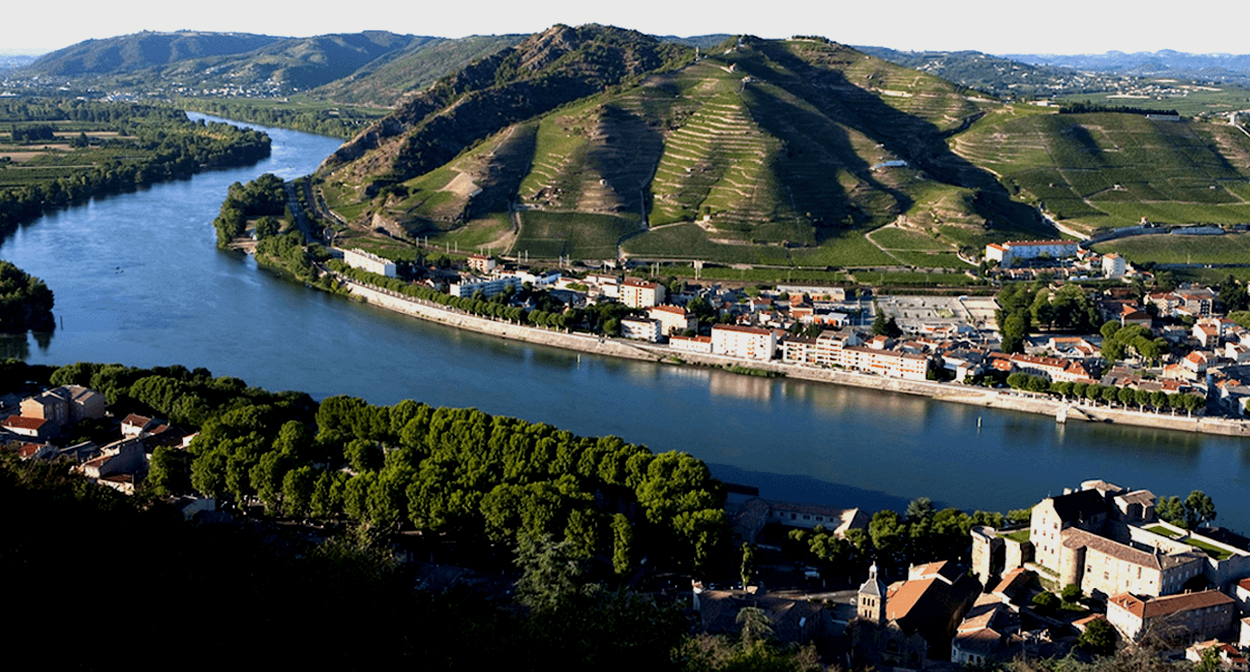
rhone valley 隆河河谷

Geographical Conditions

  • Diverse Soils: The local soil structure includes limestone clay, sandy soil, and gravel, which helps the vine roots penetrate deeply to absorb minerals, imparting richer flavor layers to the wine.

  • Altitude: Some vineyards are located in high-altitude areas, where the temperature difference between day and night helps to maintain the acidity and balance of the grapes.

Climatic Conditions

  • Mediterranean Climate: Hot and dry in summer, with mild and less rainy winters, which is very suitable for grape ripening.

  • Mistral Wind: This strong wind helps keep the vineyards dry, reduces the risk of disease, and promotes healthy growth of the grape clusters.

These blessed natural conditions give the wines of Côtes-du-Rhône Villages a rich fruit aroma, good structure, and balance.

Winemaking Regulations and Main Varieties

The winemaking regulations of Côtes-du-Rhône Villages are stricter than those of ordinary Côtes-du-Rhône to ensure that each bottle meets high-quality standards.

Red Wines

  • Main Varieties: Grenache, Syrah, and Mourvèdre.

  • Blend Ratio: These three main varieties must account for at least 66% of the total blend, with Grenache typically being the dominant variety.

  • Tasting Characteristics: Rich aromas of red fruits such as black cherry and raspberry, accompanied by spices, herbal notes, and mineral flavors. The tannin structure is moderate with aging potential.

White Wines and Rosé

  • White grape varieties include Grenache Blanc, Marsanne, and Roussanne, producing white wines that are fragrant with floral notes and a refreshing palate.

  • The rosé is known for its balance of fruitiness and acidity, making it an excellent choice for a refreshing summer drink.

Strict Regulations

The production regulations of Côtes-du-Rhône Villages cover every detail from grape cultivation to the winemaking process, such as:

  • Yield limits per hectare to ensure quality.

  • Must pass official tasting tests to obtain AOC certification.

Historical Heritage and Cultural Background

The winemaking history of Côtes-du-Rhône Villages dates back to ancient Roman times. The Romans introduced winemaking techniques to the Rhône Valley, and during the medieval period, monasteries further developed local grape cultivation techniques. However, the phylloxera plague in the late 19th century nearly devastated the entire region. Fortunately, in the early 20th century, the tireless efforts of local winemakers rejuvenated this land.

In 1967, Côtes-du-Rhône Villages officially received AOC (Appellation d'Origine Contrôlée) certification, after which 22 villages were allowed to label their village names on the wine label due to outstanding quality. For example:

  • Cairanne: Known for its rich and balanced red wines.

  • Rasteau: Specializes in producing sweet fortified wines.

  • Sablet: Produces red and white wines with rich fruit aromas and delicate structure.

Comparison with Other Regions: Uniqueness of Côtes-du-Rhône Villages

Here is a comparison of Côtes-du-Rhône Villages with other renowned French regions such as Châteauneuf-du-Pape and Beaujolais:

Characteristics Côtes-du-Rhône Villages Châteauneuf-du-Pape Beaujolais Main Varieties Grenache, Syrah, Mourvèdre Grenache, Mourvèdre, Syrah Gamay Price Positioning Mid-range price, high cost-performance entry to mid-tier in the high-end market Tasting Characteristics Rich fruit aroma, herbal notes, moderate tannin full-bodied and complex, multilayered light and aromatic, focused on red fruits Aging Potential 5-10 years over 10 years most are suitable for immediate drinking Market Recognition High cost-performance but slightly lower recognition highly recognized, regarded as a top region widely recognized, but most styles are lighter.

In comparison, Côtes-du-Rhône Villages offers a more affordable yet equally high-quality choice, making it perfect for everyday dining or gatherings.

Côtes-du-Rhône Villages 的獨特之處 Grenacha syrah mourvedre gamay
Red wine, Rhône, Côtes-du-Rhône Villages, French wine history. Explore the treasures of the Southern Rhône Valley in France: Côtes-du-Rhône Villages wine region.

Feature report

Explore the treasures of the Southern Rhône Valley in France: Côtes-du-Rhône Villages wine region

For wine lovers in Hong Kong, French wine has always been an indispensable choice on the table, and among the many French regions, Côtes-du-Rhône Villages is a place worth delving into. This region is located in the southern Rhône Valley of France and is highly regarded for its superior geographical conditions, unique winemaking style, and high cost-performance ratio. This article will detail the characteristics of Côtes-du-Rhône Villages for Hong Kong readers and explore its uniqueness compared to other regions.

Geographical and Climatic Advantages of Côtes-du-Rhône Villages

Côtes-du-Rhône Villages is situated in the southern Rhône Valley of France, encompassing 95 villages, 22 of which can label their village names on the wine label due to higher quality standards (such as Cairanne, Rasteau, and Séguret). These villages are distributed on both sides of the Rhône River valley, featuring varied terrain, including hills, terraces, and alluvial plains.

rhone valley 隆河河谷

Geographical Conditions

  • Diverse Soils: The local soil structure includes limestone clay, sandy soil, and gravel, which helps the vine roots penetrate deeply to absorb minerals, imparting richer flavor layers to the wine.

  • Altitude: Some vineyards are located in high-altitude areas, where the temperature difference between day and night helps to maintain the acidity and balance of the grapes.

Climatic Conditions

  • Mediterranean Climate: Hot and dry in summer, with mild and less rainy winters, which is very suitable for grape ripening.

  • Mistral Wind: This strong wind helps keep the vineyards dry, reduces the risk of disease, and promotes healthy growth of the grape clusters.

These blessed natural conditions give the wines of Côtes-du-Rhône Villages a rich fruit aroma, good structure, and balance.

Winemaking Regulations and Main Varieties

The winemaking regulations of Côtes-du-Rhône Villages are stricter than those of ordinary Côtes-du-Rhône to ensure that each bottle meets high-quality standards.

Red Wines

  • Main Varieties: Grenache, Syrah, and Mourvèdre.

  • Blend Ratio: These three main varieties must account for at least 66% of the total blend, with Grenache typically being the dominant variety.

  • Tasting Characteristics: Rich aromas of red fruits such as black cherry and raspberry, accompanied by spices, herbal notes, and mineral flavors. The tannin structure is moderate with aging potential.

White Wines and Rosé

  • White grape varieties include Grenache Blanc, Marsanne, and Roussanne, producing white wines that are fragrant with floral notes and a refreshing palate.

  • The rosé is known for its balance of fruitiness and acidity, making it an excellent choice for a refreshing summer drink.

Strict Regulations

The production regulations of Côtes-du-Rhône Villages cover every detail from grape cultivation to the winemaking process, such as:

  • Yield limits per hectare to ensure quality.

  • Must pass official tasting tests to obtain AOC certification.

Historical Heritage and Cultural Background

The winemaking history of Côtes-du-Rhône Villages dates back to ancient Roman times. The Romans introduced winemaking techniques to the Rhône Valley, and during the medieval period, monasteries further developed local grape cultivation techniques. However, the phylloxera plague in the late 19th century nearly devastated the entire region. Fortunately, in the early 20th century, the tireless efforts of local winemakers rejuvenated this land.

In 1967, Côtes-du-Rhône Villages officially received AOC (Appellation d'Origine Contrôlée) certification, after which 22 villages were allowed to label their village names on the wine label due to outstanding quality. For example:

  • Cairanne: Known for its rich and balanced red wines.

  • Rasteau: Specializes in producing sweet fortified wines.

  • Sablet: Produces red and white wines with rich fruit aromas and delicate structure.

Comparison with Other Regions: Uniqueness of Côtes-du-Rhône Villages

Here is a comparison of Côtes-du-Rhône Villages with other renowned French regions such as Châteauneuf-du-Pape and Beaujolais:

Characteristics Côtes-du-Rhône Villages Châteauneuf-du-Pape Beaujolais Main Varieties Grenache, Syrah, Mourvèdre Grenache, Mourvèdre, Syrah Gamay Price Positioning Mid-range price, high cost-performance entry to mid-tier in the high-end market Tasting Characteristics Rich fruit aroma, herbal notes, moderate tannin full-bodied and complex, multilayered light and aromatic, focused on red fruits Aging Potential 5-10 years over 10 years most are suitable for immediate drinking Market Recognition High cost-performance but slightly lower recognition highly recognized, regarded as a top region widely recognized, but most styles are lighter.

In comparison, Côtes-du-Rhône Villages offers a more affordable yet equally high-quality choice, making it perfect for everyday dining or gatherings.

Côtes-du-Rhône Villages 的獨特之處 Grenacha syrah mourvedre gamay

Feature report

The Runaway French Princess: The Legend and Charm of Italian Gavi White Wine

History and Stories

Gavi, a white wine from the Piedmont region of Italy, is known for its long history and romantic legends. It is said that the name Gavi comes from the story of the French princess Gavia. In the late 6th century, the princess chose to elope with her beloved knight to escape the pursuit of her father, King Clodomiro, and found refuge in a small town in Piedmont.

Gavi 皮埃蒙特的小鎮

Gavia built a home in the area and established friendly relations with the villagers. She ruled the town for many years, bringing peace and prosperity with her wisdom and leadership. Legend has it that she was buried under a marble altar at the entrance of the castle, where a coat of arms symbolizing the power that once ruled the village is engraved. These coats of arms may pay tribute to this strong princess who shaped the village of Gavi and left behind a romantic and inspiring legacy for future generations. In honor of her courage and kindness, the town was named Gavi, and this land later became the core area for Cortese grape cultivation.

The cultivation history of Cortese grapes in Italy can be traced back to the 17th century and was first recorded at noble banquets in the 18th century. By the mid-20th century, Gavi began to rise to fame as a white wine. In 1974, it received DOC (Denomination of Controlled Origin) certification, and in 1998 it was upgraded to DOCG (Denomination of Controlled Origin and Guarantee) status, becoming one of Italy's first internationally renowned white wines.

What Makes Gavi Unique

What makes Gavi so special lies in its core ingredient—Cortese grapes. These grapes are characterized by their thin skin and high acidity, making them well-suited to grow in the warm and sunny climate of Piedmont. These conditions give Gavi a bone-dry, crisp, and lively flavor, with complex layers of lemon, green apple, honeydew, and almond.

Cortese葡萄 Gavi

Moreover, Gavi is renowned for its diverse styles, including still white wine, sparkling wine, and classic method sparkling wine. Some high-quality Gavis even have excellent aging potential, developing aromas of honey, nuts, and even petroleum in the bottle. These variations make Gavi not only suitable for everyday drinking but also meet the demand for premium white wines.

It’s also worth mentioning that the soil environment where Gavi grows is diverse, including limestone, mineral-rich alluvial clay, and gravelly soils. Each type of soil imparts different flavor characteristics to the grapes, making every bottle of Gavi unique.

Reasons for Popularity

For white wine enthusiasts in Hong Kong, Gavi is undoubtedly an ideal choice, perfectly matching the fresh and crisp palate with Asian culinary culture. Whether paired with seafood, light appetizers, or herbaceous-flavored pasta, Gavi showcases excellent food pairing capabilities.

Additionally, Gavi is reasonably priced but of high quality, with most wines on the market being relatively affordable, making it a cost-effective choice for everyday dining. Coupled with its similarities to renowned white wines such as Chablis or Sauvignon Blanc, those who enjoy fresh white wines are likely to fall in love with it.

Finally, as the Piedmont region is committed to promoting this white wine through events like international wine tastings and masterclasses, more people are becoming aware of Gavi's charm. With 85% of its production exported to international markets, this classic Italian white wine is making its way around the globe.

Feature report

The Runaway French Princess: The Legend and Charm of Italian Gavi White Wine

History and Stories

Gavi, a white wine from the Piedmont region of Italy, is known for its long history and romantic legends. It is said that the name Gavi comes from the story of the French princess Gavia. In the late 6th century, the princess chose to elope with her beloved knight to escape the pursuit of her father, King Clodomiro, and found refuge in a small town in Piedmont.

Gavi 皮埃蒙特的小鎮

Gavia built a home in the area and established friendly relations with the villagers. She ruled the town for many years, bringing peace and prosperity with her wisdom and leadership. Legend has it that she was buried under a marble altar at the entrance of the castle, where a coat of arms symbolizing the power that once ruled the village is engraved. These coats of arms may pay tribute to this strong princess who shaped the village of Gavi and left behind a romantic and inspiring legacy for future generations. In honor of her courage and kindness, the town was named Gavi, and this land later became the core area for Cortese grape cultivation.

The cultivation history of Cortese grapes in Italy can be traced back to the 17th century and was first recorded at noble banquets in the 18th century. By the mid-20th century, Gavi began to rise to fame as a white wine. In 1974, it received DOC (Denomination of Controlled Origin) certification, and in 1998 it was upgraded to DOCG (Denomination of Controlled Origin and Guarantee) status, becoming one of Italy's first internationally renowned white wines.

What Makes Gavi Unique

What makes Gavi so special lies in its core ingredient—Cortese grapes. These grapes are characterized by their thin skin and high acidity, making them well-suited to grow in the warm and sunny climate of Piedmont. These conditions give Gavi a bone-dry, crisp, and lively flavor, with complex layers of lemon, green apple, honeydew, and almond.

Cortese葡萄 Gavi

Moreover, Gavi is renowned for its diverse styles, including still white wine, sparkling wine, and classic method sparkling wine. Some high-quality Gavis even have excellent aging potential, developing aromas of honey, nuts, and even petroleum in the bottle. These variations make Gavi not only suitable for everyday drinking but also meet the demand for premium white wines.

It’s also worth mentioning that the soil environment where Gavi grows is diverse, including limestone, mineral-rich alluvial clay, and gravelly soils. Each type of soil imparts different flavor characteristics to the grapes, making every bottle of Gavi unique.

Reasons for Popularity

For white wine enthusiasts in Hong Kong, Gavi is undoubtedly an ideal choice, perfectly matching the fresh and crisp palate with Asian culinary culture. Whether paired with seafood, light appetizers, or herbaceous-flavored pasta, Gavi showcases excellent food pairing capabilities.

Additionally, Gavi is reasonably priced but of high quality, with most wines on the market being relatively affordable, making it a cost-effective choice for everyday dining. Coupled with its similarities to renowned white wines such as Chablis or Sauvignon Blanc, those who enjoy fresh white wines are likely to fall in love with it.

Finally, as the Piedmont region is committed to promoting this white wine through events like international wine tastings and masterclasses, more people are becoming aware of Gavi's charm. With 85% of its production exported to international markets, this classic Italian white wine is making its way around the globe.

Château Latour: History and Legend

Feature report

Château Latour: The History and Legend of a Top French Winery

Château Latour is one of the top wineries in the Médoc region of Bordeaux, France. Its name "La Tour" comes from French, meaning "the tower" or "defensive bastion," symbolizing its deep historical background. This winery not only represents French wine culture but also stands as an important witness to the Hundred Years' War and European history. The following will delve into four parts exploring the story of Château Latour, product characteristics, tasting recommendations, and the extraordinary charm of the Latour second label.

1. Historical Background of Château Latour

The history of Château Latour dates back to 1331, when Gaucelme de Castillon was authorized to build a defensive tower in the parish of Saint-Maubert to protect the Gironde estuary from attacks. This tower later became an important strategic point during the Hundred Years' War and changed hands multiple times between the English and French sides. Its name evolved over time to "La Tour en Saint-Maubert," eventually simplified to "La Tour."

By the 17th century, the Latour estate was inherited by the Alexandre de Ségur family, which later acquired several famous estates including Lafite and Calon-Ségur, becoming one of the most powerful wine families of the time. Alexandre's son Nicolas-Alexandre de Ségur was even praised by King Louis XV as the "King of Wine." In the early 18th century, Latour began to emerge in the British market, with wine prices far exceeding ordinary Bordeaux, gaining great fame.

Marquis Nicolas-Alexandre de SégurMarquis Nicolas-Alexandre de Ségur

Marquis Nicolas-Alexandre de Ségur

In the 1855 Bordeaux classification, Château Latour was rated as one of the four first growths, a honor that further solidified its position in the global market.

2. Product Characteristics of Château Latour

Château Latour has about 78 hectares of vineyards, with the core 47-hectare parcel known as "L’Enclos"; only grapes from this parcel can be used to produce its flagship product "Grand Vin de Château Latour." This plot is famous for its deep gravel and clay soils, providing a unique microclimate and excellent drainage, elevating the grape quality to its peak.

Main Grape Varieties:

  • Cabernet Sauvignon: over 70% of the blend, providing structure and aging potential.

  • Merlot: adds smooth texture and balance.

  • Cabernet Franc and Petit Verdot: enhance aroma and complexity.

The products of Château Latour are divided into three tiers:

  1. Grand Vin: made from vines with an average age of over 60 years, it is one of the most representative top red wines in Bordeaux.

  2. Les Forts de Latour: the second wine, aimed at the mid-market at a more approachable price.

  3. Pauillac de Château Latour: the third wine, more suitable for everyday drinking.

3. Tasting Recommendations and Pairings

The red wines of Château Latour are known for their rich aromas of blackcurrant, cedar, and tobacco, exhibiting a strong tannic structure and high aging potential. The Grand Vin from top vintages can be stored for decades or even longer, with its complexity enhancing over time.

Tasting Recommendations:

  • Optimal Serving Temperature: 16°C to 18°C.

  • Decanting Time: young vintages are recommended to decant for 2 to 3 hours; older vintages should be decanted gently to preserve delicate flavors.

  • Food Pairings:

    • Red meat dishes like steak or lamb chops.

    • Dishes with rich sauces, such as Bordeaux beef stew.

    • Hard aged cheeses like Parmesan or Comté.

Château Latour: History and Legend

Feature report

Château Latour: The History and Legend of a Top French Winery

Château Latour is one of the top wineries in the Médoc region of Bordeaux, France. Its name "La Tour" comes from French, meaning "the tower" or "defensive bastion," symbolizing its deep historical background. This winery not only represents French wine culture but also stands as an important witness to the Hundred Years' War and European history. The following will delve into four parts exploring the story of Château Latour, product characteristics, tasting recommendations, and the extraordinary charm of the Latour second label.

1. Historical Background of Château Latour

The history of Château Latour dates back to 1331, when Gaucelme de Castillon was authorized to build a defensive tower in the parish of Saint-Maubert to protect the Gironde estuary from attacks. This tower later became an important strategic point during the Hundred Years' War and changed hands multiple times between the English and French sides. Its name evolved over time to "La Tour en Saint-Maubert," eventually simplified to "La Tour."

By the 17th century, the Latour estate was inherited by the Alexandre de Ségur family, which later acquired several famous estates including Lafite and Calon-Ségur, becoming one of the most powerful wine families of the time. Alexandre's son Nicolas-Alexandre de Ségur was even praised by King Louis XV as the "King of Wine." In the early 18th century, Latour began to emerge in the British market, with wine prices far exceeding ordinary Bordeaux, gaining great fame.

Marquis Nicolas-Alexandre de SégurMarquis Nicolas-Alexandre de Ségur

Marquis Nicolas-Alexandre de Ségur

In the 1855 Bordeaux classification, Château Latour was rated as one of the four first growths, a honor that further solidified its position in the global market.

2. Product Characteristics of Château Latour

Château Latour has about 78 hectares of vineyards, with the core 47-hectare parcel known as "L’Enclos"; only grapes from this parcel can be used to produce its flagship product "Grand Vin de Château Latour." This plot is famous for its deep gravel and clay soils, providing a unique microclimate and excellent drainage, elevating the grape quality to its peak.

Main Grape Varieties:

  • Cabernet Sauvignon: over 70% of the blend, providing structure and aging potential.

  • Merlot: adds smooth texture and balance.

  • Cabernet Franc and Petit Verdot: enhance aroma and complexity.

The products of Château Latour are divided into three tiers:

  1. Grand Vin: made from vines with an average age of over 60 years, it is one of the most representative top red wines in Bordeaux.

  2. Les Forts de Latour: the second wine, aimed at the mid-market at a more approachable price.

  3. Pauillac de Château Latour: the third wine, more suitable for everyday drinking.

3. Tasting Recommendations and Pairings

The red wines of Château Latour are known for their rich aromas of blackcurrant, cedar, and tobacco, exhibiting a strong tannic structure and high aging potential. The Grand Vin from top vintages can be stored for decades or even longer, with its complexity enhancing over time.

Tasting Recommendations:

  • Optimal Serving Temperature: 16°C to 18°C.

  • Decanting Time: young vintages are recommended to decant for 2 to 3 hours; older vintages should be decanted gently to preserve delicate flavors.

  • Food Pairings:

    • Red meat dishes like steak or lamb chops.

    • Dishes with rich sauces, such as Bordeaux beef stew.

    • Hard aged cheeses like Parmesan or Comté.

Elegance in High Temperatures: The Story and Investment Value of Vintage Champagne

Feature report

Elegance Under High Temperatures: The Story and Investment Value of Aged Champagne

The History and Origins of Champagne

Champagne, as a representative of sparkling wine, has a history that dates back to the late 17th century in the Champagne region of France. The monk Dom Pierre Pérignon is regarded as one of the founders of champagne production techniques. He dedicated himself to improving wine quality and discovered that blending different grape varieties could create a more balanced wine. With advancements in glass bottle manufacturing and the introduction of corks, bubbles were preserved in the bottle, and champagne gradually became a symbol of the nobility and high society.

In 1810, Veuve Clicquot launched the first vintage champagne, opening a new chapter in the champagne industry. Vintage champagne is only produced in years when grape quality is exceptional, requiring at least three years of bottle aging to enhance its rich, layered flavors. This winemaking method has made vintage champagne a symbol of luxury and quality.

Veuve Clicquot

Credit: My French Country Home Magazine

As one of the most famous sparkling wines in the world, champagne is divided into vintage champagne (Vintage Champagne) and non-vintage champagne (Non-Vintage Champagne, NV). These two types have significant differences in production methods, flavor characteristics, rarity, and pricing. The following will detail their differences.

Production Methods and Aging Time

Vintage champagne is made from grapes harvested from a single year and is produced only when the grape quality is exceptional that year, representing the essence of that year’s harvest. According to regulatory requirements, vintage champagne must be aged for at least three years, but many top brands like Krug and Cristal choose to extend aging time to five to ten years to enhance the complexity and depth of the wine.

Non-vintage champagne, on the other hand, is made from a blend of wines from multiple years, aimed at maintaining a stable brand style, ensuring consistent product quality even in years with less than ideal climate conditions. Non-vintage champagne requires only 15 months of aging, with at least 12 months spent maturing on yeast lees.

Flavor Characteristics

Due to longer aging times, vintage champagne exhibits richer and more complex flavors, including characteristics of nuts, toasted bread, cream, and honey, while the bubbles are more delicate. Over time, its oxidation brings deeper baked fruit and caramel flavors.

In contrast, non-vintage champagne typically focuses more on fresh fruit flavors such as apple, citrus, and berries, with a refreshing palate and distinct acidity, making it more suitable for everyday drinking or as an aperitif.

Rarity and Price

Vintage champagne is considered a rare delicacy as it is produced only in specific years and in limited quantities, with prices generally higher than those of non-vintage champagne. For example, some well-known brands such as Dom Pérignon and Louis Roederer Cristal only produce vintage champagne, and their market value continues to grow over time.

Dom Pérignon 香檳 屈臣氏酒窖 (Watson's Wine)

Dom Pérignon Champagne

Louis Roederer Crista 香檳 屈臣氏酒窖 (Watson's Wine)

Louis Roederer Cristal Champagne

Non-vintage champagne, due to its large production scale and stable supply, is relatively affordable and is the mainstay of the mass market.

Introduction to Exceptional Years

Vintage champagne displays unique flavors depending on the climate conditions of each year. Here are some recognized exceptional years and their characteristics:

  • 1988: Grapes matured slowly, giving the champagne a delicate and complex palate with an elegant texture. Recommended brands include Ruinart Dom Ruinart and Pol Roger Cuvée Sir Winston Churchill.

  • 1996: This year saw excellent grape maturity, producing champagne with a rich palate and balanced acidity and sweetness. Billecart-Salmon Clos Saint Hilaire is a classic choice from this vintage.

  • 2002: Known as the 'perfect vintage', the grapes were balanced in quality, resulting in champagne with an exquisite structure and longevity. Recommended brands include Louis Roederer Cristal and Dom Pérignon.

  • 2008: Cool nights created grapes with excellent acidity, resulting in champagne that is both elegant and powerful. Taittinger Comtes de Champagne is a representative masterpiece from this vintage.

  • 2012: This year's stable climate produced grapes with high maturity and balanced acidity, resulting in champagne with significant aging potential. Dom Pérignon Vintage 2012 is the standout product from this vintage.

  • 2015: Grapes ripened well under hot conditions, resulting in champagne that exhibits rich fruit flavors and an elegant structure. Canard Duchene Champagne Vintage 2015 is praised as 'elegance under heat', making it an outstanding creation.

These exceptional years not only reflect the influence of natural conditions on the art of winemaking but also provide collectors with a basis for selection.

Elegance in High Temperatures: The Story and Investment Value of Vintage Champagne

Feature report

Elegance Under High Temperatures: The Story and Investment Value of Aged Champagne

The History and Origins of Champagne

Champagne, as a representative of sparkling wine, has a history that dates back to the late 17th century in the Champagne region of France. The monk Dom Pierre Pérignon is regarded as one of the founders of champagne production techniques. He dedicated himself to improving wine quality and discovered that blending different grape varieties could create a more balanced wine. With advancements in glass bottle manufacturing and the introduction of corks, bubbles were preserved in the bottle, and champagne gradually became a symbol of the nobility and high society.

In 1810, Veuve Clicquot launched the first vintage champagne, opening a new chapter in the champagne industry. Vintage champagne is only produced in years when grape quality is exceptional, requiring at least three years of bottle aging to enhance its rich, layered flavors. This winemaking method has made vintage champagne a symbol of luxury and quality.

Veuve Clicquot

Credit: My French Country Home Magazine

As one of the most famous sparkling wines in the world, champagne is divided into vintage champagne (Vintage Champagne) and non-vintage champagne (Non-Vintage Champagne, NV). These two types have significant differences in production methods, flavor characteristics, rarity, and pricing. The following will detail their differences.

Production Methods and Aging Time

Vintage champagne is made from grapes harvested from a single year and is produced only when the grape quality is exceptional that year, representing the essence of that year’s harvest. According to regulatory requirements, vintage champagne must be aged for at least three years, but many top brands like Krug and Cristal choose to extend aging time to five to ten years to enhance the complexity and depth of the wine.

Non-vintage champagne, on the other hand, is made from a blend of wines from multiple years, aimed at maintaining a stable brand style, ensuring consistent product quality even in years with less than ideal climate conditions. Non-vintage champagne requires only 15 months of aging, with at least 12 months spent maturing on yeast lees.

Flavor Characteristics

Due to longer aging times, vintage champagne exhibits richer and more complex flavors, including characteristics of nuts, toasted bread, cream, and honey, while the bubbles are more delicate. Over time, its oxidation brings deeper baked fruit and caramel flavors.

In contrast, non-vintage champagne typically focuses more on fresh fruit flavors such as apple, citrus, and berries, with a refreshing palate and distinct acidity, making it more suitable for everyday drinking or as an aperitif.

Rarity and Price

Vintage champagne is considered a rare delicacy as it is produced only in specific years and in limited quantities, with prices generally higher than those of non-vintage champagne. For example, some well-known brands such as Dom Pérignon and Louis Roederer Cristal only produce vintage champagne, and their market value continues to grow over time.

Dom Pérignon 香檳 屈臣氏酒窖 (Watson's Wine)

Dom Pérignon Champagne

Louis Roederer Crista 香檳 屈臣氏酒窖 (Watson's Wine)

Louis Roederer Cristal Champagne

Non-vintage champagne, due to its large production scale and stable supply, is relatively affordable and is the mainstay of the mass market.

Introduction to Exceptional Years

Vintage champagne displays unique flavors depending on the climate conditions of each year. Here are some recognized exceptional years and their characteristics:

  • 1988: Grapes matured slowly, giving the champagne a delicate and complex palate with an elegant texture. Recommended brands include Ruinart Dom Ruinart and Pol Roger Cuvée Sir Winston Churchill.

  • 1996: This year saw excellent grape maturity, producing champagne with a rich palate and balanced acidity and sweetness. Billecart-Salmon Clos Saint Hilaire is a classic choice from this vintage.

  • 2002: Known as the 'perfect vintage', the grapes were balanced in quality, resulting in champagne with an exquisite structure and longevity. Recommended brands include Louis Roederer Cristal and Dom Pérignon.

  • 2008: Cool nights created grapes with excellent acidity, resulting in champagne that is both elegant and powerful. Taittinger Comtes de Champagne is a representative masterpiece from this vintage.

  • 2012: This year's stable climate produced grapes with high maturity and balanced acidity, resulting in champagne with significant aging potential. Dom Pérignon Vintage 2012 is the standout product from this vintage.

  • 2015: Grapes ripened well under hot conditions, resulting in champagne that exhibits rich fruit flavors and an elegant structure. Canard Duchene Champagne Vintage 2015 is praised as 'elegance under heat', making it an outstanding creation.

These exceptional years not only reflect the influence of natural conditions on the art of winemaking but also provide collectors with a basis for selection.

The perfect encounter of wine with char siu, roasted meat, and Hong Kong-style barbecued delights: an unexpected delicious combination.

Feature report

The perfect encounter of wine and Hong Kong-style roasted meats: an unexpected delicious combination.

In this culinary paradise of Hong Kong, traditional Cantonese roasted meats have always been an indispensable part of the local dining culture. This article will take you on a journey to explore the wonderful pairing of wine with Cantonese roasted meats, revealing the latest trends in red wine and food pairing, as well as how this innovative combination reflects the current wine trends.

In this culinary paradise of Hong Kong, Cantonese roasted meats have been the soul of the local dining culture, from the fragrant char siu to the crispy-skinned roasted goose, these classic flavors accompany countless individuals in their daily meals. However, with the growing popularity of wine culture, an exciting question arises: how can these seemingly unrelated gastronomic elements be perfectly combined? As an authoritative website that shares wine pairing tips, we will guide you in discovering the stunning pairings of wine with Cantonese roasted meats, seeing how to breathe new life into roasted meats; whether you are a wine lover or a roasted meat enthusiast, this article will open up a dual adventure of taste and culture for you.

Why Should You Try Wine with Cantonese Roasted Meats?

The food culture in Hong Kong is never short of surprises. According to data from the Hong Kong Tourism Board's 2023 report, locals consume an average of over 20 kilograms of roasted meats each year, highlighting their significant place in the local dining scene (Hong Kong Tourism Board Food Report 2023). At the same time, the popularity of wine in Hong Kong is rising rapidly, with the total import value of wine reaching $1.2 billion in 2024, a 15% increase compared to the previous year (Hong Kong Wine Import Statistics). This trend has given rise to an interesting question: how can wine and Cantonese roasted meats—two completely different gastronomic delights—be combined?

The answer lies in their complementarity. Cantonese roasted meats are known for their rich fats, the intertwining flavors of sweet and salty, and their multi-layered textures, while wine, especially red wine, can neutralize the greasiness of roasted meats with its tannins and fruity aromas, while enhancing their deliciousness. For instance, the richness of roasted goose complements the structure of Bordeaux blends, while the sweetness of char siu beautifully echoes the soft fruitiness of Pinot Noir. This pairing is a microcosm of the blending of Eastern and Western food cultures, reflecting the unique charm of Hong Kong as a culinary melting pot.

Global food trends are also driving this innovation. According to a report by Wine Enthusiast in 2024, the Asian market is increasingly focusing on localized wine pairings, as consumers desire to incorporate wine into their daily meals rather than limiting it to Western occasions (Wine Enthusiast Asia Trends 2024). In Hong Kong, this means that wine is no longer just the preserve of steak dinners but can dance alongside the classic flavors of roasted meat shops.

Classic Wine Pairing Suggestions with Cantonese Roasted Meats

Want to know how to pair wine perfectly with Cantonese roasted meats? We have conducted in-depth research into the flavor characteristics of roasted meats and combined them with the principles of red wine and food pairing to recommend the following classic combinations, so you can easily experiment at home or in restaurants:

Roasted Goose x Bordeaux Blend

Recommended Wine: Château La Lagune 2018

Palate: Medium acidity, soft tannins, with flavors of blackberry and spice.

Price: Around HK$400-450

Pairing Reason: The rich fat of roasted goose, with its crispy skin and tender meat, is balanced by the Cabernet Sauvignon and Merlot in Bordeaux blends, which can neutralize greasiness and enhance the fresh deliciousness of the meat through the constraining effect of tannins.

Real Example: The Hong Kong restaurant "Yat Gor Roasted Goose" offers classic roasted goose, pairing this wine allows you to experience the balance of oiliness and fruitiness.

Char Siu x Pinot Noir

Recommended Wine: Cloudy Bay Pinot Noir 2021

Palate: Light fruity aromas, with flavors of cherry and raspberry, and smooth tannins.

Price: Around HK$300-350

Pairing Reason: The honey sweetness and slightly charred aroma of char siu complement the elegant fruit flavors of Pinot Noir, the light body does not overpower, allowing the flavors of char siu to become more pronounced.

Real Example: Order a portion of honey-glazed char siu at "Tai Wong Wah Restaurant", pairing it with this wine creates a sweet yet not cloying experience that leaves a lasting impression.

Roast Pork x Shiraz/Syrah

Recommended Wine: Penfolds Bin 28 Shiraz 2020

Palate: Intense dark fruit aromas, with pepper and smoky notes, full-bodied.

Price: Around HK$250-300

Pairing Reason: The salty aroma and fatty texture of roast pork contrast with the spiciness and fruitiness of Shiraz, and the rich tannins can cut through greasiness, making every bite full of layers.

Real Example: Try roast pork at "Hing Kee Roasted Meat", pairing it with this wine creates an amazing collision of salty and peppery flavors.
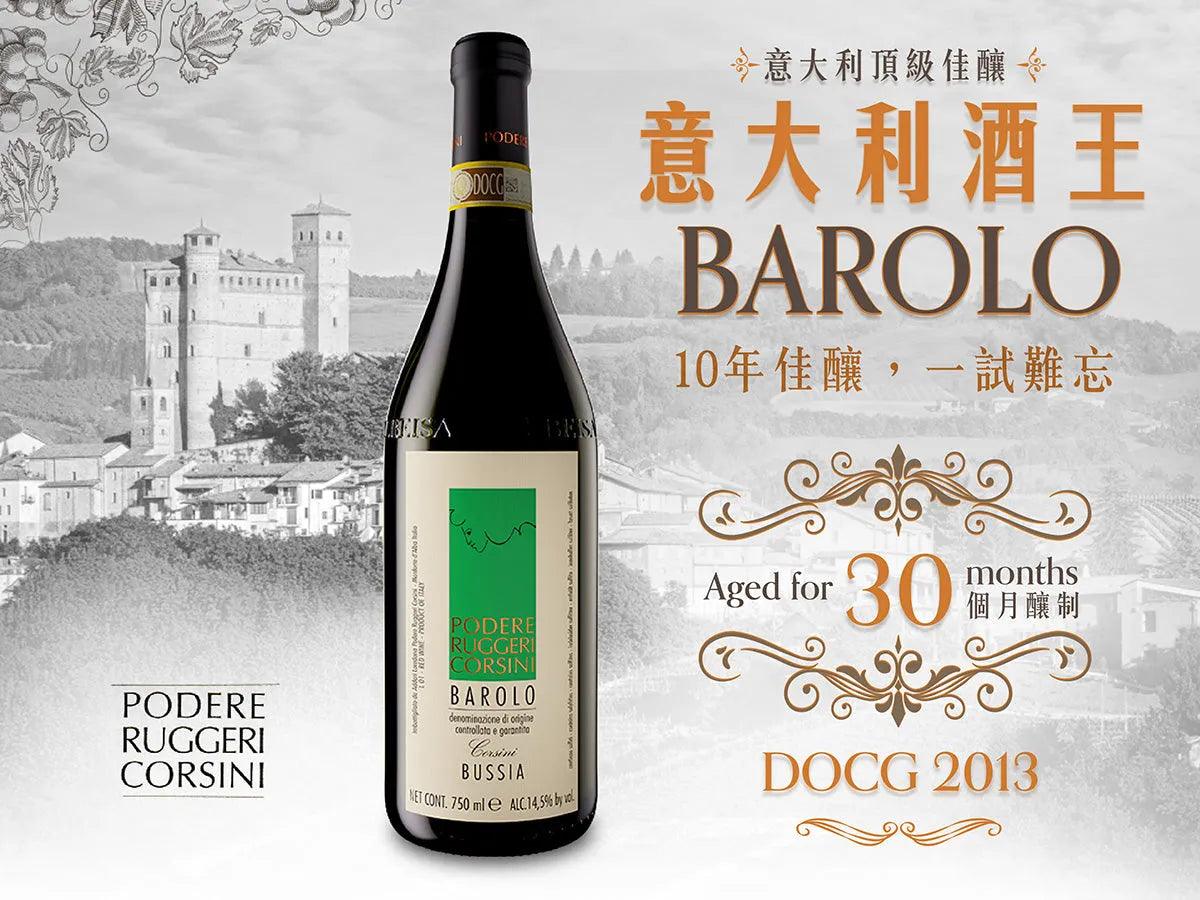
Red wine, Rhône, Côtes-du-Rhône Villages, French wine history. Explore the treasures of the Southern Rhône Valley in France: Côtes-du-Rhône Villages wine region.

Feature report

Explore the treasures of the Southern Rhône Valley in France: Côtes-du-Rhône Villages wine region

For wine lovers in Hong Kong, French wine has always been an indispensable choice on the table, and among the many French regions, Côtes-du-Rhône Villages is a place worth delving into. This region is located in the southern Rhône Valley of France and is highly regarded for its superior geographical conditions, unique winemaking style, and high cost-performance ratio. This article will detail the characteristics of Côtes-du-Rhône Villages for Hong Kong readers and explore its uniqueness compared to other regions.

Geographical and Climatic Advantages of Côtes-du-Rhône Villages

Côtes-du-Rhône Villages is situated in the southern Rhône Valley of France, encompassing 95 villages, 22 of which can label their village names on the wine label due to higher quality standards (such as Cairanne, Rasteau, and Séguret). These villages are distributed on both sides of the Rhône River valley, featuring varied terrain, including hills, terraces, and alluvial plains.

rhone valley 隆河河谷

Geographical Conditions

  • Diverse Soils: The local soil structure includes limestone clay, sandy soil, and gravel, which helps the vine roots penetrate deeply to absorb minerals, imparting richer flavor layers to the wine.

  • Altitude: Some vineyards are located in high-altitude areas, where the temperature difference between day and night helps to maintain the acidity and balance of the grapes.

Climatic Conditions

  • Mediterranean Climate: Hot and dry in summer, with mild and less rainy winters, which is very suitable for grape ripening.

  • Mistral Wind: This strong wind helps keep the vineyards dry, reduces the risk of disease, and promotes healthy growth of the grape clusters.

These blessed natural conditions give the wines of Côtes-du-Rhône Villages a rich fruit aroma, good structure, and balance.

Winemaking Regulations and Main Varieties

The winemaking regulations of Côtes-du-Rhône Villages are stricter than those of ordinary Côtes-du-Rhône to ensure that each bottle meets high-quality standards.

Red Wines

  • Main Varieties: Grenache, Syrah, and Mourvèdre.

  • Blend Ratio: These three main varieties must account for at least 66% of the total blend, with Grenache typically being the dominant variety.

  • Tasting Characteristics: Rich aromas of red fruits such as black cherry and raspberry, accompanied by spices, herbal notes, and mineral flavors. The tannin structure is moderate with aging potential.

White Wines and Rosé

  • White grape varieties include Grenache Blanc, Marsanne, and Roussanne, producing white wines that are fragrant with floral notes and a refreshing palate.

  • The rosé is known for its balance of fruitiness and acidity, making it an excellent choice for a refreshing summer drink.

Strict Regulations

The production regulations of Côtes-du-Rhône Villages cover every detail from grape cultivation to the winemaking process, such as:

  • Yield limits per hectare to ensure quality.

  • Must pass official tasting tests to obtain AOC certification.

Historical Heritage and Cultural Background

The winemaking history of Côtes-du-Rhône Villages dates back to ancient Roman times. The Romans introduced winemaking techniques to the Rhône Valley, and during the medieval period, monasteries further developed local grape cultivation techniques. However, the phylloxera plague in the late 19th century nearly devastated the entire region. Fortunately, in the early 20th century, the tireless efforts of local winemakers rejuvenated this land.

In 1967, Côtes-du-Rhône Villages officially received AOC (Appellation d'Origine Contrôlée) certification, after which 22 villages were allowed to label their village names on the wine label due to outstanding quality. For example:

  • Cairanne: Known for its rich and balanced red wines.

  • Rasteau: Specializes in producing sweet fortified wines.

  • Sablet: Produces red and white wines with rich fruit aromas and delicate structure.

Comparison with Other Regions: Uniqueness of Côtes-du-Rhône Villages

Here is a comparison of Côtes-du-Rhône Villages with other renowned French regions such as Châteauneuf-du-Pape and Beaujolais:

Characteristics Côtes-du-Rhône Villages Châteauneuf-du-Pape Beaujolais Main Varieties Grenache, Syrah, Mourvèdre Grenache, Mourvèdre, Syrah Gamay Price Positioning Mid-range price, high cost-performance entry to mid-tier in the high-end market Tasting Characteristics Rich fruit aroma, herbal notes, moderate tannin full-bodied and complex, multilayered light and aromatic, focused on red fruits Aging Potential 5-10 years over 10 years most are suitable for immediate drinking Market Recognition High cost-performance but slightly lower recognition highly recognized, regarded as a top region widely recognized, but most styles are lighter.

In comparison, Côtes-du-Rhône Villages offers a more affordable yet equally high-quality choice, making it perfect for everyday dining or gatherings.

Côtes-du-Rhône Villages 的獨特之處 Grenacha syrah mourvedre gamay

Feature report

The Runaway French Princess: The Legend and Charm of Italian Gavi White Wine

History and Stories

Gavi, a white wine from the Piedmont region of Italy, is known for its long history and romantic legends. It is said that the name Gavi comes from the story of the French princess Gavia. In the late 6th century, the princess chose to elope with her beloved knight to escape the pursuit of her father, King Clodomiro, and found refuge in a small town in Piedmont.

Gavi 皮埃蒙特的小鎮

Gavia built a home in the area and established friendly relations with the villagers. She ruled the town for many years, bringing peace and prosperity with her wisdom and leadership. Legend has it that she was buried under a marble altar at the entrance of the castle, where a coat of arms symbolizing the power that once ruled the village is engraved. These coats of arms may pay tribute to this strong princess who shaped the village of Gavi and left behind a romantic and inspiring legacy for future generations. In honor of her courage and kindness, the town was named Gavi, and this land later became the core area for Cortese grape cultivation.

The cultivation history of Cortese grapes in Italy can be traced back to the 17th century and was first recorded at noble banquets in the 18th century. By the mid-20th century, Gavi began to rise to fame as a white wine. In 1974, it received DOC (Denomination of Controlled Origin) certification, and in 1998 it was upgraded to DOCG (Denomination of Controlled Origin and Guarantee) status, becoming one of Italy's first internationally renowned white wines.

What Makes Gavi Unique

What makes Gavi so special lies in its core ingredient—Cortese grapes. These grapes are characterized by their thin skin and high acidity, making them well-suited to grow in the warm and sunny climate of Piedmont. These conditions give Gavi a bone-dry, crisp, and lively flavor, with complex layers of lemon, green apple, honeydew, and almond.

Cortese葡萄 Gavi

Moreover, Gavi is renowned for its diverse styles, including still white wine, sparkling wine, and classic method sparkling wine. Some high-quality Gavis even have excellent aging potential, developing aromas of honey, nuts, and even petroleum in the bottle. These variations make Gavi not only suitable for everyday drinking but also meet the demand for premium white wines.

It’s also worth mentioning that the soil environment where Gavi grows is diverse, including limestone, mineral-rich alluvial clay, and gravelly soils. Each type of soil imparts different flavor characteristics to the grapes, making every bottle of Gavi unique.

Reasons for Popularity

For white wine enthusiasts in Hong Kong, Gavi is undoubtedly an ideal choice, perfectly matching the fresh and crisp palate with Asian culinary culture. Whether paired with seafood, light appetizers, or herbaceous-flavored pasta, Gavi showcases excellent food pairing capabilities.

Additionally, Gavi is reasonably priced but of high quality, with most wines on the market being relatively affordable, making it a cost-effective choice for everyday dining. Coupled with its similarities to renowned white wines such as Chablis or Sauvignon Blanc, those who enjoy fresh white wines are likely to fall in love with it.

Finally, as the Piedmont region is committed to promoting this white wine through events like international wine tastings and masterclasses, more people are becoming aware of Gavi's charm. With 85% of its production exported to international markets, this classic Italian white wine is making its way around the globe.

Château Latour: History and Legend

Feature report

Château Latour: The History and Legend of a Top French Winery

Château Latour is one of the top wineries in the Médoc region of Bordeaux, France. Its name "La Tour" comes from French, meaning "the tower" or "defensive bastion," symbolizing its deep historical background. This winery not only represents French wine culture but also stands as an important witness to the Hundred Years' War and European history. The following will delve into four parts exploring the story of Château Latour, product characteristics, tasting recommendations, and the extraordinary charm of the Latour second label.

1. Historical Background of Château Latour

The history of Château Latour dates back to 1331, when Gaucelme de Castillon was authorized to build a defensive tower in the parish of Saint-Maubert to protect the Gironde estuary from attacks. This tower later became an important strategic point during the Hundred Years' War and changed hands multiple times between the English and French sides. Its name evolved over time to "La Tour en Saint-Maubert," eventually simplified to "La Tour."

By the 17th century, the Latour estate was inherited by the Alexandre de Ségur family, which later acquired several famous estates including Lafite and Calon-Ségur, becoming one of the most powerful wine families of the time. Alexandre's son Nicolas-Alexandre de Ségur was even praised by King Louis XV as the "King of Wine." In the early 18th century, Latour began to emerge in the British market, with wine prices far exceeding ordinary Bordeaux, gaining great fame.

Marquis Nicolas-Alexandre de SégurMarquis Nicolas-Alexandre de Ségur

Marquis Nicolas-Alexandre de Ségur

In the 1855 Bordeaux classification, Château Latour was rated as one of the four first growths, a honor that further solidified its position in the global market.

2. Product Characteristics of Château Latour

Château Latour has about 78 hectares of vineyards, with the core 47-hectare parcel known as "L’Enclos"; only grapes from this parcel can be used to produce its flagship product "Grand Vin de Château Latour." This plot is famous for its deep gravel and clay soils, providing a unique microclimate and excellent drainage, elevating the grape quality to its peak.

Main Grape Varieties:

  • Cabernet Sauvignon: over 70% of the blend, providing structure and aging potential.

  • Merlot: adds smooth texture and balance.

  • Cabernet Franc and Petit Verdot: enhance aroma and complexity.

The products of Château Latour are divided into three tiers:

  1. Grand Vin: made from vines with an average age of over 60 years, it is one of the most representative top red wines in Bordeaux.

  2. Les Forts de Latour: the second wine, aimed at the mid-market at a more approachable price.

  3. Pauillac de Château Latour: the third wine, more suitable for everyday drinking.

3. Tasting Recommendations and Pairings

The red wines of Château Latour are known for their rich aromas of blackcurrant, cedar, and tobacco, exhibiting a strong tannic structure and high aging potential. The Grand Vin from top vintages can be stored for decades or even longer, with its complexity enhancing over time.

Tasting Recommendations:

  • Optimal Serving Temperature: 16°C to 18°C.

  • Decanting Time: young vintages are recommended to decant for 2 to 3 hours; older vintages should be decanted gently to preserve delicate flavors.

  • Food Pairings:

    • Red meat dishes like steak or lamb chops.

    • Dishes with rich sauces, such as Bordeaux beef stew.

    • Hard aged cheeses like Parmesan or Comté.

The perfect encounter of wine with char siu, roasted meat, and Hong Kong-style barbecued delights: an unexpected delicious combination.

Feature report

The perfect encounter of wine and Hong Kong-style roasted meats: an unexpected delicious combination.

In this culinary paradise of Hong Kong, traditional Cantonese roasted meats have always been an indispensable part of the local dining culture. This article will take you on a journey to explore the wonderful pairing of wine with Cantonese roasted meats, revealing the latest trends in red wine and food pairing, as well as how this innovative combination reflects the current wine trends.

In this culinary paradise of Hong Kong, Cantonese roasted meats have been the soul of the local dining culture, from the fragrant char siu to the crispy-skinned roasted goose, these classic flavors accompany countless individuals in their daily meals. However, with the growing popularity of wine culture, an exciting question arises: how can these seemingly unrelated gastronomic elements be perfectly combined? As an authoritative website that shares wine pairing tips, we will guide you in discovering the stunning pairings of wine with Cantonese roasted meats, seeing how to breathe new life into roasted meats; whether you are a wine lover or a roasted meat enthusiast, this article will open up a dual adventure of taste and culture for you.

Why Should You Try Wine with Cantonese Roasted Meats?

The food culture in Hong Kong is never short of surprises. According to data from the Hong Kong Tourism Board's 2023 report, locals consume an average of over 20 kilograms of roasted meats each year, highlighting their significant place in the local dining scene (Hong Kong Tourism Board Food Report 2023). At the same time, the popularity of wine in Hong Kong is rising rapidly, with the total import value of wine reaching $1.2 billion in 2024, a 15% increase compared to the previous year (Hong Kong Wine Import Statistics). This trend has given rise to an interesting question: how can wine and Cantonese roasted meats—two completely different gastronomic delights—be combined?

The answer lies in their complementarity. Cantonese roasted meats are known for their rich fats, the intertwining flavors of sweet and salty, and their multi-layered textures, while wine, especially red wine, can neutralize the greasiness of roasted meats with its tannins and fruity aromas, while enhancing their deliciousness. For instance, the richness of roasted goose complements the structure of Bordeaux blends, while the sweetness of char siu beautifully echoes the soft fruitiness of Pinot Noir. This pairing is a microcosm of the blending of Eastern and Western food cultures, reflecting the unique charm of Hong Kong as a culinary melting pot.

Global food trends are also driving this innovation. According to a report by Wine Enthusiast in 2024, the Asian market is increasingly focusing on localized wine pairings, as consumers desire to incorporate wine into their daily meals rather than limiting it to Western occasions (Wine Enthusiast Asia Trends 2024). In Hong Kong, this means that wine is no longer just the preserve of steak dinners but can dance alongside the classic flavors of roasted meat shops.

Classic Wine Pairing Suggestions with Cantonese Roasted Meats

Want to know how to pair wine perfectly with Cantonese roasted meats? We have conducted in-depth research into the flavor characteristics of roasted meats and combined them with the principles of red wine and food pairing to recommend the following classic combinations, so you can easily experiment at home or in restaurants:

Roasted Goose x Bordeaux Blend

Recommended Wine: Château La Lagune 2018

Palate: Medium acidity, soft tannins, with flavors of blackberry and spice.

Price: Around HK$400-450

Pairing Reason: The rich fat of roasted goose, with its crispy skin and tender meat, is balanced by the Cabernet Sauvignon and Merlot in Bordeaux blends, which can neutralize greasiness and enhance the fresh deliciousness of the meat through the constraining effect of tannins.

Real Example: The Hong Kong restaurant "Yat Gor Roasted Goose" offers classic roasted goose, pairing this wine allows you to experience the balance of oiliness and fruitiness.

Char Siu x Pinot Noir

Recommended Wine: Cloudy Bay Pinot Noir 2021

Palate: Light fruity aromas, with flavors of cherry and raspberry, and smooth tannins.

Price: Around HK$300-350

Pairing Reason: The honey sweetness and slightly charred aroma of char siu complement the elegant fruit flavors of Pinot Noir, the light body does not overpower, allowing the flavors of char siu to become more pronounced.

Real Example: Order a portion of honey-glazed char siu at "Tai Wong Wah Restaurant", pairing it with this wine creates a sweet yet not cloying experience that leaves a lasting impression.

Roast Pork x Shiraz/Syrah

Recommended Wine: Penfolds Bin 28 Shiraz 2020

Palate: Intense dark fruit aromas, with pepper and smoky notes, full-bodied.

Price: Around HK$250-300

Pairing Reason: The salty aroma and fatty texture of roast pork contrast with the spiciness and fruitiness of Shiraz, and the rich tannins can cut through greasiness, making every bite full of layers.

Real Example: Try roast pork at "Hing Kee Roasted Meat", pairing it with this wine creates an amazing collision of salty and peppery flavors.
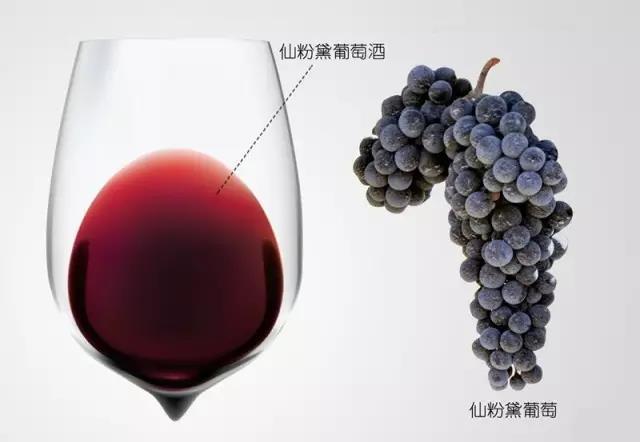
Red wine, Rhône, Côtes-du-Rhône Villages, French wine history. Explore the treasures of the Southern Rhône Valley in France: Côtes-du-Rhône Villages wine region.

Feature report

Explore the treasures of the Southern Rhône Valley in France: Côtes-du-Rhône Villages wine region

For wine lovers in Hong Kong, French wine has always been an indispensable choice on the table, and among the many French regions, Côtes-du-Rhône Villages is a place worth delving into. This region is located in the southern Rhône Valley of France and is highly regarded for its superior geographical conditions, unique winemaking style, and high cost-performance ratio. This article will detail the characteristics of Côtes-du-Rhône Villages for Hong Kong readers and explore its uniqueness compared to other regions.

Geographical and Climatic Advantages of Côtes-du-Rhône Villages

Côtes-du-Rhône Villages is situated in the southern Rhône Valley of France, encompassing 95 villages, 22 of which can label their village names on the wine label due to higher quality standards (such as Cairanne, Rasteau, and Séguret). These villages are distributed on both sides of the Rhône River valley, featuring varied terrain, including hills, terraces, and alluvial plains.

rhone valley 隆河河谷

Geographical Conditions

  • Diverse Soils: The local soil structure includes limestone clay, sandy soil, and gravel, which helps the vine roots penetrate deeply to absorb minerals, imparting richer flavor layers to the wine.

  • Altitude: Some vineyards are located in high-altitude areas, where the temperature difference between day and night helps to maintain the acidity and balance of the grapes.

Climatic Conditions

  • Mediterranean Climate: Hot and dry in summer, with mild and less rainy winters, which is very suitable for grape ripening.

  • Mistral Wind: This strong wind helps keep the vineyards dry, reduces the risk of disease, and promotes healthy growth of the grape clusters.

These blessed natural conditions give the wines of Côtes-du-Rhône Villages a rich fruit aroma, good structure, and balance.

Winemaking Regulations and Main Varieties

The winemaking regulations of Côtes-du-Rhône Villages are stricter than those of ordinary Côtes-du-Rhône to ensure that each bottle meets high-quality standards.

Red Wines

  • Main Varieties: Grenache, Syrah, and Mourvèdre.

  • Blend Ratio: These three main varieties must account for at least 66% of the total blend, with Grenache typically being the dominant variety.

  • Tasting Characteristics: Rich aromas of red fruits such as black cherry and raspberry, accompanied by spices, herbal notes, and mineral flavors. The tannin structure is moderate with aging potential.

White Wines and Rosé

  • White grape varieties include Grenache Blanc, Marsanne, and Roussanne, producing white wines that are fragrant with floral notes and a refreshing palate.

  • The rosé is known for its balance of fruitiness and acidity, making it an excellent choice for a refreshing summer drink.

Strict Regulations

The production regulations of Côtes-du-Rhône Villages cover every detail from grape cultivation to the winemaking process, such as:

  • Yield limits per hectare to ensure quality.

  • Must pass official tasting tests to obtain AOC certification.

Historical Heritage and Cultural Background

The winemaking history of Côtes-du-Rhône Villages dates back to ancient Roman times. The Romans introduced winemaking techniques to the Rhône Valley, and during the medieval period, monasteries further developed local grape cultivation techniques. However, the phylloxera plague in the late 19th century nearly devastated the entire region. Fortunately, in the early 20th century, the tireless efforts of local winemakers rejuvenated this land.

In 1967, Côtes-du-Rhône Villages officially received AOC (Appellation d'Origine Contrôlée) certification, after which 22 villages were allowed to label their village names on the wine label due to outstanding quality. For example:

  • Cairanne: Known for its rich and balanced red wines.

  • Rasteau: Specializes in producing sweet fortified wines.

  • Sablet: Produces red and white wines with rich fruit aromas and delicate structure.

Comparison with Other Regions: Uniqueness of Côtes-du-Rhône Villages

Here is a comparison of Côtes-du-Rhône Villages with other renowned French regions such as Châteauneuf-du-Pape and Beaujolais:

Characteristics Côtes-du-Rhône Villages Châteauneuf-du-Pape Beaujolais Main Varieties Grenache, Syrah, Mourvèdre Grenache, Mourvèdre, Syrah Gamay Price Positioning Mid-range price, high cost-performance entry to mid-tier in the high-end market Tasting Characteristics Rich fruit aroma, herbal notes, moderate tannin full-bodied and complex, multilayered light and aromatic, focused on red fruits Aging Potential 5-10 years over 10 years most are suitable for immediate drinking Market Recognition High cost-performance but slightly lower recognition highly recognized, regarded as a top region widely recognized, but most styles are lighter.

In comparison, Côtes-du-Rhône Villages offers a more affordable yet equally high-quality choice, making it perfect for everyday dining or gatherings.

Côtes-du-Rhône Villages 的獨特之處 Grenacha syrah mourvedre gamay

Feature report

The Runaway French Princess: The Legend and Charm of Italian Gavi White Wine

History and Stories

Gavi, a white wine from the Piedmont region of Italy, is known for its long history and romantic legends. It is said that the name Gavi comes from the story of the French princess Gavia. In the late 6th century, the princess chose to elope with her beloved knight to escape the pursuit of her father, King Clodomiro, and found refuge in a small town in Piedmont.

Gavi 皮埃蒙特的小鎮

Gavia built a home in the area and established friendly relations with the villagers. She ruled the town for many years, bringing peace and prosperity with her wisdom and leadership. Legend has it that she was buried under a marble altar at the entrance of the castle, where a coat of arms symbolizing the power that once ruled the village is engraved. These coats of arms may pay tribute to this strong princess who shaped the village of Gavi and left behind a romantic and inspiring legacy for future generations. In honor of her courage and kindness, the town was named Gavi, and this land later became the core area for Cortese grape cultivation.
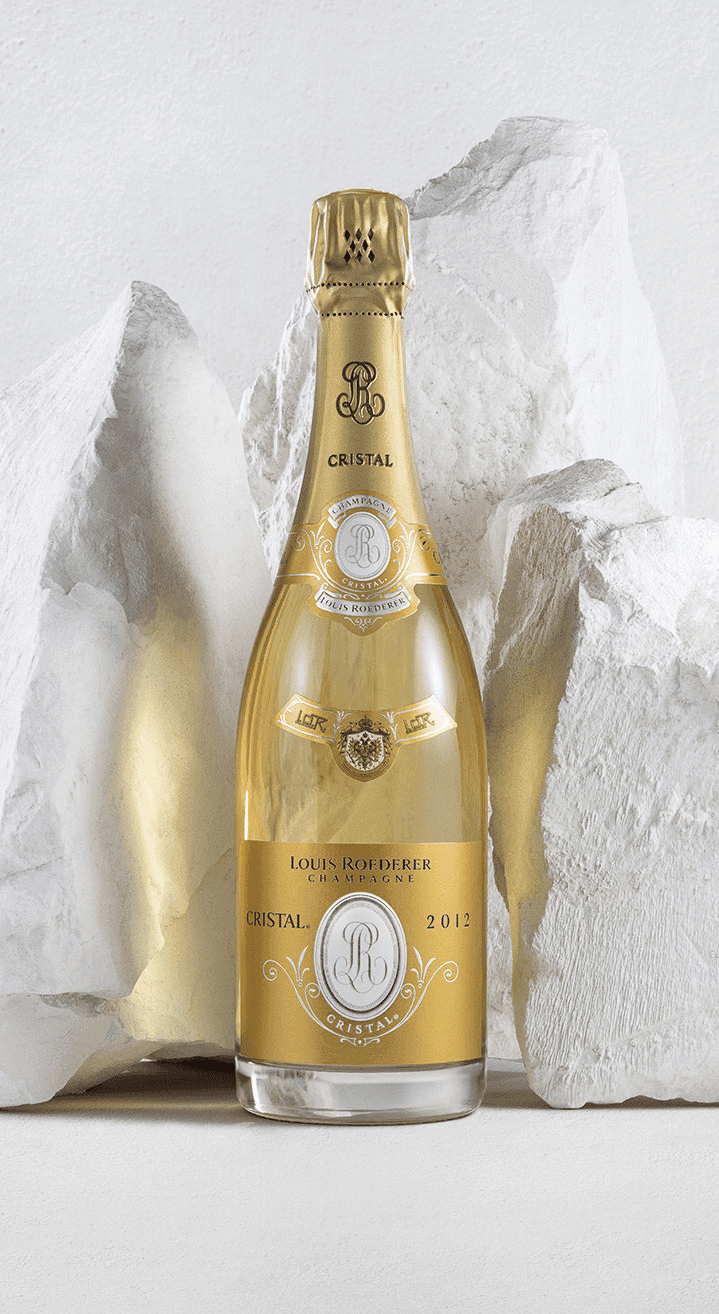
The cultivation history of Cortese grapes in Italy can be traced back to the 17th century and was first recorded at noble banquets in the 18th century. By the mid-20th century, Gavi began to rise to fame as a white wine. In 1974, it received DOC (Denomination of Controlled Origin) certification, and in 1998 it was upgraded to DOCG (Denomination of Controlled Origin and Guarantee) status, becoming one of Italy's first internationally renowned white wines.

What Makes Gavi Unique

What makes Gavi so special lies in its core ingredient—Cortese grapes. These grapes are characterized by their thin skin and high acidity, making them well-suited to grow in the warm and sunny climate of Piedmont. These conditions give Gavi a bone-dry, crisp, and lively flavor, with complex layers of lemon, green apple, honeydew, and almond.

Cortese葡萄 Gavi

Moreover, Gavi is renowned for its diverse styles, including still white wine, sparkling wine, and classic method sparkling wine. Some high-quality Gavis even have excellent aging potential, developing aromas of honey, nuts, and even petroleum in the bottle. These variations make Gavi not only suitable for everyday drinking but also meet the demand for premium white wines.

It’s also worth mentioning that the soil environment where Gavi grows is diverse, including limestone, mineral-rich alluvial clay, and gravelly soils. Each type of soil imparts different flavor characteristics to the grapes, making every bottle of Gavi unique.

Reasons for Popularity

For white wine enthusiasts in Hong Kong, Gavi is undoubtedly an ideal choice, perfectly matching the fresh and crisp palate with Asian culinary culture. Whether paired with seafood, light appetizers, or herbaceous-flavored pasta, Gavi showcases excellent food pairing capabilities.

Additionally, Gavi is reasonably priced but of high quality, with most wines on the market being relatively affordable, making it a cost-effective choice for everyday dining. Coupled with its similarities to renowned white wines such as Chablis or Sauvignon Blanc, those who enjoy fresh white wines are likely to fall in love with it.

Finally, as the Piedmont region is committed to promoting this white wine through events like international wine tastings and masterclasses, more people are becoming aware of Gavi's charm. With 85% of its production exported to international markets, this classic Italian white wine is making its way around the globe.

wine tasting 品酒 品酒活動 週末好去處 免費活動 紅酒 意大利酒 wine passions