

The history and evolution of decantation: the culture of decantation and the evolution, symbolism, and modern applications of decanters.
Wine tasting knowledge
葡萄酒變壞了?如何辨別「木塞味」(Corked)與氧化等常見酒病
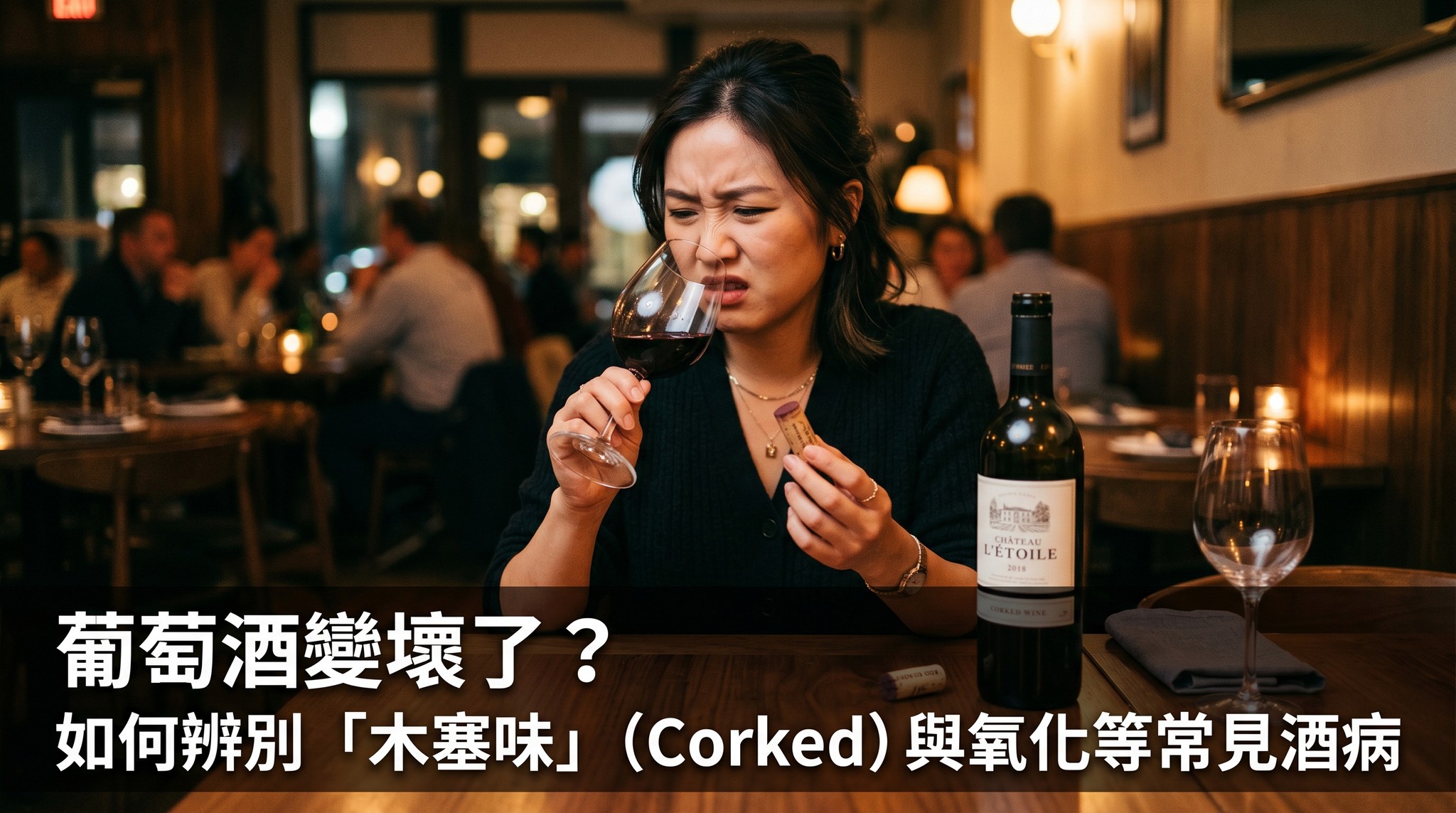
葡萄酒變壞了怎麼辨別?本文徹底拆解常見酒病:TCA 木塞味(濕紙皮、發霉味)、氧化(醋味、豉油味)、熱害(煮熟果醬味)與揮發性酸(洗甲水味)。教你用鼻子與眼睛快速判斷酒是否壞掉,避免喝下壞酒或誤以為是酒的複雜度!
葡萄酒變壞了?如何辨別「木塞味」(Corked)與氧化等常見酒病
滿懷期待地開了一瓶珍藏已久的佳釀,或是與朋友聚餐時點了一瓶昂貴的紅酒,倒進杯中一聞,卻發現味道怪怪的——這種從天堂掉到地獄的失落感,相信許多愛酒人士都曾經歷過。
葡萄酒變壞了,在專業術語中稱為「酒病(Wine Faults)」。許多新手遇到一瓶難喝的酒時,往往會懷疑是自己不懂欣賞,而默默忍受著把它喝完。但其實,葡萄酒是有生命的農產品,在釀造、裝瓶或儲存的過程中,隨時都有可能發生化學變異。作為您的專屬葡萄酒編輯,今天我將教您如何運用您的鼻子與味蕾,精準辨別紅酒變壞的 4 大常見元兇,讓您以後遇到 Corked wine 或是紅酒氧化時,能充滿自信地向餐廳要求退換!
1. TCA 木塞味:濕紙皮、發霉地窖味的特徵與無法挽救的絕望
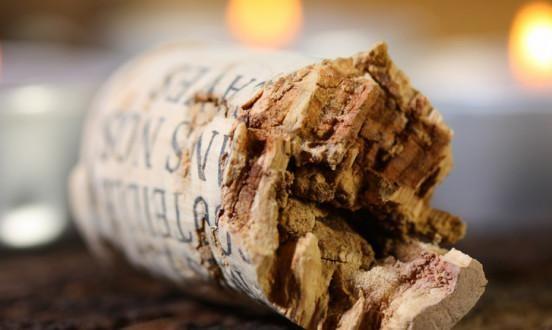
在所有酒病中,最臭名昭著、最常被提及的絕對是「木塞味(Corked)」。請注意,這裡指的不是酒液裡掉進了軟木塞的碎屑,而是一種名為 TCA(三氯苯甲醚,2,4,6-Trichloroanisole)的化學物質污染。
氣味特徵: 只要沾染上微量的 TCA,這瓶酒就會散發出一股令人極度不悅的「濕紙皮、發霉的地窖、陳年舊報紙」甚至是「雨天過後的濕狗毛」的臭味。
果香的終結者: TCA wine 最可怕的地方在於它的「掩蓋效應」。無論這瓶酒原本的果香多麼奔放、層次多麼豐富,TCA 都會像一塊沉重的灰布,將所有美好的香氣徹底吞噬,喝起來平淡如水且帶有霉苦味。
無法挽救的絕望: 這種污染通常來自受真菌感染的天然軟木塞,發生率大約在 2% 到 5% 之間,完全是隨機的「中獎」機率。一旦酒被 Corked,無論您醒酒多久、甚至拿去煮菜,那股霉味都不會消失。唯一的好消息是,喝下它對人體健康無害,只是會徹底毀了您的心情與味蕾。
2. 氧化破壞:失去果香變成刺鼻醋味、豉油味與蘋果酒味
除了木塞味,紅酒氧化(Oxidation)是另一種最常見的致命酒病。適度的氧氣能讓葡萄酒在醒酒器中綻放(呼吸),但如果過量暴露在空氣中——例如軟木塞乾癟導致漏氣,或是開瓶後放置太多天——酒液就會遭受無情的氧化破壞。
視覺線索(顏色衰退): 氧化的酒在顏色上會出現明顯的「早衰」。原本鮮豔的紫紅色或寶石紅,會迅速變成黯淡的磚紅色甚至棕褐色;白酒則會從清透的淡黃色,變成如蘋果汁般的深琥珀色。
氣味特徵: 氧氣會徹底摧毀酒中的新鮮果香。紅酒氧化後,會散發出一股刺鼻的醋酸味,甚至出現類似中式「豉油(醬油)」或「紹興酒」的氣味;白酒則會散發出「撞傷的蘋果」或「發酵蘋果酒(Cider)」的沉悶味道。
口感表現: 喝起來會覺得酒體變得非常單薄、缺乏活力,酸度變得尖銳刺鼻,原本的圓潤感蕩然無存。
3. 光害與熱害 (Maderized):高溫煮熟導致的燉菜味與焦糖味
香港的夏天炎熱潮濕,這對葡萄酒來說絕對是個嚴酷的考驗。如果葡萄酒在運輸過程中被放置在沒有冷氣的貨車裡,或者存放在家中炎熱的廚房、受陽光直射的窗台,就會引發「熱害(Heat Damage)」,專業上稱為「馬德拉化(Maderized)」。
物理線索(漏液與凸塞): 當酒瓶長時間處於高溫下(如 28°C 以上),酒液會受熱膨脹,將軟木塞往上頂出(凸塞),甚至導致酒液從木塞邊緣滲漏出來,沿著瓶頸留下乾涸的黏稠酒漬(Seepage)。
被「煮熟」的味道: 受熱害的酒,喝起來就像一鍋被煮過頭的果醬。新鮮的果香會轉變成一種「燉煮水果(Stewed fruits)」或「過度熬煮的焦糖、堅果味」。它雖然不像 TCA 那樣發霉發臭,但酒液會失去應有的酸度與新鮮感,變得死氣沉沉、平庸乏味。
光害(Light Strike): 同樣地,長時間暴露在強烈紫外線(如太陽光或超市的強烈光管)下的酒(特別是透明玻璃瓶裝的白酒或粉紅酒),會產生一種難聞的「煮熟的椰菜花」或「濕羊毛」氣味。
4. 揮發性酸 (VA):指甲油去光水味是釀造瑕疵還是複雜度展現?
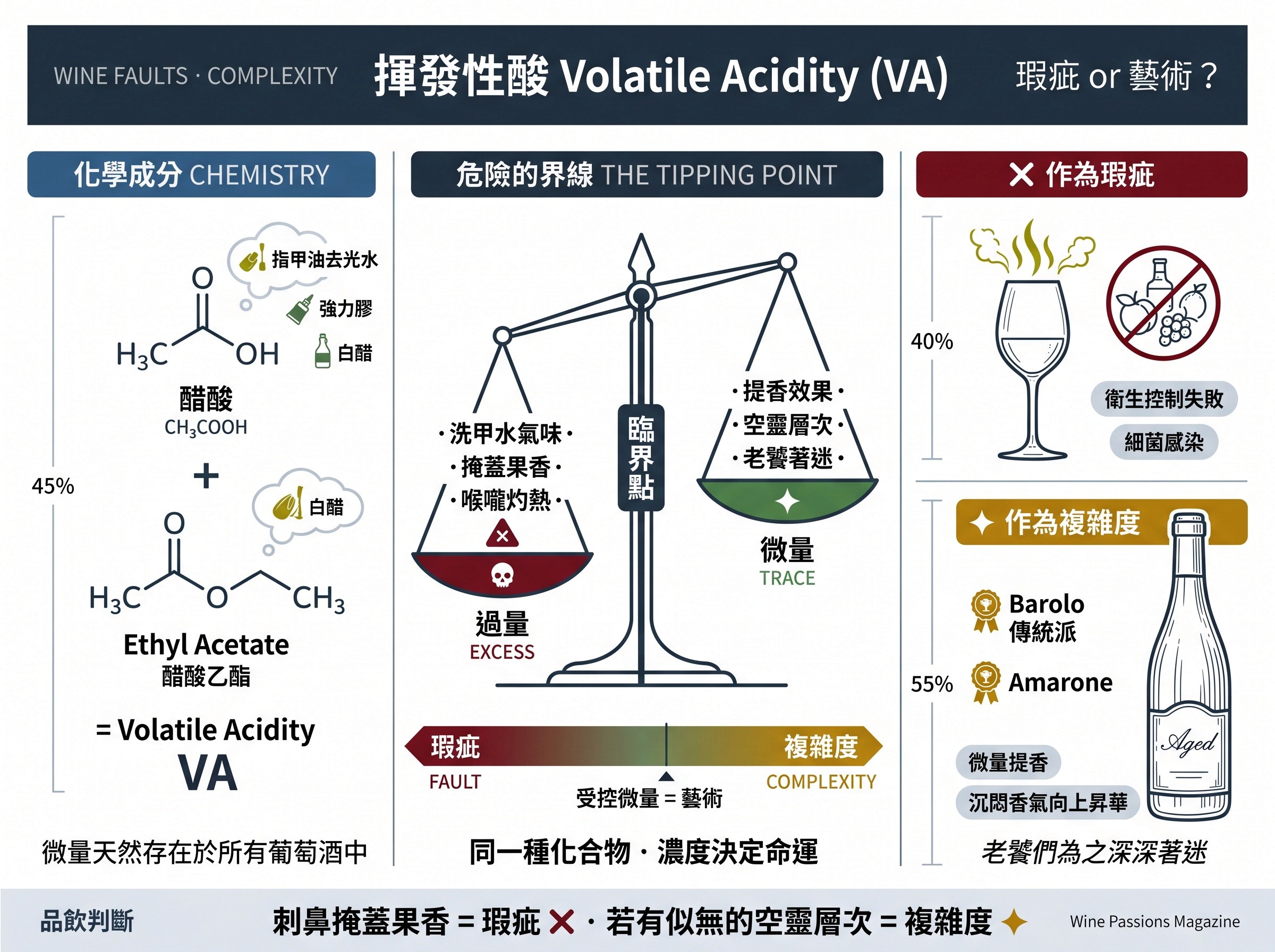
在品酒會上,您有時可能會聞到一股尖銳、帶有化學感的氣味,這就是所謂的「揮發性酸(Volatile Acidity,簡稱 VA)」,主要由醋酸(Acetic Acid)與醋酸乙酯(Ethyl Acetate)組成。
氣味特徵: 它散發著極度鮮明的「指甲油去光水(洗甲水)、強力膠」或「白醋」的刺鼻氣味。
是瑕疵還是藝術?這是一條危險的界線: 與前面三種「絕對死刑」的酒病不同,VA 在葡萄酒界是一個極具爭議的存在。
作為瑕疵: 當 VA 的濃度過高,刺鼻的洗甲水味徹底掩蓋了果香,甚至讓喉嚨感到灼熱不適時,這毫無疑問是釀造過程中的衛生控制失敗,或是細菌感染導致的嚴重瑕疵。
作為複雜度: 然而,在極度微量、受到良好控制的情況下,VA 卻能成為一種「提香劑」。許多世界頂級的舊世界名酒(例如義大利的傳統派 Barolo 或是 Amarone),往往會帶有一絲絲若有似無的 VA。這微量的揮發性酸能將酒液中沉悶的香氣「向上提起」,增添一抹空靈的層次感與複雜度,讓老饕們為之深深著迷。
Related articles









Wine tasting knowledge

葡萄酒變壞了?如何辨別「木塞味」(Corked)與氧化等常見酒病葡萄酒變壞了?如何辨別「木塞味」(Corked)與氧化等常見酒病
The wine cooler is a storage device specially designed for wine, simulating the ideal environment of a wine cellar, precisely controlling temperature and humidity, while providing a convenient storage method. This article will detail the reasons for using a wine cooler, its operating principles and benefits, and explore potential concerns and solutions to help you better preserve each beloved bottle of wine.
Why use a wine cooler?
Temperature Stability
Wine is very sensitive to temperature fluctuations; both high and low temperatures can damage its flavor. A wine cooler can maintain a constant storage temperature (generally between 10-15°C), avoiding oxidation or rapid aging caused by environmental temperature differences.
Humidity Control
Appropriate humidity (50%-70%) keeps the cork moist, preventing the cork from drying out and allowing air to enter the bottle, which can ruin the wine.
Light Protection
Wine coolers are typically equipped with UV-resistant glass doors, preventing ultraviolet rays from sunlight from damaging the chemical structure of the wine.
Vibration Reduction
Vibration can disturb sediments and affect the aging process of the wine. Wine coolers employ low-vibration technology to ensure stable storage of the wine.
Space and Convenience
Wine coolers provide professionally designed shelves for easy organization and access to different types of wine, while saving space.
How a wine cooler works
Temperature Control Technology
Wine coolers use compressors or thermoelectric technology inside to precisely adjust the temperature. Compressor models are suitable for long-term storage, while thermoelectric models are quieter, suited for short-term storage.
Humidity Maintenance
The equipment has a humidity control system inside that maintains suitable humidity through natural evaporation or a built-in humidifier.
Vibration and Light Protection
Vibration pads and UV-resistant glass doors work together to protect the wine from external disturbances.
Usage Precautions
Correctly Setting Temperature and Humidity
Long-term storage: 10-15°C; short-term drinking: adjust according to the type of wine (e.g., red wine 16-18°C, white wine 8-12°C).
Avoid Direct Sunlight and Heat Sources
Place the wine cooler in a cool, well-ventilated area, away from kitchens, heaters, and other heat sources, to avoid affecting internal environmental stability.
Store Bottles Horizontally
Ensure bottles are stored horizontally to keep the cork moist and prevent oxygen ingress.
Regular Cleaning and Inspection
Clean the interior every 3-6 months and check that the seals are intact.
Avoid Overloading Storage
Too many bottles can obstruct air circulation, affecting the cooling effect; adequate space should be left for even cooling.
Benefits of Using a Wine Cooler
Extend Wine Life
Stable environmental conditions help wine age slowly, allowing its flavors to reach their peak.
Ready to Drink
A dual-zone wine cooler can store different types of wine (such as white and red) simultaneously, keeping them at the optimal drinking temperature.
Increase Collectible Value
For high-value wines, proper storage can prevent loss and enhance their market value.
Aesthetics and Practicality
Wine coolers are not only practical but their modern design can also enhance home decor.
Potential Concerns and Solutions
Temperature Fluctuations
Issue: The unit may experience temperature variations due to malfunctions or external environmental influences.
Solution: Regularly check whether the temperature control system is functioning properly; choose brands known for stability.
Insufficient or Excess Humidity
Issue: Low humidity can cause corks to dry out, while excessive humidity may lead to mold growth.
Solution: Choose a wine cooler with humidity control features; add a humidifier or dehumidifier as necessary.
Noise and Vibration
Issue: Compressor models may produce noise or slight vibrations.
Solution: Place the unit on a stable surface; select models designed for low noise.
Maintenance Costs
Issue: Regular cleaning and component replacement (such as air filters) are needed.
Solution: Follow manufacturer recommendations for maintenance; choose brands that are durable and easy to repair.
A wine cooler is an essential tool for modern wine enthusiasts, as its stable environment and storage temperature settings can effectively extend wine life and enhance the tasting experience. At the same time, it requires proper use and careful maintenance to achieve the best results. Whether for short-term drinking or long-term collection, a high-quality wine cooler can become an important partner in enjoying life.
Choose the right wine cooler with Wine Passions Magazine, allowing your wine collection to grow while enjoying the craftsmanship behind every glass of red wine and the allure of its pure flavors.
Wine tasting knowledge

葡萄酒變壞了?如何辨別「木塞味」(Corked)與氧化等常見酒病葡萄酒變壞了?如何辨別「木塞味」(Corked)與氧化等常見酒病
The moldy cork of a wine bottle is a common phenomenon, especially in bottles stored in high humidity environments. This situation may raise concerns about whether the wine has been affected, but in fact, a moldy cork does not necessarily mean that the wine is spoiled. Below is a detailed explanation from professional sommeliers regarding the causes of moldy corks, how to deal with them, and preventive measures.
Causes of Cork Mold
High Humidity Environment:
Wine is typically stored in environments with humidity levels of 50%-80% to prevent the cork from drying out. Excessive humidity (over 80%) may cause mold to grow on the outside of the cork.
Moisture Between the Bottle Neck and Capsule:
If there is residual moisture between the bottle neck and the capsule, this humid environment provides favorable conditions for mold growth.
Long Storage Time:
Wines that are aged for extended periods are more likely to have mold on the outside of the cork, particularly common in older vintage wines.
Cork Material:
Natural corks are porous and tend to absorb moisture, which promotes mold growth. In contrast, synthetic corks or screw caps do not have this issue.
How to Handle a Moldy Cork
Check the Extent of Mold:
If the mold is only present on the upper part of the cork (the part in contact with air), and not on the end that contacts the wine, it can generally be assumed that the wine is not contaminated.
If the mold has penetrated into the cork or is in contact with the wine, further examination is necessary to check whether the wine has spoiled.
Clean the Bottle Neck:
Use a clean, damp cloth or paper towel to wipe the neck of the bottle and the surface of the cork to remove visible mold.
You may use diluted white vinegar or a 3% hydrogen peroxide solution for further cleaning, but be careful to avoid letting the cleaner enter the bottle.
Check After Opening:
After opening the bottle, observe the bottom of the cork (the end in contact with the wine) for any unusual smells or color changes.
Pour out a small amount of wine to smell and taste. If the aroma is normal and there are no off-putting smells, it is safe to drink.
Moldy corks in wine bottles are a common phenomenon, especially in bottles stored in high-humidity environments. This situation may raise concerns about whether the wine has been affected, but in fact, a moldy cork does not necessarily mean the wine has spoiled. Mold on a red wine cork does not automatically imply that the wine is bad. In most cases, this is simply due to excessively humid storage conditions and does not directly affect the quality of the wine. By cleaning the bottle neck, sniffing, and tasting, one can determine whether the wine is still suitable for drinking.
How to Determine if Wine is Affected
Olfactory Check:
Smell the wine to see if there is a moldy, damp cardboard, or any other unusual odor. If there is a scent reminiscent of a "damp basement", it may be due to "Cork Taint".
Visual Check:
Pour out a small amount of wine and observe whether its color is dull or cloudy. A normal red wine should appear clear and vibrant in color.
Gustatory Check:
Taste the wine; if it feels flat, sour, or has distinctly abnormal flavors, the wine may be compromised.
How to Prevent Cork Mold
Control Storage Environment Humidity:
When storing wine, keep the humidity between 50%-75%. Excessively high humidity can promote mold growth, while excessively low humidity may dry out the cork.
You can use a dehumidifier or place desiccants (such as silica gel packs) to absorb excess moisture.
Correct Storage Method:
Store red wine horizontally to keep the cork in contact with the wine, preventing the cork from drying out.
Avoid storing wine in damp or poorly ventilated places, such as basements or near water sources.
Regular Checks:
Regularly check the corks of your wine collection for signs of mold and clean them early to prevent problems from worsening.
Mold on red wine corks does not necessarily mean the wine is spoiled. In most cases, it is simply due to overly humid storage conditions, rather than directly affecting the quality of the wine. By cleaning the cork, smelling, and tasting, you can determine whether the wine is still suitable for drinking. At the same time, maintaining appropriate storage conditions is key to preventing issues. As wine tasters, we should learn to recognize these details to ensure every glass of red wine can showcase its best flavor.
Wine tasting knowledge
葡萄酒變壞了?如何辨別「木塞味」(Corked)與氧化等常見酒病葡萄酒變壞了?如何辨別「木塞味」(Corked)與氧化等常見酒病
The cork, as the guardian of red wine, plays a crucial role in maintaining the quality of red wine through its integrity and quality. However, a cork can also sometimes be the root of trouble, leading to contamination or spoilage of the red wine, a situation commonly referred to as cork taint. Here are some methods and indicators to help you determine if the red wine is affected by cork issues.
Visual Inspection: Observe the Condition of the Cork
Appearance of the Cork:
Protruding or Concave: If the cork is protruding from the bottle neck, this may be due to fluctuations in temperature causing increased internal pressure, or the cork may have dried out and lost elasticity after prolonged storage. Conversely, a concave cork may indicate inadequate sealing, which can allow oxygen to enter the bottle.
Signs of Leakage: Check for dry wine stains or residue on the bottle neck. If there are signs of leakage, it usually means the cork is not able to seal effectively.
Check the Quality of the Cork: When opening the bottle, observe the integrity of the cork. If you notice that the cork is cracked or has become damp, this could be due to improper storage conditions or prolonged exposure to air.
Olfactory Inspection: Identify Abnormal Odors
Smell the Cork:
After opening the bottle, first smell the cork. If you detect musty cardboard, mold, or damp dog odors, this is often a clear sign of cork taint. This type of contamination is primarily caused by 2,4,6-trichloroanisol (TCA).
Check the Wine Aroma:
Pour out a small amount of wine, gently swirl it, and smell. If the aroma is faint or has musty, damp newspaper, or other abnormal odors, then the wine is likely contaminated. Proper red wine should have rich fruity aromas, while contaminated red wine may lose these characteristics.
The cork, as a guardian of red wine, its integrity and quality are crucial for maintaining the quality of the wine. However, the cork can sometimes become a source of trouble, leading to contamination or spoilage of the wine, a situation commonly referred to as cork taint. Identifying cork problems in red wine requires careful observation and a keen sense of smell. By conducting a comprehensive inspection through visual, olfactory, and gustatory assessments, one can effectively determine whether a bottle of red wine has issues.
Taste Check: Confirming Taste Abnormalities
Off Flavor:
When tasting, if the wine exhibits a strong acidity with a vinegar-like flavor, this may be due to oxidation or other defects.
Flat Taste:
If the wine tastes bland and lacks depth, it may be due to TCA affecting its flavor, causing it to lose its original fruitiness and complexity.
Unpleasant Mouthfeel:
If there are obvious moldy or other unpleasant flavors in the mouthfeel, it is likely that the wine has been contaminated.
How to Avoid and Handle
Choose Reliable Sources:
When purchasing wine, select reputable merchants and brands to minimize the risk of buying inferior products.
Proper Storage:
Ensure that wine is stored in a temperature-controlled, dark, and cool place to prevent temperature fluctuations from affecting the cork condition.
Timely Feedback on Issues:
If you find any of the above issues with the wine, you should promptly contact the merchant for returns and exchanges to protect your rights.
Identifying cork issues in red wine requires careful observation and a keen sense of smell. Conducting a comprehensive check through visual, olfactory, and gustatory senses can effectively determine if a bottle of red wine has problems. If we want to delve deeper into the art of wine tasting, we should learn to recognize these defects to enhance our tasting experience and avoid unnecessary disappointment.