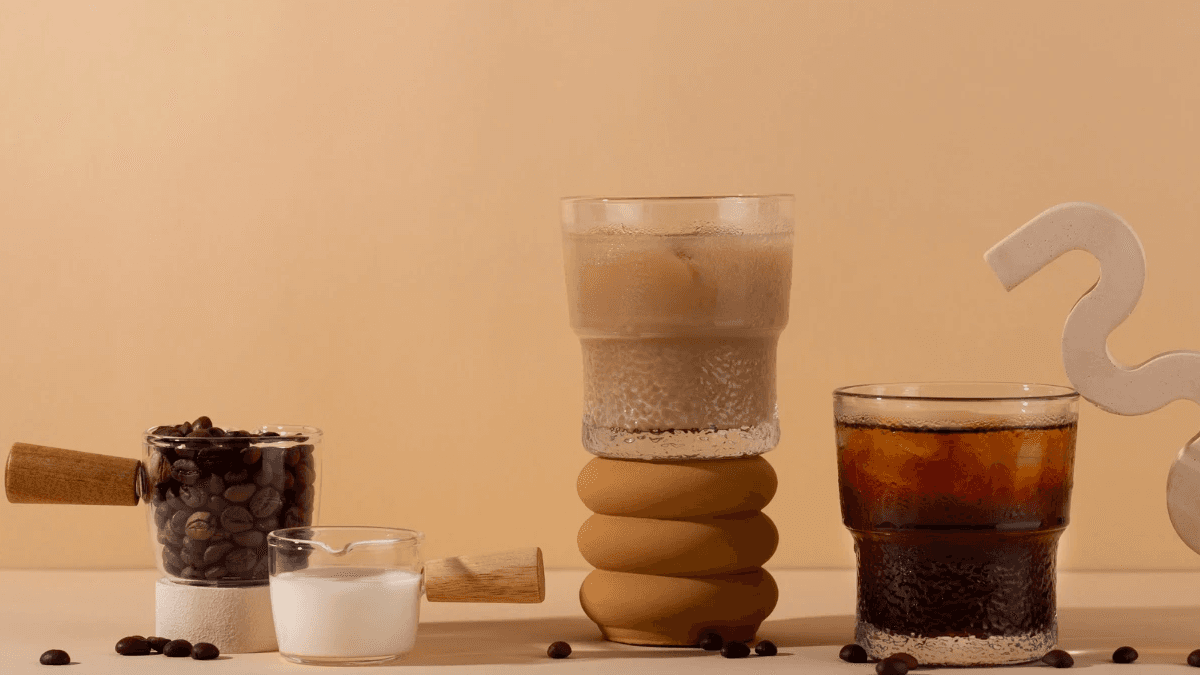
The revolution of cocktail menus in Hong Kong tea restaurants: creative cocktails paired with Hong Kong-style milk tea.
Feature report
婚宴紅酒點揀?結婚擺酒實用選酒指南:預算、分量計算與酒標體面度
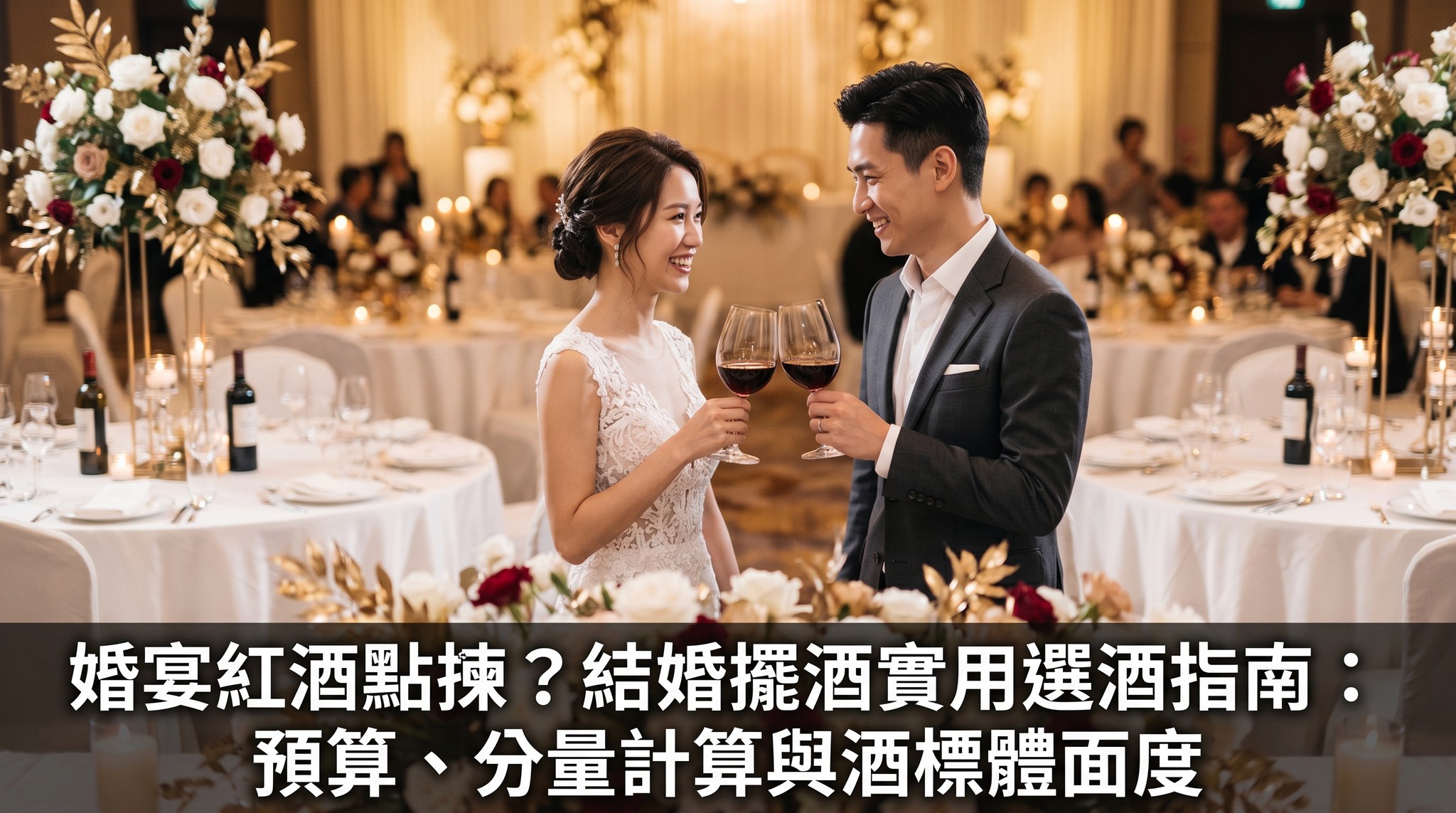
結婚擺酒紅酒點揀?這篇實戰指南教你從預算、分量計算到開瓶費談判技巧,一次搞定婚宴用酒!選擇酒標體面的親民紅酒,避免濃色酒染污婚紗,讓婚禮既優雅又不超支!
婚宴紅酒點揀?結婚擺酒實用選酒指南:預算、分量計算與酒標體面度
籌備婚禮絕對是一場考驗體力與情商的馬拉松,而在眾多繁瑣的細節中,「揀酒」往往是讓許多新人最頭痛的一環。結婚擺酒不僅要讓賓客盡興,還要顧及長輩的面子,同時更要死守荷包的底線。
作為您的專屬選酒顧問,我非常理解這種「既要體面又要抵買」的矛盾心情。其實,挑選婚宴紅酒並不需要盲目追求名牌或昂貴的年份。今天,我們就來為您深度拆解這份實用的 Wedding wine HK 選酒指南,從預算、分量計算到談判技巧,幫您輕鬆辦一場賓主盡歡的完美婚宴!
1. 面子與荷包平衡:酒標大氣但批發價親民的選擇
在婚宴這種講究排場的場合,賓客對婚慶用酒的「第一眼印象」往往來自酒標(Label)。一瓶批發價可能只需 $80-$120 港元的紅酒,只要酒標選得對,完全能喝出 $300 元的高級感。
首選舊世界「城堡風」: 法國波爾多(Bordeaux)或西班牙的紅酒是首選。尋找酒標上印有典雅城堡(Château)、家族徽章(Crest)或燙金字體的酒款。這類傳統設計在長輩眼中就是「高級」與「正宗」的代名詞。
避開新世界的「創意酒標」: 雖然澳洲或智利的紅酒性價比極高,但部分新世界酒款的酒標設計過於現代、卡通化或色彩鮮豔(例如畫著動物或幾何圖形)。這類酒款在年輕人的派對上很受歡迎,但在傳統婚宴上容易顯得不夠莊重。
尋找特定字眼: 預算有限下,可以主攻法國波爾多的「中級莊(Cru Bourgeois)」或是西班牙的「珍藏級(Reserva)」。這些酒款品質穩定,只要透過相熟的酒商大批量(以箱為單位)訂購,批發價通常非常親民,絕對是婚宴紅酒推薦的高性價比之選。
2. 消耗量精算:每席 12 人預留紅白酒的科學比例
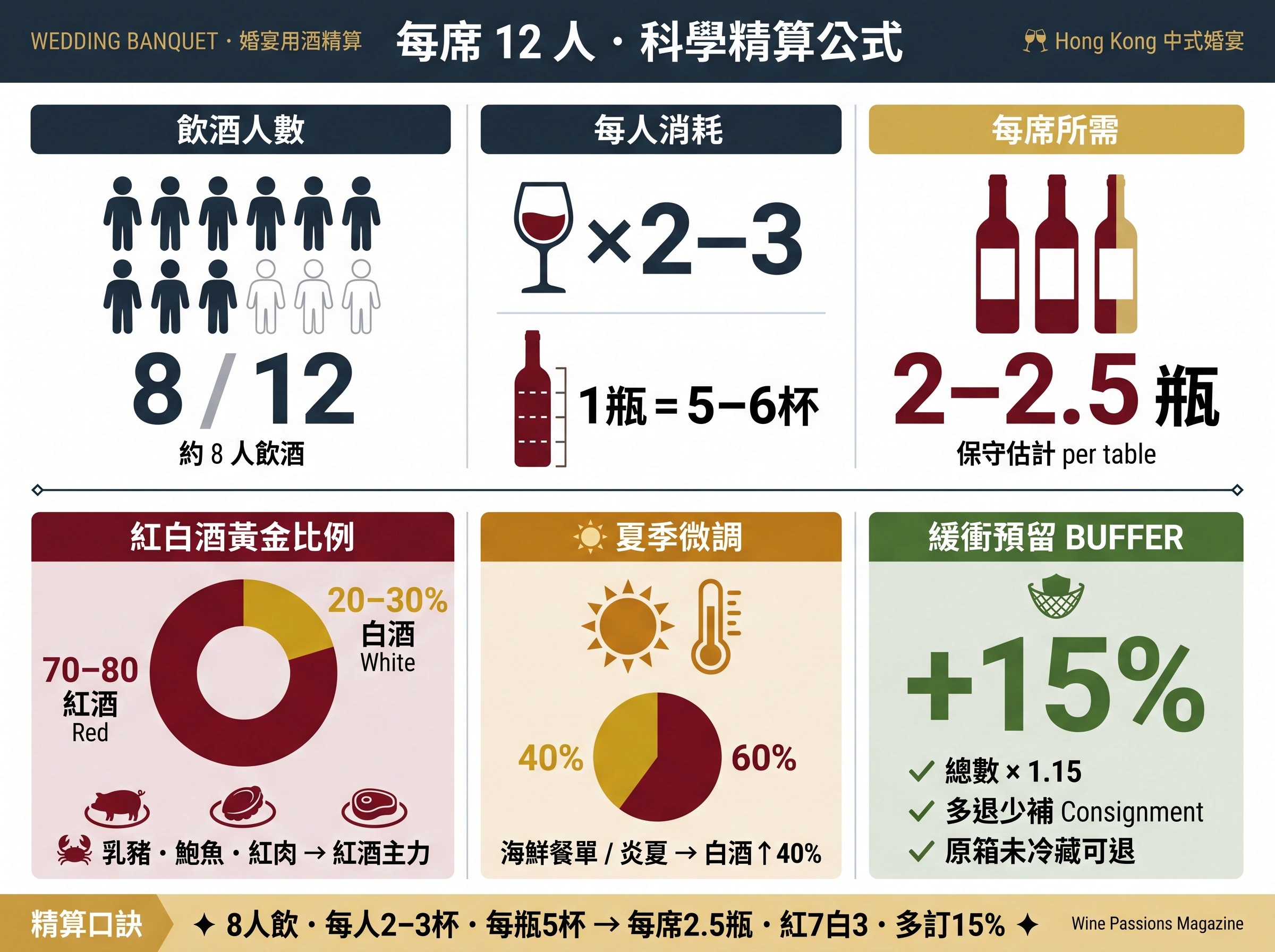
「買得太多怕浪費,買得太少怕失禮」是新人們普遍的擔憂。在香港,一席標準婚宴通常是 12 人,我們可以利用以下這條「科學公式」來精算消耗量:
基本消耗量: 假設一圍 12 人中,約有 8 人會喝酒。每人平均飲用 2-3 杯。一瓶 750ml 的葡萄酒大約可倒 5-6 杯。因此,保守估計每圍大約需要預備 2 至 2.5 瓶 葡萄酒。
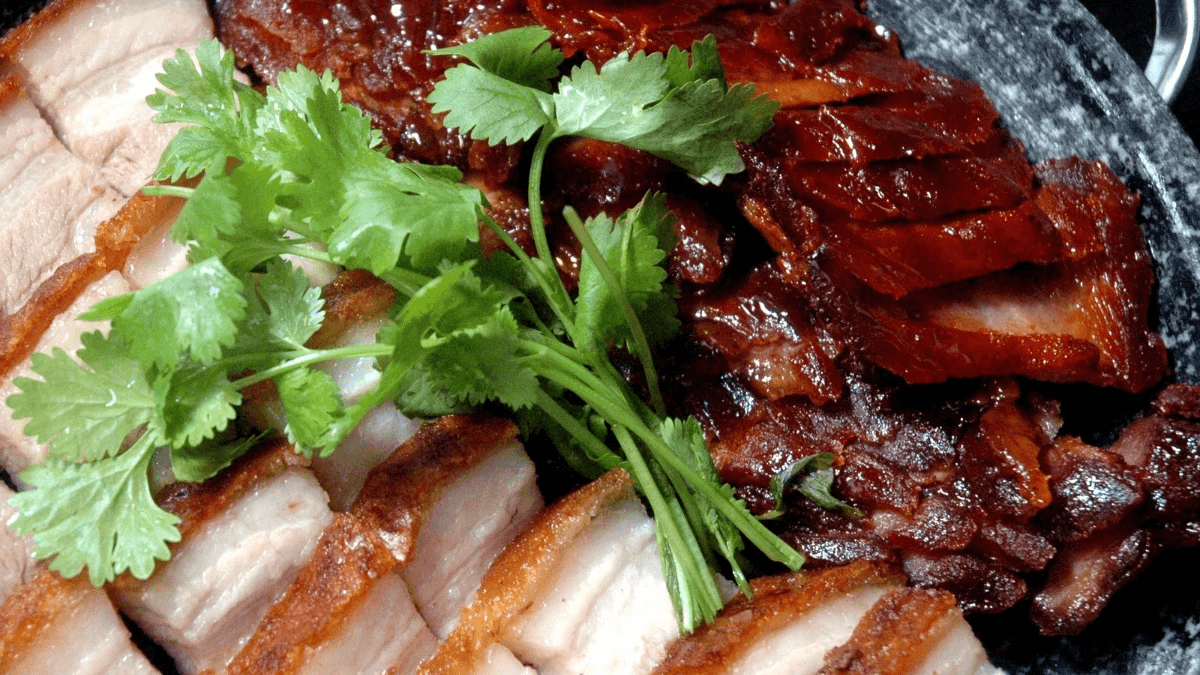
紅白酒的黃金比例: 在香港的中式婚宴中,因為菜式多為乳豬、鮑魚、紅肉等,紅酒絕對是消耗主力。
標準比例: 建議紅酒佔 70% - 80%,白酒佔 20% - 30%。
季節微調: 如果是炎熱的夏季婚宴,或是偏向西式的海鮮餐單,白酒的比例可以適度拉高至 40%。
緩衝預留(Buffer): 計算出總數後,請務必額外多訂 15% 作為後備。建議與酒商協商「多退少補」的條款(Consignment),只要酒標未損壞且未冷藏,原箱退回便能確保萬無一失。
3. 免開瓶費談判:與香港酒店交涉自攜酒水的隱藏話術
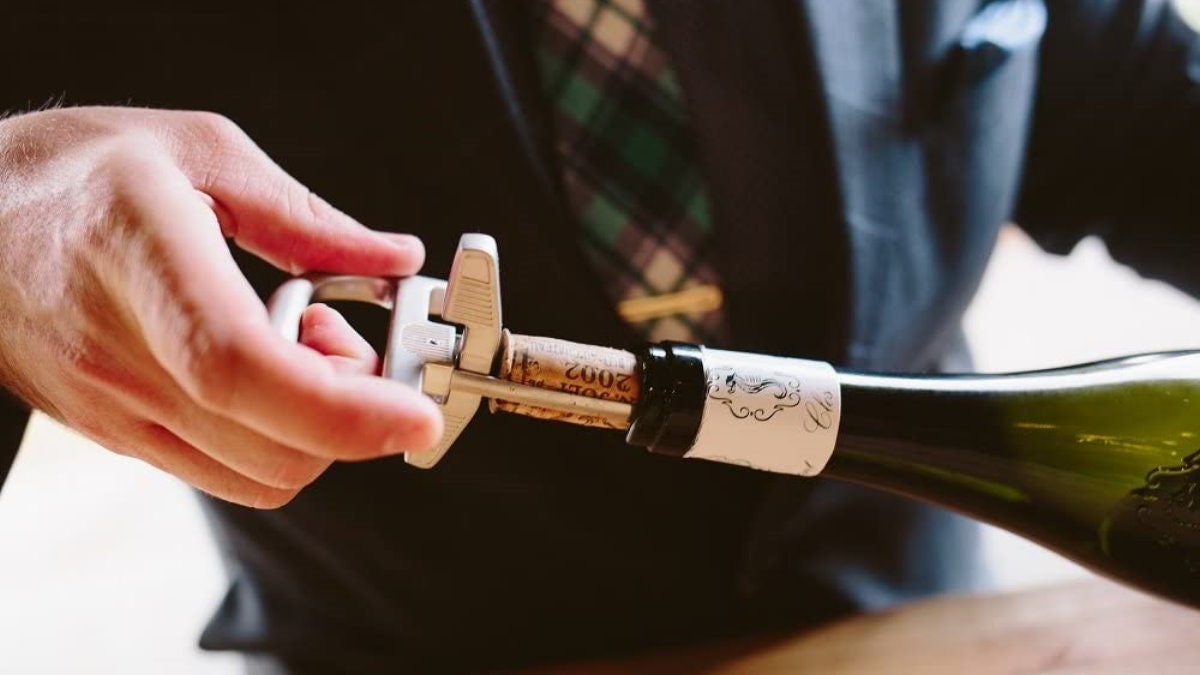
香港酒店的開瓶費(Corkage Fee)動輒每瓶 $300 至 $500 不等,如果不妥善談判,這筆開銷隨時會超越您買酒的預算!在簽約前(注意:一定要在落訂前談),可以善用以下隱藏話術與酒店交涉:
「套餐升級」交換法: > 「我們對這個每圍 $15,888 的套餐很有興趣,如果我們決定今天落實並升級其中兩道菜式,你們可以豁免全場的開瓶費嗎?」 (用微小的升級利潤,換取高昂的開瓶費豁免,酒店通常會覺得有賺而答應。)
「一換一」折衷法: > 「我們明白酒店有指引,不如我們照樣選購酒店的 Basic 飲品 Package,但容許我們每圍自攜兩支特別的紅酒來招呼親戚,這兩支免收開瓶費,可以嗎?」
「總消費額」施壓法: > 「我們這次預計擺 30 圍,總花費已經遠超你們的 Minimum Charge 很多了。開瓶費這點小數目,經理您能否幫忙向上級爭取一下作為 Extra Perk(額外福利)?」
4. 婚紗危機:考慮色素染污,為何避開過度濃郁紅酒
這是一個極度實用卻經常被忽略的隱藏地雷!在敬酒環節,新娘的純白婚紗與新郎的禮服是全場焦點,一旦被深色紅酒潑到,絕對是場災難。
避開「紫黑級」重口味: 強烈建議不要選擇過度濃郁、色素極深的紅酒,例如年輕的澳洲西拉(Shiraz)、阿根廷馬爾貝克(Malbec)或小西拉(Petite Sirah)。這些酒不僅打翻後難以清洗,更會讓賓客和新人在拍照時露出一排尷尬的「紫黑色牙齒」。
優雅輕盈是王道: 敬酒與宴客的最佳選擇是酒體中等、顏色呈現紅寶石色(Ruby)的酒款。例如法國的梅洛(Merlot)混釀、紐西蘭的黑皮諾(Pinot Noir)或是西班牙的丹魄(Tempranillo)。它們口感柔順易飲,不易造成嚴重的染色危機,就算不小心濺到,處理起來也相對容易得多。
Related articles





Feature report

婚宴紅酒點揀?結婚擺酒實用選酒指南:預算、分量計算與酒標體面度婚宴紅酒點揀?結婚擺酒實用選酒指南:預算、分量計算與酒標體面度
For wine lovers in Hong Kong, French wine has always been an indispensable choice on the table, and among the many French regions, Côtes-du-Rhône Villages is a place worth delving into. This region is located in the southern Rhône Valley of France and is highly regarded for its superior geographical conditions, unique winemaking style, and high cost-performance ratio. This article will detail the characteristics of Côtes-du-Rhône Villages for Hong Kong readers and explore its uniqueness compared to other regions.
Geographical and Climatic Advantages of Côtes-du-Rhône Villages
Côtes-du-Rhône Villages is situated in the southern Rhône Valley of France, encompassing 95 villages, 22 of which can label their village names on the wine label due to higher quality standards (such as Cairanne, Rasteau, and Séguret). These villages are distributed on both sides of the Rhône River valley, featuring varied terrain, including hills, terraces, and alluvial plains.
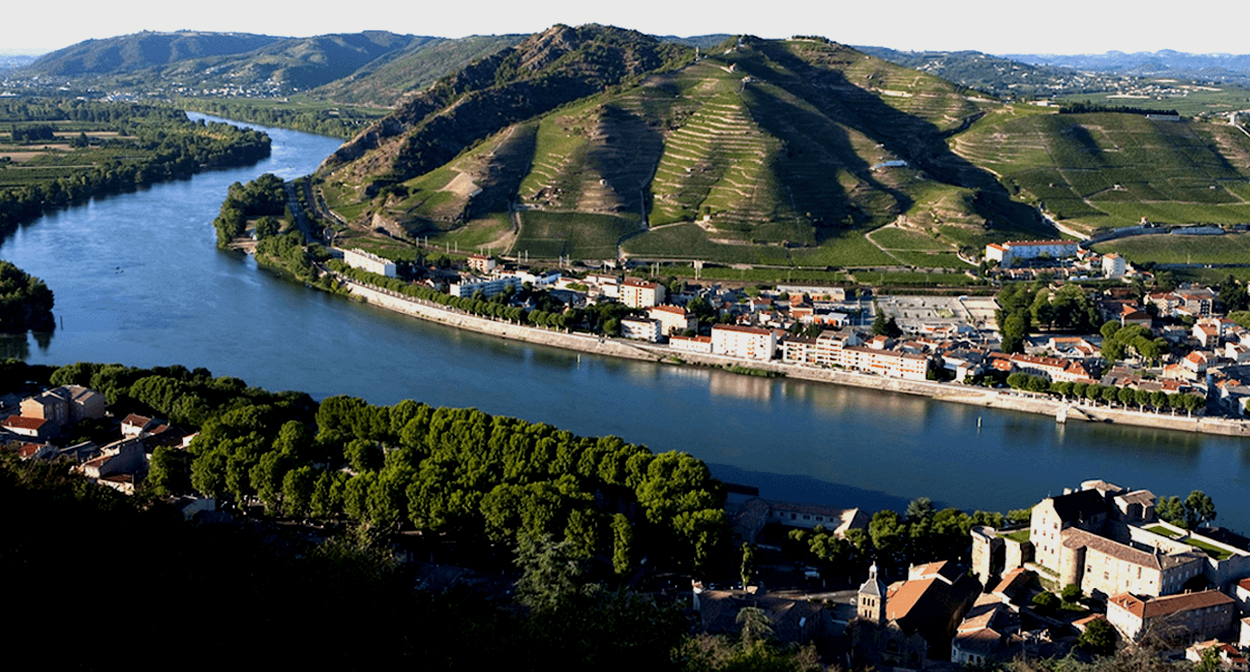
Geographical Conditions
Diverse Soils: The local soil structure includes limestone clay, sandy soil, and gravel, which helps the vine roots penetrate deeply to absorb minerals, imparting richer flavor layers to the wine.
Altitude: Some vineyards are located in high-altitude areas, where the temperature difference between day and night helps to maintain the acidity and balance of the grapes.
Climatic Conditions
Mediterranean Climate: Hot and dry in summer, with mild and less rainy winters, which is very suitable for grape ripening.
Mistral Wind: This strong wind helps keep the vineyards dry, reduces the risk of disease, and promotes healthy growth of the grape clusters.
These blessed natural conditions give the wines of Côtes-du-Rhône Villages a rich fruit aroma, good structure, and balance.
Winemaking Regulations and Main Varieties
The winemaking regulations of Côtes-du-Rhône Villages are stricter than those of ordinary Côtes-du-Rhône to ensure that each bottle meets high-quality standards.
Red Wines
Main Varieties: Grenache, Syrah, and Mourvèdre.
Blend Ratio: These three main varieties must account for at least 66% of the total blend, with Grenache typically being the dominant variety.
Tasting Characteristics: Rich aromas of red fruits such as black cherry and raspberry, accompanied by spices, herbal notes, and mineral flavors. The tannin structure is moderate with aging potential.
White Wines and Rosé
White grape varieties include Grenache Blanc, Marsanne, and Roussanne, producing white wines that are fragrant with floral notes and a refreshing palate.
The rosé is known for its balance of fruitiness and acidity, making it an excellent choice for a refreshing summer drink.
Strict Regulations
The production regulations of Côtes-du-Rhône Villages cover every detail from grape cultivation to the winemaking process, such as:
Yield limits per hectare to ensure quality.
Must pass official tasting tests to obtain AOC certification.
Historical Heritage and Cultural Background
The winemaking history of Côtes-du-Rhône Villages dates back to ancient Roman times. The Romans introduced winemaking techniques to the Rhône Valley, and during the medieval period, monasteries further developed local grape cultivation techniques. However, the phylloxera plague in the late 19th century nearly devastated the entire region. Fortunately, in the early 20th century, the tireless efforts of local winemakers rejuvenated this land.

In 1967, Côtes-du-Rhône Villages officially received AOC (Appellation d'Origine Contrôlée) certification, after which 22 villages were allowed to label their village names on the wine label due to outstanding quality. For example:
Cairanne: Known for its rich and balanced red wines.
Rasteau: Specializes in producing sweet fortified wines.
Sablet: Produces red and white wines with rich fruit aromas and delicate structure.
Comparison with Other Regions: Uniqueness of Côtes-du-Rhône Villages
Here is a comparison of Côtes-du-Rhône Villages with other renowned French regions such as Châteauneuf-du-Pape and Beaujolais:
Characteristics Côtes-du-Rhône Villages Châteauneuf-du-Pape Beaujolais Main Varieties Grenache, Syrah, Mourvèdre Grenache, Mourvèdre, Syrah Gamay Price Positioning Mid-range price, high cost-performance entry to mid-tier in the high-end market Tasting Characteristics Rich fruit aroma, herbal notes, moderate tannin full-bodied and complex, multilayered light and aromatic, focused on red fruits Aging Potential 5-10 years over 10 years most are suitable for immediate drinking Market Recognition High cost-performance but slightly lower recognition highly recognized, regarded as a top region widely recognized, but most styles are lighter.
In comparison, Côtes-du-Rhône Villages offers a more affordable yet equally high-quality choice, making it perfect for everyday dining or gatherings.

The winemaking history of Côtes-du-Rhône Villages dates back to ancient Roman times. The Romans brought winemaking techniques to the Rhône Valley, and during the Middle Ages, monasteries further developed local grape cultivation methods. However, the phylloxera disaster in the late 19th century nearly destroyed the entire region. Fortunately, in the early 20th century, the tireless efforts of local winemakers revitalized this land.
Why should people in Hong Kong pay attention to Côtes-du-Rhône Villages?
Great value for money
Compared to high-end regions like Châteauneuf-du-Pape, Côtes-du-Rhône Villages offers a more affordable yet high-quality option, making it a top choice for family gatherings or get-togethers with friends.Diverse flavors
Whether paired with Cantonese barbecue dishes or spicy hot pot, its rich fruit aromas and balanced structure can blend perfectly. Additionally, its refreshing white and rosé wines are also very suitable for pairing with seafood or salads commonly found in Hong Kong.Environmental friendliness and sustainability
Many local wineries practice organic or biodynamic cultivation, aligning better with modern consumers' demands for environmentally friendly and healthy eating.Both aging potential and drinkability
The red wines of Côtes-du-Rhône Villages can be enjoyed young while also possessing aging potential, making them very versatile.
How to purchase and taste?
In the Hong Kong market, quality wines from Côtes-du-Rhône Villages can be found through specialized wine shops or online platforms. For example:
Chateau Maucoil Cotes-du-Rhone Villages 2020 (HK$140): Rich in fruit flavors and reasonably priced, it's perfect as an everyday table wine.
Domaine Alary Cairanne 2021: Hailing from the village of Cairanne, known for its balanced and elegant style, it’s a great choice for gatherings or as a gift.
Recommended wine: Chateau Maucoil Cotes-du-Rhone Villages 2020

Background of the wine
Chateau Maucoil is a winery with a long history that values environmental principles, using organic farming to manage its 45 hectares of vineyards since 2011. Located in the Southern Rhône Valley, its traditional farming methods and respect for the natural environment imbue each bottle with local terroir characteristics.
Blend of grape varieties
This wine is blended from three main grape varieties:
Grenache: Provides rich fruit aromas and a smooth mouthfeel.
Syrah: Adds spice notes and structure.
Carignane: Offers depth and tannic layers, enhancing overall balance.
Tasting notes
Color: Deep ruby red, visually bright and inviting, classic style of Rhône red wines.
Aroma: Rich layers with delicate hints of black fruits, black cherries, cocoa, thyme, and wild mint.
Palate: Rich fruit flavor, bright entry, with fresh acidity and solid tannins. Good concentration and stable structure. Long and lingering finish, with fruit flavors and herbal freshness that is satisfying at the end.
Serving temperature and aeration time: Best enjoyed at 16°C to 18°C, with 30 minutes of aeration to release optimal aromas.
Food pairing suggestions
Chateau Maucoil Cotes-du-Rhone Villages 2020 pairs wonderfully with the following dishes:
Grilled red meats, such as steaks and lamb chops.
Mediterranean dishes, like tomato sauce pasta or roasted vegetables.
Cantonese dishes such as roasted goose or honey-glazed char siu.
Conclusion
Côtes-du-Rhône Villages is a region that embodies both historical heritage and modern innovation, with its diverse flavors, high value for money, and commitment to environmental sustainability, making it a gem not to be missed by wine lovers in Hong Kong. Consider these fine wines from the small villages of the Southern Rhône Valley during your next purchase, and enrich your dining experience!
Feature report
婚宴紅酒點揀?結婚擺酒實用選酒指南:預算、分量計算與酒標體面度婚宴紅酒點揀?結婚擺酒實用選酒指南:預算、分量計算與酒標體面度
History and Stories
Gavi, a white wine from the Piedmont region of Italy, is known for its long history and romantic legends. It is said that the name Gavi comes from the story of the French princess Gavia. In the late 6th century, the princess chose to elope with her beloved knight to escape the pursuit of her father, King Clodomiro, and found refuge in a small town in Piedmont.

Gavia built a home in the area and established friendly relations with the villagers. She ruled the town for many years, bringing peace and prosperity with her wisdom and leadership. Legend has it that she was buried under a marble altar at the entrance of the castle, where a coat of arms symbolizing the power that once ruled the village is engraved. These coats of arms may pay tribute to this strong princess who shaped the village of Gavi and left behind a romantic and inspiring legacy for future generations. In honor of her courage and kindness, the town was named Gavi, and this land later became the core area for Cortese grape cultivation.
The cultivation history of Cortese grapes in Italy can be traced back to the 17th century and was first recorded at noble banquets in the 18th century. By the mid-20th century, Gavi began to rise to fame as a white wine. In 1974, it received DOC (Denomination of Controlled Origin) certification, and in 1998 it was upgraded to DOCG (Denomination of Controlled Origin and Guarantee) status, becoming one of Italy's first internationally renowned white wines.
What Makes Gavi Unique
What makes Gavi so special lies in its core ingredient—Cortese grapes. These grapes are characterized by their thin skin and high acidity, making them well-suited to grow in the warm and sunny climate of Piedmont. These conditions give Gavi a bone-dry, crisp, and lively flavor, with complex layers of lemon, green apple, honeydew, and almond.
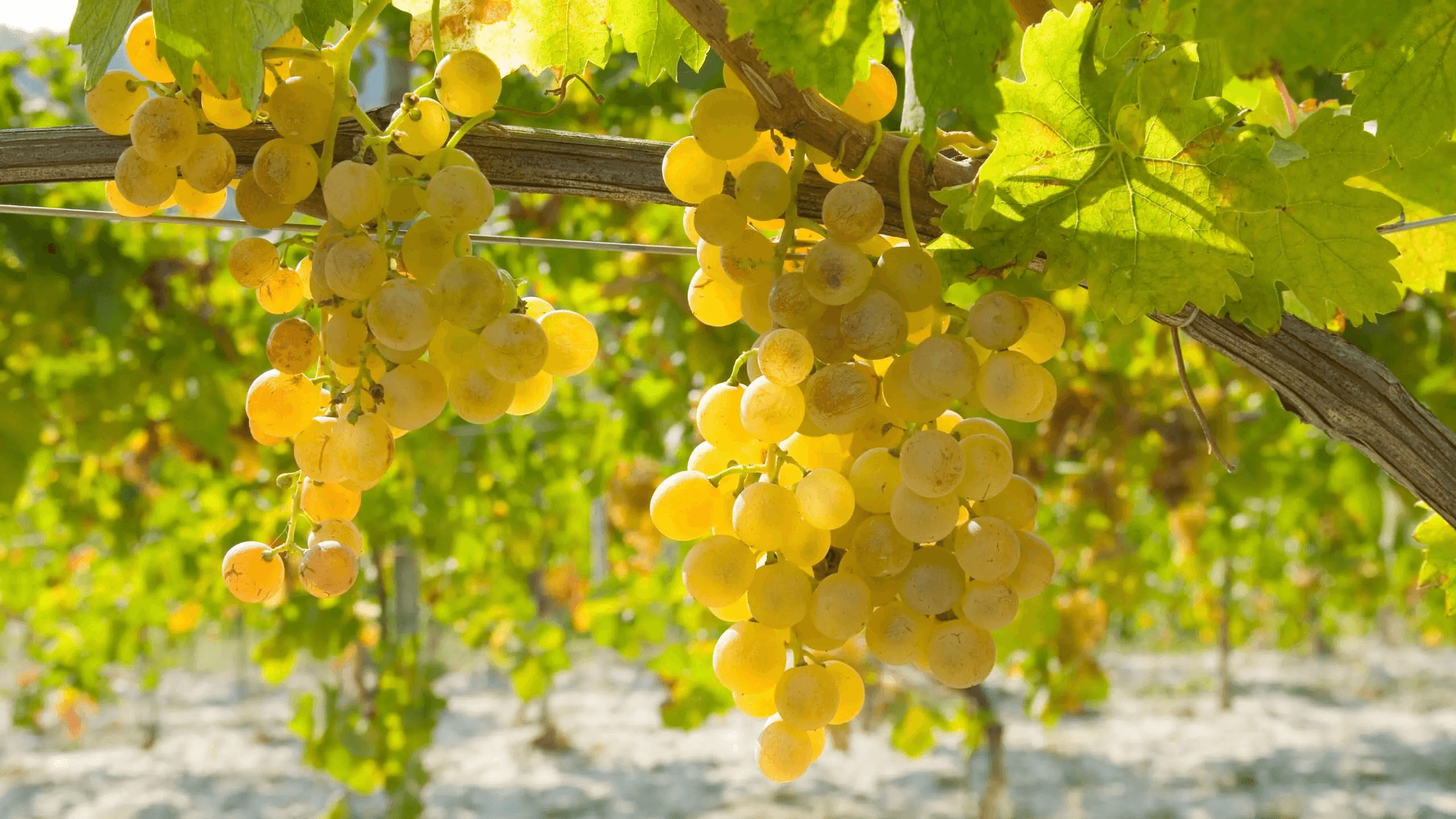
Moreover, Gavi is renowned for its diverse styles, including still white wine, sparkling wine, and classic method sparkling wine. Some high-quality Gavis even have excellent aging potential, developing aromas of honey, nuts, and even petroleum in the bottle. These variations make Gavi not only suitable for everyday drinking but also meet the demand for premium white wines.
It’s also worth mentioning that the soil environment where Gavi grows is diverse, including limestone, mineral-rich alluvial clay, and gravelly soils. Each type of soil imparts different flavor characteristics to the grapes, making every bottle of Gavi unique.
Reasons for Popularity
For white wine enthusiasts in Hong Kong, Gavi is undoubtedly an ideal choice, perfectly matching the fresh and crisp palate with Asian culinary culture. Whether paired with seafood, light appetizers, or herbaceous-flavored pasta, Gavi showcases excellent food pairing capabilities.
Additionally, Gavi is reasonably priced but of high quality, with most wines on the market being relatively affordable, making it a cost-effective choice for everyday dining. Coupled with its similarities to renowned white wines such as Chablis or Sauvignon Blanc, those who enjoy fresh white wines are likely to fall in love with it.
Finally, as the Piedmont region is committed to promoting this white wine through events like international wine tastings and masterclasses, more people are becoming aware of Gavi's charm. With 85% of its production exported to international markets, this classic Italian white wine is making its way around the globe.
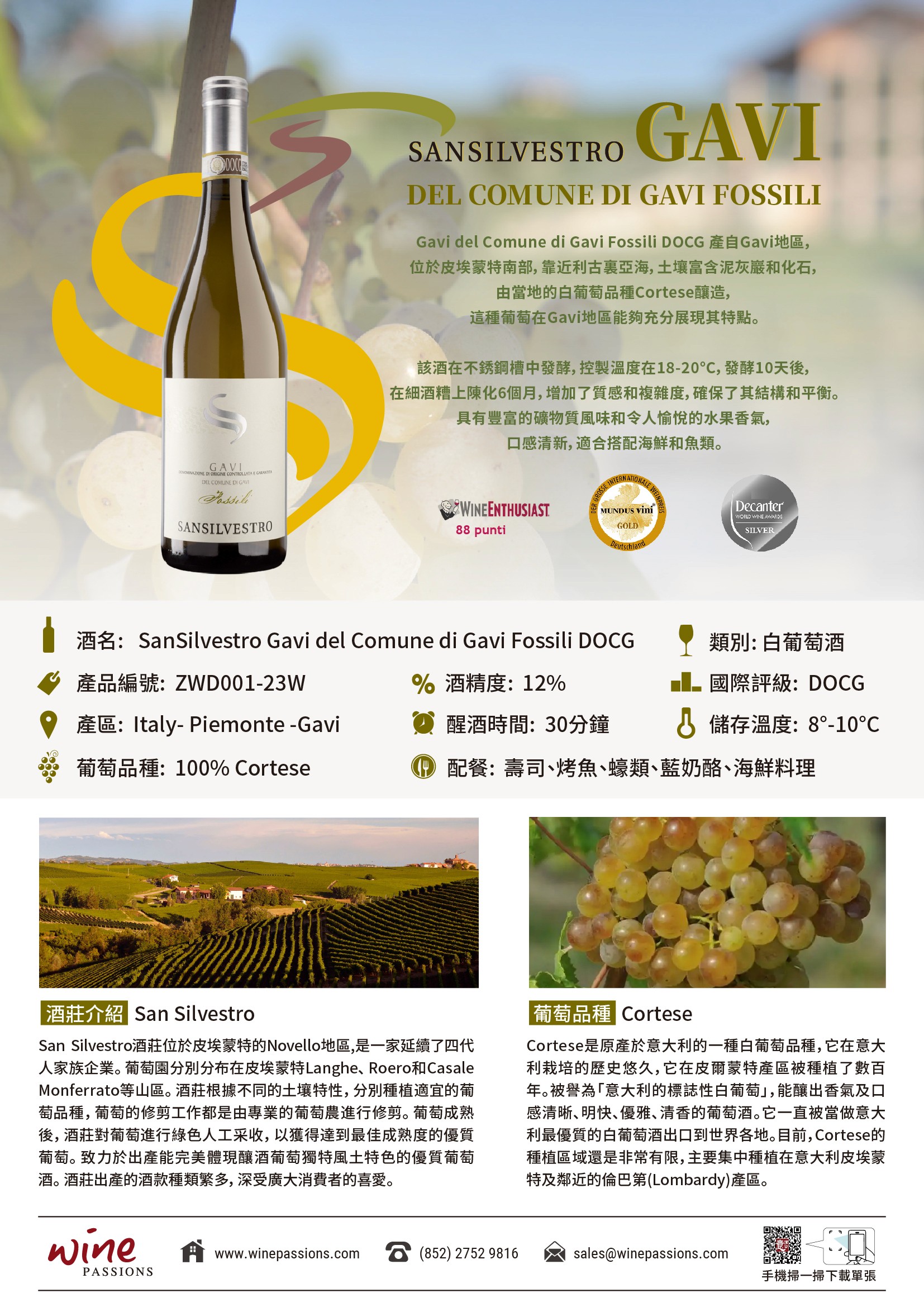
San Silvestro Gavi del Comune di Gavi Fossili DOCG 2023 is a classic white wine that blends traditional craftsmanship, unique terroir, and modern concepts. Whether as a delicious companion on the everyday dining table or a fine selection for important occasions, it can conquer every wine taster with its fresh and complex flavors. If you are a white wine enthusiast from Hong Kong, you should personally experience the extraordinary charm that this exquisite white wine has to offer!
San Silvestro Gavi del Comune di Gavi Fossili DOCG 2023: The Most Precious White Wine Experience

San Silvestro Gavi del Comune di Gavi Fossili DOCG 2023 is a top-tier white wine from the Piedmont region of Italy, known for its rich flavor profile, exceptional winemaking craft, and commitment to sustainability. Here are some unique selling points of this wine that make it a must-try for anyone:
1. Unique Terroir and Grape Variety
The core of San Silvestro Gavi Fossili lies in its unique terroir conditions and the Cortese grape variety:
Geographical Location and Soil: The grapes for this wine come from the Gavi hills near the Ligurian Sea, where the soil is rich in limestone and fossils, providing an excellent mineral foundation for the grapes. This special soil imparts a rich mineral character and fresh flavors to Gavi wine.
Cortese Grape: Cortese is a high-acidity, thin-skinned white grape variety, particularly well-suited to grow in the warm and sunny climate of the Piedmont region. This results in classic flavors of lemon, green apple, and almond, with subtle floral aromas and spicy notes.
2. Superb Winemaking Craft
San Silvestro winery is renowned for its blend of traditional and modern winemaking techniques:
Temperature-Controlled Fermentation: The grapes are fermented under precise temperature control at 18 to 20°C, ensuring a perfect balance of fruitiness and acidity.
Aging Process: The wine is kept in stainless steel tanks in contact with fine lees for six months, adding texture and complexity to the body.
Family Heritage: San Silvestro winery was founded in 1871 and has been run by the family for four generations. They adhere to sustainability principles, earning Equalitas certification and are committed to environmentally friendly grape growing practices.
3. Unique Flavor and Versatile Pairings
San Silvestro Gavi Fossili is famous for its fresh and complex flavors:
Flavor Profile: This wine showcases lemon, green apple, floral notes, and a hint of spice, accompanied by a pronounced mineral character and a typical bitter almond finish.
Balanced Structure: It is clean and well-balanced on the palate, with lively acidity that is not harsh, resulting in a long, pleasant aftertaste.
Food Pairings: This wine pairs excellently with seafood (such as oysters and sushi), light pasta dishes, and dishes with creamy sauces or spicy seasonings.
4. High Value and International Reputation
Despite its outstanding quality, San Silvestro Gavi Fossili is relatively affordable, making it an excellent choice for white wine enthusiasts looking for value. Moreover, the brand has successfully expanded into international markets, with products that have received global recognition, making it a prized selection for wine lovers around the world.
Conclusion
San Silvestro Gavi del Comune di Gavi Fossili DOCG 2023 is a classic white wine that blends traditional craftsmanship, unique terroir, and modern ideals. Whether as a delightful companion on the everyday dining table or a fine choice for special occasions, it will captivate every wine taster with its fresh and complex flavors. If you are a white wine enthusiast in Hong Kong, do experience the extraordinary charm of this precious white wine for yourself!
Feature report

婚宴紅酒點揀?結婚擺酒實用選酒指南:預算、分量計算與酒標體面度婚宴紅酒點揀?結婚擺酒實用選酒指南:預算、分量計算與酒標體面度
Château Latour is one of the top wineries in the Médoc region of Bordeaux, France. Its name "La Tour" comes from French, meaning "the tower" or "defensive bastion," symbolizing its deep historical background. This winery not only represents French wine culture but also stands as an important witness to the Hundred Years' War and European history. The following will delve into four parts exploring the story of Château Latour, product characteristics, tasting recommendations, and the extraordinary charm of the Latour second label.
1. Historical Background of Château Latour
The history of Château Latour dates back to 1331, when Gaucelme de Castillon was authorized to build a defensive tower in the parish of Saint-Maubert to protect the Gironde estuary from attacks. This tower later became an important strategic point during the Hundred Years' War and changed hands multiple times between the English and French sides. Its name evolved over time to "La Tour en Saint-Maubert," eventually simplified to "La Tour."
By the 17th century, the Latour estate was inherited by the Alexandre de Ségur family, which later acquired several famous estates including Lafite and Calon-Ségur, becoming one of the most powerful wine families of the time. Alexandre's son Nicolas-Alexandre de Ségur was even praised by King Louis XV as the "King of Wine." In the early 18th century, Latour began to emerge in the British market, with wine prices far exceeding ordinary Bordeaux, gaining great fame.
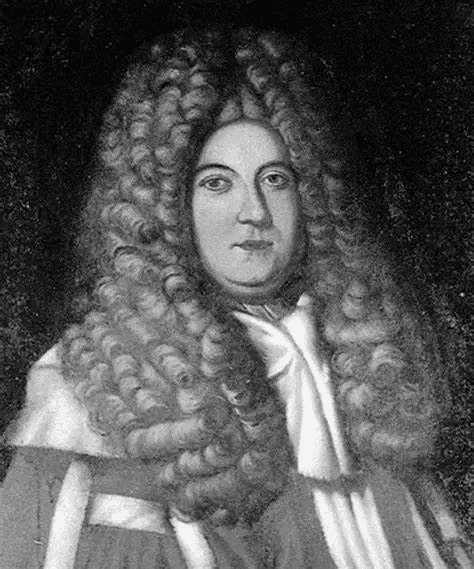
Marquis Nicolas-Alexandre de Ségur
In the 1855 Bordeaux classification, Château Latour was rated as one of the four first growths, a honor that further solidified its position in the global market.
2. Product Characteristics of Château Latour
Château Latour has about 78 hectares of vineyards, with the core 47-hectare parcel known as "L’Enclos"; only grapes from this parcel can be used to produce its flagship product "Grand Vin de Château Latour." This plot is famous for its deep gravel and clay soils, providing a unique microclimate and excellent drainage, elevating the grape quality to its peak.
Main Grape Varieties:
Cabernet Sauvignon: over 70% of the blend, providing structure and aging potential.
Merlot: adds smooth texture and balance.
Cabernet Franc and Petit Verdot: enhance aroma and complexity.
The products of Château Latour are divided into three tiers:
Grand Vin: made from vines with an average age of over 60 years, it is one of the most representative top red wines in Bordeaux.
Les Forts de Latour: the second wine, aimed at the mid-market at a more approachable price.
Pauillac de Château Latour: the third wine, more suitable for everyday drinking.
3. Tasting Recommendations and Pairings
The red wines of Château Latour are known for their rich aromas of blackcurrant, cedar, and tobacco, exhibiting a strong tannic structure and high aging potential. The Grand Vin from top vintages can be stored for decades or even longer, with its complexity enhancing over time.
Tasting Recommendations:
Optimal Serving Temperature: 16°C to 18°C.
Decanting Time: young vintages are recommended to decant for 2 to 3 hours; older vintages should be decanted gently to preserve delicate flavors.
Food Pairings:
Red meat dishes like steak or lamb chops.
Dishes with rich sauces, such as Bordeaux beef stew.
Hard aged cheeses like Parmesan or Comté.
The history of Château Latour dates back to 1331, when Gaucelme de Castillon was authorized to build a defensive tower in the parish of Saint-Maubert to protect the estuary of the Garonne River from attacks. This tower later became an important strategic point during the Hundred Years' War, changing hands multiple times between the English and the French. Its name evolved over time to 'La Tour en Saint-Maubert', eventually being simplified to 'La Tour'.
Château Pey La Tour 2022 is the latest product launched by Wine Passions, quickly attracting the attention of wine enthusiasts in Hong Kong with its rare high alcohol content (15%) and exceptional quality. Priced at only HK$280.00, it is a highly cost-effective choice among Bordeaux reds, blending traditional and modern craftsmanship to showcase the essence of Bordeaux wines. The following will detail Château Pey La Tour 2022 from three aspects, helping consumers in Hong Kong better understand the characteristics, historical background, and tasting suggestions of this wine.

1. The History and Background of Château Pey La Tour
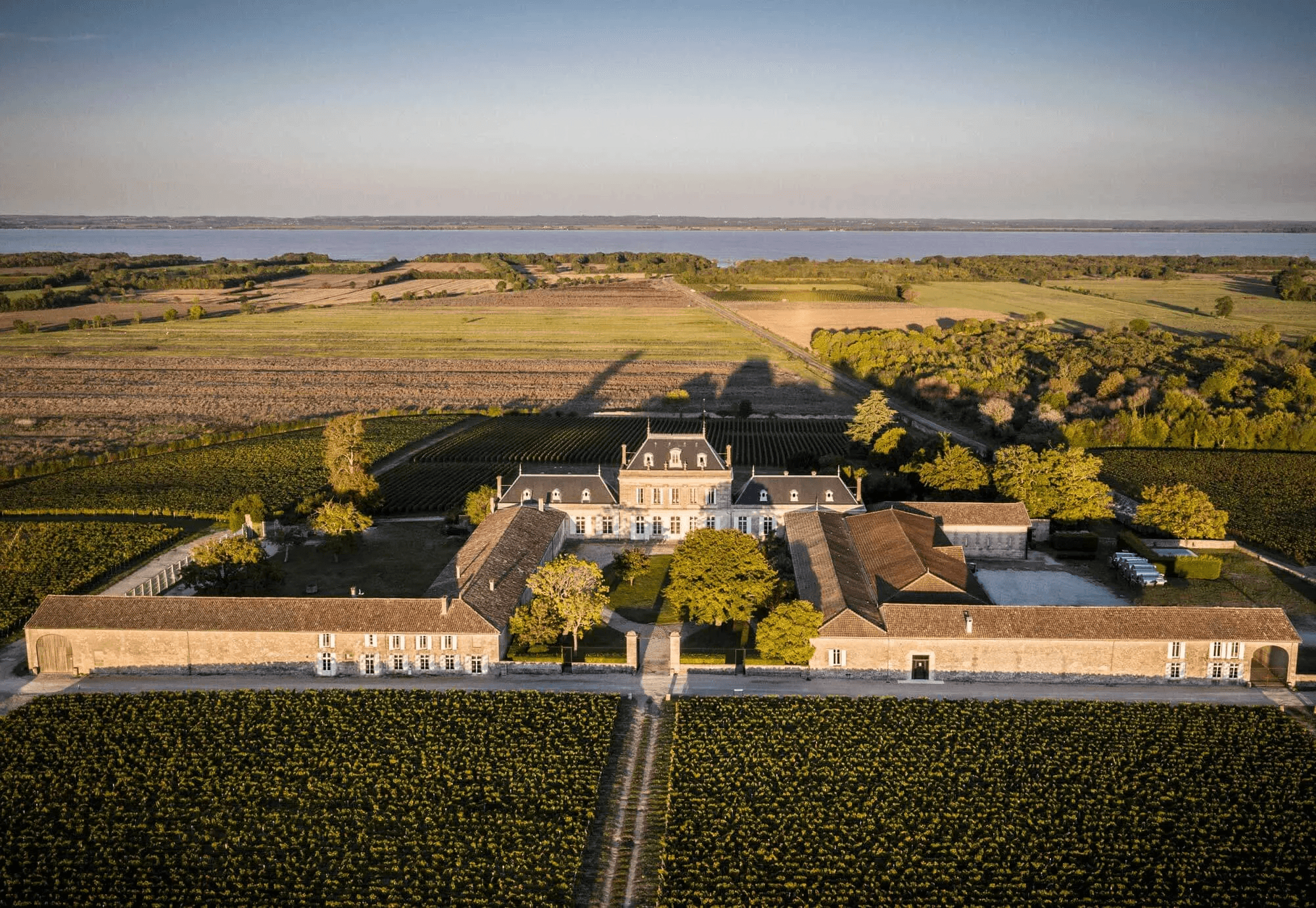
The story of Château Pey La Tour dates back to the 18th century when it was established by the Seigneurie family, originally named Château Clos de la Tour. In 1990, the estate was acquired by the Dourthe Group, entering a new stage of modernization. The Dourthe Group is a well-known wine merchant in Bordeaux, owning several prestigious estates, including vineyards in the Left Bank, Saint-Émilion, and Pessac-Léognan regions.
Currently, Château Pey La Tour has more than 200 hectares of land, with 135 hectares planted with grapes, while the remainder consists of forests and gardens. The vineyard soil is primarily composed of sand, clay, and limestone, divided into 90 small plots, each managed meticulously according to its characteristics. The estate employs a combination of mechanical and manual harvesting methods to ensure the best quality grapes.
The winemaking process at Château Pey La Tour combines traditional and modern techniques. Grapes are fermented in temperature-controlled stainless steel tanks and aged in French oak barrels for 12 to 15 months, with approximately 33% being new barrels. This method imparts deeper flavors and higher aging potential to the wine.
2. Product Characteristics of Château Pey La Tour 2022
Château Pey La Tour 2022 is a Bordeaux red wine, made from a blend of Merlot, Cabernet Sauvignon, Cabernet Franc, and Petit Verdot. With its alcohol content reaching 15%, it has become a rare gem in the market, displaying rich and complex flavors.
Main Characteristics:
Grape Varietal Proportions: Merlot makes up 95%, with Cabernet Sauvignon and Cabernet Franc each accounting for 2%, and Petit Verdot for 1%. This proportion results in a smooth body and pronounced fruit flavors.
Tasting Notes: It exudes rich aromas of blackcurrants, cherries, and plums, accompanied by earthy, tobacco, and spice layers.
Mouthfeel Structure: Medium-bodied, with delicate, smooth tannins, it offers a round and balanced palate.

The uniqueness of Château Pey La Tour lies in its graded winemaking using grapes from different plots. For example, the "Reserve" series comes from clay and limestone soil, while the standard version utilizes grapes from sandy soil. This meticulous management ensures that each wine can showcase its best flavor.
3. Tasting Suggestions and Pairings
Château Pey La Tour 2022 is a red wine suitable for various occasions, with rich flavors that pair well with foods. In the Hong Kong market, it is especially suitable for pairing with Asian dishes and traditional Western cuisine.
Tasting Suggestions:
Best Serving Temperature: 15.5°C to 16°C, to preserve the freshness of the wine.
Decanting Time: Young vintages are recommended to decant for about 1 hour to soften tannins and enhance aromas; older vintages require gentle decanting to avoid destroying delicate layers.
Food Pairing Suggestions:
Traditional Western dishes such as roasted lamb chops, steak, and beef stew.
Asian dishes such as braised pork, pan-seared duck breast, or soy-glazed bass.
Rich cheeses, such as Parmesan or blue cheese.
Explore the Extraordinary Charm of Latour's Second Label
The fruitiness and acidity of Château Pey La Tour create a perfect balance with meat dishes while enhancing the richness of cheese.
Château Latour is a legend in the world of Bordeaux wines, with its long history, exceptional quality, and deep cultural heritage making it a classic symbol in the hearts of wine lovers worldwide. From its defensive fortress during the Hundred Years' War to today’s top estate, Latour has not only witnessed the changes in French history but also created countless remarkable wines through its exquisite winemaking skills and respect for the land. Whether it is its first growth Grand Vin or the second label wine Château Pey La Tour, both perfectly embody the ultimate charm of Bordeaux blending artistry and terroir characteristics.
Explore the extraordinary charm of Latour's second label and learn more about the story of Château Pey La Tour, deeply savoring Bordeaux wine culture; this is not only a sensory enjoyment but a journey of dialogue with history, art, and nature. For wine lovers in Hong Kong, Château Latour is a name not to be missed; it represents not only high-end taste but also a pursuit of quality of life.