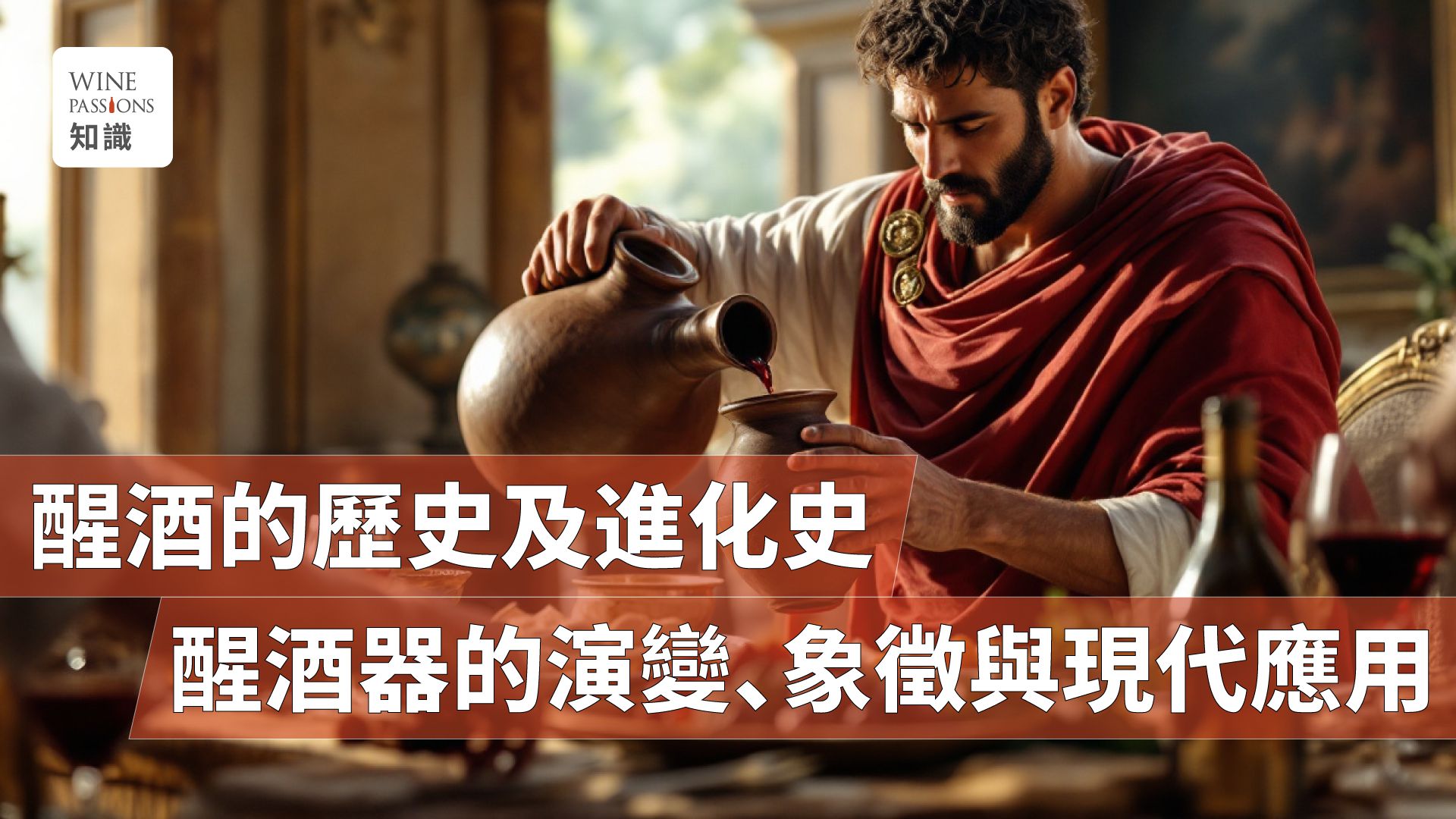
The history and evolution of decantation: the culture of decantation and the evolution, symbolism, and modern applications of decanters.
Wine tasting knowledge
餐廳點酒禮儀:如何看懂 Wine List、詢問開瓶費與侍酒師溝通技巧
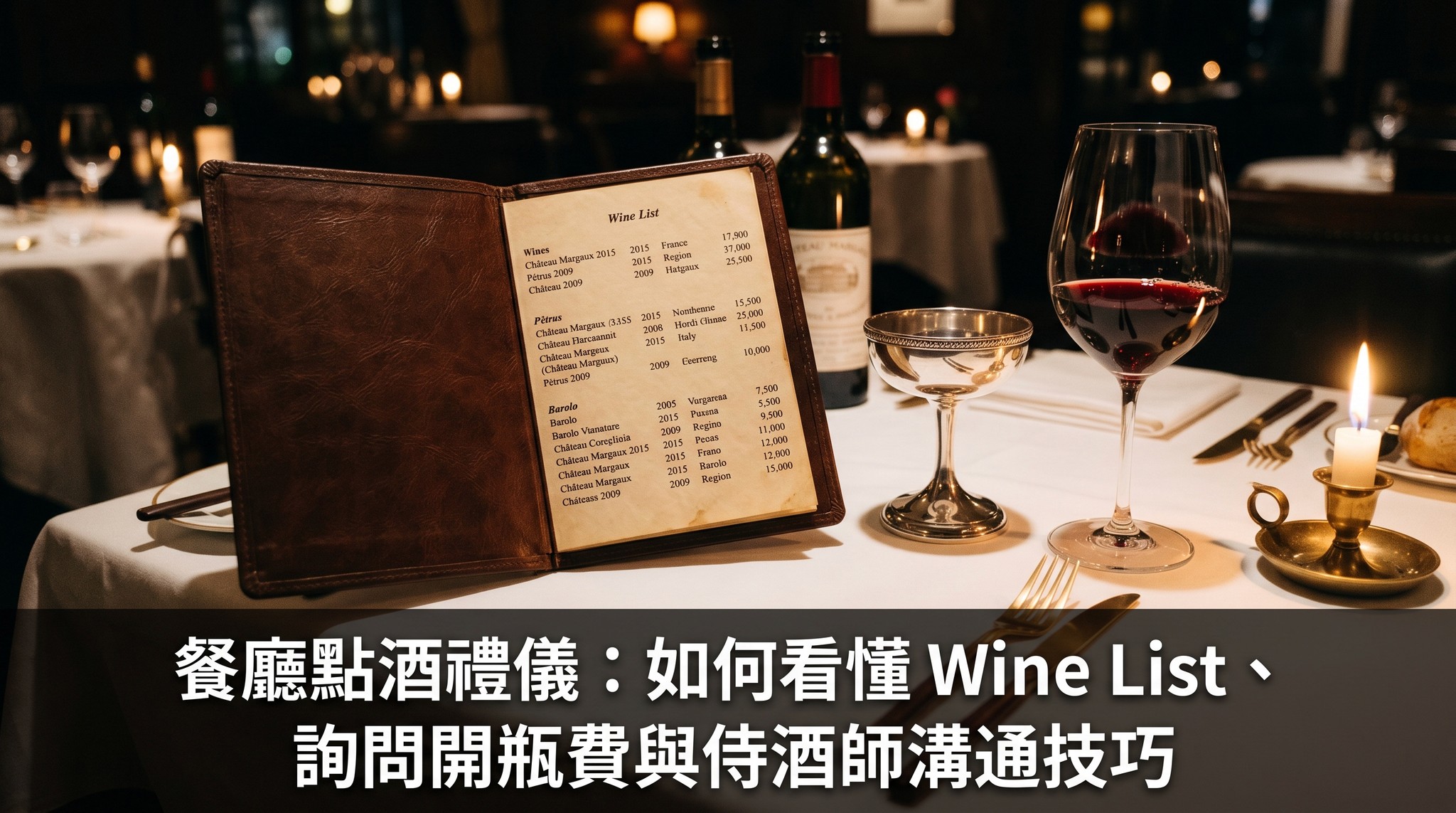
走入高級餐廳都識點酒!教你睇懂 wine list、優雅詢問開瓶費、用 3 句話同侍酒師溝通預算與口味,仲會拆解試酒、退酒同拒絕加酒的得體做法。
餐廳點酒禮儀:如何看懂 Wine List、詢問開瓶費與侍酒師溝通技巧
走進高級餐廳,當侍酒師(Sommelier)遞上一本厚如字典的酒牌時,許多人心中都會閃過一絲慌亂:不知道該如何挑選、怕點得太便宜沒面子、怕點錯酒被內行人看笑話。其實,餐廳點酒絕對不是一場考試,而是一場讓您享受美食與微醺的雙向溝通。
作為您的專屬葡萄酒編輯,今天我將為您破解高級餐廳的點酒技巧。從如何優雅地看懂 Wine list HK、巧妙暗示預算,到揭開試酒步驟的真相與退酒禮儀。只要掌握以下 4 個秘訣,您就能自信從容地主導整個餐廳侍酒流程,展現出不凡的品味與風度!
1. 溝通術:用 3 句話巧妙暗示預算與口味喜好不失禮
許多人在點酒時最大的心理障礙,就是「不好意思開口談錢」。如果在約會或商務宴客時,直接對侍酒師說「我想找 800 蚊以下的酒」,難免會覺得有些尷尬。其實,您只需要善用以下 3 句話,就能優雅地傳達您的需求:
第一句:暗示預算的「指點法」 打開酒牌,找到一款符合您心理預算的酒款,然後指著那個價格,對侍酒師說:「我今晚比較想試試『這個風格(或這個產區)』的酒,您還有其他類似的推薦嗎?」 聰明的侍酒師一看到您指著的價格,就會立刻秒懂您的預算區間,並在這個價位上下為您推薦,完全保住了您的面子。
第二句:明確表達口味偏好 不要使用太抽象的詞彙。您可以具體地說:「我們喜歡果香比較奔放、單寧(澀度)柔和一點的紅酒」,或者「我們偏好酸度清脆、不要有太重橡木桶味的白酒。」
第三句:結合食物的終極大絕 「我們今晚的主菜是牛扒和煎海魚,請問哪一款酒可以很好地平衡這兩道菜?」 將難題交給侍酒師,這正是他們展現專業的時刻。
💡 溫馨提示:關於開瓶費(Corkage Fee) 如果您打算自攜酒水,最得體的做法是在「打電話訂座時」就先詢問:「請問餐廳的開瓶費如何計算?有沒有免開瓶費的相關優惠(例如叫一杯餐廳的酒免一支開瓶費)?」 千萬不要等坐下後才從袋裡拿出酒來問,這樣能避免雙方在餐桌上的尷尬。
2. Wine List 破解:從產區與葡萄品種快速篩選高性價比隱藏款
香港餐廳的營運成本高,酒水通常會有 2.5 到 3 倍甚至更高的加乘(Markup)。要在 Wine list HK 中找到高性價比的隱藏佳釀,您需要避開熱門的「名牌陷阱」,學會向冷門產區尋寶:
避開最高溢價的「重災區」: 法國波爾多列級莊(Bordeaux Grand Cru)、布爾岡一級/特級園(Burgundy Premier/Grand Cru)、美國納帕谷(Napa Valley)等。這些知名產區的酒款,因為品牌效應,餐廳的加乘通常是最狠的。
向「冷門產區」尋寶: 想要便宜又好喝,請把目光轉向以下產區:
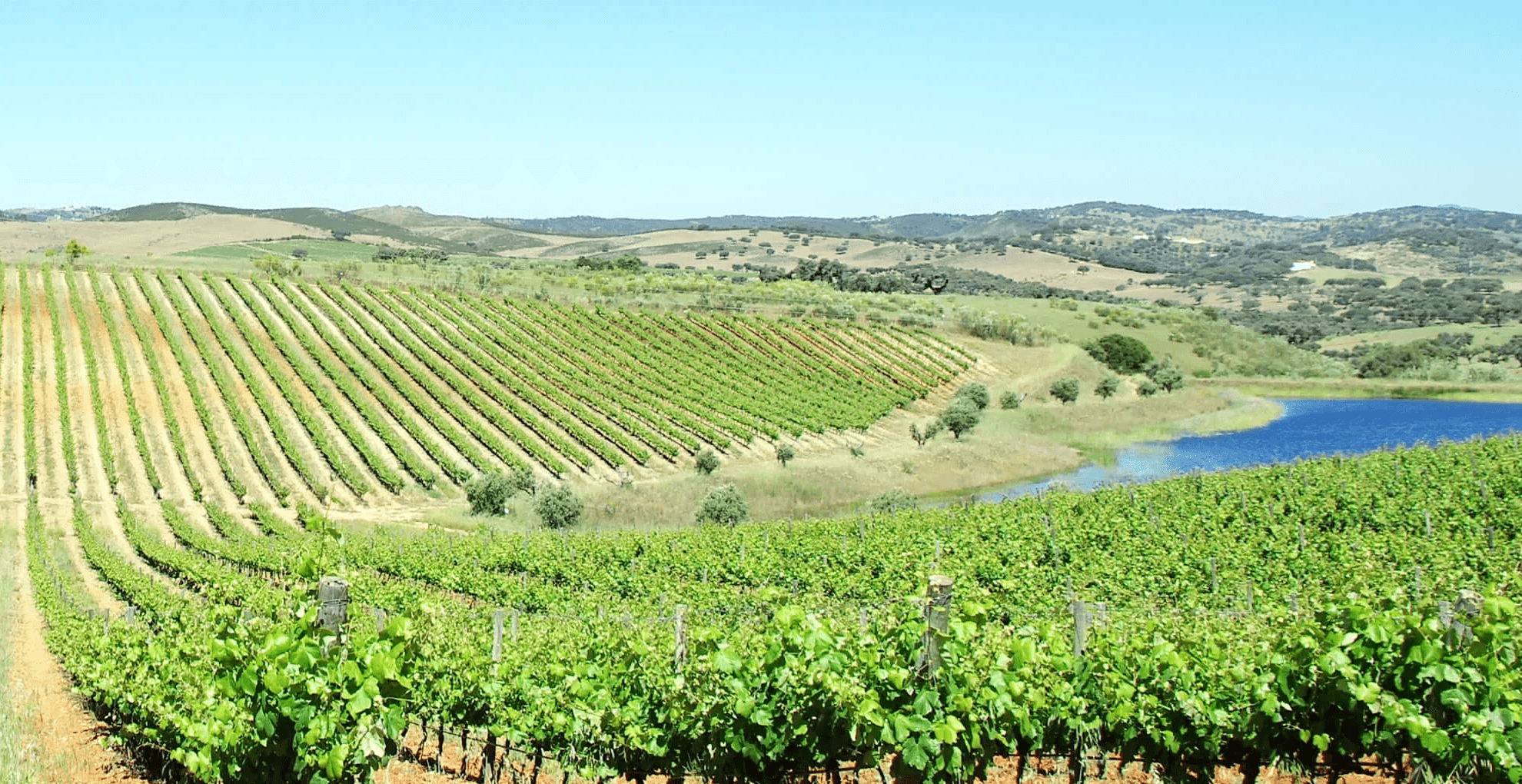
西班牙或葡萄牙: 尋找西班牙的 Ribera del Duero(口感不輸波爾多)或葡萄牙的 Douro 產區。
南意大利: 例如 Puglia 或 Sicily(西西里島),這裡的酒款通常果味豐滿、價格極其親民。
南美洲: 智利的佳美娜(Carménère)或阿根廷的馬爾貝克(Malbec),絕對是配搭紅肉的高性價比戰鬥機。
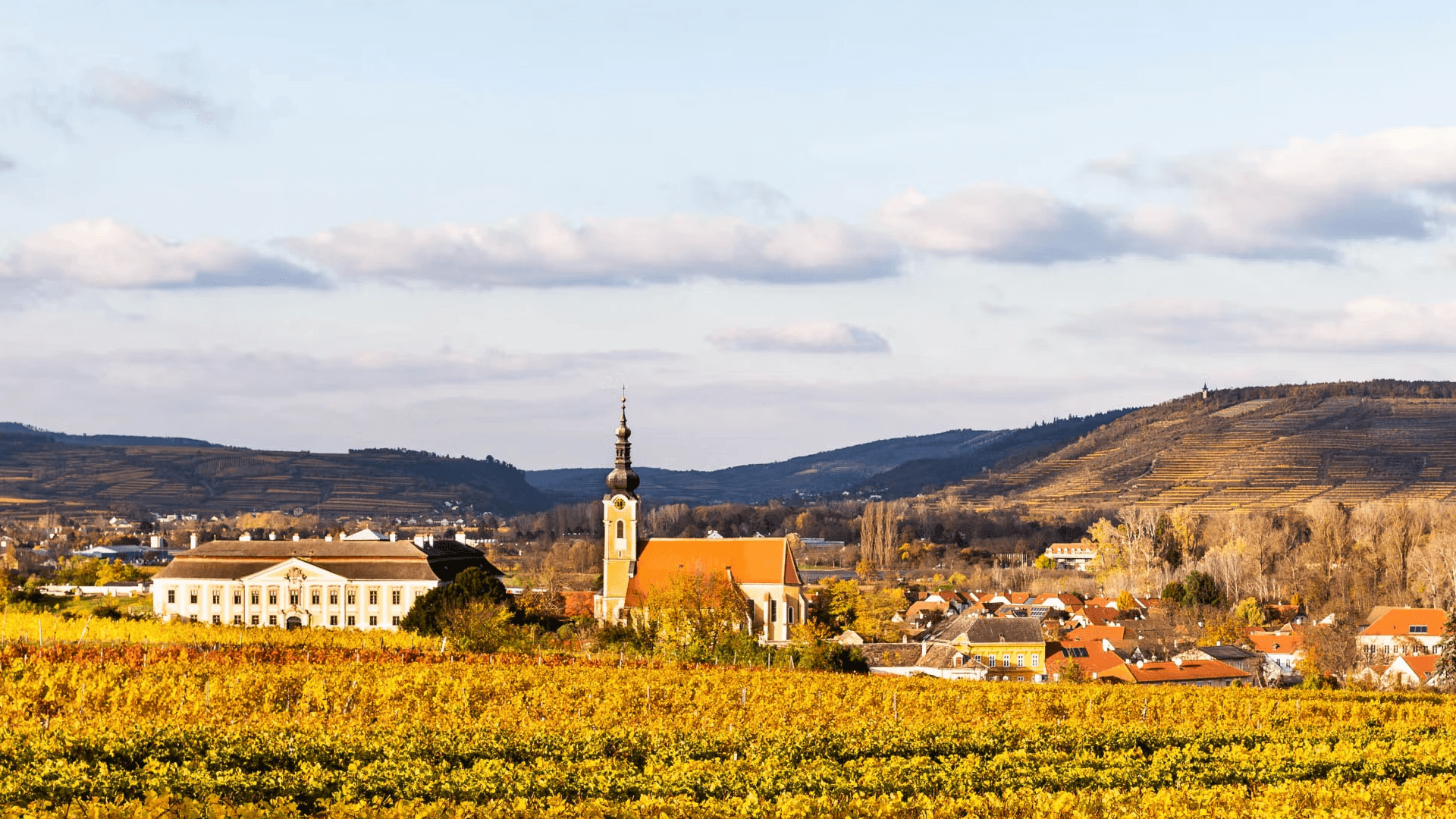
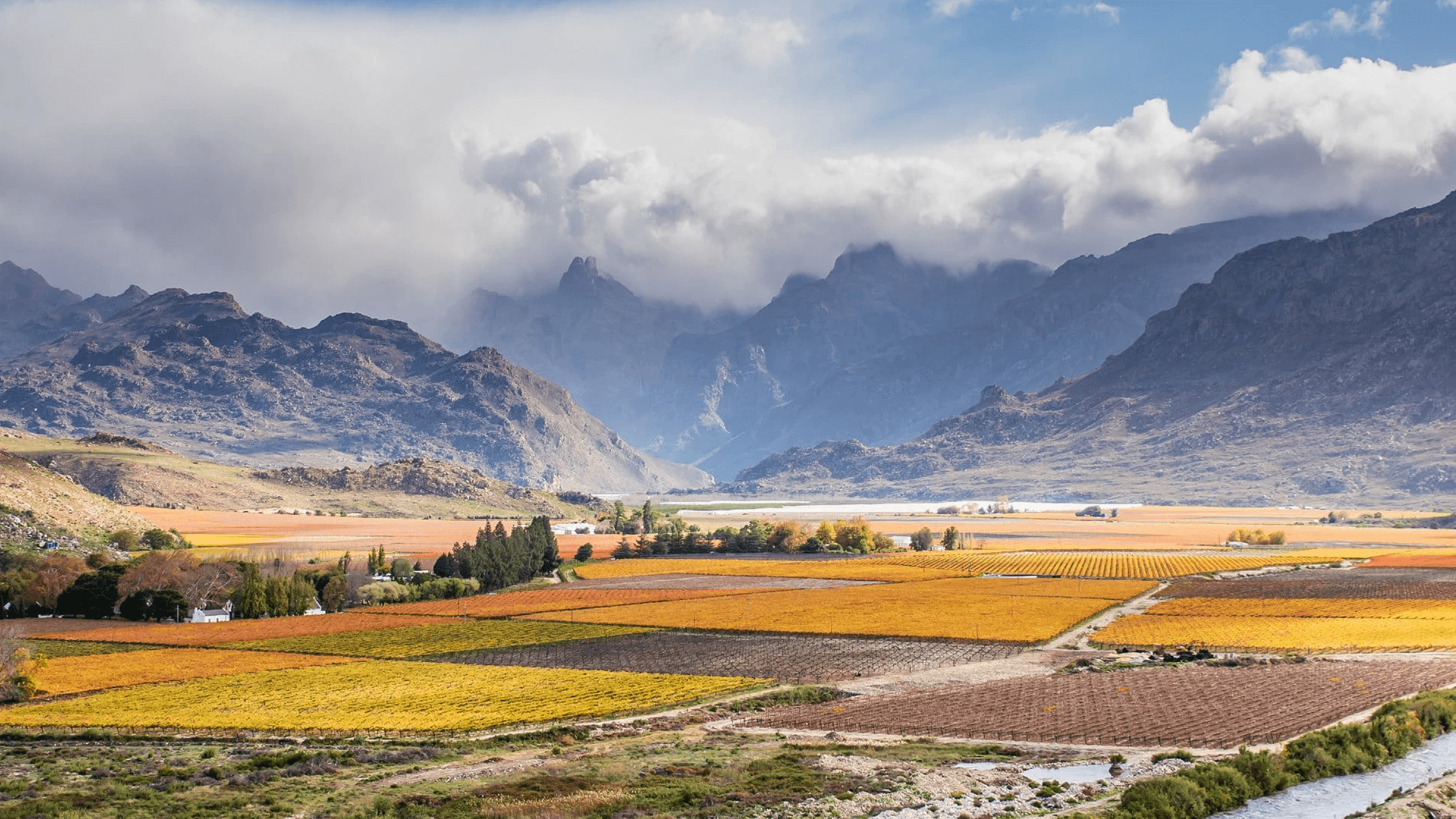
尋找「被低估」的葡萄品種: 捨棄昂貴的黑皮諾(Pinot Noir),試試法國羅亞爾河谷的品麗珠(Cabernet Franc);捨棄大熱的長相思,試試南非的老藤白詩南(Chenin Blanc)或奧地利的綠維特林納(Grüner Veltliner)。這些往往是侍酒師自己最愛喝的私房酒。
3. 試酒步驟真相:為何倒一小口給你?試 Cork 還是試味?
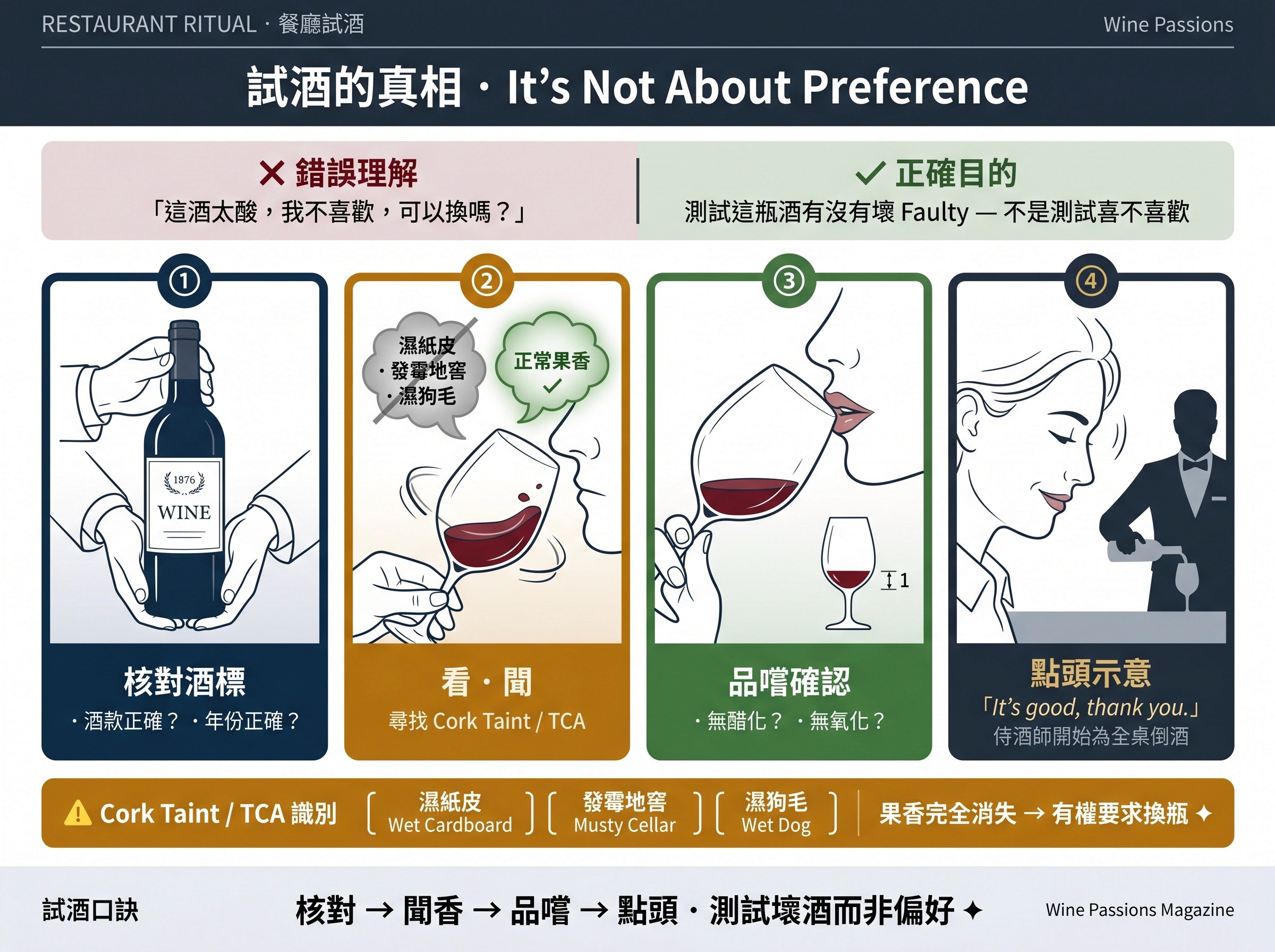
當您點好酒後,侍酒師會開瓶,並倒大約一根手指厚度的一小口酒到您的杯中。許多新手會在此時緊張地品嚐,然後說「這酒有點太酸,我不喜歡,可以換嗎?」——這是一個巨大的誤會!
倒一小口給您,不是測試您「喜不喜歡」,而是測試這瓶酒「有沒有壞(Faulty)」!
正確的試酒流程:
核對酒標: 侍酒師展示酒瓶時,確認這是否是您點的那支酒、年份是否正確。
看與聞: 輕輕搖晃那小口酒,把鼻子湊近聞一下。您要尋找的是「木塞污染(Cork Taint / TCA)」的氣味。如果酒壞了,它會散發出一股令人不悅的「濕紙皮、發霉的地窖、或是濕狗毛」的臭味,原本的果香會完全消失。
品嚐確認: 喝一小口確認沒有醋化或氧化。
點頭示意: 如果一切正常,只需對侍酒師微笑點頭說:「很好,謝謝(It's good, thank you.)」,侍酒師就會開始為全桌客人倒酒。
4. 拒絕與退酒:如何優雅拒絕加酒與遇到壞酒時的正確退換流程
在高級餐廳中,懂得如何得體地說「不」,同樣是點酒禮儀的重要一環。
優雅地拒絕加酒: 當您的酒量已達極限,或者想換另一款酒時,無需慌張地用手緊緊摀住杯口。當侍酒師拿著酒瓶走近時,您只需將手指輕輕觸碰酒杯底座或杯口邊緣,微笑着說:「謝謝,我這杯夠了(I'm good for now, thanks.)」,侍酒師便會心領神會地退下。
遇到壞酒時的正確退酒流程: 如前所述,只有在葡萄酒出現「物理性變質」(如木塞污染、嚴重氧化、變成了醋)時,您才有權利要求退換。
錯誤示範: 「這支酒太澀了/不合我口味,我要退掉。」(這在國際禮儀上是不被接受的)。
正確做法: 如果您在試酒階段聞到了濕紙板的霉味,請冷靜地對侍酒師說:「不好意思,我覺得這支酒好像有點 Corked(木塞污染),可以請您也試試看嗎?」
專業的侍酒師會將剩餘的酒倒一點在自己的品酒杯(Tastevin)或另一個杯子中確認。一旦確認是酒質問題,他們會立刻向您致歉,並迅速為您更換一瓶全新、同款的酒。這不僅展現了您的專業,也給予了服務人員充分的尊重。
Related articles






Wine tasting knowledge

餐廳點酒禮儀:如何看懂 Wine List、詢問開瓶費與侍酒師溝通技巧餐廳點酒禮儀:如何看懂 Wine List、詢問開瓶費與侍酒師溝通技巧
Tasting wine is an art that emphasizes detail, and the quality of the environment and preparation directly affects the tasting experience. Below is an in-depth analysis of how to choose an appropriate environment, use the correct glasses, and control the temperature to help you maximize the essence of wine.
1. Choose the Right Environment: Create a Professional Tasting Atmosphere
Quiet and Distraction-Free
Avoid Noise: Choose a space away from the hustle and bustle to focus your attention on the aromas and flavors of the wine. Excessive background noise can distract your sensory perception.
Pure Smells: The sense of smell is crucial in tasting, so avoid distracting odors like perfumes, candles, and strong foods. Professional tasting venues may even require attendees to refrain from using any scented products.
Natural Light: Natural light is the best option for observing the color and clarity of the wine. If artificial lighting is used, opt for soft lights that are close to white, avoiding overly bright or dim light.
Professional White Tablecloth Setup: Use a white tablecloth or background as a base for observing the color of the wine, as this allows for a more accurate determination of its hue.
Maintain Room Temperature: Keep the room temperature stable between 18-20°C, which is the optimal temperature range for the performance of most wines.
2. Use the Correct Glassware: Unleash the Potential of the Wine
Different types of wine correspond to their ideal glassware (more knowledge can be found in 【酒具】):
Red Wine:
Use wide-bowled glasses (such as Bordeaux glasses or Burgundy glasses) that allow red wine to come into contact with air, unleashing its complex aromas.
Bordeaux glasses are suitable for full-bodied red wines (like Cabernet Sauvignon and Merlot), while Burgundy glasses are best for red wines with delicate fruit aromas (like Pinot Noir).
White Wine:
Narrow glasses concentrate the fresh aromas while maintaining a cooler temperature. They are suitable for white wines like Sauvignon Blanc or Chardonnay.
For white wines aged in oak barrels (such as aged Chardonnay), slightly wider glasses can be selected to balance the rich flavors.
Sparkling Wine:
Champagne flutes are tall and narrow, helping to keep the bubbles rising delicately and concentrate the aroma.
If you wish to experience the complex layers of champagne more deeply, consider using tulip-shaped glasses.
**A Gentle Reminder: Material and Cleaning
Choose clear, thin-walled glass without decorations for a clear observation and experience of the wine.
Glasses should be thoroughly cleaned and wiped with a clean cotton cloth to avoid any residual water stains or detergent flavors affecting the tasting.
By carefully preparing the environment, selecting suitable tools, and controlling the correct temperature, not only can you enhance the tasting experience, but you can also more fully showcase the unique charm of each wine. These details are precisely what professional tasters strive for in their pursuit of ultimate taste.
3. Control the Temperature: Release the Best Flavors
Red Wine:
Light-bodied Red Wine: 12-14°C
Medium-bodied Red Wine: 14-16°C
Full-bodied Red Wine: 16-18°C
Too high a temperature enhances the alcoholic sensation, masking the fruit aromas; too low will suppress the aromas and taste.
White Wine:
Light-bodied White Wine: 7-10°C
Full-bodied White Wine: 10-13°C
Being too cold will mask its flavor layers, while slightly warmer can release more fruitiness and acidity.
Sparkling Wine:
Champagne and Other Sparkling Wines: 6-8°C
A very cold temperature keeps the bubbles lively and enhances the refreshing sensation, but should not be too cold to avoid suppressing the aromas.
Practical Tips
Refrigeration: Place white wine or sparkling wine in the refrigerator for 2 hours in advance; red wine can be placed in the refrigerator for 20 minutes to slightly lower the temperature.
Icy Bucket Cooling: Adding ice and water to an ice bucket can quickly bring the wine down to the ideal temperature.
Temperature Testing: Use a professional thermometer to confirm that the temperature before opening the bottle meets the standards.
By carefully preparing the environment, selecting suitable tools, and controlling the correct temperature, not only can you enhance the tasting experience, but also more fully showcase the unique charm of each wine. These details are what professional tasters pursue in their quest for the ultimate tasting experience.
Wine tasting knowledge

餐廳點酒禮儀:如何看懂 Wine List、詢問開瓶費與侍酒師溝通技巧餐廳點酒禮儀:如何看懂 Wine List、詢問開瓶費與侍酒師溝通技巧
In the long-standing culinary culture of humanity, wine undoubtedly plays a crucial role. Whether at an elegant banquet or a casual gathering with friends, wine is ever-present. If you want to appear graceful and confident in a wine tasting event and engage in high-level discussions with other wine enthusiasts, understanding wine etiquette and social rules is essential. This article will elaborate on the etiquette you need to pay attention to during wine tasting and how to demonstrate elegance in social situations, helping you elevate your style and fully enjoy the wonderful world of wine.
Wine Etiquette: Basic Principles You Cannot Ignore
The elegant process of wine tasting is not merely about savoring fine wines; it is a multi-sensory feast of vision, smell, and taste. Mastering the necessary etiquette details can make this feast more charming.
Correct Way to Hold the Glass
A wine glass is not a tool to be grabbed carelessly; the correct way to hold the glass is to gently pinch the base of the glass with your thumb, index, and middle fingers, rather than the bowl, to avoid influencing the wine's flavor with the warmth of your hand and to keep the glass clean. This way of holding not only appears elegant but also allows you to better observe the wine’s color and aroma. This helps maintain the wine's temperature, avoiding the impact of your palm's heat on the wine's fragrance, while also adding an elegant posture.
Correct Wine Pouring Amount
Red Wine: It is usually recommended to pour red wine to a third of the glass (about 120ml). This amount not only allows the wine to fully contact the air, promoting oxidation, but also releases more aroma, enriching the tasting experience.
White Wine: For white wine, it can be poured to half of the glass (about 150ml), which helps maintain appropriate cooling and allows the aroma to concentrate in the glass.
Sparkling Wine/Champagne: Sparkling wine is recommended to be poured to two-thirds of the glass (about 120ml) to maintain the liveliness of the bubbles, while avoiding excessive foam overflow. Avoid filling the glass to the brim to prevent affecting the drinking experience and visual effect.
Poring Techniques
Maintain Distance: When pouring wine, the bottle's mouth should be about 2 to 3 centimeters away from the rim of the glass. This can avoid noise caused by the bottle's mouth colliding and reduce the risk of drips onto the table.
Control Pouring Speed: When pouring, the bottle should be tilted slowly and steadily to avoid pouring too quickly, which could cause excessive foam or spill. For sparkling wine, you can first tilt the bottle and, once the foam subsides slightly, pour to the appropriate level.
Rotate the Bottle: After pouring a glass of wine, gently rotate the bottle and then lift it up, which can effectively prevent the wine from dripping at the mouth of the bottle. This technique requires some practice, but once mastered, it will make your actions more elegant.
Observation and Aroma
Before tasting the wine, first observe its color. Gently swirl the glass to let the wine flow within, then observe its “legs” (the way the wine flows down the walls of the glass). Next, bring your nose close to the glass’s rim, take a deep breath, and experience the wine's aroma. This step helps you capture the aromatic characteristics of the wine, such as fruitiness, floral notes, or woodiness.
Tasting
After smelling the aroma, take a large sip of the wine, allowing it to cover your entire mouth and swirl around, coming into full contact with your taste buds. Pay attention to the wine's acidity, sweetness, tannins, and body. During this process, consider whether the wine is balanced and whether it showcases its region's characteristics.
Toasting Etiquette
In social situations, toasting is a common way to congratulate others. When toasting, ensure eye contact as a sign of respect. Avoid clinking glasses by the rim, and instead, gently touch the bowl to reduce the risk of breakage. After toasting, there is no need to drink all at once; you can savor it slowly.
Maintaining Proper Behavior in Social Situations
Whether at a private dinner or a large banquet, avoiding excessive drinking is crucial. To exhibit elegance, maintain moderate drinking and always remember to lift your glass gently from the table when conversing with others, rather than waving it in front of you.
If you want to gain a deeper understanding of the charm of wine or improve your tasting skills, consider joining our wine tasting courses and workshops. From learning about etiquette to mastering tasting techniques, let each glass of wine create a more refined day for you.
Social Rules: Add Charm with Details
Wine socializing is not just a tantalizing experience for the palate; it is also a medium for communicating souls and establishing connections. Here are some practical tips to help you stand out in social settings:
Learn to Share Stories
Every bottle of wine has its own story. Sharing anecdotes about the wine's origin, winemaker, or vintage not only adds cultural depth to conversations but also enhances your connection with others.
Learn to Identify Others' Tastes
By observing the wines others choose, you can better understand their personalities and preferences—those who lean towards bold and rich Cabernet Sauvignon might be vibrant souls, while fans of Chenin Blanc often appreciate freshness and creativity.
Avoid Over-Commenting
While timely feedback can enhance discussions, being overly critical or boasting about your wine-tasting skills may make others uncomfortable.
Attend Themed Wine Tastings
If conditions permit, consider participating in regional-themed wine gatherings (such as the Hong Kong Wine Music Culture Festival featuring Italian wines) or renowned wineries' cellar opening events. These occasions not only offer opportunities to taste top-quality wines but also allow you to meet like-minded wine enthusiasts.
Master Tasting Etiquette, Embrace an Elegant Taste of Life
Wine is a journey that not only tantalizes the taste buds but also elevates the spirit. From understanding etiquette to learning to tell stories, this journey is not just about honing wine-tasting skills but also about pursuing a refined life. If you wish to delve deeper into the charm of wine or enhance your tasting abilities, consider joining our wine courses and workshops. From learning etiquette to mastering tasting techniques, let each glass of wine create a more refined day for you.
Wine tasting knowledge
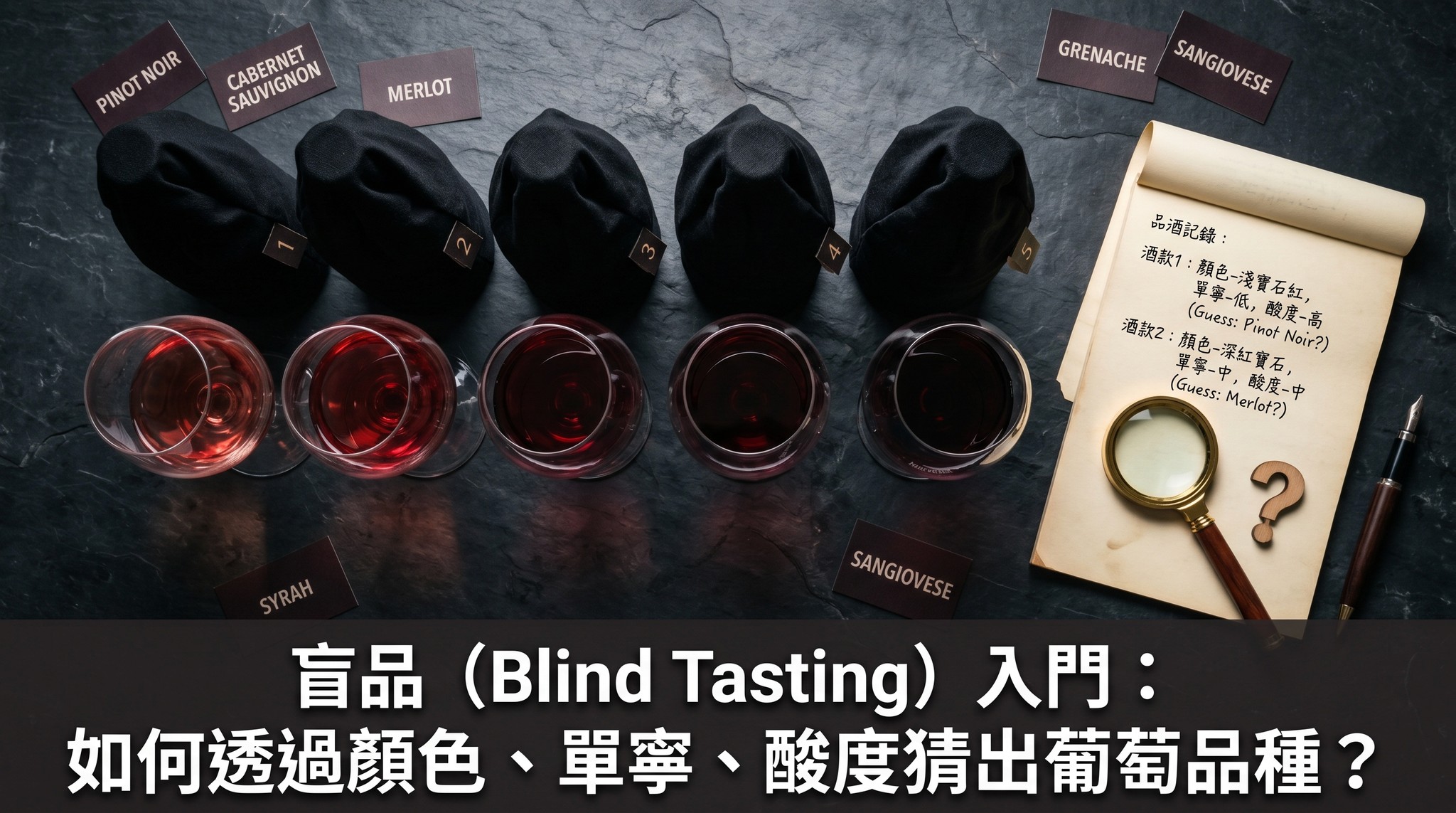
餐廳點酒禮儀:如何看懂 Wine List、詢問開瓶費與侍酒師溝通技巧餐廳點酒禮儀:如何看懂 Wine List、詢問開瓶費與侍酒師溝通技巧
盲品(Blind Tasting)入門:如何透過顏色、單寧、酸度猜出葡萄品種?
在葡萄酒的世界裡,盲品(Blind Tasting)無疑是最具神秘色彩、也最令人著迷的環節。看著品酒大師蒙住酒標,僅憑一杯酒的色澤、香氣與口感,就能準確說出葡萄品種、產區甚至年份,許多人會驚呼這簡直是魔法!
但身為您的專屬葡萄酒編輯,我要向您揭開一個秘密:盲品絕對不是靠通靈或瞎猜,而是一場極度嚴謹的「科學推理遊戲」。在專業的品酒比賽中,侍酒師們大腦裡都有一張精密的地圖。只要掌握正確的盲品技巧,學會解碼藏在酒液裡的物理與化學線索,您也能像福爾摩斯一樣精準分辨葡萄品種。今天,就讓我們從最基礎的 4 個步驟開始,為您開啟盲品的大門!
1. 顏色推理:深紫赤霞珠 vs 透光寶石紅黑皮諾的視覺線索
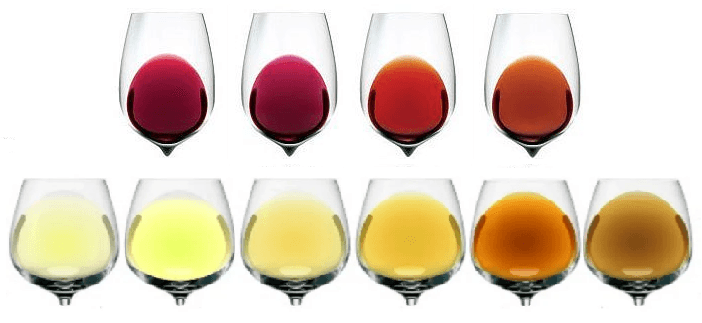
盲品的第一步,是將酒杯傾斜 45 度,在白紙背景下仔細觀察酒液的顏色。紅酒的顏色深淺,直接反映了葡萄果皮的厚度,這是篩選品種的第一道關卡。
「厚皮」葡萄的深邃視覺: 如果您杯中的酒液呈現極度深邃的紫紅色(Purple)或深寶石紅(Deep Ruby),甚至深到「透不過光、看不見杯底的字」,這強烈暗示它來自果皮極厚的葡萄品種。經典代表是赤霞珠(Cabernet Sauvignon)、西拉(Syrah/Shiraz)或馬爾貝克(Malbec)。這類葡萄不僅色素重,通常單寧也較為強勁。
「薄皮」葡萄的透亮視覺: 相反,如果酒液顏色非常清透,呈現淡淡的紅寶石色(Pale Ruby)甚至邊緣帶點石榴紅(Garnet),光線能輕易穿透酒液,這絕對是薄皮葡萄的特徵。最著名的代表就是黑皮諾(Pinot Noir)、歌海娜(Grenache),或是義大利的內比奧羅(Nebbiolo)。
透過觀察顏色的深淺,您的大腦已經可以瞬間將全世界成千上萬的葡萄品種,精準地刪減掉一半!
2. 氣候判斷:高酸度代表冷涼產區,高酒精代表炎熱產區
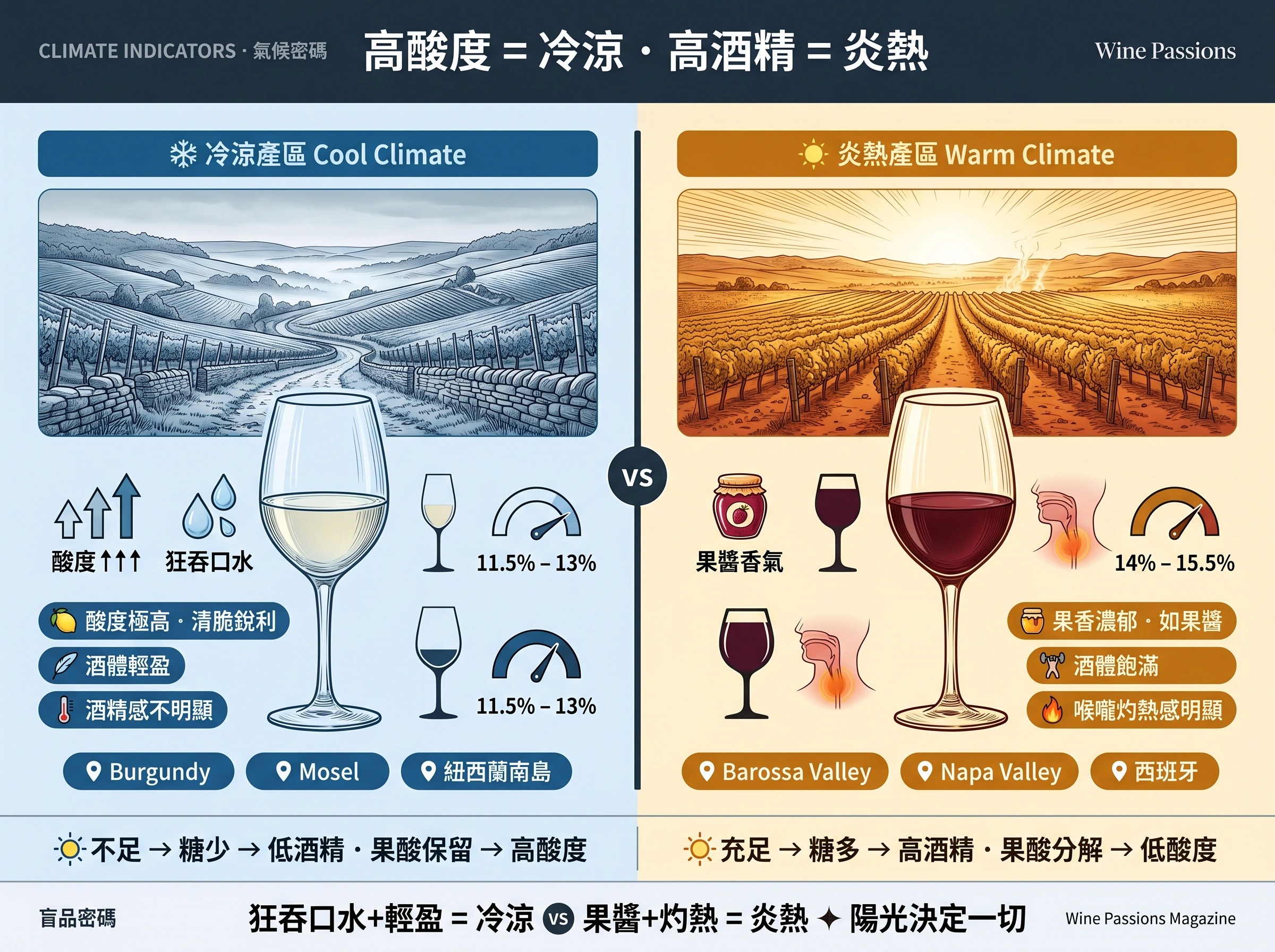
品嚐酒液時,感受它的酸度與酒精帶來的溫熱感,是判斷這瓶酒來自哪種「氣候(Climate)」的終極密碼。葡萄與所有農作物一樣,陽光的多寡決定了它的化學結構。
冷涼氣候的「高酸低酒精」: 在法國布爾岡(Burgundy)、德國摩澤爾(Mosel)或紐西蘭南島等氣候偏冷的地方,葡萄很難累積大量的糖分,但能完美保留天然的果酸。因此,如果您喝到一款酸度極高、令人狂吞口水,且酒體輕盈、酒精感不明顯(通常在 11.5% - 13% 之間)的酒,這強烈暗示它來自冷涼產區。
炎熱氣候的「高酒精低酸度」: 在陽光猛烈的產區,如澳洲巴羅莎谷(Barossa Valley)、美國加州納帕谷(Napa Valley)或西班牙,葡萄會迅速熟透,累積極高的糖分(發酵後轉化為酒精),同時酸度會急劇下降。如果您喝到一款果香猶如濃郁果醬、酒體飽滿,吞嚥後喉嚨深處感受到明顯的酒精灼熱感(通常高達 14% - 15.5%),它十之八九來自炎熱產區(新世界國家居多)。
3. 單寧位置:舌尖 vs 牙齦感受澀味差異辨識品種骨架
單寧(Tannin)是紅酒的靈魂,它會為口腔帶來一種「乾澀、收斂」的感覺(像是喝了泡太久的濃茶)。但盲品高手的秘訣在於,不僅要感受單寧的「強度」,更要感受它在口腔中「分佈的位置」。
前段與牙齦的強烈抓力: 如果您喝下一口酒,感覺到上顎前方、牙齒與嘴唇內側的牙齦被緊緊抓住,產生一種粗糙甚至需要咀嚼的厚重感,這通常是赤霞珠(Cabernet Sauvignon)的標誌性骨架。
包覆全口的絲絨感: 如果單寧雖然強烈,但感覺比較圓潤,像是鋪滿了整個舌面與口腔兩側,甚至帶有一點粉末感(Powdery),這很可能是成熟的梅洛(Merlot)或澳洲西拉(Shiraz)。
反差極大的隱藏殺手: 義大利的內比奧羅(Nebbiolo)是一個經典的盲品陷阱。它的顏色看起來像黑皮諾一樣清透淡雅,但一入口,那種如砂紙般極度強勁、緊咬牙齦不放的高單寧與高酸度會瞬間爆發,這種「顏色淺但單寧極高」的反差,是辨識它最準確的特徵。
4. 演繹法推論:結合果香、木桶味與酸度交叉比對產出答案
收集完視覺與味覺的線索後,盲品的最後一步,就是像偵探一樣使用「演繹推論法(Deductive Tasting)」,將所有線索交叉比對,排除不可能的選項,最後得出的就是正確答案。
實戰推論範例:
線索清單: 顏色深紫不透光(厚皮) ➕ 酸度中等偏低、酒精感強烈(炎熱產區) ➕ 單寧圓潤包覆全口 ➕ 香氣帶有黑莓果醬、黑胡椒與朱古力味。
推論過程:
深色厚皮排除黑皮諾。
高酒精與果醬味排除冷涼的法國波爾多,指向新世界。
黑胡椒與朱古力是關鍵香氣。
最終結論: 這極大可能是一支來自澳洲的 Shiraz(西拉)!
盲品的樂趣,就在於這個不斷自我辯證與探索的過程。即使最後猜錯了品種,您也已經深刻地理解了這瓶酒的風味結構。
如果您想親自為自己安排一場充滿樂趣的盲品挑戰,您會想先從果香奔放的新世界紅酒開始,還是挑戰優雅細緻的舊世界白酒呢?