

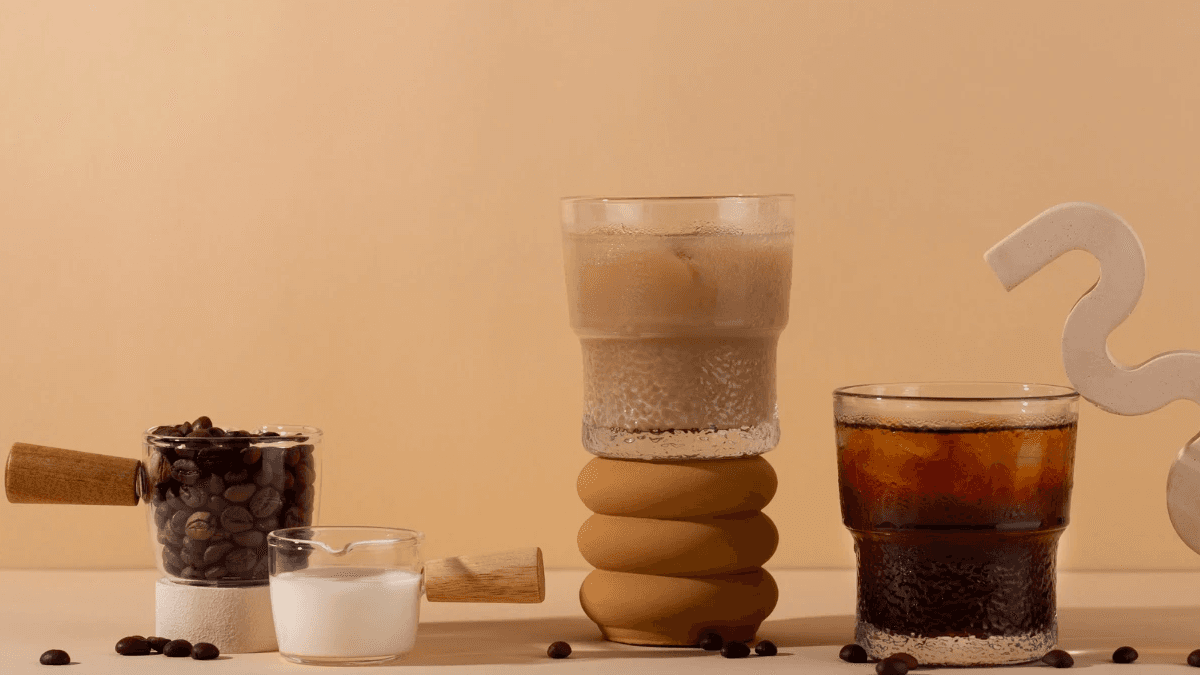
The revolution of cocktail menus in Hong Kong tea restaurants: creative cocktails paired with Hong Kong-style milk tea.
Feature report
【抗衰老與養顏】女人飲紅酒的好處:抗氧化、養顏美容?拆解紅酒對女性健康的 5 大神奇功效
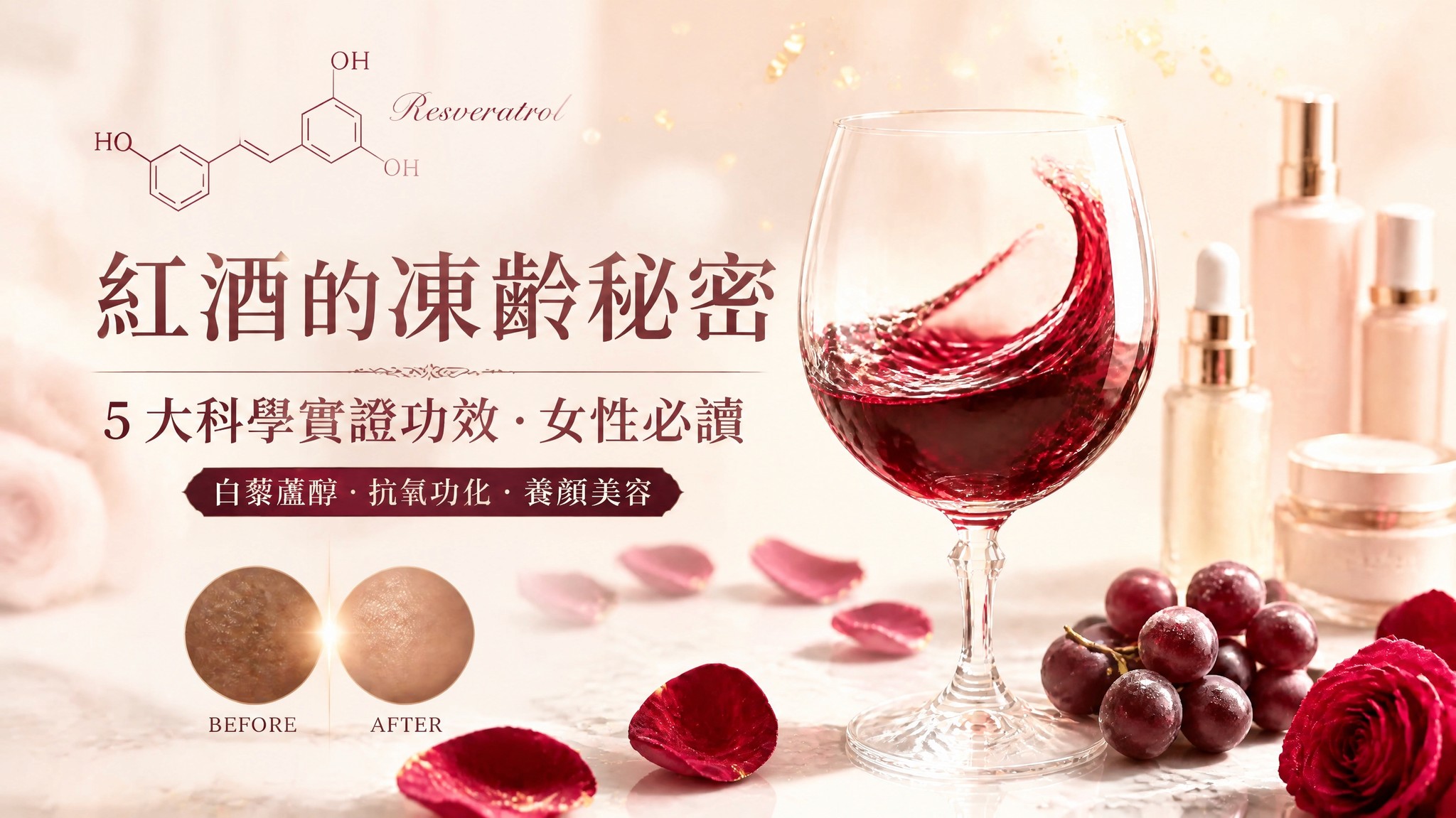
女人飲紅酒有什麼好處?拆解 5 大抗衰老與養顏功效:白藜蘆醇強效抗氧化、促進血液循環改善氣色、提升好膽固醇保護心血管、幫助放鬆睡眠。適量飲用(每日不超過 150ml)才能發揮美容養生效果,教你健康喝紅酒的正確方式!
【抗衰老與養顏】女人飲紅酒的好處:抗氧化、養顏美容?拆解紅酒對女性健康的 5 大神奇功效
許多女性朋友在追求美麗與健康的道路上,都一定聽過「每日一杯紅酒能養顏抗老」的說法。在優雅的微醺背後,紅酒確實蘊含著許多對女性健康有益的科學密碼。不過,酒精本身並非萬靈丹,真正的關鍵在於紅酒中那些來自葡萄皮與葡萄籽的天然植化素。
今天,我們就來以客觀的科學角度,為大家深度拆解紅酒對女性健康的 5 大神奇功效,看看它是如何發揮「凍齡」魔法,同時教您如何喝得健康、喝得聰明!
1. 紅酒的「凍齡」秘密:認識超強抗氧化物「白藜蘆醇 (Resveratrol)」
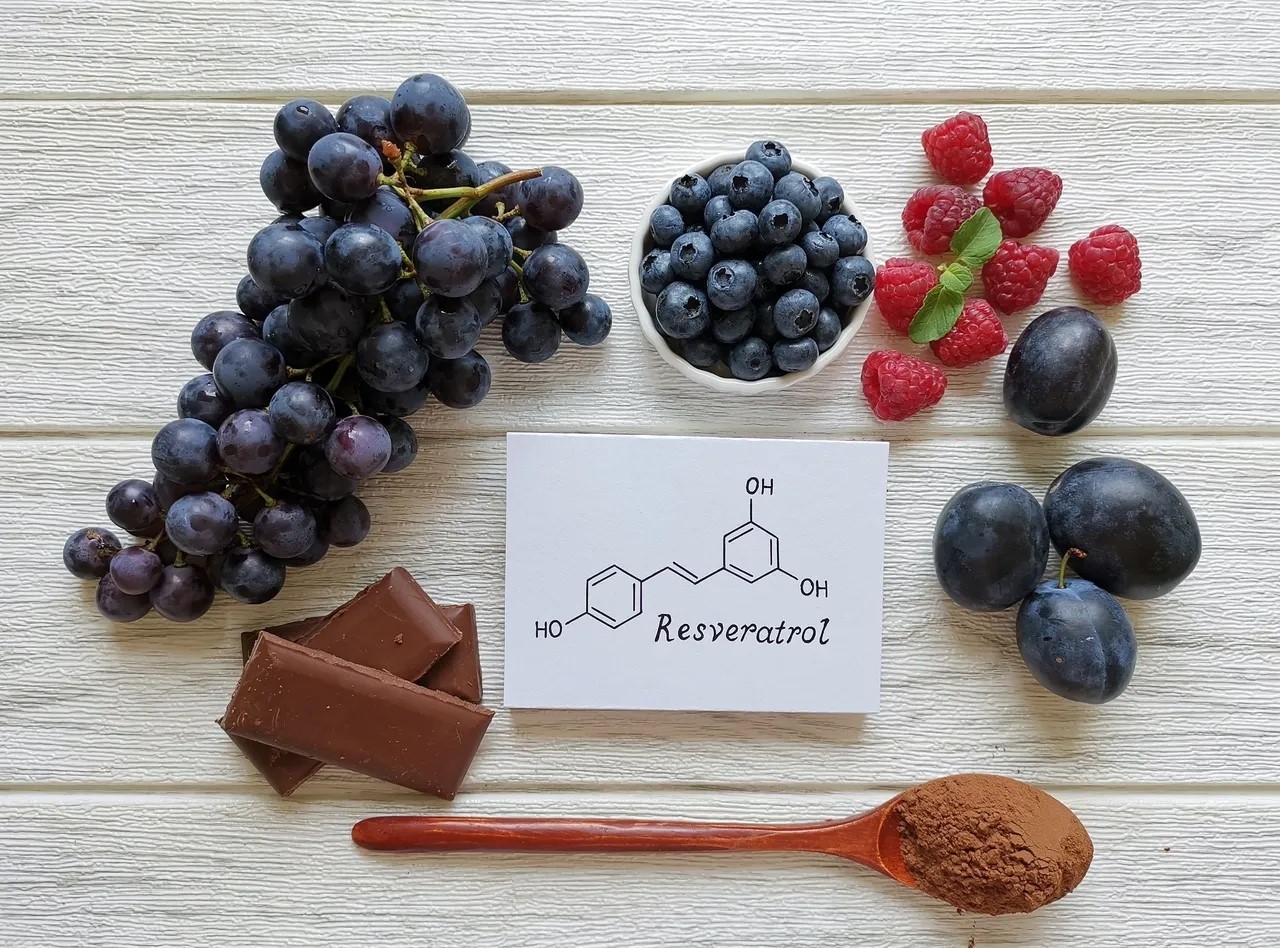
紅酒之所以能在美容界享有盛名,最大的功臣莫過於「白藜蘆醇」。這是一種存在於紅葡萄皮中的天然植物抗毒素,也是醫學界公認的超強抗氧化劑。
功效一:對抗自由基與延緩老化。 人體在面對壓力、熬夜、紫外線與環境污染時,會產生加速細胞老化的「自由基」。白藜蘆醇能有效中和這些破壞性極強的自由基,減緩細胞受損,從根本上對抗歲月痕跡。
功效二:減少膠原蛋白流失與皺紋形成。 透過減緩體內的氧化壓力,白藜蘆醇有助於保護肌膚底層的膠原蛋白與彈性蛋白不被輕易分解。從科學角度來看,這正是維持肌膚緊緻、預防提早出現細紋的關鍵基礎。
2. 促進血液循環與紅潤氣色:為何睡前微醺能讓你素顏也發光?
除了抗氧化,紅酒對於改善女性的氣血循環也有著顯著的物理與化學作用。
功效三:促進血液循環帶來自然紅潤。 適量的酒精以及紅酒中的多酚類物質,具有輕微擴張血管的作用。這能促進全身的血液循環,讓微血管更順暢地將氧氣與養分輸送到臉部肌膚。這也就是為什麼喝完紅酒後,雙頰會出現自然的「腮紅效應」,讓您素顏也能散發健康光澤。
功效四:改善手腳冰冷與幫助放鬆。 許多女性在秋冬容易手腳冰冷,睡前飲用少量紅酒,能藉由加速血液循環產生微溫感,舒緩四肢冰冷的僵硬感。同時,微醺的放鬆狀態也有助於釋放整日的緊繃壓力,讓您更容易進入深層睡眠,而優質的睡眠正是最好的免費護膚品。
3. 保護心血管與預防女性常見疾病的科學實證

美麗必須建立在健康的基礎之上。紅酒在預防醫學領域中,特別是在心血管保護方面,有著充分的研究實證。
功效五:提升好膽固醇,守護心臟健康。 醫學研究指出,紅酒中豐富的單寧(Tannins)與原花青素等多酚類,能幫助提升血液中的高密度脂蛋白(HDL,俗稱「好膽固醇」),同時防止低密度脂蛋白(LDL,「壞膽固醇」)氧化沉積在血管壁上。這種機制能有效保持血管的彈性與暢通,對於步入熟齡、失去雌激素天然保護的女性而言,是日常守護心臟健康的良好輔助。
4. 飲用份量有學問:女性「適量飲酒」的黃金標準與注意事項
雖然紅酒好處多多,但我們必須誠實面對一個殘酷的事實:「過量飲酒,絕對會讓人加速衰老」。酒精代謝會消耗體內大量水分,反而會讓肌膚變得乾燥、暗沉。
黃金標準: 根據國際健康指南,女性的「適量飲酒」標準為每日不超過 1 個標準杯,大約是 150 毫升(150ml) 的紅酒(約佔標準酒杯的三分之一)。由於女性體內的酒精脫氫酶通常少於男性,因此每日的攝取上限必須嚴格把關。
過猶不及的風險: 長期過量飲酒不僅會抵消所有抗氧化的好處,還會對肝臟造成沉重負擔、增加罹患乳癌的風險。此外,酒精含有極高的空熱量,喝多了絕對會成為減肥路上的絆腳石。
並非人人適合: 孕婦、患有肝臟疾病、有乳癌家族病史或正在服用特定藥物(如安眠藥、抗生素)的女性,應完全避免飲酒。如果您本身不喝酒,其實不需要為了「養顏」而強迫自己開始喝酒,日常多攝取提子、藍莓、桑葚或花生,同樣能獲得豐富的白藜蘆醇與抗氧化多酚!
Related articles









Feature report

【抗衰老與養顏】女人飲紅酒的好處:抗氧化、養顏美容?拆解紅酒對女性健康的 5 大神奇功效【抗衰老與養顏】女人飲紅酒的好處:抗氧化、養顏美容?拆解紅酒對女性健康的 5 大神奇功效
In today's era that emphasizes a healthy lifestyle, low-alcohol cocktails are quietly becoming the new favorites in the liquor market. This trend not only reflects the growing health consciousness among consumers but also marks a significant transformation in liquor culture. As people's pursuit of quality of life continues to rise, drinking habits are subtly changing, and the rise of low-alcohol cocktails is the best embodiment of this trend.
The awakening of health consciousness is the main driving force behind the popularity of low-alcohol cocktails. More and more consumers are paying attention to the impact of drinking on health, seeking a balance where they can enjoy fine beverages while maintaining physical health. Low-alcohol cocktails precisely meet this demand; they typically contain lower alcohol content but still retain the flavor and taste of cocktails, allowing drinkers to enjoy themselves in social settings without the worry of excessive alcohol consumption.
Changes in the Cocktail Market
The liquor industry has quickly grasped this market change, launching innovative low-alcohol cocktail products one after another. From traditional Spritz to emerging Hard Seltzer, various low-alcohol options have emerged. These beverages have not only adjusted their alcohol content but also put significant effort into innovation in taste and flavor to meet consumers' pursuit of high-quality drinks.
The popularity of low-alcohol cocktails has also driven the development of a series of related industries. Specialized cocktail courses aimed at low-alcohol cocktails, themed bars, and even related lifestyle brands have begun to emerge. This has not only enriched the connotation of liquor culture but also injected new vitality into the entire industry.
Low-Alcohol Cocktail Bars
The Dragonfly bar in Central has quickly captured the market change, launching innovative low-alcohol cocktail options. The dim environment combined with subtly glimmering lake-green lighting makes one feel as if they are in a mysterious kingdom. These low-alcohol cocktails not only adjust their alcohol content but also put considerable effort into innovations in taste and flavor to satisfy consumers' pursuit of high-quality drinks.
The low-alcohol cocktail options at Dragonfly bar not only cater to friends who drink less but also reflect the bar's concern for health, allowing everyone to enjoy cocktails while keeping healthy. Two cocktails worth trying are Foxy Muse and Cleopatra’s Allure. Foxy Muse is fresh and easy to drink, with a mild alcohol taste that is not too strong, carrying a hint of cucumber aroma, making it a very refreshing choice. Cleopatra’s Allure, on the other hand, is sweeter, smooth on the palate, and carries a slight tea fragrance, making it particularly special!

Credit: Dragonfly bar
Location: Central Police Station
Address: Shop 10 - G1, Tai Kwun, 10 Hollywood Rd, Central
The development of innovative formulas has become a major focus in the low-alcohol cocktail market. Bartenders are faced with the challenge of maintaining the unique flavors and textures of cocktails while reducing the alcohol content. Many master mixologists have begun exploring the use of natural fruit juices, herbal teas, sparkling water, and other alternative ingredients to reduce the amount of base spirits used. At the same time, they are experimenting with new mixing techniques, such as molecular mixology, to enhance the depth and complexity of low-alcohol cocktails.
This kind of innovation is not limited to the formula itself; packaging and presentation have also become important elements in attracting consumers to low-alcohol cocktails. Many brands have launched beautifully packaged ready-to-drink low-alcohol cocktails, making it convenient for consumers to enjoy them on various occasions. These products often feature trendy, youthful designs that cater to the aesthetic preferences of a new generation of consumers.
Local Bottled Cocktail Recommendations
Hong Kong champion bartender Antonio Lai teamed up with cocktail scientist Alexander Ko to launch a new line of canned cocktails called Chako. This series of cocktails is tea-themed, using real brewed tea leaves with a refreshing tea aroma, and an alcohol content of only 7%, making them perfect for cool summer drinking. The three products currently available include: Mango Blood Orange Tieguanyin, Fragrant Peach Ginger Oolong, and Apple Elderflower White Tea, all priced at a special rate of $410.4 for 12 cans, averaging $34.2 per can. The launch of this series brings fresh options to the market, allowing consumers to enjoy refreshing cocktail experiences even in the hot summer.

"Buzzed" Vibe
The rise of low-alcohol cocktails also reflects a new understanding of drinking culture among modern people. People are increasingly valuing the social function of drinking rather than merely the effects of drunkenness. In business meetings, gatherings with friends, or family dinners, low-alcohol cocktails provide an ideal choice, allowing individuals to enjoy the pleasure and social atmosphere of cocktails while remaining sober.
This new drinking culture has also driven changes in related lifestyles. For example, "buzzed" has become a popular social state where people seek light pleasure instead of complete drunkenness. Low-alcohol cocktails can perfectly meet this demand, allowing drinkers to stay in peak condition in social settings.
Controversies Surrounding Low-Alcohol Cocktails
However, the popularity of low-alcohol cocktails has also sparked some discussions and controversies. Some are concerned that this may lead to people underestimating the effects of drinking, thus increasing the frequency of consumption. Therefore, industry experts and health professionals are calling for moderation in consuming even low-alcohol cocktails, maintaining a clear awareness of one's own drinking capacity.
Looking ahead, the low-alcohol cocktail market still has great potential for development. As consumers' pursuit of healthy lifestyles deepens, it is expected that this market will continue to expand. Alcohol manufacturers and retailers will also invest more resources into developing new products to meet the ever-changing consumer demand.
An Evolution in Cocktail Culture
At the same time, we can foresee that low-alcohol cocktails will further integrate into various scenarios and cultures. From high-end restaurants to casual bars, from family gatherings to outdoor activities, low-alcohol cocktails could become the drink of choice. This will not only change people's drinking habits but also reshape the entire landscape of alcohol culture.
Overall, the rise of low-alcohol cocktails is not just a drink trend; it reflects modern society's pursuit of health and balanced living. It represents a significant evolution in alcohol culture that will continue to influence people’s lifestyles and social behaviors. In this ever-changing market, innovation and adaptation will be key for the alcohol industry to remain competitive. Whether for consumers or producers, there is a need to embrace this emerging trend with an open and flexible attitude, collectively shaping a healthier and more diverse drinking culture.
Feature report

【抗衰老與養顏】女人飲紅酒的好處:抗氧化、養顏美容?拆解紅酒對女性健康的 5 大神奇功效【抗衰老與養顏】女人飲紅酒的好處:抗氧化、養顏美容?拆解紅酒對女性健康的 5 大神奇功效
Red wine is often referred to as a health beverage, with resveratrol particularly being widely sought after. This natural polyphenol compound is known for its antioxidant properties, promotion of cardiovascular health, and anti-aging effects. However, is drinking a glass of red wine every day enough to provide us with these expected benefits? The following will detail the content, effects, and other methods of obtaining resveratrol from red wine, helping you manage your health more scientifically.
Resveratrol Content in Red Wine
Resveratrol primarily exists in the raw material of red wine — grape skins. Red wine is often regarded as a natural source of resveratrol, but the actual content is relatively limited:
Resveratrol in Red Wine: Generally, a 148 ml (5 oz) glass of red wine contains about 0.03 to 2.15 milligrams of resveratrol, with specific amounts influenced by grape variety, vinification processes, and regional differences. For example, red wine from southern France may contain more resveratrol due to prolonged fermentation, while some quick-brewed wines have lower amounts.
Intake Amount: To achieve significant health benefits, studies suggest that the recommended intake of resveratrol is typically between 5 to 10 milligrams, with some research even mentioning a safe upper limit of 150 milligrams per day.
The Impact of One Glass of Red Wine a Day
Moderate Drinking: For most people, drinking a glass of red wine (about 150 ml) daily can provide a certain amount of resveratrol, but this amount is usually insufficient to reach the effective dosages required in studies.
Health Benefits: While moderate consumption of red wine can bring antioxidant and cardiovascular protective benefits, these effects do not solely rely on resveratrol but also include other polyphenolic compounds.
Recommended Daily Intake
Although there is currently no fixed daily recommended intake for resveratrol, studies indicate that to achieve significant physiological effects, one needs to consume at least 20 to 100 milligrams of resveratrol daily. This also means that relying solely on red wine for intake would require drinking several liters, which is clearly impractical and potentially harmful to health.
The resveratrol in red wine is undoubtedly a precious gift from nature, but we should learn to obtain its benefits in a more scientific way. Drinking red wine in moderation every day not only allows us to enjoy its elegant flavor but also enhances our lifestyle, while reaping the various positive effects that red wine can have on our health.
Other Sources and Supplementation Methods of Resveratrol
In addition to being found in red wine, resveratrol can also be obtained from various natural foods. For example:
Grapes: especially the skins of red grapes are rich in resveratrol.
Nuts: such as peanuts also contain a certain amount of resveratrol.
Berries: for example, blueberries, cranberries, and more.
Dietary supplements: there are currently many dietary supplements specifically for resveratrol available on the market, which often come in high concentrations and can help you intake more efficiently. When choosing these supplements, please ensure they come from trusted brands and consult professional medical guidance.
Application of New Technologies
Technological advancements have improved the bioavailability of resveratrol. Nano-encapsulation techniques and microencapsulation processes enhance its absorption efficiency in health products. Moreover, plant cell culture technology can also produce purer resveratrol for the market.
Moderate Intake of Resveratrol and Life Balance
Although the resveratrol in red wine has its health benefits, relying solely on a glass of red wine each day is not sufficient for optimal effects. Rational drinking, appropriately combining other natural foods rich in resveratrol or dietary supplements, is a more balanced and sustainable choice for health. For example, incorporating grapes, berries, and nuts into your daily diet, or choosing scientifically validated resveratrol supplements, can effectively improve health conditions.
Conclusion: Balance Enjoyment, Healthy Living
The resveratrol in red wine is undoubtedly a precious gift from nature, but we should learn to acquire its benefits in a more scientific way. Moderately drinking red wine daily not only allows you to enjoy its elegant flavor but also elevates your lifestyle while gaining various positive health effects from red wine. We welcome you to continue exploring the beauty of different wines while toasting with Wine Passions Magazine!
Feature report

【抗衰老與養顏】女人飲紅酒的好處:抗氧化、養顏美容?拆解紅酒對女性健康的 5 大神奇功效【抗衰老與養顏】女人飲紅酒的好處:抗氧化、養顏美容?拆解紅酒對女性健康的 5 大神奇功效
There are many beneficial components for health found in red wine, and resveratrol has garnered much attention due to its diverse health advantages. This natural polyphenolic compound not only possesses powerful antioxidant capabilities but also shows potential effects like delaying aging and promoting cardiovascular health. With the continuous development of technology, exciting breakthroughs have emerged in the extraction and application of resveratrol. Now, let us delve into this natural and effective antioxidant from red wine:
The Health Benefits of Resveratrol
Antioxidant Efficacy and Anti-Inflammatory Properties
Resveratrol is renowned for its excellent antioxidant properties, effectively neutralizing damage to cells caused by free radicals and reducing oxidative stress (oxidative injury) to cells, helping protect skin and organs from aging and disease. Studies have shown that resveratrol can enhance the expression of endogenous antioxidant enzymes, thereby strengthening the body's antioxidant defense system. Furthermore, it also exhibits anti-inflammatory effects by regulating key inflammatory pathways such as NF-κB and MAPK, inhibiting the production of pro-inflammatory cytokines.
Potential to Delay Aging
In the field of delaying aging, resveratrol shines brightly. Research indicates that it can stimulate the anti-aging proteins called Sirtuins in the body, helping extend cell lifespan, maintain skin elasticity, and reduce wrinkles, making it a popular ingredient in anti-aging products.
Promoting Cardiovascular Health
Human studies suggest that moderate intake of resveratrol may help lower bad cholesterol (LDL) levels, increase good cholesterol (HDL), improve vascular function, and lower blood pressure, thus reducing the risk of cardiovascular diseases such as heart disease and stroke.
Neuroprotective Effects
Resveratrol has also shown potential in the field of neuroscience. Research indicates that it may help slow the progression of neurodegenerative diseases like Alzheimer's and Parkinson's. Resveratrol can reduce neuroinflammation, protect neurons from damage, and improve cognitive function.
Potential Anti-Cancer Effects
Many preclinical studies have shown that resveratrol has inhibitory effects on cancer cells. It can induce apoptosis in cancer cells, inhibit tumor growth, and reduce the risk of metastasis. While these results have been supported in animal models, the specific effects in humans still require further clinical trials for validation.
Alleviating Metabolic Disorders and Obesity
Resveratrol has also been studied for treating metabolic disorders such as diabetes and obesity. It may work by improving insulin sensitivity, lowering blood glucose levels, and regulating fat metabolism. Some studies indicate that resveratrol can help reduce weight and fat accumulation.
Expanding Cross-Disciplinary Applications
The applications of resveratrol are no longer limited to food and beverages. It is now widely added to anti-aging skincare products, nutritional supplements, and even sports supplements to meet diverse health needs. Furthermore, its potential in treating neurodegenerative diseases (such as dementia) and alleviating chronic inflammation is gradually gaining attention.
Bioavailability and Application Challenges
Despite resveratrol's various potential health benefits, its low bioavailability is a significant challenge for its application. Many researchers are exploring nanotechnology and other delivery systems to enhance its bioavailability and efficacy. Furthermore, the results of clinical trials often show inconsistency, necessitating more high-quality randomized controlled trials to determine its effectiveness.
The following groups of people should not consume resveratrol:
Pregnant and Breastfeeding Women
Due to the safety of resveratrol not being fully established, pregnant and breastfeeding women should avoid supplementation with resveratrol to prevent potential risks to the fetus or infant.
Individuals Under 18
Since adolescents' bodies are still developing, they may be more sensitive to hormones; hence, it is advisable that individuals under 18 consult a healthcare professional before supplementing with resveratrol.
People with Bleeding Tendencies
Resveratrol has anticoagulant effects and may interfere with the normal clotting process; thus, individuals with bleeding tendencies (such as hemophilia or other bleeding disorders) should avoid its use.
Those Taking Anticoagulant Medications
If you are taking anticoagulant medications (such as warfarin, aspirin, etc.), you should avoid simultaneous consumption of resveratrol, as it may increase the risk of bleeding. It is advisable to use it under the guidance of a physician.
Patients with Hormone-Related Diseases
Since resveratrol may have estrogen-like effects, individuals with hormone-sensitive conditions (such as breast cancer, ovarian cancer, uterine fibroids, etc.) should use it cautiously and decide on supplementation suitability under a doctor's guidance.
Individuals Scheduled for Surgery
If planning to undergo surgery, it is recommended to stop taking resveratrol at least two weeks prior to the operation to reduce the risk of bleeding during and after the surgery.
Individuals with Liver or Kidney Impairment
For individuals with liver or kidney dysfunction, resveratrol should be used cautiously, as high doses may worsen the burden on these organs.
Despite the numerous potential health benefits of resveratrol, its low bioavailability poses a significant challenge for its application. Many researchers are exploring nanotechnology and other delivery systems to enhance its bioavailability and efficacy.
Future Research Directions: More Possibilities for Resveratrol
As scientists delve deeper into the application potential of resveratrol, we are likely to observe further developments in medicine, dietary supplements, and personal care. For example, optimizing the yield of resveratrol through CRISPR gene editing technology in microbial fermentation or developing personalized resveratrol therapies may become key focuses of future research.
Conclusion: The Intersection of Health and Technology
In summary, resveratrol, as a potential health promoter, has shown promising prospects in areas such as antioxidant, anti-inflammatory, cardiovascular protection, and neuroprotection. However, more clinical data is needed to support its efficacy so that humans can better utilize this naturally occurring polyphenol compound commonly found in wine; with the continuous advancement of technology, we believe that resveratrol will be seen more frequently in our daily health management.