The history and evolution of decantation: the culture of decantation and the evolution, symbolism, and modern applications of decanters.
Wine tasting knowledge
醒酒(Decant)要幾耐?醒酒器用法與各類紅酒時間全攻略
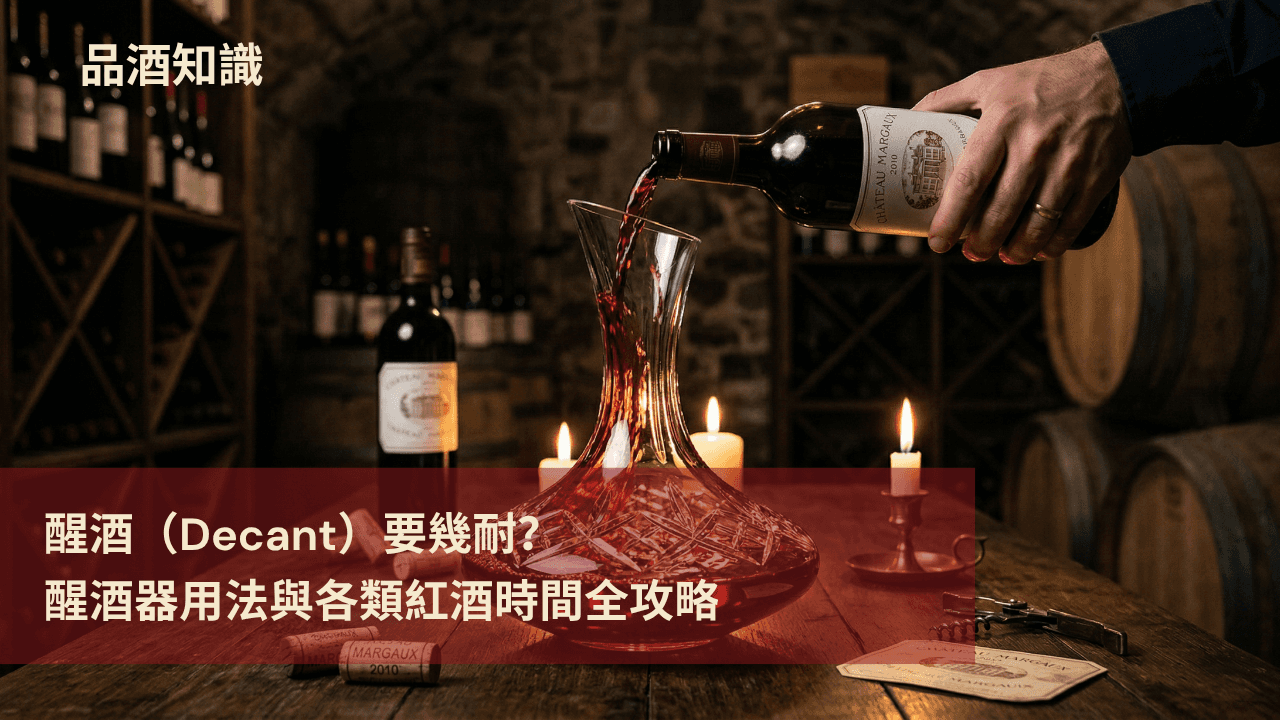
醒酒(Decant)到底要幾耐?2026 最新紅酒醒酒攻略:科學解構氧化過程、年輕高單寧酒(Cabernet Sauvignon)醒 1–2 小時 vs 脆弱老酒只需 15 分鐘。附醒酒器用法(U型 vs 天鵝型)、玻璃 vs 電子智能醒酒器推薦,盲測實證。香港品酒愛好者必讀,避免過度醒酒糟蹋珍釀!
醒酒(Decant)要幾耐?醒酒器用法與各類紅酒時間全攻略
踏入新一年,品酒文化在香港愈發精緻且科學化。然而,無論是資深藏家還是剛入門的愛好者,對於「紅酒醒酒」這門學問始終抱有敬畏與疑問。到底一支酒的最佳醒酒時間要多長?坊間流傳的各種醒酒器用法是否全然正確?在探討 Decanting wine 的過程中,我們又該如何選擇合適的工具?本文將以 Wine Passions Magazine 編輯部的專業視角,結合最新科學理論與殘酷的盲測實驗,為您帶來顛覆認知的 全方位攻略,並附上年度權威的醒酒器推薦,讓您從此不再糟蹋任何一滴珍釀。
一、 科學解構「氧化」:空氣如何柔化單寧
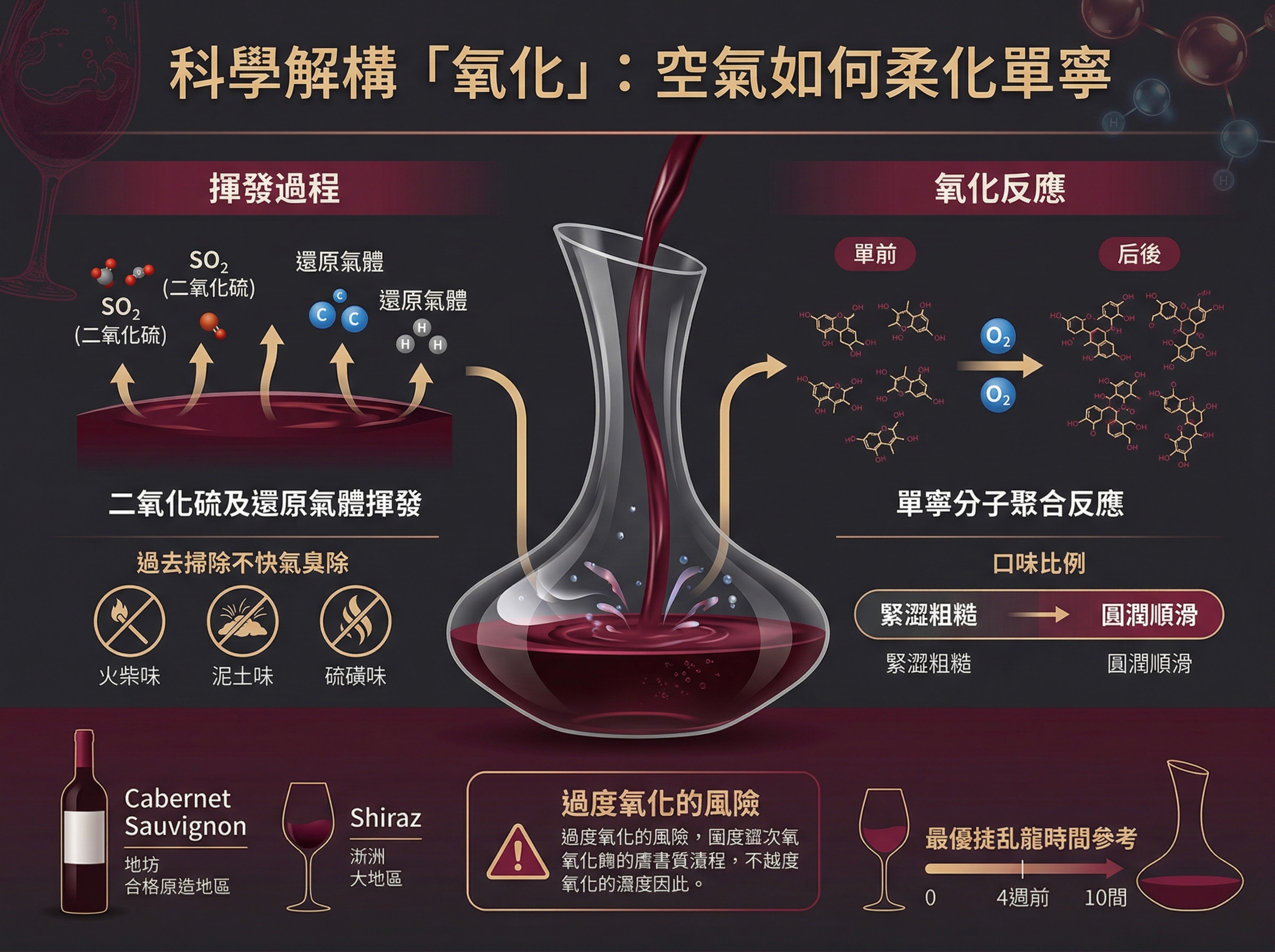
進行紅酒醒酒的本質,其實是一場精密的化學微調與感官釋放。當深紅色的酒液離開幽閉數年甚至數十年的酒瓶,大面積接觸空氣時,會發生兩個極為關鍵的科學反應:揮發與氧化。
首先,二氧化硫(葡萄酒常用的防腐劑)及發酵過程中產生的還原氣體(例如微弱的火柴味、泥土味或硫磺味)會在短暫的醒酒時間內揮發殆盡。這個過程有如為葡萄酒脫去沉悶的外衣,讓底層被掩蓋的純粹果香得以展現。
其次,空氣中的氧氣會促使酒液中的單寧(Tannin)分子發生聚合反應。這些原本會讓口腔感到緊澀、粗糙的小分子多酚物質,在正確的醒酒器用法下,會逐漸結合成體積較大的分子,進而沉澱或改變結構,從而令口感變得圓潤順滑、不再「啜口」。這正是為何年輕且單寧強勁的酒款(如波爾多的 Cabernet Sauvignon 或澳洲的 Shiraz)極度依賴 Decanting wine 的原因。
但請記住,氧化是一把雙刃劍,過度接觸空氣會令果香流失殆盡,酒體變得疲乏。因此,了解並精準控制這段化學過程,是我們給予每一位讀者的首要醒酒器推薦心法——無論您購買多麼昂貴的水晶器具,工具始終只是輔助,科學的時間掌控才是品酒的靈魂。
二、 殘酷盲測:醒酒 15 分鐘與 2 小時的風味差異
為了具象化醒酒時間對風味的劇烈影響,Wine Passions Magazine 編輯部特別進行了一場殘酷的盲測。實驗對象是一支 2020 年份的波爾多左岸 Pauillac 區列級莊紅酒(以高比例赤霞珠混釀,單寧厚重)。我們運用標準的醒酒器用法,將同一支酒分為三等份:第一份開瓶即飲,第二份醒酒 15 分鐘,第三份則醒酒 2 小時。
結果令人震驚且極具啟發性:
開瓶即飲: 香氣極度封閉,幾乎只能聞到微弱的酒精氣息,入口後單寧如砂紙般刮舌,苦澀感完全掩蓋了果味,毫無愉悅感可言。
醒酒 15 分鐘: 經過短暫的紅酒醒酒,酒體邊緣開始展現出些許黑加侖子與烤木桶的香氣,但中段口感依然堅硬,餘韻帶有明顯的生青與乾澀感。
醒酒 2 小時: 經過長達兩小時的 Decanting wine 過程後,這杯酒彷彿靈魂出竅,綻放出華麗的紫羅蘭、雪松、黑布林與純黑巧克力香氣。原本粗糙的單寧變得如天鵝絨般滑過舌尖,結構宏大且層次分明。
這次實驗鐵證如山地表明,對於年輕且高單寧的酒款,充足的醒酒時間是絕對不可或缺的。同時,它也驗證了選擇具有寬大底部的「U型醒酒器」的必要性。寬底設計能最大化酒液與空氣的接觸面積,加速氧化。這也是我們在進行日常醒酒器推薦時,針對年輕名莊酒款的首選器型。掌握這套醒酒器用法,不僅是把酒倒進去那麼簡單,更在於懂得運用器皿形狀來馴服桀驁不馴的酒液。
三、 「見光死」地雷:哪些脆弱老酒一醒就壞?
許多人誤以為所有名貴的葡萄酒都需要長時間的紅酒醒酒,這是一個足以毀滅頂級佳釀的致命迷思。在 Decanting wine 的專業領域裡,有一類酒被稱為「見光死」,它們通常是陳年超過 20 年甚至 30 年以上的脆弱老酒(例如布爾岡的陳年 Pinot Noir,或是傳統工藝的老派 Barolo)。
經過漫長歲月的瓶中微氧陳年,這些老酒的單寧早已經自行柔化並沉澱,其香氣演化得極其複雜(帶有迷人的松露、枯葉、舊皮革與蘑菇氣息),但也極度脆弱。對於這類液體古董,醒酒時間的計算單位絕對不是小時,而是「分鐘」甚至是「秒」。此時的醒酒器用法,其核心目的已經從「氧化」轉變為「換瓶(Decanting off the lees)」,亦即將清澈的酒液與瓶底多年的沉澱渣滓分離。
面對脆弱的老酒,我們的醒酒器推薦是瓶身狹窄的「天鵝型醒酒器」,或是帶有密封瓶塞的款式,以盡可能減少酒液與空氣的接觸面積。操作時,必須在光源(傳統上使用蠟燭)的照射下,將酒液極度緩慢地倒出,一旦看到沉澱物接近瓶頸便立即停止。
如果不慎對這類老酒過度進行紅酒醒酒,那些經數十年孕育的迷人香氣會在 15 分鐘內如幻影般消散無蹤,酒體結構瞬間崩塌,變成一杯帶有酸敗味的平庸液體。請謹記,對待老酒的 Decanting wine 哲學,是一場爭分奪秒的香氣搶救戰,絕非漫長的等待。
四、 2026 醒酒神器評測:玻璃 vs 電子醒酒器
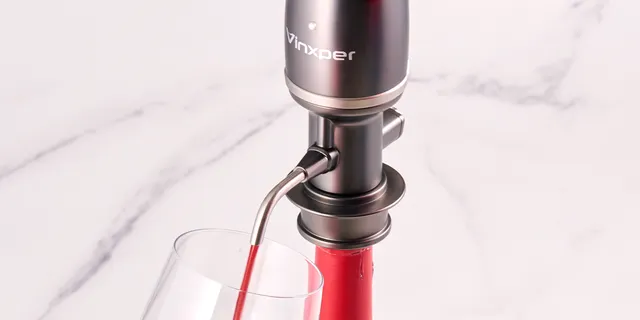
科技的飛速發展徹底顛覆了傳統的品酒習慣。步入 2026 年,市場上湧現出多款高科技設備,讓我們的醒酒器推薦清單不再局限於百年不變的水晶玻璃。那麼,在講求效率與精準的今天,傳統玻璃工藝與電子智能醒酒器該如何抉擇?
傳統水晶/玻璃醒酒器(Classic Glass Decanters): 這是尊貴、優雅與儀式感的絕對象徵(例如 Riedel 或 Zalto 的手工吹製系列)。其醒酒器用法講求倒酒者手腕的柔韌度與傾倒的角度。優點在於能夠以最自然、最溫和的方式進行紅酒醒酒,讓酒液按照自身的生命節奏慢慢綻放。缺點則是需要極大的耐心,且難以量化並精準控制醒酒時間,非常考驗品飲者的經驗。
2026 智能電子醒酒器(Smart Electronic Decanters): 這是現代 Decanting wine 的革命性產物。目前頂級的電子醒酒器透過超聲波高頻震盪,或是醫學級別的純氧微氣泡注入技術,能將原本需要 2 小時的傳統醒酒時間,物理性地壓縮至短短 3 到 5 分鐘內完成。這類產品的醒酒器用法極其防呆且簡單,通常只需將導管插入酒瓶並設定年份/品種按鈕即可。對於追求即時享受的現代都市人、或是營業節奏緊湊的高級餐廳來說,這是我們強烈建議入手的醒酒器推薦。然而,必須警告的是,對於結構脆弱的頂級老酒,這種強烈的物理介入極可能會無情地撕裂其微妙的平衡,因此高科技設備更適合用於喚醒年輕的重酒體紅酒。
結語:掌握時間的魔法
總結來說,現代的紅酒醒酒是一門結合傳統美學與現代科學的極致藝術。無論是面對堅如磐石的年輕列級名莊,還是脆弱如絲的珍稀老年份,精準掌握醒酒時間,並配合恰如其分的醒酒器用法,是每一位品酒愛好者晉階的必修課。
我們希望這篇由 Wine Passions Magazine 精心策劃的 2026 年全方位攻略,能為您徹底釐清紅酒醒酒的種種迷思。從科學解構到殘酷實測,再到最前沿的醒酒器推薦,Decanting wine 從此不再是難以捉摸的玄學。今晚,不妨從酒櫃中挑選一支潛力佳釀,親自實踐這份時間與空氣交織的魔法吧!
Related articles






Wine tasting knowledge
醒酒(Decant)要幾耐?醒酒器用法與各類紅酒時間全攻略醒酒(Decant)要幾耐?醒酒器用法與各類紅酒時間全攻略
Decanting is a subtle and ancient art that deepens the layers and cultural significance of wine tasting. From the ancient winemaking period to today, the purpose of decanting has transcended mere functionality, developing into a complete set of rituals and cultural symbols. This article will delve into the historical background of decanting, analyze what decanting is, and explore how it has evolved into a part of the art of wine, allowing you to gain a comprehensive understanding of the historical roots and modern applications of this traditional craft.
Early History of Decanting
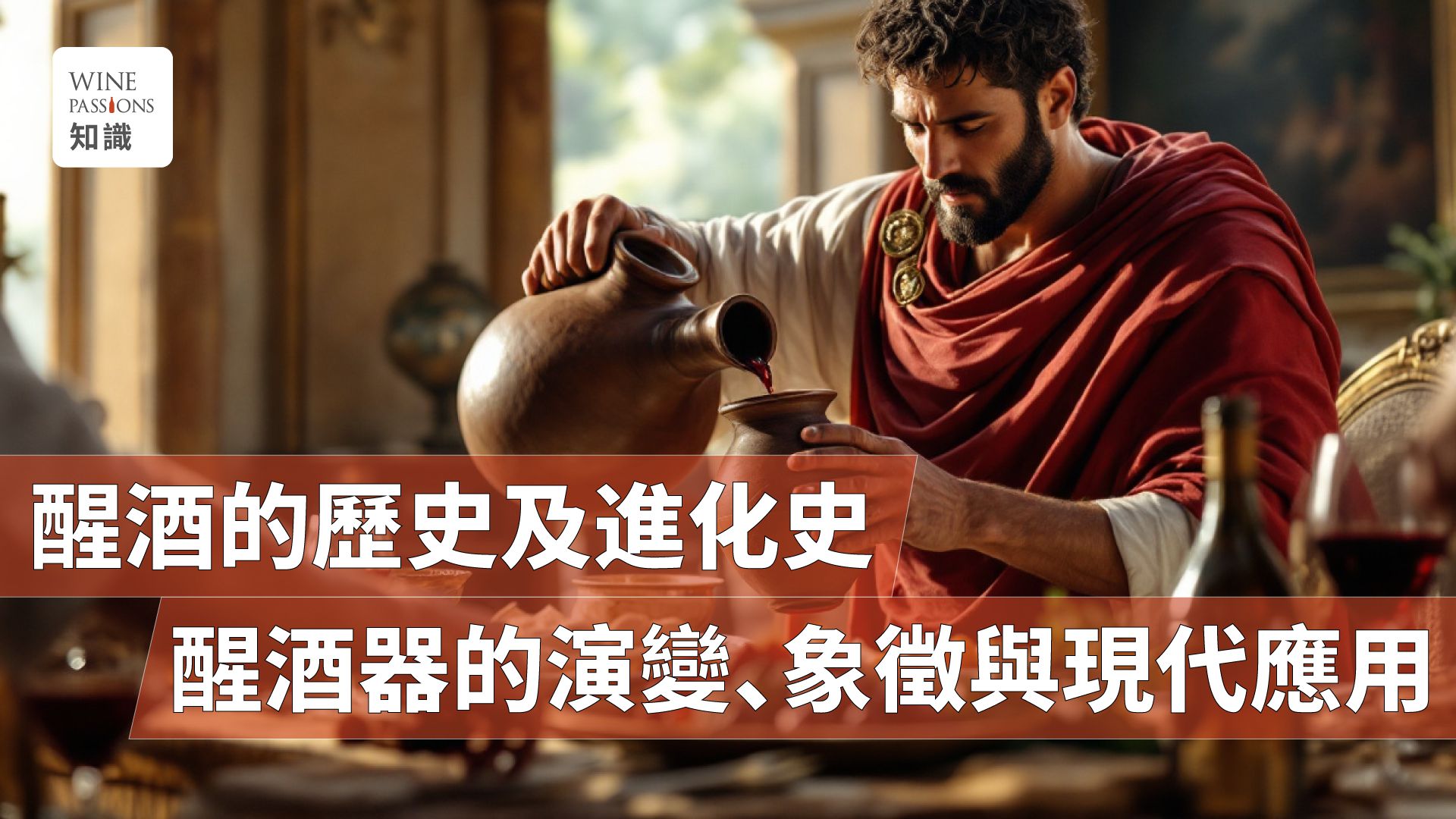
The concept of decanting is not a product of modern culture but can be traced back to ancient civilizations thousands of years ago. The aristocratic classes of Greece and Rome were among the earliest groups to practice decanting. At that time, due to technical limitations in the winemaking process, wine often contained a significant amount of sediment, and Roman nobles would pour the wine into another vessel at banquets to leave the sediment at the bottom of the bottle, which was the prototype of early decanting. This not only solved the problem of drinking quality but also became a symbol of social status.
The Introduction of Glass in the Middle Ages
During the Middle Ages, the religious rituals in Europe and advancements in glass-making technology promoted the popularity of decanting. As wine symbolized a sacrament, it required a high degree of purity; thus, the cellar masters in churches would use hand-blown glassware for precision pouring operations to ensure that the wine was free of impurities, which gave decanting a more sacred cultural value.
During the Italian Renaissance, the glass craftsmanship in Venice was also given importance, leading to the emergence of early glass decanters. These decanters typically featured a long, slender neck and a wide base, facilitating greater contact between the wine and the air.
Evolution and Development of Decanters
By the 18th century, as bottling techniques for wine matured, it was discovered that extended aging would lead to the formation of sediment, thus people began decanting wine into transparent containers to remove the sediment. This process promoted the further development of decanters, which not only possessed practicality but also gradually became pieces of art. The period from 1760 to 1810 is considered the golden age for crystal decanters in Britain and Ireland, during which the craftsmanship was exquisite, and each decanter was handmade, possessing uniqueness and decorative quality.
Decanting is a key that unlocks the soul of wine. Whether in the scientific world of understanding the principles of decanting or in the ritual of experiencing the steps of red wine decantation, this classic technique undoubtedly imbues each bottle of fine wine with life.
Roles in Social Culture
In the late 18th to early 19th century, with the rise of social culture among European nobility, restaurants became important social venues. Decanters at this time were not just practical tools but also important symbols of identity and taste. Nobles usually required decanters to be used at formal occasions, and the original bottles were not allowed to appear on the dining table.
However, in the late 19th to early 20th century, due to the scarcity of resources brought by two world wars and the fast pace of life, the use of decanters gradually decreased. After the war, society entered a luxurious era, but the importance of decanters rose again.
Modern Trends
Entering the 21st century, with the popularization of wine culture, people have a deeper understanding of the importance of decanting. Decanting is not just for removing sediment but also for shaping the wine's aroma. After brief contact between oxygen and the wine, the aroma molecules hidden by refrigeration and sealing slowly release, showcasing a rich sense of layers. This has led modern wine tasting culture to view decanting as a respectful and ritualistic process that honors the wine's body and the winemaker's efforts.
From the ancient Roman society to the evolution and systematization of wine tasting knowledge today, decanting has always been closely linked to the cultural and spiritual values of wine. It is not just a functional operation but also a process in pursuit of the pinnacle of wine flavor art.
Decanting is a key that unlocks the soul of the wine. Whether in the scientific realm that analyzes the principles of decanting or in feeling the ritual of the red wine decanting process, this classic skill undoubtedly instills vitality into each bottle of fine wine. Wine Passions Magazine hopes that all wine lovers, through a deep understanding of the historical background of decanting, can appreciate the taste sculpted by time when savoring fine wine and respect the sincerity passed down from the land and winemakers.
Wine tasting knowledge

醒酒(Decant)要幾耐?醒酒器用法與各類紅酒時間全攻略醒酒(Decant)要幾耐?醒酒器用法與各類紅酒時間全攻略
Decanters are essential tools for wine lovers, effectively enhancing the flavor of wine by allowing it to come into contact with air, thereby improving the expression of the wine's flavors. The following will detail the main types of decanters and recommend products available for purchase in Hong Kong.
Main types, design features, and brand recommendations for decanters
Traditional Wide-Bottom Decanter
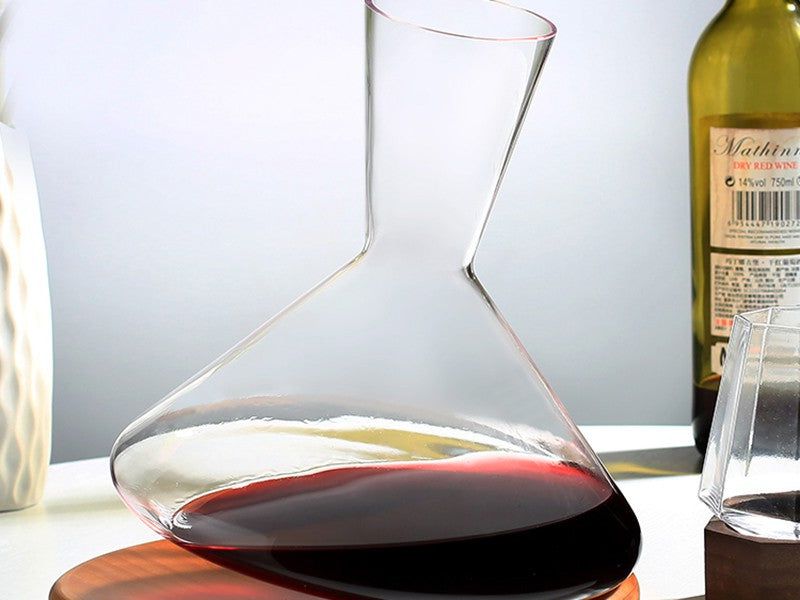
Design features: The wide base and narrow neck design maximizes the surface area of the wine exposed to air, speeding up the oxidation process, effectively releasing its aroma, and softening tannins.
Target users: Suitable for young and tannin-rich red wines, such as Cabernet Sauvignon and Syrah/Shiraz.
Advantages:
Helps to quickly release fruity aromas and soften tannins, ideal for wine lovers who enjoy bold flavors.
Suitable occasions: Family gatherings or situations where red wine needs to be quickly prepared for enjoyment.
Brand Recommendations:
3Clare Tumbler Decanter: The design of the wobbling decanter includes a decanting function, with a conical bottom that allows users to enjoy the color of the wine from multiple angles through the transparent container.
Riedel: Made from high-quality glass, with a classic design.
Baccarat: Luxurious crystal material, beautifully crafted, suitable for collection.
*insert 3Clare Tumbler Decanter
Narrow Neck Decanter
Design features: The neck of the container is slender with a smaller diameter, reducing the speed at which oxygen enters.
Target users: Suitable for aged red or white wines, preventing excessive oxidation that can affect aroma and complexity.
Advantages:
Precise control of oxidation levels, preserving the delicate flavors and structure of the wine.
Suitable occasions: A best choice for formal dinners or when tasting rare and valuable wines.
Stopper Decanter
Design features: The stopper decanter is designed to be directly installed on the mouth of the bottle and usually comes with a filter, allowing for automatic oxidation while pouring wine, letting the wine come in contact with air.
Target users: Suitable for home wine lovers, especially those who often host parties or family dinners.
Advantages:
Convenient to use, no additional container is required.
High stability, effectively preventing wine spillage. It can also filter out sediments, maintaining the purity of the wine.
Suitable occasions: Family gatherings, daily drinking, restaurant service, etc.
Brand recommendations:
Vinturi: Designed to be simple and easy to use, it can quickly enhance the flavor of the wine.

*insert Vinturi
Electronic Decanter
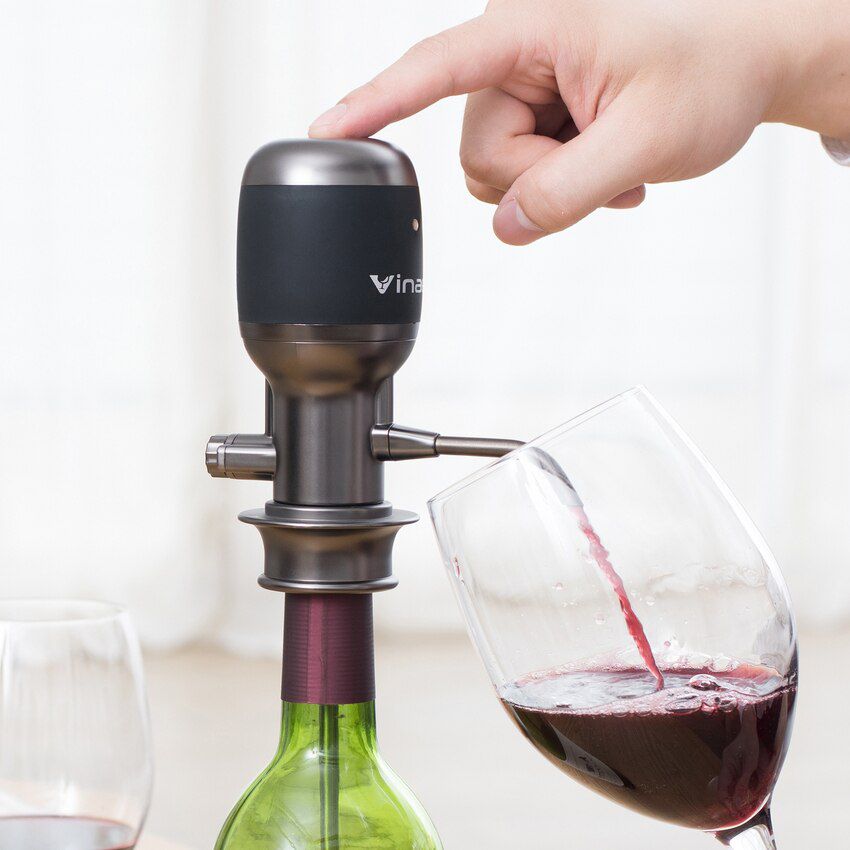
Design features: Electronic decanters typically have automated functions that quickly mix wine with air to shorten the decanting time. They usually come equipped with buttons or touch panels.
Target users: Busy professionals or wine enthusiasts who enjoy high-tech products.
Advantages:
Efficient and quick, achieving traditional decanting effects in a short time.
Modern design, easy to operate.
Some models have adjustable functions to meet different needs.
Suitable occasions: Parties, business dinners, family gatherings, and occasions that require quick decanting.
Brand recommendations:
Vinaera Pro: Features adjustable functions that can be set according to different needs for decanting time.
Coravin Aerator: Combines the functions of pouring and decanting, allowing enjoyment of wine without opening the bottle.
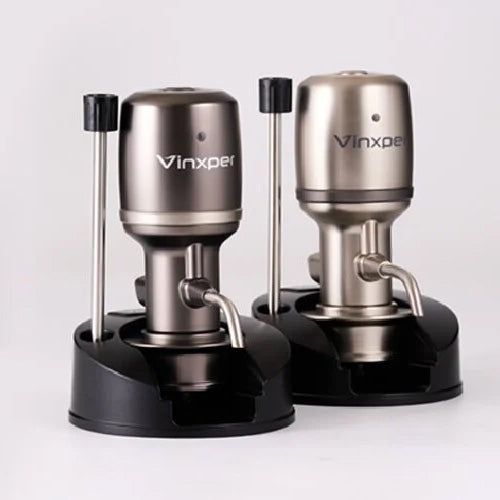
Vinxper Expert: New patented aeration technology, instantly decanting red wine with a single button.
*insert Vinaera Pro MV7 adjustable electronic decanter
*insert Vinxper Expert fourth generation adjustable electronic decanter
Handheld and Portable Wine Aerators
Design features: compact size, suitable for single cup use, highly mobile.
Target audience: wine lovers who want to enjoy wine anytime, anywhere, during travel, picnics, and other outdoor activities.
Advantages:
Easy to use, especially practical for leisurely sipping after meals or casual occasions.
Applicable occasions: outdoor picnics, small private gatherings, etc.
Non-Contact Wine Aerators
Design features: these products utilize special technology to allow oxygen to come into contact with wine without the need to pour it directly into the aerator. Generally designed to be portable and easy to operate.
Target audience: busy enthusiasts who want to enjoy delicious wine in a short amount of time.
Advantages:
No need for cleaning or maintenance, easy to use, making it a quick and flexible aeration choice.
Applicable occasions: outdoor activities, travel, family gatherings, etc., where quick and convenient options are needed.
Brand recommendations:
Lisse Non-Contact Wine Aerator: claims to achieve the traditional aeration effect in a short period, perfect for busy enthusiasts.
Artistic Wine Aerators
Design features: focus on creative design, often seen in elegant streamlined or spiral structures.
Target audience: collectors and connoisseurs who appreciate design in high-end settings.
Advantages:
Highlights the owner’s taste and style, a great choice to enhance the atmosphere at banquets.
Applicable occasions: high-end banquets or events showcasing collectible wines.
Functional Wine Aerators
Design features: combines a filtering device to remove sediment from aged red wines.
Target audience: wine enthusiasts who emphasize the complexity and purity of full-bodied red wines.
Advantages:
Combination of filter and aeration functionality brings a more delicate character to red wine.
Applicable occasions: events needing fine filtration of sediment, such as Bordeaux or Barolo classic big wines.
Choosing the right aerator can not only enhance the flavor of the wine but also add enjoyment to the tasting process. In Hong Kong, various types and brands of aerators are available, allowing individuals to select the most suitable product according to their needs and budget. Whether traditional models, electronic versions, or emerging technologies, they can all bring different levels of enjoyment to your tasting experience.
Wine tasting knowledge
醒酒(Decant)要幾耐?醒酒器用法與各類紅酒時間全攻略醒酒(Decant)要幾耐?醒酒器用法與各類紅酒時間全攻略
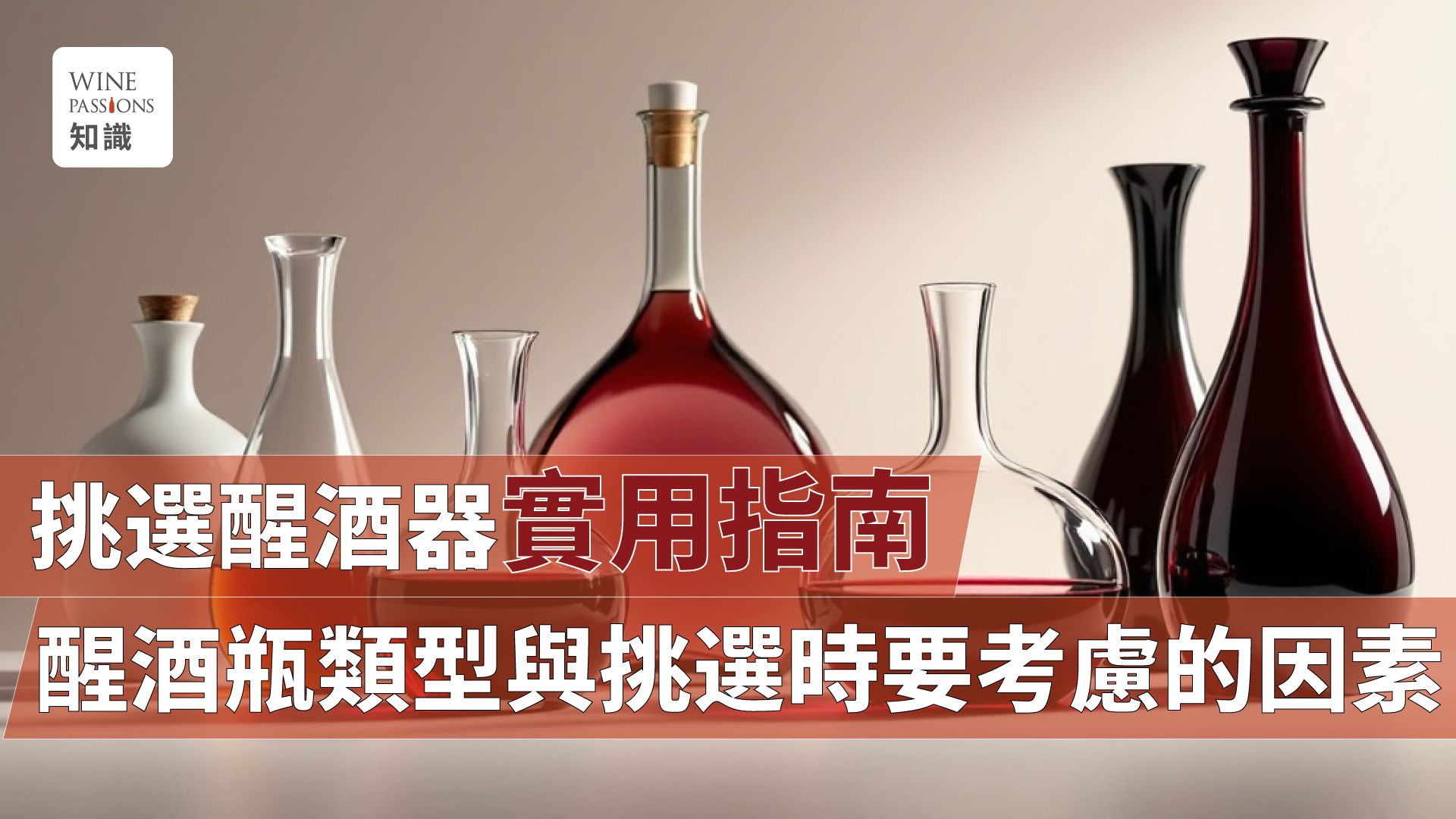
Selecting the right decanter is an important step in enhancing the wine tasting experience. Decanters not only allow the wine to fully interact with the air, releasing aromas and improving taste, but they also remove sediments. Here are some professional tips to help you choose the most suitable decanter.
Understand the shape and design of decanters
Wide base: Choosing a decanter with a wider base can increase the surface area of the wine that interacts with the air, which is especially important for red wines with high tannin content and full body (such as Cabernet Sauvignon and Syrah/Shiraz). These wines need more oxygen to soften the tannins and achieve a smoother mouthfeel.
Long slender neck: A design with a narrow neck helps control the flow when pouring, preventing spills, and makes it easy to observe the location of sediments. This is particularly important when dealing with aged wines to ensure that sediments do not enter the decanter.
Easy to clean: It is very important to choose a decanter that is easy to clean, as residues or dirt may accumulate inside after long-term use. Selecting a design that is simple and has no dead corners can facilitate cleaning.
Selecting based on wine characteristics
Young red wines: A wide-bottom decanter is needed to accelerate oxidation.
Aged wines: Choose a decanter with a slender neck to protect its delicate aromatic structure, complemented by a filter to assist in sediment removal.
White and orange wines: Although not commonly used, versatile decanters can also be selected for lightly aerated wines.
Material considerations
Glass vs. Crystal: Both glass and crystal are common materials for decanters.
Glass decanters: Practical and budget-friendly, they are lighter and suitable for everyday use. For beginners, selecting a high-quality glass decanter can meet their needs.
Crystal decanters: High-end decanters are mostly made of crystal, offering better quality while showcasing the color and clarity of the wine, providing greater aesthetics and refractive effects, but care should be taken due to their fragility.
Choosing the right decanter is an important step in enhancing the wine tasting experience. A decanter not only allows the wine to come into contact with air, releasing its aroma and improving its taste, but it also helps to remove sediment. Here are some professional tips to help you choose the most suitable decanter.
Choosing the Right Capacity
Based on the number of drinkers: Choose a capacity based on the number of people you typically drink wine with. If you often host gatherings or parties, consider a larger capacity decanter to handle multiple bottles of wine at once.
Personal use: If it’s primarily for personal or home use, a small or medium decanter will suffice.
Need for Other Features
Filtering function: Some high-end decanters come with a filter that effectively removes sediment during pouring. This is particularly important for aged wines to avoid sediment affecting the taste.
Aeration function: There are also some electronic aerators on the market, which use fluid mechanics principles to accelerate the introduction of oxygen into the wine, suitable for those who desire a quick aeration effect.
Aesthetics
Design style: Choose a decanter that matches your personal taste and home decor style, as it can enhance the dining atmosphere. Many uniquely designed decanters are not only practical but can also serve as art pieces, although care should be taken regarding their ease of cleaning.
In summary, selecting a decanter is a crucial step in enhancing the wine enjoyment process. The right type of decanter not only meets the demands of the wine but also elevates the ritual of wine tasting culture. Whether it’s a wide-bottom decanter specifically designed for young reds or a slender, high-end decanter that delicately protects aged wines, each design bestows more soul and story to the wine.
Learn to choose quality red wine decanters and master their appropriate usage techniques, allowing you to experience the ultimate flavors of exquisite wine with every pour and tasting. Wine Passions Magazine helps you find the perfect decanter that makes your wine tasting journey incredibly easy.