
The New Trend of Wine Pairing: The Perfect Companion for Hong Kong-style Cha Chaan Teng Dishes
Wine and fine dining
意大利紅酒之王 Barolo(巴羅洛):Nebbiolo 葡萄的魅力與陳年實力
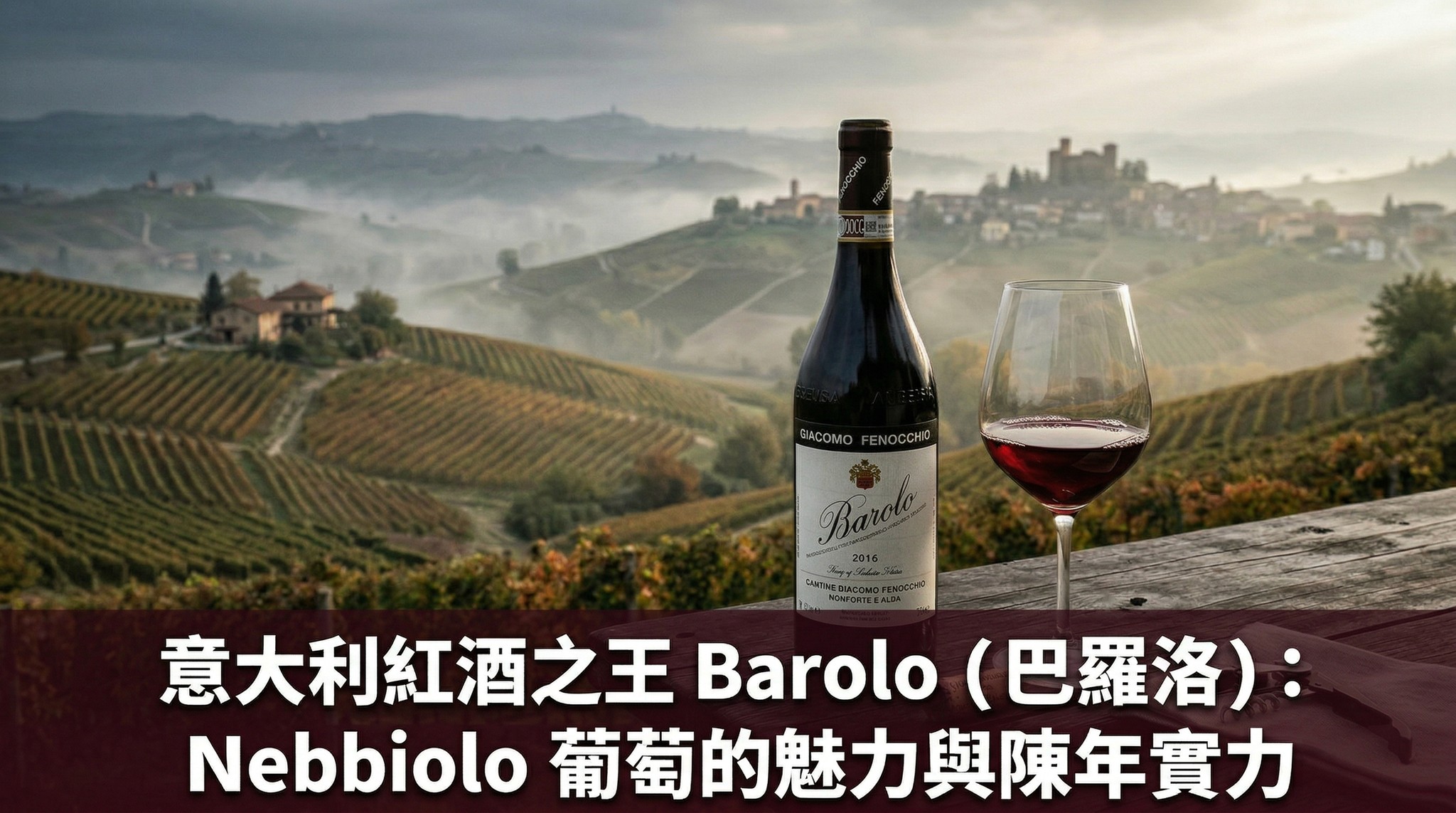
Barolo(巴羅洛)被譽為意大利紅酒之王,由 Nebbiolo 葡萄釀造,以狂暴單寧、焦油與玫瑰香氣聞名。本文解構其王者光環、傳統 vs 現代釀造之戰,以及為何需等待10年適飲期才能展現天鵝絨般優雅。附經典 Barolo 推薦,帶你領略這款皮埃蒙特傳奇紅酒的時間魔法!
意大利紅酒之王 Barolo(巴羅洛):Nebbiolo 葡萄的魅力與陳年實力
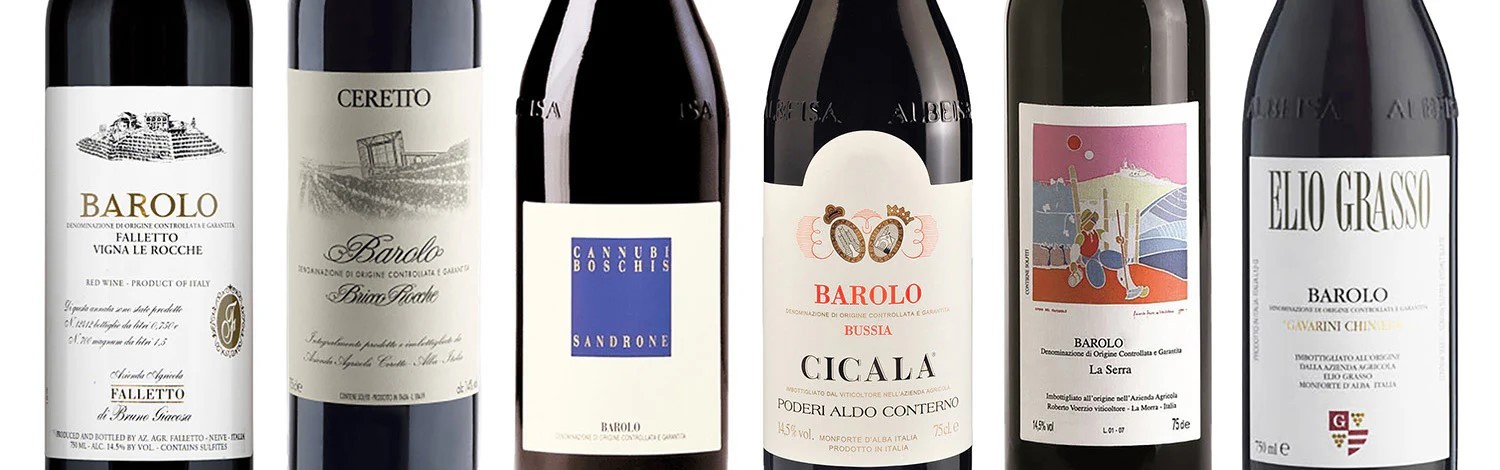
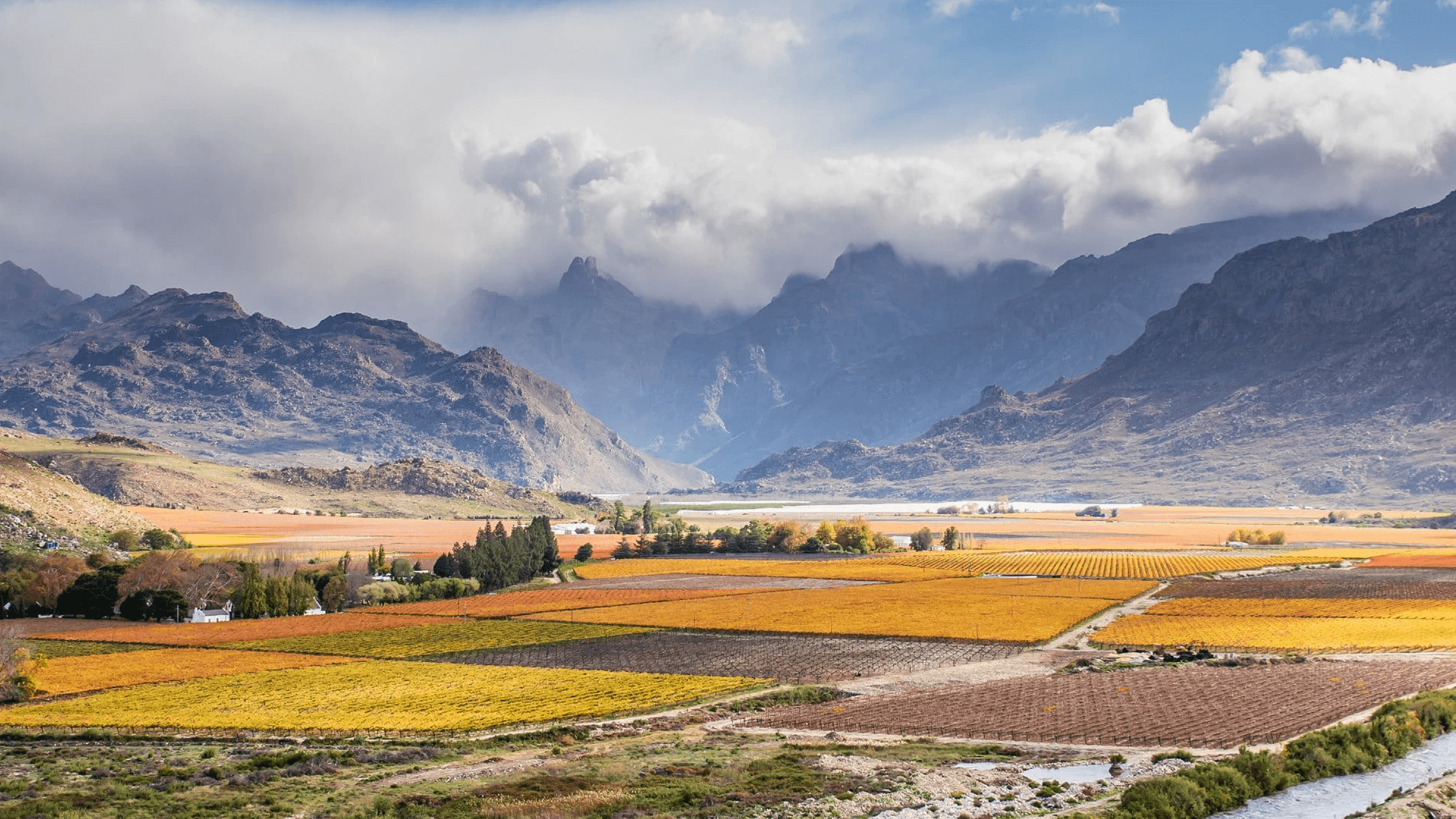
在意大利皮埃蒙特(Piedmont)這片長年被阿爾卑斯山霧氣籠罩的丘陵地帶,孕育著一款令全球無數葡萄酒收藏家頂禮膜拜的傳奇佳釀。它不僅是拍賣行上的常客,更被世人尊封為無可爭議的意大利紅酒之王。這款酒,正是大名鼎鼎的巴羅洛(Barolo)。
對於許多初嚐Barolo 紅酒的愛好者來說,它是一道難以輕易跨越的味覺門檻;但對於資深飲家而言,它卻是葡萄酒世界中最深邃、最迷人的終極追求。這一切的榮耀與挑戰,都源自於其靈魂葡萄——Nebbiolo(內比奧羅)。作為 Wine Passions Magazine 的專業編輯,本文將為您深度解構這款意大利紅酒之王的稱霸史,剖析其在淺淡色澤下隱藏的狂暴單寧,回顧產區內驚心動魄的「傳統與現代之戰」,並在文末為您獻上一份跨越十年時間魔法的尊貴 Barolo 推薦,帶您領略這款酒真正的陳年實力。
一、 王者之酒光環:薩伏依王朝御用酒如何憑強大單寧稱霸
要理解巴羅洛為何能傲視群雄,我們必須將時光倒流至 19 世紀的意大利。在那個年代,Barolo 紅酒並非我們今日所熟知的干型(Dry)紅酒,而是一款帶有甜味的酒。直到法國釀酒學家 Louis Oudart 被請到皮埃蒙特,他將法國波爾多的先進發酵技術引入,讓 Nebbiolo 葡萄中的糖分完全發酵,這才誕生了現代意義上結構宏大、單寧強勁的巴羅洛。
這款脫胎換骨的紅酒,憑藉其無與倫比的陳年潛力與雄渾氣勢,迅速贏得了當時統治意大利北部的薩伏依王朝(House of Savoy)的青睞。從國王卡洛·阿爾貝托到統一意大利的維托里奧·埃馬努埃萊二世,無一不對其沉醉。因此,Barolo 紅酒被冠上了「王者之酒,酒中之王(The wine of kings, the king of wines)」的無上光環,這正是它奠定意大利紅酒之王地位的歷史基石。
而讓王室貴族折服的核心武器,正是 Nebbiolo 葡萄天生自帶的「強大單寧」。這種葡萄對風土要求極度嚴苛,只在皮埃蒙特特定的石灰質泥灰岩土壤中才能完美成熟。其厚實的單寧與極高的酸度,構築了酒液如鋼筋水泥般堅不可摧的骨架。在任何一份專業的 Barolo 推薦 指南中,歷史底蘊與這股不可一世的王者單寧,永遠是品鑑它的第一步。
二、 焦油與玫瑰香氣:淺淡色澤下隱藏的狂暴單寧與極致花香
在盲品桌上,巴羅洛往往是一位最狡猾的「感官欺騙大師」。當您將一杯優質的Barolo 紅酒倒入杯中,您會驚訝地發現,作為意大利紅酒之王,它的酒液邊緣竟然呈現出如磚紅色或橘紅色的淺淡色澤,透光度極高,視覺上甚至會讓人誤以為這是一杯輕盈柔弱的黑皮諾(Pinot Noir)。
然而,當您將酒液送入口中,Nebbiolo 便會瞬間撕下其溫柔的偽裝。伴隨著高酸度而來的,是猶如砂紙般粗獷、瞬間抽乾口腔水分的狂暴單寧。這種「看著清淡、喝著剛猛」的極大反差,是巴羅洛最迷人的品飲特徵。
而在香氣的表現上,Nebbiolo 展現了葡萄酒界最奇妙的兩極化學反應——「焦油與玫瑰(Tar and Roses)」。在同一杯酒中,您既能嗅到如同柏油馬路、松露、濕泥土與皮革般深沉野性的氣息,又能捕捉到紫羅蘭、乾燥玫瑰花瓣般極致高雅的花香。這種處於天使與魔鬼之間、既沉重又飄逸的複雜層次,讓所有尋求進階品飲體驗的酒迷無法自拔。要徹底讀懂這種極致的香氣碰撞,親自開一瓶我們精選的 Barolo 推薦 佳釀,絕對是唯一的捷徑。
三、 傳統 vs 現代之戰:大木桶長時間浸漬 vs 法國小木桶快速柔化
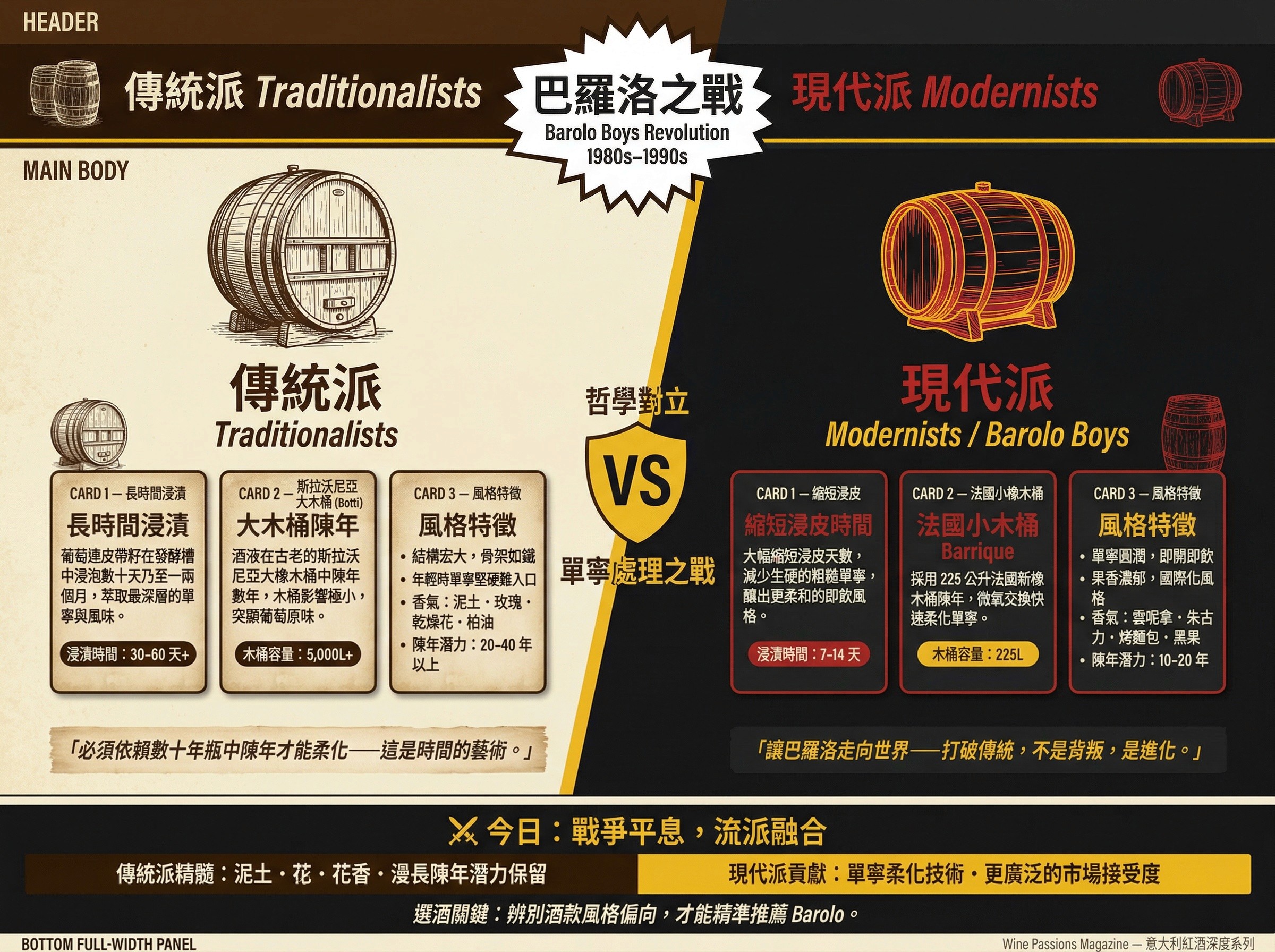
在探討Barolo 紅酒的發展史時,我們絕對不能忽略發生在 20 世紀 80 至 90 年代那場轟動酒界的「巴羅洛之戰(Barolo Boys Revolution)」。這場戰爭,本質上是對 Nebbiolo 葡萄單寧處理方式的哲學對立。
傳統派(Traditionalists): 老一輩的釀酒師堅守傳統,他們將葡萄連皮帶籽在發酵槽中進行長達數十天甚至一兩個月的「長時間浸漬」,以萃取最深層的風味與單寧。隨後,酒液會被放入被稱為「Botti」的斯拉沃尼亞巨型舊橡木桶中陳年數年。這種做法釀出的巴羅洛結構極度宏大,但年輕時單寧堅硬如鐵,幾乎無法入口,必須依賴數十年的瓶中陳年才能柔化。
現代派(Modernists): 為了迎合國際市場對「即開即飲」與果香濃郁風格的追求,一群年輕的叛逆釀酒師(即 Barolo Boys)引入了現代工藝。他們大幅縮短浸皮時間以減少生硬的單寧,並改用 225 公升的「法國小橡木桶(Barrique)」進行陳年。法國新木桶不僅能透過微氧交換快速柔化單寧,更為這款意大利紅酒之王增添了雲呢拿、烤麵包與朱古力等甜美的現代氣息。
時至今日,這場戰爭已逐漸平息,取而代之的是兩種流派的相互借鑒與融合。當我們在提供 Barolo 推薦 時,懂得區分酒款是偏向展現泥土與乾燥花香的傳統派,還是偏向濃郁果味與香草氣息的現代派,是幫助酒客找到心頭好的關鍵所在。
四、 時間魔法:為何年輕 Barolo 難入口,必須等待 10 年適飲期
許多剛剛接觸意大利紅酒之王的新手,在興沖沖地開了一瓶近年份的巴羅洛後,往往會被那強烈澀口的單寧嚇退,誤以為這是一瓶壞酒。這其實是因為您尚未掌握品飲 Nebbiolo 最核心的密碼:時間。
這款酒從來都不是為了追求速食文化而誕生的。根據意大利嚴格的 DOCG 法規,標準的Barolo 紅酒在上市前必須經過至少 38 個月的陳年(其中至少 18 個月在木桶中);而標示為 Riserva(珍藏級)的酒款,則需歷經 62 個月的漫長歲月。然而,這僅僅是法規的最低門檻。
真正的時間魔法,發生在酒液裝瓶後的十年。年輕的 Nebbiolo 單寧分子粗大且活躍,會強烈收斂口腔黏膜;但經過 10 年以上的瓶中微氧陳化,這些單寧分子會逐漸聚合併沉澱,質地從原本的粗糙砂紙蛻變成如天鵝絨般的滑順。同時,原本封閉的果香會轉化為迷人的松露、枯葉與皮革的第三類香氣。這就是為何業界公認,品飲頂級巴羅洛,必須擁有等待其進入 10 年適飲期的耐性。
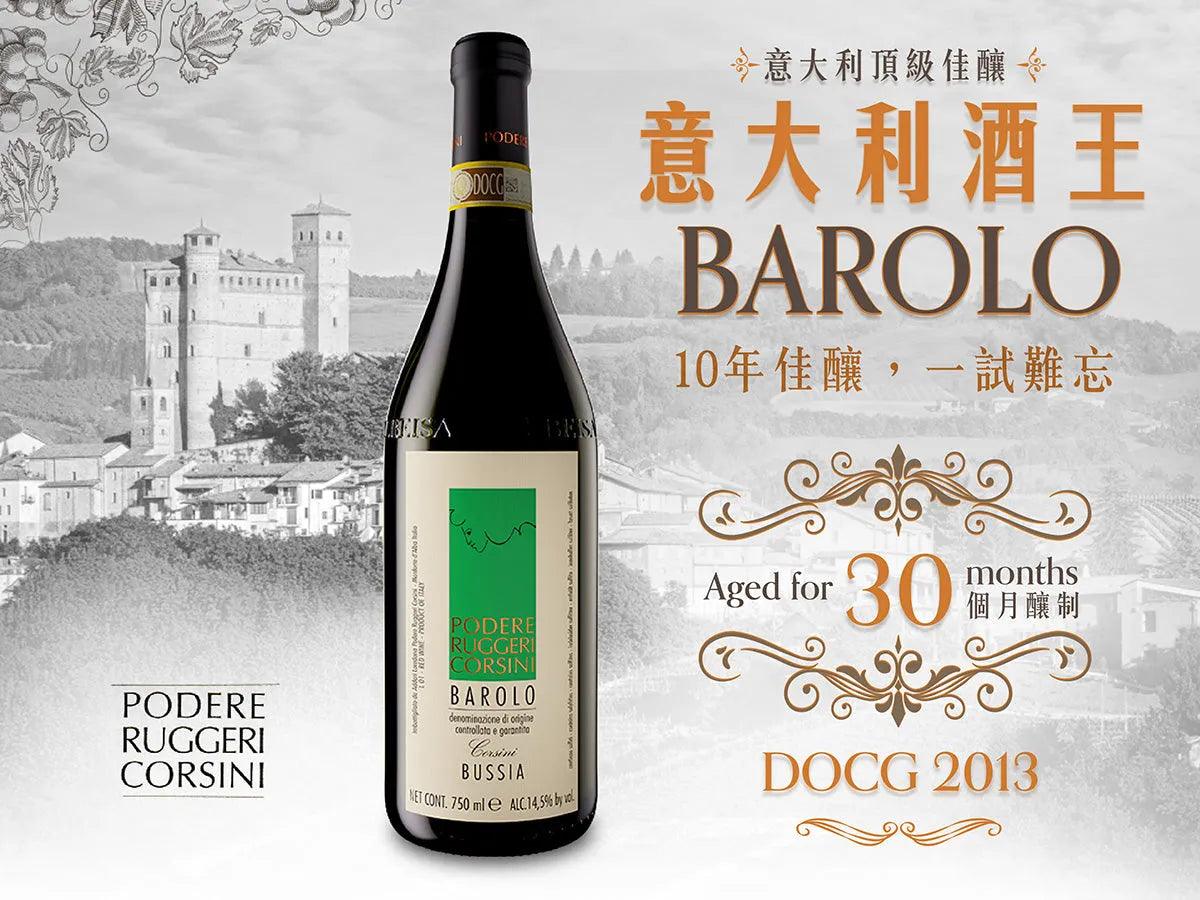
🍷 Wine Passions 終極 Barolo 推薦: 如果您不想經歷漫長的十年苦等,渴望立刻一窺意大利紅酒之王熟成後的巔峰面貌,我們為您誠意獻上這款時間的藝術品:2015限量陳年 Barolo 。這款經歷了十餘年歲月洗禮的極品佳釀,其狂暴的單寧已被時間馴服得服服帖帖,杯中綻放出極致的焦油、玫瑰與陳年松露氣息。它完美詮釋了 Barolo 紅酒 從桀驁不馴到優雅從容的蛻變,絕對是您與懂酒的摯友在晚宴上壓軸品鑑、感受時光魔力的終極之選。
Related articles





Wine tasting knowledge

意大利紅酒之王 Barolo(巴羅洛):Nebbiolo 葡萄的魅力與陳年實力意大利紅酒之王 Barolo(巴羅洛):Nebbiolo 葡萄的魅力與陳年實力
In the world of wine tasting, tannins are a widely discussed important characteristic, especially pronounced in red wines. Tannins not only affect the structure and mouthfeel of red wine but also endow it with aging potential and deep allure. Therefore, understanding the nature and impact of tannins is key to enhancing wine tasting skills.
Definition and Importance of Acidity
Tannins are naturally occurring plant compounds found in grape skins, seeds, and stems, and can also come from the influence of oak barrels. From a chemical perspective, tannins belong to a class of polyphenolic substances that are responsible for imparting the typical structure and astringent flavor to wine. They create a drying sensation in the mouth, caused by the binding of tannins with salivary proteins.
The importance of tannins can be summarized as follows:
Structure and Balance: Tannins provide structure and depth to wine, balancing acidity and sweetness, making the overall mouthfeel more harmonious.
Aging Potential: Wines with high tannins typically have better aging potential. Over time, tannins soften, leading to a more rounded flavor.
Flavor Enhancement: Tannins can interact with components in food, enhancing the overall experience when drinking.
Types of Tannins
Tannins from Grapes:
Characteristics: The tannins in grape skins, seeds, and stems determine the basic structure of the wine, often exhibiting a strong astringency. These types of tannins are usually more pronounced in young red wines.
Examples: Cabernet Sauvignon, Nebbiolo, and other varieties.
Tannins from Oak:
Characteristics: During the aging process, the wine absorbs additional tannins from oak barrels, which influences its mouthfeel complexity. These types of tannins can enhance the wine's complexity and aroma.
Examples: Chardonnay and Syrah/Shiraz aged in oak barrels.
Main Factors Affecting Tannins
Grape Variety: Different grape varieties naturally contain varying levels of tannins. For example, thick-skinned grapes like Cabernet Sauvignon often have higher tannins, while Pinot Noir and Merlot have lower levels.
Maturity Level: Overripe grapes will reduce their natural tannins; therefore, the timing of the harvest affects the final product's tannin levels.
Winemaking Techniques: The time of skin contact during fermentation, oak aging, and other techniques can influence the extraction of tannins. Additionally, the longer the grape skins are soaked, the higher the tannin extraction.
Aging Process: Over time, tannins gradually soften, releasing a more rounded and delicate mouthfeel.
Tannins are plant compounds that occur naturally in grape skins, seeds, and stems, and can also come from the influence of barrels (such as oak barrels). From a chemical perspective, tannins belong to a class of polyphenolic substances that are responsible for giving wine its typical structure and astringent flavor. They produce a drying sensation in the mouth due to the binding of tannins with saliva proteins.
Tasting Terms
Astringency: Describes the dry sensation in the mouth caused by the binding of tannins and salivary proteins. This feeling is usually more pronounced in young red wines.
Ripeness: Describes whether the tannins are soft. Ripe tannins typically have a round mouthfeel, while unripe tannins may seem harsh or bitter.
Smooth: Describes a soft and non-pungent mouthfeel, usually resulting from high-quality or ripe tannins.
Tight: Describes young wines whose acidity and tannins have not yet fully integrated, making the mouthfeel potentially feel rather rigid.
Soft: Refers to low acidity or low tannin levels, making the wine feel softer in the mouth and non-irritating.
How to Assess Tannins in Wine
Visual Inspection: Generally, deep-colored red wines indicate higher tannin content, but it should also be combined with other tasting methods for judgment.
Tasting Mouthfeel: When tasting, focus on the degree of dryness between the tongue and gums. If there is a strong astringent feeling, it may indicate a high-tannin wine.
Food Pairing: Try pairing wines of varying acidity and tannin levels with food. High acidity and high tannin wines often balance well with rich or fatty foods.
Finish Sensation: High-tannin wines usually have a longer finish and a more solid structure.
Tannins are the key element that gives red wine depth and complexity. From shaping mouthfeel to showcasing aging potential, exploring the world of tannins will enhance your tasting experience. Want to learn more about the benefits and considerations of tannin-rich red wines, and how to choose the right wine for yourself? Continue exploring the secrets of wine with Wine Passions Magazine, mastering more tasting knowledge to make your wine journey even more colorful!
Wine tasting knowledge

意大利紅酒之王 Barolo(巴羅洛):Nebbiolo 葡萄的魅力與陳年實力意大利紅酒之王 Barolo(巴羅洛):Nebbiolo 葡萄的魅力與陳年實力
In the process of appreciating wine, "Sweetness" is an important element that cannot be ignored, as it not only affects the flavor structure of the wine but also often serves as a key basis for selecting the right wine. From dry red wines to high-sweetness sparkling wines, the wide range of sweetness fully demonstrates the captivating diversity of wines. Understanding the subtle differences in sweetness can make your tasting experience richer.
Definition of Sweetness
The sweetness of wine refers to the effect of the amount of Residual Sugar present in the wine on the tongue. When you take a sip of wine, the sweetness perceived by your taste buds comes from the glucose that has not been fully converted into alcohol during the fermentation process. This characteristic not only affects the drinking experience but can also influence wine pairings and styles.
Sweetness refers to the amount of residual sugar in wine, usually expressed in grams per liter (g/L). Depending on the sugar content, wines can be classified as Dry, Off-Dry, Semi-Sweet, and Sweet.
Types of Sweetness
Based on the sugar content in wine, sweetness can be divided into the following types:
Bone-dry:
Characteristics: Bone-Dry wines have a very low residual sugar content, usually between 0-1 g/L. This type of wine is crisp and has high acidity, making it suitable for drinkers who enjoy a dry style. Due to the lack of sweetness, the fruit aromas and other flavors (such as minerals or herbs) are more pronounced.
Representative wines: Alsace Riesling, German Riesling, Sauvignon Blanc, Prosecco
Dry:
Characteristics: Residual sugar is usually less than 4 g/L, resulting in a fresh taste with prominent fruit flavors, suitable for pairing with a variety of foods.
Representative wines: Most Cabernet Sauvignon, Merlot, Sauvignon Blanc
Off-Dry:
Characteristics: Residual sugar typically ranges from 4 g/L to 12 g/L, with a slightly sweet taste but still maintaining a refreshing mouthfeel.
Representative wines: Certain Rieslings, Grenache
Semi-Sweet:
Characteristics: Residual sugar usually ranges from 12 g/L to 45 g/L, with a noticeable sweetness but not overly rich.
Representative wines: Bordeaux Sauternes, certain Champagnes
Sweet:
Characteristics: Residual sugar exceeds 45 g/L, and these wines typically have a rich mouthfeel and strong fruit aromas, often used for pairing with desserts or as after-dinner drinks.
Examples: Ice Wine, Noble Rot wines, and certain Port wines.
Main Factors Affecting Sweetness
Grape Varieties: Different grape varieties have different natural sugar levels; for instance, Riesling is usually sweeter, while Cabernet Sauvignon tends to be drier.
Climate Conditions: The hotter the climate, the more sugar accumulates in the grapes, so wines from warmer regions are often sweeter.
Winemaking Techniques: Choices made during the winemaking process, such as whether to harvest late or use noble rot, can affect the final sweetness of the product.
Wine Tasting Terms
Sugar Content
Definition: Refers to the amount of residual sugar in the wine, usually expressed in grams per liter (g/L). This data is an important indicator for assessing the sweetness of wine.
Residual Sugar
Definition: The sugar content that has not been converted into alcohol during fermentation. The amount of residual sugar directly affects the sweetness of the wine, with dry wines typically having less than 4 g/L and sweet wines exceeding 45 g/L.
Roundness
Definition: Refers to the softness and fullness of the wine in the mouth. Wines with higher sweetness tend to give a round, smooth mouthfeel.
Caramel Notes
Definition: Some sweet wines or those aged in oak barrels may exhibit caramel or caramelized fruit flavors due to prolonged contact with the wood, which adds unique flavors.
Wine Tasting Adjectives
Light Sweetness
Description: Refers to a slight sweetness that usually does not overpower other flavors. These wines often have a fresh taste, suitable for pairing with light snacks.
Smooth Sweetness
Description: Refers to a good balance between sweetness and acidity, as well as other flavors, resulting in an overall smooth mouthfeel without being cloying.
Fruity Sweetness
Description: Emphasizes the natural sweetness from the fruit itself, usually combined with the aroma of fresh fruits, enhancing the drinking experience.
The sweetness of wine refers to the impact of the residual sugar content in the wine on the taste buds. When you take a sip of wine, the sweetness perceived by the taste buds on your tongue comes from the glucose that was not completely converted into alcohol during the winemaking process. This characteristic not only affects the drinking experience but also influences the pairing and style of the wine.
How to Assess the "Sweetness" of Wine
Observe Color and Viscosity: Wines with higher sweetness usually have a deeper color and a stronger viscosity.
Taste the Mouthfeel: Pay attention to the sensation of sweetness in your mouth while sipping, and compare it with acidity and tannins to determine the overall balance.
Understanding the characteristics of "sweetness" in wine helps enhance the tasting experience, allowing consumers to choose the right wine based on their personal taste preferences. Whether you prefer dry, semi-dry, or sweet wines, each wine presents unique flavors and charm. Wine Passions Magazine will continue to provide you with more tasting terminology, introductory knowledge, and food and wine pairing tips, enabling you to navigate the journey of savoring fine wines with ease and enjoy every drop of wine's brilliance.
Wine tasting knowledge

意大利紅酒之王 Barolo(巴羅洛):Nebbiolo 葡萄的魅力與陳年實力意大利紅酒之王 Barolo(巴羅洛):Nebbiolo 葡萄的魅力與陳年實力
In the world of wine tasting, there are many wine tasting terms that help us capture the essence of wine, among which the Body is an extremely important concept. In short, body refers to the weight and texture of wine in the mouth, allowing one to clearly feel its presence between the tip of the tongue and the teeth.
Definition and Importance of Body
Body describes the fullness and weight that can be felt in the mouth. It is not just a physical characteristic of the wine; it encompasses multiple factors, including alcohol content, sugar, acidity, and tannins.
The diversity of body not only determines the style of wine but also profoundly affects the tasting experience. This characteristic, known as "body" in professional wine tasting terminology, is often expressed as "full-bodied" when described in terms of thickness and layers, which translates to "酒體飽滿" in Chinese.
Main Factors Affecting Body
The body of wine is determined by multiple factors, summarized as follows:
ABV Alcohol Content: Generally speaking, as the alcohol content increases, the viscosity of the wine also increases, making it feel fuller. Wines with high alcohol content (typically above 13.5%), such as a typical Shiraz, tend to feel denser.
Tannin: Tannins come from grape skins, seeds, and oak barrels, and are particularly important for red wines. The higher the tannin level, the stronger the structure of the wine, which typically gives a heavier sensation.
Sugar: Residual Sugar can affect the sweetness and fullness of the wine. Sweetness enhances the sense of heaviness in the mouth, making the body feel fuller.
Acidity: Acidity is also crucial for balancing the body. Wines with high acidity can often feel light even under higher sugar levels.
Oak Barrel Aging: Aging in oak barrels increases complexity and fullness, introducing flavors such as vanilla and spices, thus rounding out the overall palate.
Types of Body and Typical Wine Representations
Light-Bodied
Light-bodied wines are characterized by their refreshing taste. Representative varieties include Pinot Noir cultivated in cool climates, or white wines such as Sauvignon Blanc. These types of wines are best paired with seafood and light salads, enhancing the dining experience without overpowering the dish's flavors.
Tasting Descriptors: Light, Crisp
English Tasting Descriptors: light, crisp, refreshing
Representative Wines: Sauvignon Blanc, Pinot Noir, Riesling
Medium-Bodied
Medium-bodied wines are a balance between light and rich, making them an ideal choice for wine lovers due to their balanced structure and palate. Merlot and some oak-aged Chardonnays are excellent examples in this category, capable of pairing well with a variety of foods such as white meats (chicken, duck, goose, turkey, and fish) or creamy pasta dishes.
Tasting Descriptors: Balanced, Round
English Tasting Descriptors: balanced, round, smooth
Representative Wines: Merlot, Chardonnay
Full-Bodied
Full-bodied wines have a rich and heavy mouthfeel with complex layers, usually having higher tannin and acidity levels, earning them the title of "heavyweight champions on the palate." Cabernet Sauvignon and Chardonnays aged for extended periods in oak barrels are typical representatives. These wines pair excellently with rich red meats or robust cheeses.
Tasting Descriptors: Rich, Full
English Tasting Descriptors: rich, bold, full
Representative Wines: Cabernet Sauvignon, Syrah/Shiraz, some Bordeaux blends
The body refers to the fullness and weight of the wine as perceived in the mouth. It is not just a physical characteristic of the wine but encompasses various factors, including alcohol concentration, sugar, acidity, and tannins. The diversity of the body not only determines the style of the wine but also profoundly impacts the tasting experience.
How to Evaluate the 'Body' of Wine
When tasting, you can assess the body of a wine through the following aspects:
Observe the Color and Viscosity: Pour the wine into a glass and observe its color and flow. Full-bodied wines typically have a deeper color and flow slowly.
Taste the Mouthfeel: When sipping, pay attention to the weight in your mouth; heavier wines leave a fuller and denser impression on the tongue.
Explore the Body to Enhance Your Tasting Experience
Whether you are a novice to wine tasting or a seasoned drinker with some experience, understanding the body can allow you to reflect on its rich connotation every time you touch the glass. Full-bodied wines often add elegance to formal banquets, while lighter wines are the perfect companions for everyday meals.
By understanding this key characteristic, you will better appreciate the charm of wine that words cannot fully capture! Want to unlock comprehensive wine tasting knowledge? Stay tuned to Wine Passions Magazine, where we will provide more exciting content about wine tasting terminology and introductory knowledge, helping you become more adept in wine selection and pairing.