
The New Trend of Wine Pairing: The Perfect Companion for Hong Kong-style Cha Chaan Teng Dishes
Wine and fine dining
2025 Christmas Party Upgrade Proposal: Say goodbye to beer and embrace the elegant moments of red and white wine!
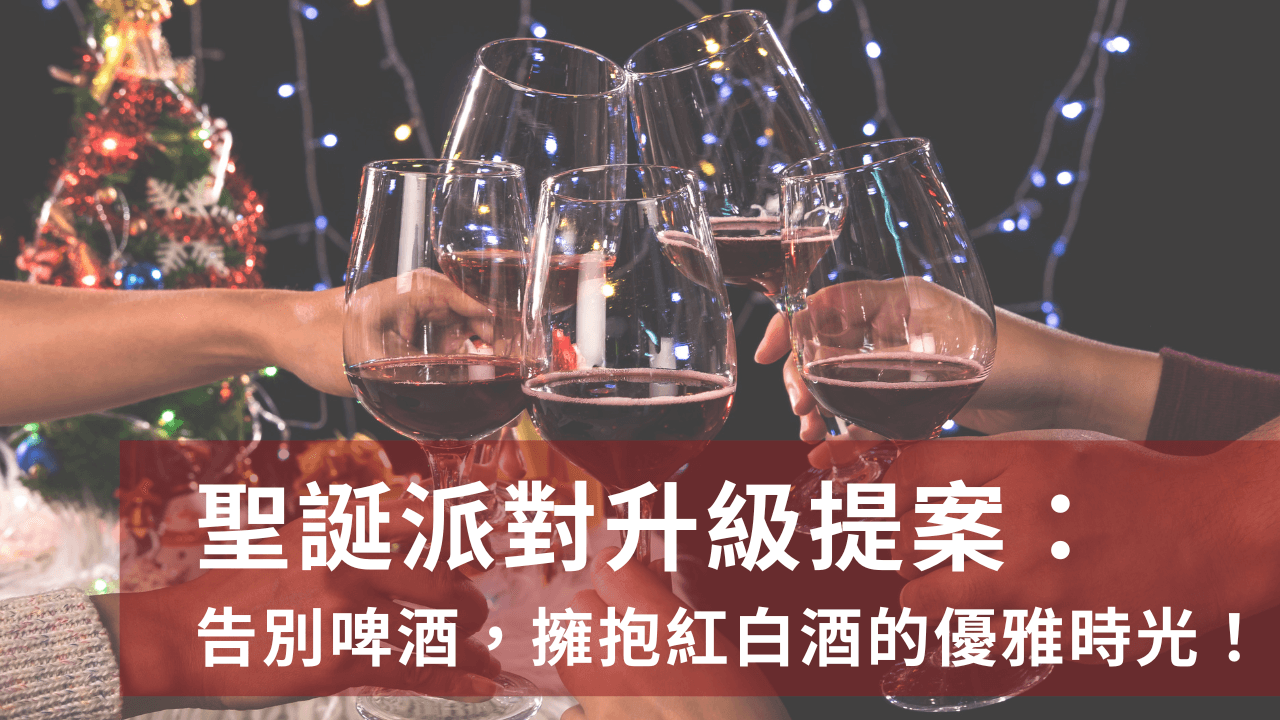
2025 Christmas Party Upgrade Proposal: Teaching you how to make a "painless transition" from beer to red and white wine! It includes a practical 4-step guide, from selecting wine glasses to introducing the background of the wines. A selection of easily drinkable Italian red wines and refreshing white wines, making your holiday gathering instantly filled with taste and an elegant atmosphere.
2025 Christmas Party Upgrade Proposal: Say Goodbye to Beer and Embrace the Elegance of Red and White Wine!
As Christmas approaches, the party atmosphere is gradually heating up. Traditionally, beer has often been the drink of choice at parties, evoking a relaxed and casual feeling. However, if you want to elevate your party to a higher level, red and white wine is undoubtedly the ideal choice. It not only symbolizes taste and sophistication but also helps create a warm and deep social experience. This article will explore how to transform the party style through red and white wine, providing practical tips and recommendations to help you create an unforgettable holiday gathering.
Why Red and White Wine Can Instantly Elevate Party Style and Atmosphere
Red and white wine at a party is not just a drink; it is a cultural symbol that can instantly transform the ambiance of the space. Compared to the straightforward and instant effect of beer, red and white wine offers a richly layered sensory journey. Imagine guests holding their glasses under the Christmas lights, gently sipping the fruity notes and tannins of red wine, accompanied by soft conversation. This is not just drinking; it's an artful experience.
From a historical perspective, red and white wine originates from ancient European wineries, carrying centuries of winemaking wisdom. For example, French Bordeaux reds or Italian Tuscan whites are often associated with noble banquets, symbolizing elegance and composure. In modern parties, introducing red and white wine can create a similar atmosphere: it encourages guests to savor the terroir characteristics of the wine, thereby extending interaction time and avoiding the usual noise and chaos of beer. Studies show that gatherings with red and white wine lead to deeper conversations and enhanced emotional connections among participants.
Moreover, the diversity of red and white wine is one of its advantages. The deep colors of red wine complement the traditional red and green decorations of Christmas, while the freshness of white wine balances the richness of holiday meals. Psychologically, this harmony between visual appeal and taste can enhance overall satisfaction. Compared to the monotonous foam of beer, red and white wine offers endless variations: from light sparkling wines at the start to rich reds as the grand finale, allowing for a more dynamic party rhythm. Ultimately, this transition not only elevates the style but also creates lasting memories for guests.
From Beer to Red and White Wine: A Painless Transition Guide for Beginners
For party hosts accustomed to beer, switching to red and white wine may seem challenging, but it can indeed be a gradual process. First, understand the fundamental differences between the two: beer emphasizes immediate refreshment and carbonation, while red and white wine focus on flavor complexity and lingering finish. Beginners can start with similarities, such as choosing fruity white wines that parallel the lightness of beer, avoiding any jarring surprises.
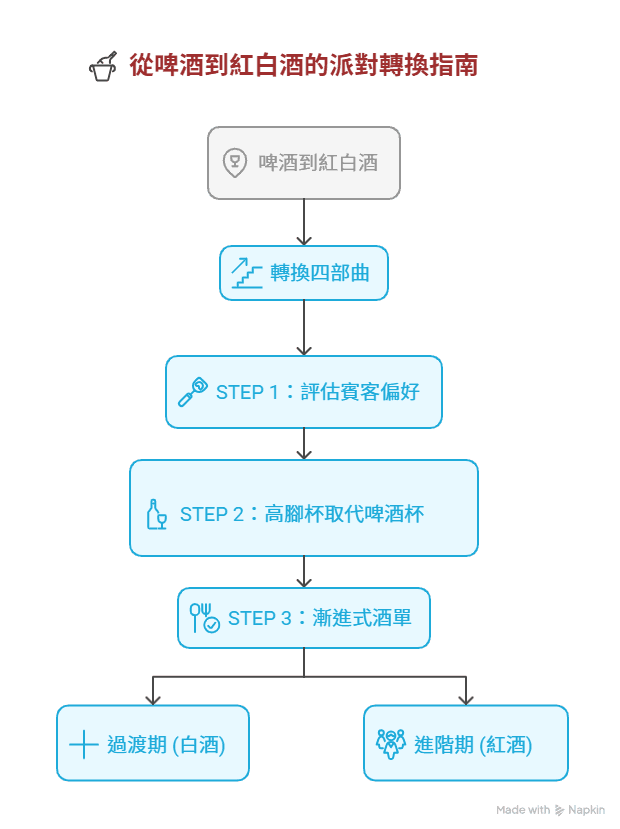
Step One: Assess Guest Preferences. Survey party participants to see if they are familiar with red and white wine; if most are novices, prioritize easy-drinking styles, like low-alcohol Italian Prosecco, whose mildly sweet bubbles can substitute the joy of beer.
Step Two: Prepare Basic Tools. Using wine glasses instead of beer mugs can enhance visual appeal; also, provide a corkscrew and decanter to make the process more professional.
Step Three: Gradually Introduce the Wine List. Using beer as a benchmark, start by offering white wine as a transition, such as New Zealand Sauvignon Blanc, which has herbal notes reminiscent of certain craft beers' refreshing qualities. Progress to red wine, starting with a light Italian Chianti whose bright fruit flavors are not overpowering.
Step Four: Educate Guests. During the party, introduce the background of the wines, such as sharing how Chianti originates from the vineyards of Tuscany, adding an element of knowledge and interest to avoid making guests feel unfamiliar.
Potential challenges include differences in alcohol tolerance. The alcohol content of red and white wine is typically higher than that of beer, so it is advisable to control portions, one glass per person per hour. Also, pay attention to temperatures: chill white wine to 8-10°C and serve red wine at room temperature around 18°C to showcase their best flavors. With this guide, the transition process will not only be painless but will also surprise guests with the charm of red and white wine, gradually moving away from the monotony of beer.
Recommended List of Easy-to-Drink Red and White Wines Designed for Parties
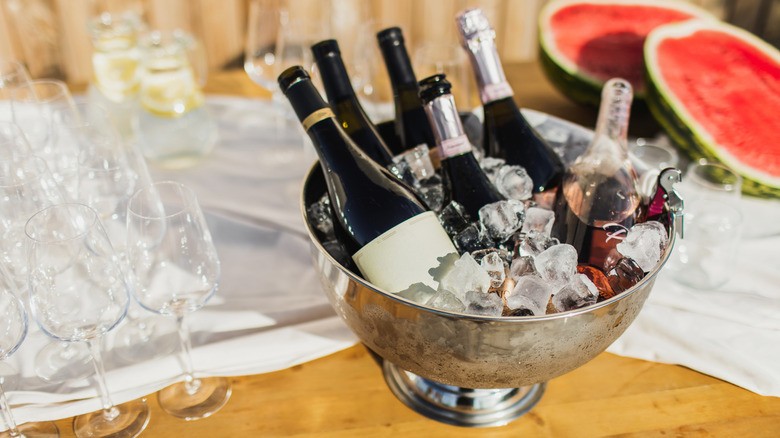
To host an unforgettable Christmas party, the wisdom of wine selection lies not in the expensive price tags on labels but in "precise scene matching" and "broad appeal." The editorial team at Wine Passions understands that the party wine list must balance the tastes of seasoned wine enthusiasts with the acceptability of novices. To this end, we have broken the boundaries of wine regions, planning these four wines that can control the rhythm of your party—from the classic elegance of the Old World to the bold fruitiness of the New World.
1. The Gateway to Holiday Vibes: French Non-Vintage Champagne (NV Champagne)
To set an "elegant" tone for the party, French Champagne is undoubtedly the irreplaceable golden standard. We recommend choosing a well-known winery's "Non-Vintage Champagne" (NV), which typically blends base wines from multiple years, ensuring a stable and classic style. Unlike ordinary sparkling wines, Champagne undergoes rigorous second fermentation in the bottle and aging on the lees, resulting in not only refreshing fruit notes but also the complex aromas of toasted bread, buttery brioche, and roasted almonds. When those fine bubbles rise in the glass, accompanied by the crisp sound of clinking glasses, the ceremonial atmosphere of the party is instantly heightened. It is not only the perfect welcome drink but also its excellent acidity can complement a wide range of appetizers, from caviar toast to fried chicken.
2. The Tropical Storm After Chilling: New Zealand Marlborough Sauvignon Blanc
For guests accustomed to beer who seek the pleasure of "big gulps," New Zealand Marlborough Sauvignon Blanc is the best bridge to lead them into the world of wine. This white wine is known as a "fruit bomb," and upon opening, the rich and exuberant aromas of tropical fruits—passion fruit, lime, guava, and the fresh scent of rain-soaked grass—will greet you. Be sure to chill it thoroughly to 6-8°C; its extreme clarity, sharpness, and refreshing acidity can instantly awaken taste buds dulled by the warmth of the heating system. When enjoyed with prawn salad, sashimi, or Thai spicy snacks, it provides a more thirst-quenching experience than any beer.
3. The Silky Social Lubricant: American or New Zealand Pinot Noir
Red wine often intimidates some beginners due to the astringency of tannins, but Pinot Noir is the gentle key that breaks this psychological barrier. We recommend choosing New World Pinot Noir from regions like California (e.g., Sonoma Coast) or New Zealand (e.g., Central Otago). Thanks to ample sunshine, wines from these areas exhibit incredibly charming sweetness, full of aromas of fresh strawberries, red cherries, and raspberries. Its body is light and transparent, with very low tannin content and a silky texture, making it easily acceptable even for guests who usually only drink white wine. This wine possesses excellent "social properties"; whether enjoyed alone while standing and talking or paired with cold cuts and roasted duck at the party, it performs equally well.
4. The Soulmate of the Italian Dining Table: Italian Chianti Classico
As the party reaches its peak, with the table filled with Christmas roast turkey, meat sauce lasagna, or rich roasted beef, you need a red wine with "structure" to command the scene. At this moment, turn your attention to the classic of Tuscany, Italy—Chianti Classico. Look for the "black rooster" logo on the neck of the bottle, which signifies authentic quality certification. Chianti made from Sangiovese grapes does not win with heavy jam flavors but is known for its alluring tart cherry, dried herbs, balsamic vinegar, and earthy notes. Its signature high acidity can cut through the fat of meats and creamy sauces like a laser, making every bite feel lighter. This aesthetic of "acidic cuts through richness" is the best proof that Italian wine and cuisine are a match made in heaven.
The Perfect Pairing Rules for Red and White Wines with Christmas Snacks
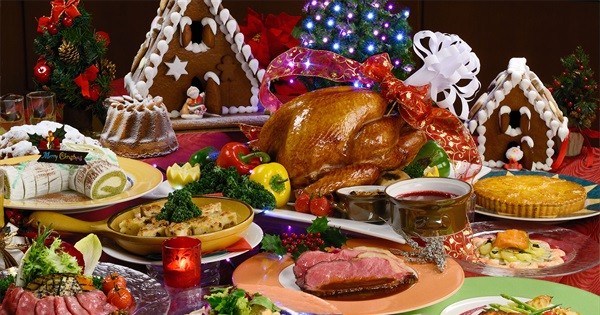
Christmas party snacks are diverse, from turkey to gingerbread, and the pairing of red and white wines can enhance the flavor layers. The basic rule: white wine with light snacks, red wine with rich dishes; acidity balances greasiness, tannins counter protein.
For example, Sauvignon Blanc from New Zealand or Italian white wine is suitable for seafood snacks like smoked salmon or prawn crackers. Its citrus acidity can cut through fat, providing a refreshing contrast. For vegetable salads or cheese platters, the herbal aromas of white wine can elevate the overall lightness.
Red wine pairs excellently with meats. The cherry acidity of Italian Chianti is perfect with roast turkey or beef pies, and the tannins soften the texture of the meat. The bold fruit aromas of Primitivo or Aglianico go well with sausage rolls or roasted lamb chops, as their dark fruit flavors complement the smoky elements. The vibrant and exuberant Negroamaro can accompany spicy snacks like meatballs in chili sauce, balancing the heat.
Sparkling wine as an opening drink pairs wonderfully with desserts or fruit tarts. The mildly sweet bubbles of Flori Dolce Spumante can balance the sweetness of gingerbread or chocolate cake. Advanced rule: consider temperature and order, serve white first then red, to avoid red wine tannins masking the delicacy of white wines. Also note portion sizes, pairing a bite of snacks with a small sip extends enjoyment. Through these pairings, the party not only satisfies the taste buds but becomes a sensory feast.
Tips for Selecting Wine and Hosting an Unforgettable Party
A true Christmas party is never just "drinking a lot" but rather "drinking with quality that is memorable." When the last guest leaves, the table is no longer cluttered with piles of empty beer cans but rather a few bottles of red and white wine elegantly lying down, with labels still warm. In that moment, you know—the gathering has successfully upgraded. Beer brings a noisy surge, while red and white wine leaves a lingering aftertaste and conversation: someone remembers the cherry notes of that Chianti, someone is still recalling the moment Flori Dolce bubbles burst on their tongue, and even someone has developed a longing for the sunshine of southern Italy due to a bottle of Primitivo.
Saying goodbye to beer does not mean saying goodbye to fun, but rather continuing the joy in a more elegant way. Red and white wine make Christmas more than just a "drinking spree"; they create a social ritual that is layered, warm, and with stories.

If you are looking for a set that can satisfy "easy-drinking, respectable, and great value for money" for your party wine list, Wine Passions Magazine sincerely recommends the [Joyous Christmas . Twelve Chorus] Christmas Party Red Wine Special Set—8 distinctive Italian red wines, 2 refreshing white wines, and 2 joyful sparkling wines, covering every stage from the opening, pairing to the finale. Originally priced at HK$5,160, Christmas limited offer at HK$2,200 (saving over 57%), with free shipping. Let you effortlessly upgrade from a "beer party" to a "red and white wine Christmas," making guests leave with surprise and satisfaction, and making "I want to come back to your house next year" the most natural ending for them.
Say goodbye to beer, embrace red and white wine—this Christmas, let elegance begin.
Related articles








Feature report

2025 Christmas Party Upgrade Proposal: Say goodbye to beer and embrace the elegant moments of red and white wine!2025 Christmas Party Upgrade Proposal: Say goodbye to beer and embrace the elegant moments of red and white wine!
The Perfect Pairing of Hong Kong Street Food and Craft Beer: Discover New Food Trends
The street food culture in Hong Kong has a long history, from crispy egg waffles to spicy curry fish balls, each bite carries the unique memories and flavors of this city. In recent years, with the rise of craft beer culture, a new food trend is sweeping through Hong Kong—skillfully pairing traditional street food with craft beer, creating an astonishing taste experience. This is not just a feast for the taste buds but also a way of life that blends tradition with innovation, reflecting the diversity and vitality of Hong Kong's food culture.
The Rise of Craft Beer Culture in Hong Kong
Hong Kong's beer culture has undergone tremendous changes in recent years. According to data from the Hong Kong Wine & Spirits Industry Coalition, the craft beer market in Hong Kong saw a growth rate of 15% in 2022, far exceeding the growth rate of traditional mass beer brands. This wave of excitement is attributed to the rapid development of local craft beer brands like Young Master and Gweilo, as well as the influx of international brands.
Behind this trend is the consumers' pursuit of personalized and high-quality beverages. According to a report from market research firm Statista, the average beer consumption per person in Hong Kong is about 24 liters per year, with the share of craft beer rising from 5% in 2018 to 12% in 2023. The younger generation, in particular, is eager to explore new flavors, providing fertile ground for the pairing of street food and craft beer.
As the cornerstone of Hong Kong's food culture, street food similarly possesses remarkable vitality. According to statistics from the Hong Kong Tourism Board, more than 70% of tourists say that street food is an important way for them to experience local culture. Today, this tradition is being revitalized through its combination with craft beer.
Classic Pairings of Hong Kong Street Food and Craft Beer
The pairing of street food and craft beer is an art, requiring a balance of taste, flavor, and layers. Below are 10 craft beers available in supermarkets and convenience stores in Hong Kong (such as 7-11, Circle K, and ParknShop), along with their perfect combinations with street food, based on real brands and actual experiences:
Young Master Classic Pale Ale
Pairing: Curry Fish Balls
Reason: This pale ale brings citrus and floral notes that complement the spices of curry, creating a balance of freshness and heat.
Purchase Locations: ParknShop, 7-11

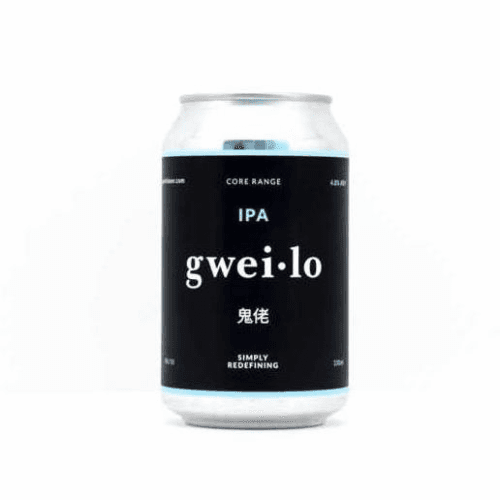
Gweilo Session IPA
Pairing: Egg Waffles
Reason: The light bitterness of the IPA balances the sweetness of the egg waffles, making the hot snack perfectly matched with the cold beer.
Purchase Locations: Circle K, Wellcome
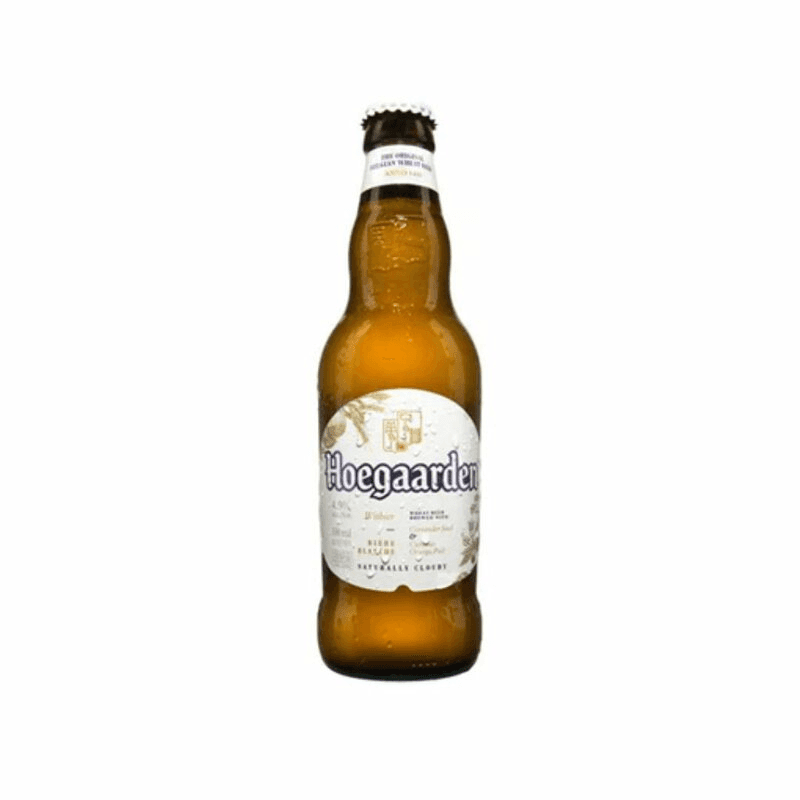
Hoegaarden White
Pairing: Siu Mai
Reason: The soft taste of wheat beer complements the fresh aromas of siu mai, with flavors of clove and orange peel adding layers.
Purchase Locations: 7-11, ParknShop
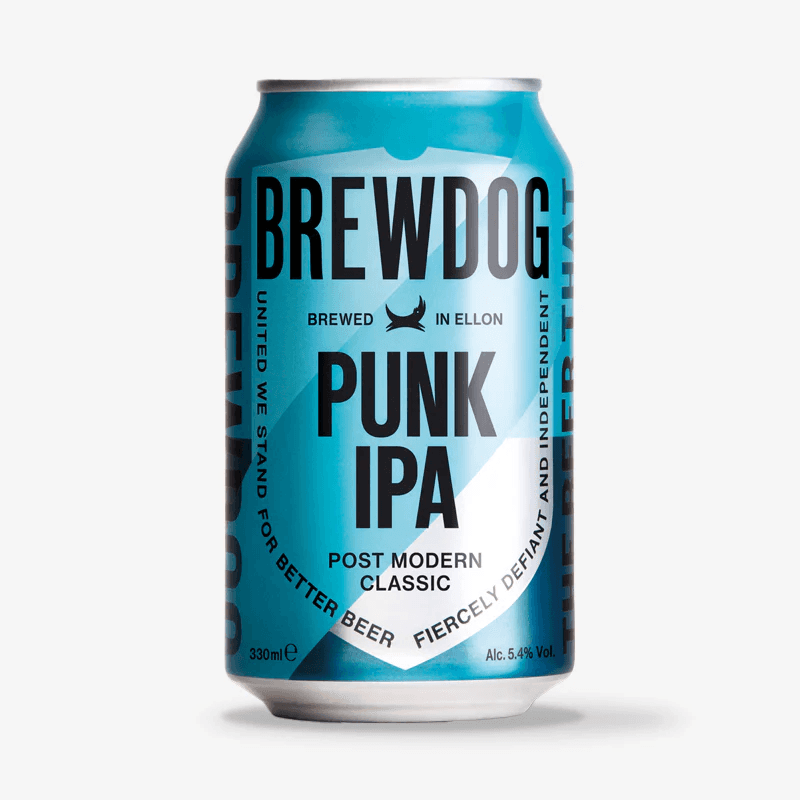
BrewDog Punk IPA
Pairing: Pan-Fried Stuffed Tofu
Reason: The intense bitterness of the IPA contrasts with the oiliness of the pan-fried stuffed tofu, enhancing the overall flavor.
Purchase Locations: ParknShop, Taste
Asahi Super Dry
Pairing: Fish Ball Skewers
Reason: The refreshing taste pairs well with the freshness of fish balls, simple yet delicious.
Purchase Locations: 7-11, Circle K

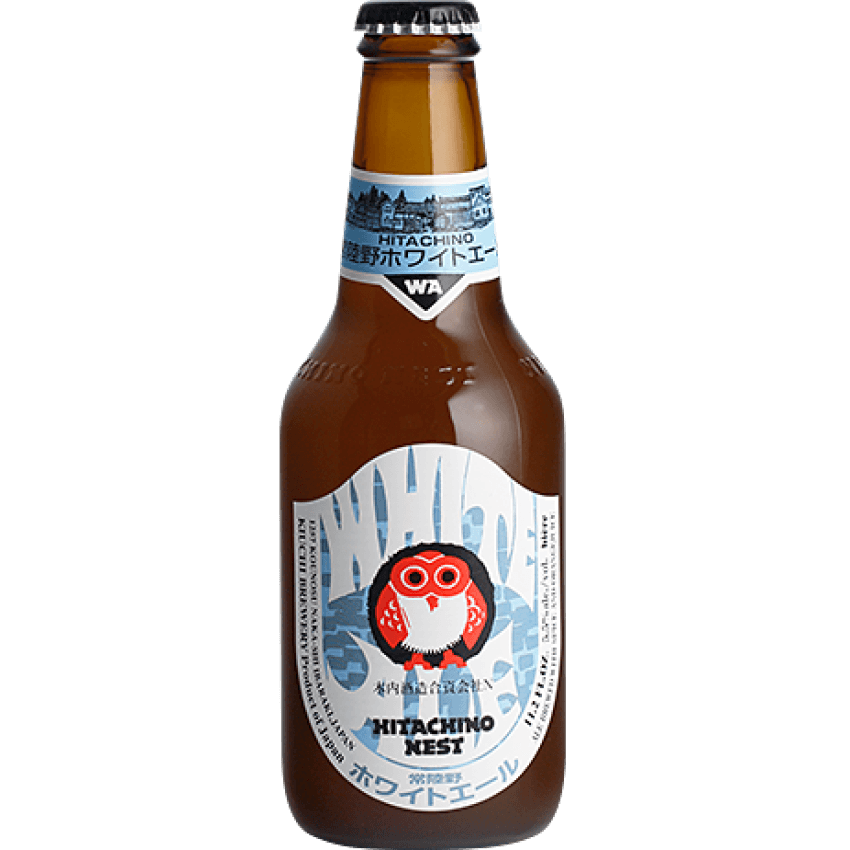
Hitachino Nest White Ale
Pairing: Cheung Fun
Reason: The gentle fruitiness of Japanese white ale pairs beautifully with the smoothness of cheung fun, with the soy sauce's saltiness being easily highlighted.
Purchase Locations: ParknShop, Don Don Donki
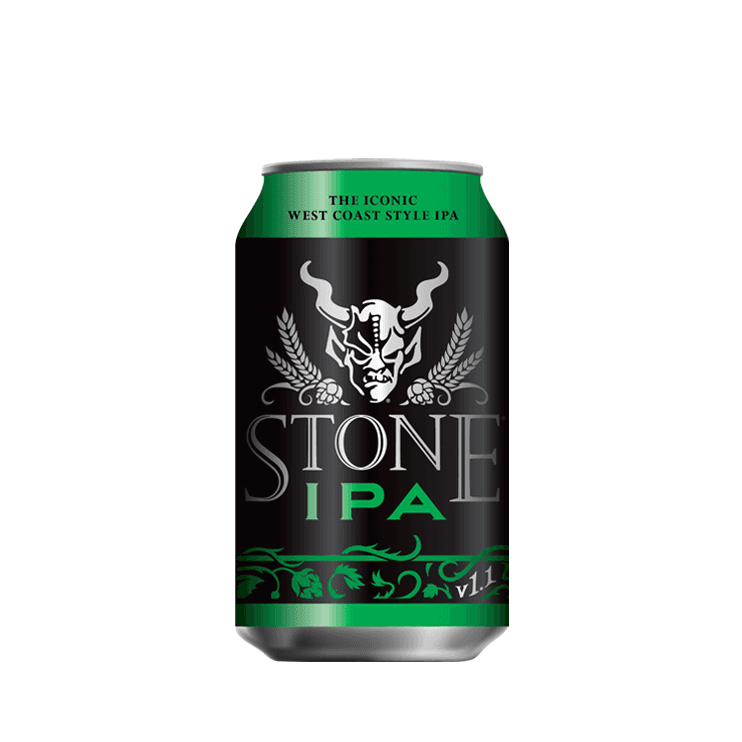
Stone IPA
Pairing: Chicken Wings
Reason: The strong hop flavor contrasts with the greasiness of the chicken wings, providing a refreshing experience.
Purchase Locations: Taste, Wellcome
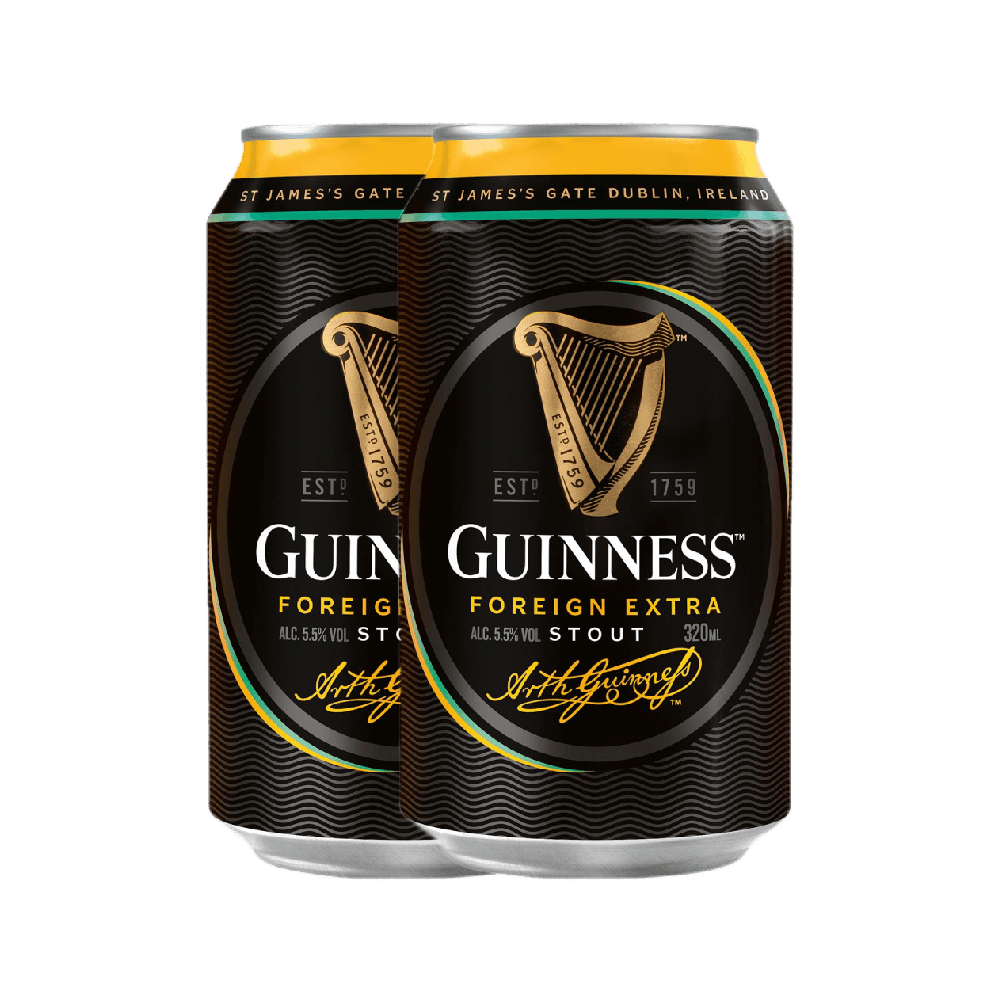
Guinness Stout
Pairing: Pig's Intestine Rolls
Reason: The caramel and coffee flavors of the stout complement the rich sauce of the pig's intestine rolls.
Purchase Locations: 7-11, ParknShop
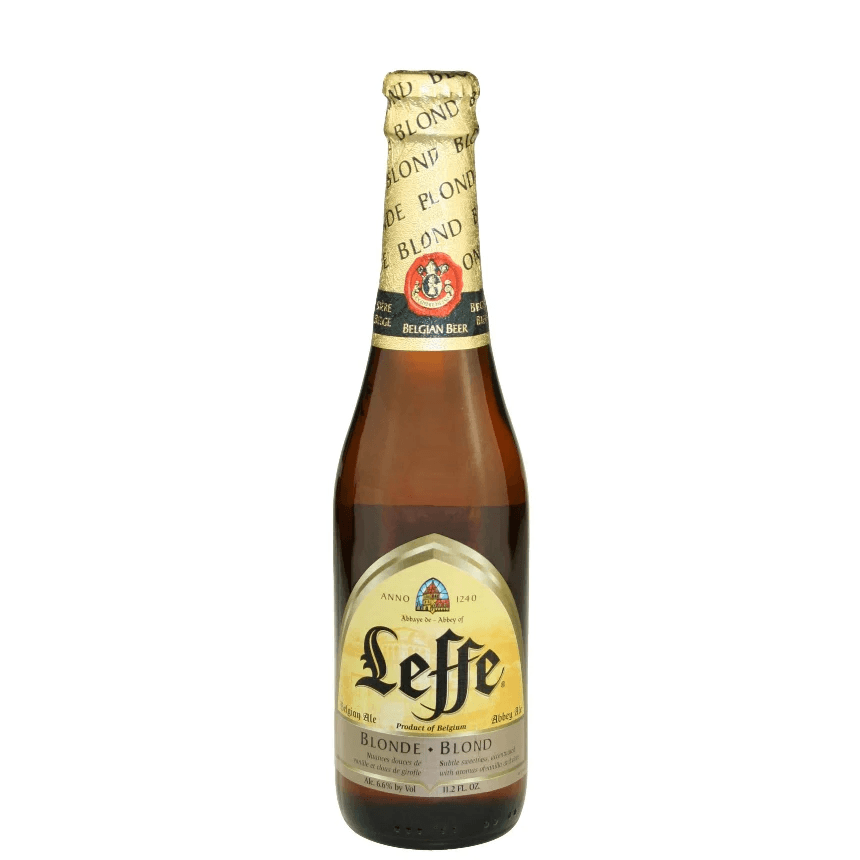
Leffe Blonde
Pairing: Beef Offal
Reason: The sweet aroma of Belgian blonde ale enhances the rich broth of the beef offal, warm and satisfying.
Purchase Locations: Circle K, Taste
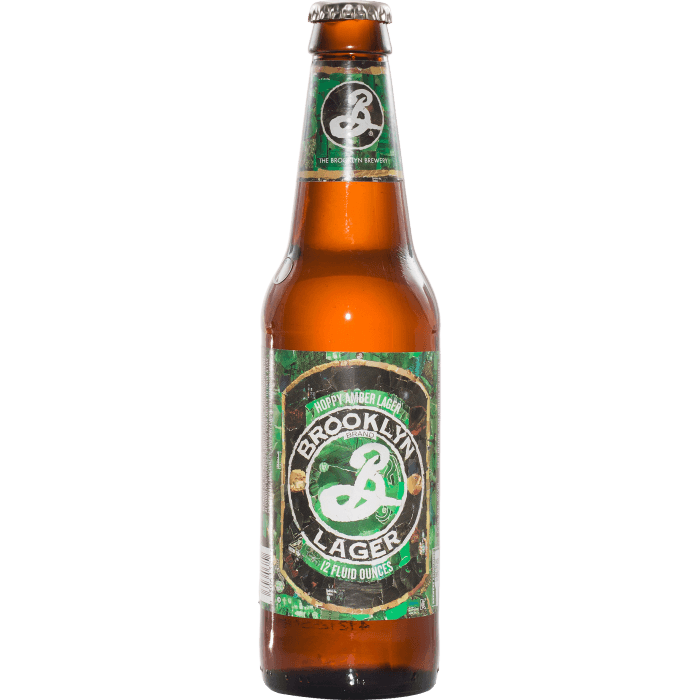
Brooklyn Lager
Pairing: Fried Sesame Balls
Reason: The crispness of lager contrasts interestingly with the sweet and crunchy sesame balls, perfect for a leisurely afternoon tea time.
Purchase Locations: Wellcome, ParknShop
Historically, Hong Kong's street food originated from the working class diet of the early 20th century, simple yet full of human warmth. The craft beer, on the other hand, has emerged as a 'new luxury' in the past decade. The combination of the two retains the down-to-earth characteristics of street food while incorporating the sophistication of high-end beer culture, serving as a model of cultural integration.
The Art and Science of Pairing Beer with Street Food
The success of beer pairing is not a random combination; it is built on a deep understanding of flavors. Here are a few core principles to consider when pairing:
Complementary Principle: Similar flavors can enhance each other. For example, the caramel notes of dark beer resonate with the rich sauce of curry fish balls.
Contrast Principle: Opposing tastes can create surprises, such as the bitterness of IPA contrasting with the sweetness of egg waffles.
Balance Principle: Avoid one element overpowering another, for instance, a light wheat beer will not overshadow the freshness of siu mai.
Historically, Hong Kong’s street food originated in the working-class diets of the early 20th century, simple yet filled with warmth. Meanwhile, craft beer has only emerged as a
Feature report
2025 Christmas Party Upgrade Proposal: Say goodbye to beer and embrace the elegant moments of red and white wine!2025 Christmas Party Upgrade Proposal: Say goodbye to beer and embrace the elegant moments of red and white wine!
Hong Kong-style afternoon tea, as a unique symbol of Hong Kong's culinary culture, has always been popular with locals and tourists alike. However, with the passage of time and the elevation of tastes, traditional Hong Kong afternoon tea is quietly undergoing a revolutionary change. Recently, a trend that blends innovative cocktails with classic Hong Kong dim sum has swept the city, injecting new vitality and charm into this century-old tradition.
This "Cocktail Afternoon Tea Revolution" is not simply about adding cocktails to the afternoon tea menu, but is a deep cultural fusion and innovative attempt. It reflects Hong Kong people's respect for tradition while also showcasing an open attitude towards new things. This innovation not only enriches the content of afternoon tea but also brings new development directions to the entire beverage culture.
In this new trend, bartenders are unleashing their creativity by cleverly incorporating traditional Chinese elements into Western cocktails, creating a series of innovative cocktails unique to Hong Kong. For example, the "Dried Tangerine Peel Martini" based on dried tangerine peel not only retains the classic flavor of the martini but also adds a hint of Eastern charm. Another example is the "Milk Tea Old Fashioned," which perfectly combines the rich aroma of Hong Kong-style milk tea with the smoothness of whiskey, becoming a new favorite among many young people.
At the same time, dim sum chefs are also rising to the occasion, launching innovative dim sum that perfectly pairs with cocktails. Traditional classic Hong Kong dim sum, such as shrimp dumplings and siu mai, while retaining the original taste, have been infused with elements that enhance the flavors of the cocktails. For example, adding a touch of juniper berries to the shrimp dumplings not only adds layers of flavor but also complements cocktails based on gin.
This innovation goes beyond enjoyment on the palate; it extends into the visual and experiential realms. Many high-end hotels and restaurants have begun to launch themed cocktail afternoon teas, transforming the traditional three-tiered stand into a miniature cocktail bar, with each tier showcasing different styles of cocktails paired with dim sum. This new presentation method brings an unprecedented visual impact and tasting experience to guests.
The "Cocktail and Dim Sum" Project
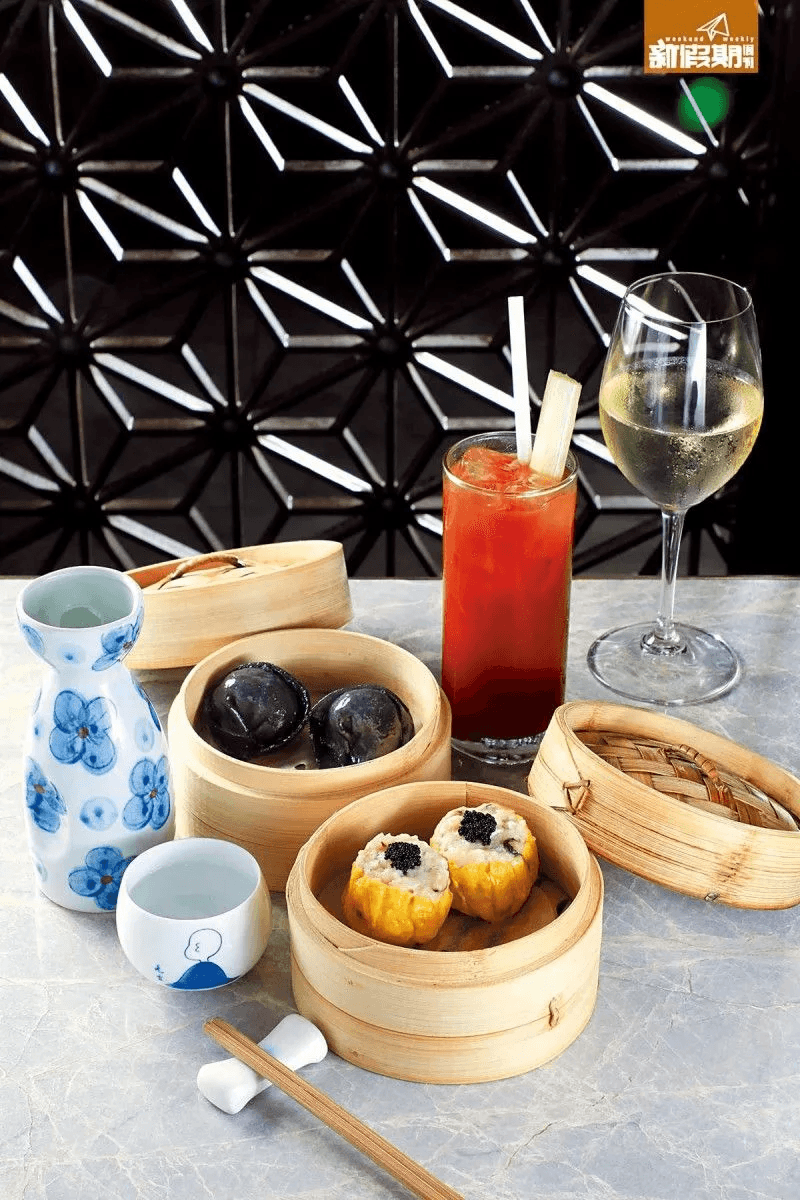
The Hong Kong Lan Kwai Fong dining landmark "Fang Fang" launched an innovative "Cocktail and Dim Sum" unlimited brunch project in 2018, reconstructing Cantonese tea-drinking aesthetics with a concept of fusion between East and West. The bar team is led by international competition champion bartender Gagan Gurung, whose special Bloody Mary incorporates Southeast Asian-style spicy sauce made with curry leaves and lemongrass, creating a flavor dialogue with innovative Hong Kong dishes like bamboo charcoal black truffle wild mushroom dumplings and black caviar siu mai.
This project emphasizes the concept of "Tea and Alcohol Coexistence," combining classic dim sum craftsmanship with molecular mixology techniques. For instance, the signature "Fang Fang Shrimp Dumplings" are filled with three fresh shrimps and paired with 11-fold handmade crystal skin; the black truffle wild mushroom dumplings are wrapped in bamboo charcoal powder skin filled with mixed mushrooms and cloud ear mushrooms, complemented by the unique Tieguanyin cold brew base in the cocktail, creating a layered experience of "rich tea essence colliding with spicy alcohol body."
Credit: Weekend Weekly
In this perfect encounter of cocktails and afternoon tea, we see a harmonious coexistence of tradition and innovation. The bartenders fully unleash their creativity, incorporating local specialty ingredients such as longan, lychee, and osmanthus into the cocktails, creating a series of cocktail masterpieces with Hong Kong characteristics. These cocktails not only complement the flavors of Hong Kong-style dim sum but also possess great visual appeal, becoming a hot topic on social media.
It is worth mentioning that this innovation is not limited to high-end restaurants and hotels; some local tea restaurants and street vendors have begun to try launching their own specialty cocktail afternoon tea sets. They bring this trendy phenomenon into the daily lives of ordinary citizens with more affordable prices and a more down-to-earth approach. For example, one tea restaurant has introduced a "Cocktail Milk Tea" series that cleverly combines traditional Hong Kong-style milk tea with various spirits, creating flavors that are both familiar and novel.
This innovation has not only enriched Hong Kong's food culture but also brought new opportunities to the local beverage industry. More and more local bartenders are beginning to explore how to incorporate Chinese elements into Western cocktails, and many bars are starting to collaborate with dim sum chefs to create dedicated afternoon tea cocktail menus. This cross-disciplinary collaboration not only stimulated creative collisions but also injected new vitality into Hong Kong's drinking culture.
Hong Kong-style Innovative Cocktails
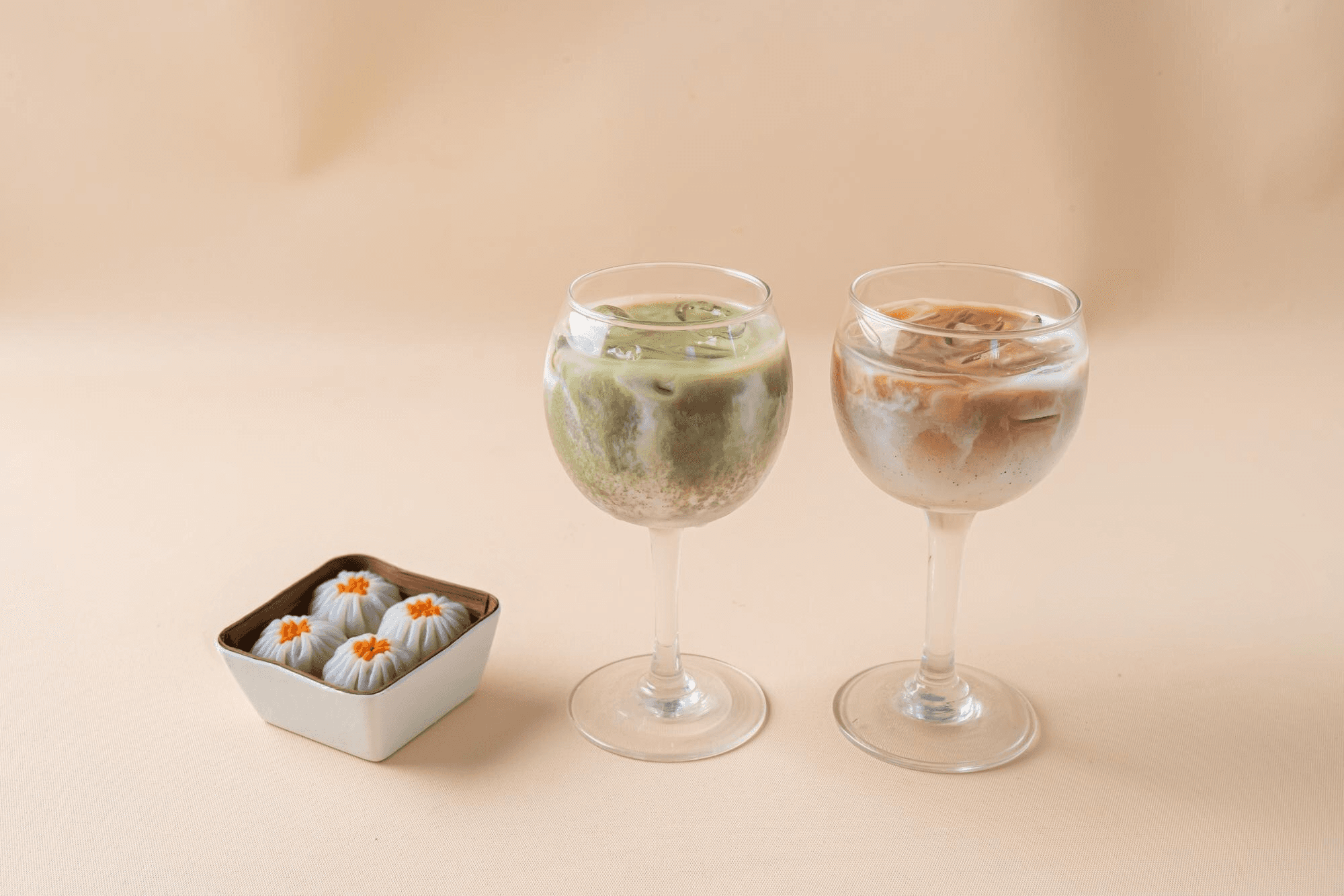
Crafted with ingenuity, the "Milk Tea 9-Yeah" special cocktail reconstructs the genetic essence of Hong Kong tea drinks using unique methods. The product employs a three-step refining process: the first step uses handmade, freshly brewed secret tea soup as the base, combined with classic condensed milk to outline a creamy texture; then, it gathers traditional Eastern huadiao wine with Western Scotch single malt whiskey, complemented by the fruitiness of yellow plum brandy, calibrated repeatedly by professional bartenders to achieve a golden triangle balance system of tea aroma (42%), alcohol fragrance (33%), and creaminess (25%).
This 6.6% ABV low-alcohol specialty drink breaks the traditional boundaries of tea and alcohol, achieving molecular reconstruction of the drink body through cold brew integration technology. On entry, it exhibits a velvety smooth texture, with initial notes of bergamot and roasted tea aroma intertwining, the mid-palate releasing hints of whiskey oak barrel aging and the sweetness of huadiao, while the finish concludes with the fruit acidity of plum brandy, shaping the three layers of taste: "rich - fragrant - refreshing." The special low-sugar formula retains the signature creamy mouthfeel of Hong Kong-style milk tea but without the cloying burden of traditional milk cap drinks.
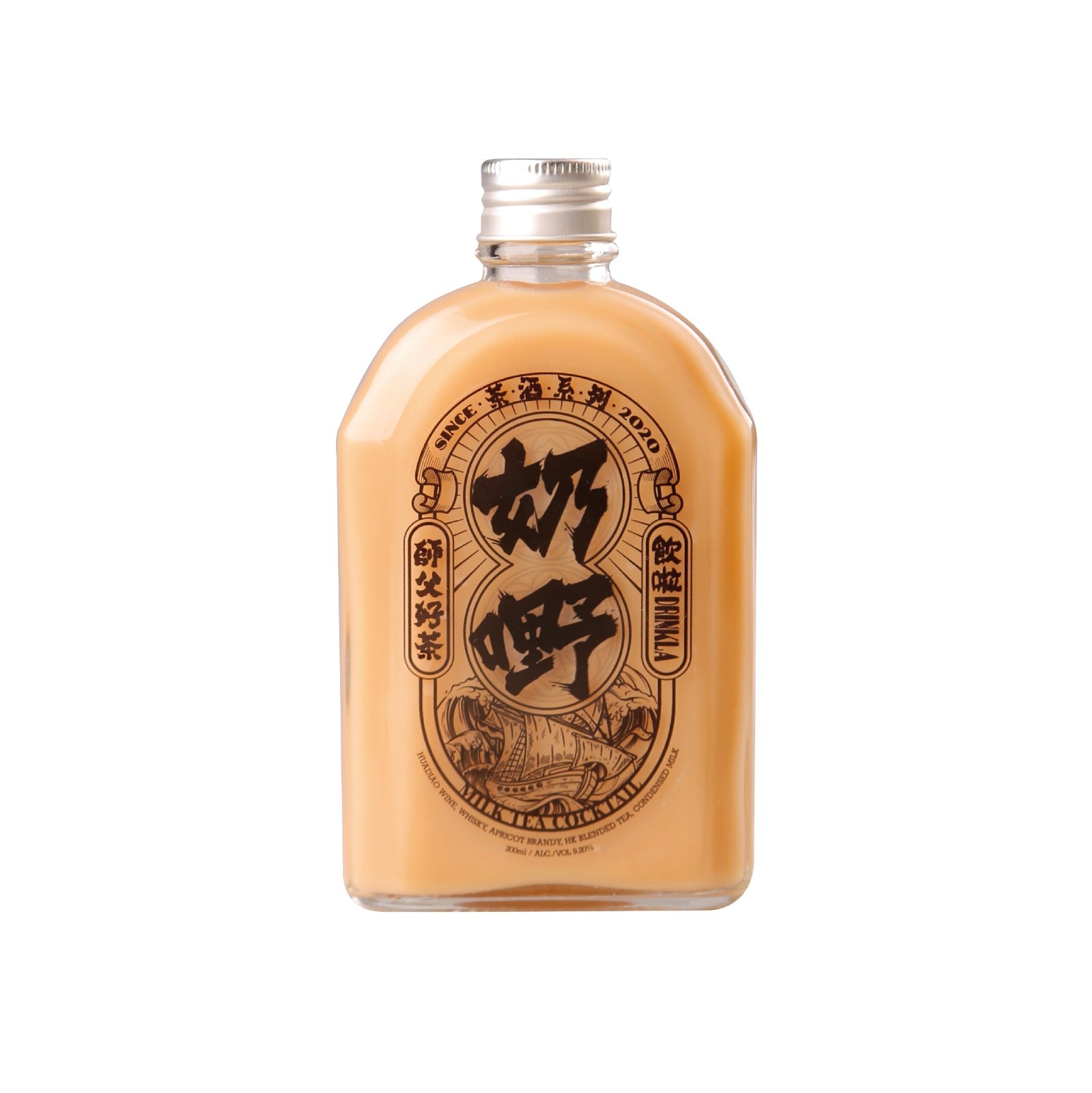
Credit: Si Fu Good Tea Tea Cocktail Series – Milk Tea
However, this innovation also faces some challenges. How to maintain the essence of tradition amidst innovation, and how to ensure that cocktails and dim sum pair in a complementary rather than overpowering manner are issues the industry needs to continually explore and improve. At the same time, ensuring that this new trend can develop sustainably, and is not just a passing fad, is also a long-term issue for the industry to contemplate.
Nevertheless, the innovative concept of "Cocktail Afternoon Tea" undoubtedly brings new possibilities to Hong Kong's culinary culture and beverage industry. It is not only an innovative extension of traditional afternoon tea culture but also a vivid manifestation of Hong Kong's continuous fusion of Eastern and Western cultures and its constant evolution.
Looking to the future, we can expect to see more surprising innovations. Perhaps one day, "Hong Kong-style Cocktail Afternoon Tea" will become a new calling card for Hong Kong to showcase its unique cultural charm to the world, alongside the Italian Aperitivo culture and Spanish Tapas culture as internationally renowned culinary cultures.
For the food and drink lovers in Hong Kong, this is undoubtedly an exciting era. Whether you are a loyal supporter of traditional afternoon tea or a passionate enthusiast of cocktails, this "Cocktail Afternoon Tea Revolution" offers you a brand-new perspective to rediscover and appreciate the food culture of this city. The next time you stroll through the streets of Hong Kong, why not step into a restaurant that offers innovative cocktail afternoon tea, personally experience this revolution of flavors, and feel the sparks created by the collision of tradition and innovation? You will surely find that in this ever-hustling city, even the most traditional afternoon tea can radiate new charm.
Wine and fine dining
2025 Christmas Party Upgrade Proposal: Say goodbye to beer and embrace the elegant moments of red and white wine!2025 Christmas Party Upgrade Proposal: Say goodbye to beer and embrace the elegant moments of red and white wine!
The Lunar New Year is one of the most significant traditional festivals in Asia and the Chinese world, as well as a precious moment for family and friends to gather and share delicious food. As the focal point of the annual reunion dinner, each meticulously prepared festive dish not only carries hopes for the new year but also profoundly reflects human warmth and cultural depth. If a well-chosen wine can accompany these traditional dishes at the banquet, it not only enhances the entire dining experience but also brings a refined and charming atmosphere to the guests.
Why Festive Dishes Need Wine Pairing
The pairing of wine with food has always been a science as well as an art. In the reunion dinner, where traditional dishes carry cultural significance and culinary essence, seemingly traditional flavors actually offer more possibilities for wine pairing. A successful pairing can be said to be a resonance between taste buds, a perfect embodiment of integrating global wine culture into Eastern dining traditions. In fact, this is not only a means of enhancing flavor but can also add taste and layers to the banquet. The aroma and flavor of a carefully selected wine can add depth to festive dishes, and the interaction between the wine and the dishes can highlight delicate and rich layers of flavor.

Classic Examples of Festive Dishes and Wine Pairing
During the Lunar New Year, the reunion dinner is the highlight of family gatherings, and each exquisite festive dish carries blessings and expectations. Pairing these delicacies with suitable wine can not only enhance the dining experience but also add an elegant atmosphere to the entire banquet. Here are some classic festive dishes and their best wine pairings, allowing you to enjoy a richer taste experience during the Spring Festival.
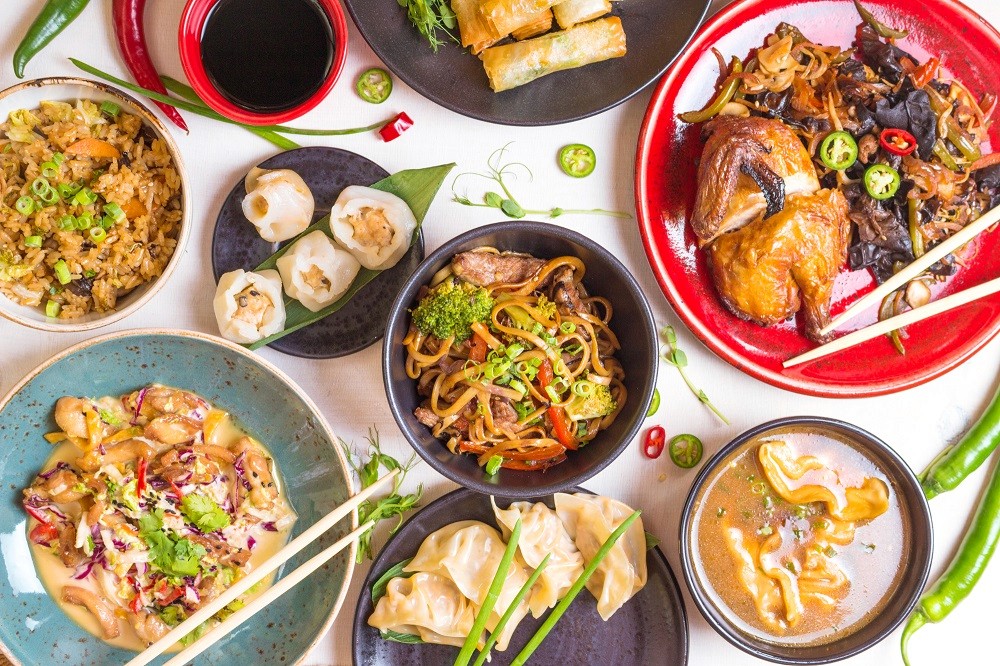
1. The Irreplaceable “White Cut Chicken”
Dish Flavor Characteristics: White cut chicken is renowned for its delicate meat that is oily yet not greasy, emphasizing the original flavor of the chicken with a light yet layered taste.
Best Wine Pairing: A refreshing white wine from Chablis is the most suitable choice. Its slightly mineral taste can balance the fat of the chicken and delicately highlight its sweet and fresh flavor. The fresh acidity of Chablis is like a clear spring, perfectly melting away the richness of the meat, making each bite refreshing.
2. Aromatic “Braised Lion’s Head”
Dish Flavor Characteristics: This famous Jiangsu and Zhejiang dish is known for its rich sauce and tender meat, offering a full and mouthwatering taste.
Best Wine Pairing: It is recommended to pair it with a soft-bodied Pinot Noir. Its medium body and delicate layers can make the rich sauce of the lion's head smoother, not overpowering the main dish while providing a rich contrast on the palate. In Hong Kong, many families choose this pairing to welcome the new year and enhance the festive atmosphere.
The benefits of pairing reunion dinner with wine lie in enhancing the dining experience and adding to the festive atmosphere. The right wine can balance the rich flavors of the traditional dishes, especially the greasy ones. Sparkling wine or rosé, with their refreshing taste, can effectively neutralize the oily sensation, making each bite more palatable. Additionally, the tannins in red wine can reduce the greasiness of meat and enhance the overall flavor, allowing everyone to enjoy the wonderful time of reunion more. Choosing the right wine not only adds color to the dining table but also promotes interaction and joy among family members.
3. The "Steamed Grouper" with Abundance Every Year
Dish Flavor Characteristics: Grouper has a tender texture, usually paired with light sauces to showcase the freshness of seafood.
Best Wine Pairing: Italian Vermentino white wine is an excellent choice. Its unique citrus aroma and subtle salinity complement Asian seafood dishes well, providing a naturally rewarding acidity that makes the entire dish more vibrant.
4. Satisfying "Claypot Rice with Preserved Meats"
Dish Flavor Characteristics: Claypot rice with preserved meats is rich and oily, with an abundance of savory flavors. It features both crisp and soft textures, making it one of Hong Kong's iconic cuisines.
Best Wine Pairing: Best paired with Spanish Rosé. The fresh fruitiness of Rosé wine perfectly balances the heaviness of the preserved meats, enhancing the dish's layers. Especially those with a hint of sweetness, the Rosé elevates the crispness of the rice, making it a favorite.
5. Perfectly Sweet "Freshly Ground Almond Tea"
Dish Flavor Characteristics: Almond tea is sweet without being cloying, with a rich almond aroma, and is a common dessert during the New Year period.
Best Wine Pairing: Moscato d’Asti is an excellent dessert companion. It carries notes of honey and almond, as if tailor-made for almond tea. The slight effervescence and low alcohol content make it refreshing and pleasant, without overshadowing the main course, enriching the overall dining experience.
Wine is not just a beverage; it is a lifestyle. With the rise of social media, people increasingly enjoy sharing their dining experiences. During reunion dinners, inviting friends and family for delicate tasting exchanges not only strengthens relationships but also allows everyone to enjoy food and wine in a relaxed and joyful atmosphere.